Our Big adventure
Jolanda and Richard 2017
Days 186 to 191: Andalucía country – southern Spain
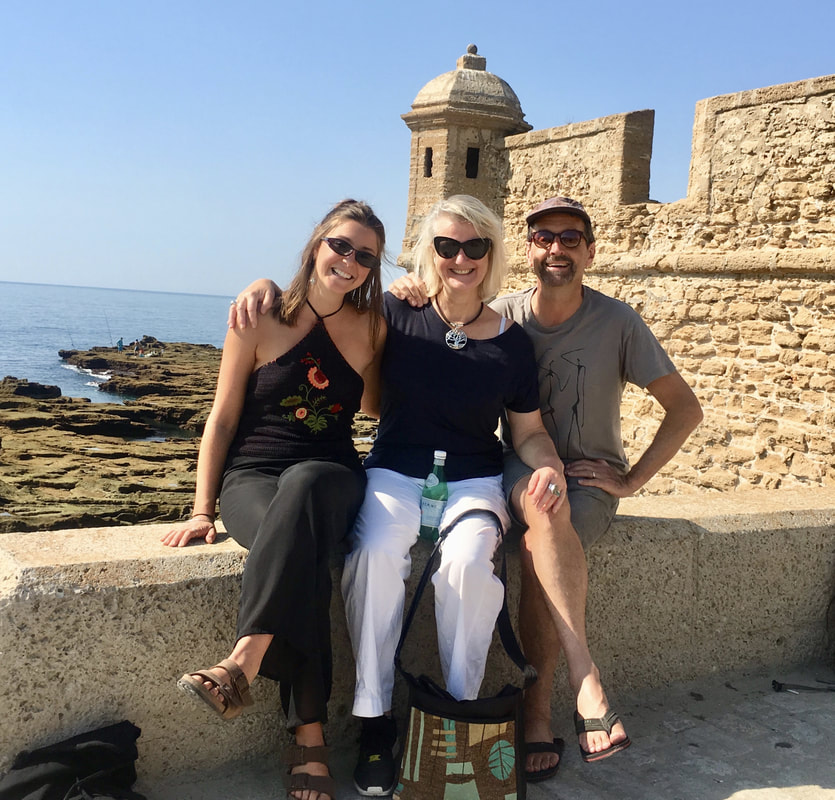
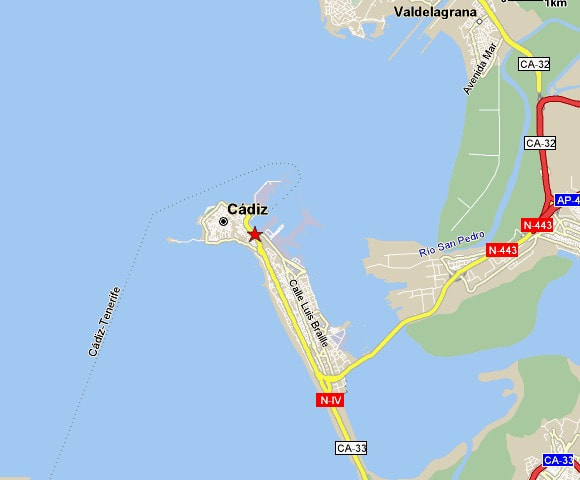
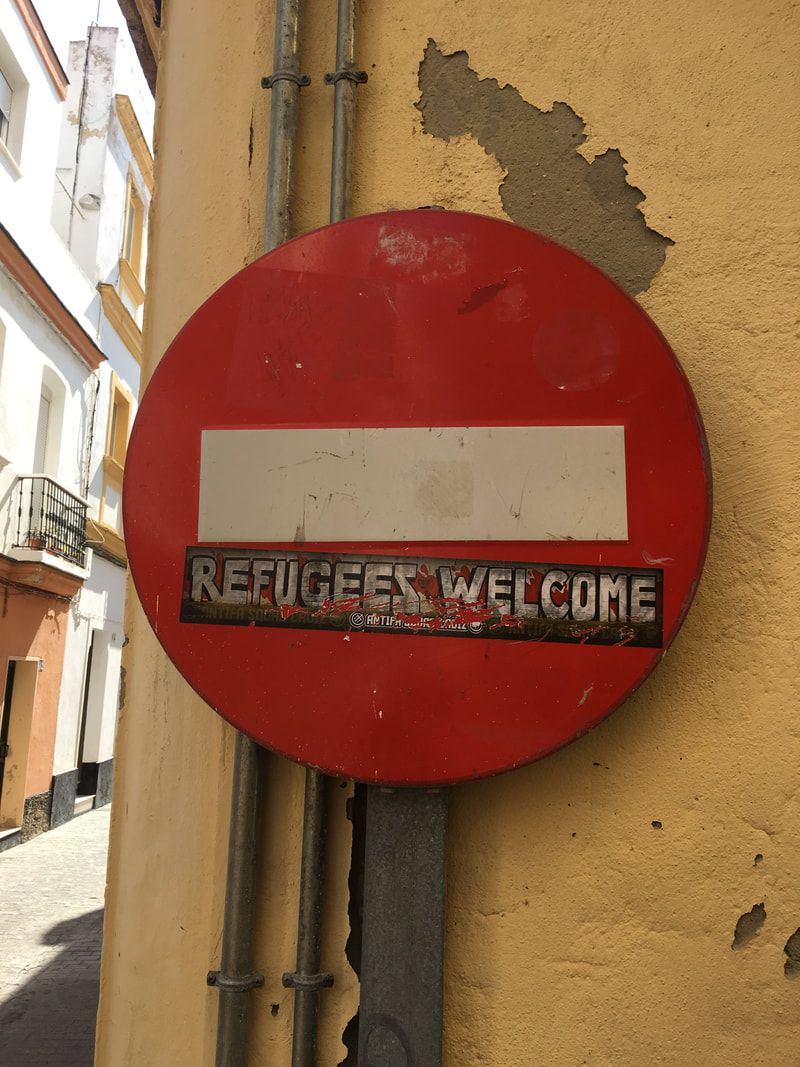
Cadiz is old – really old. Oldest city in Western Europe with remains from the Phoenicians still strongly in evidence. It’s an important port town and base for the Spanish navy. Looking on the map, it’s a strange piece of geography with the city jutting out on a long thin strip of land into the sea. Not surprisingly, it was prone to frequent attack from the sea.
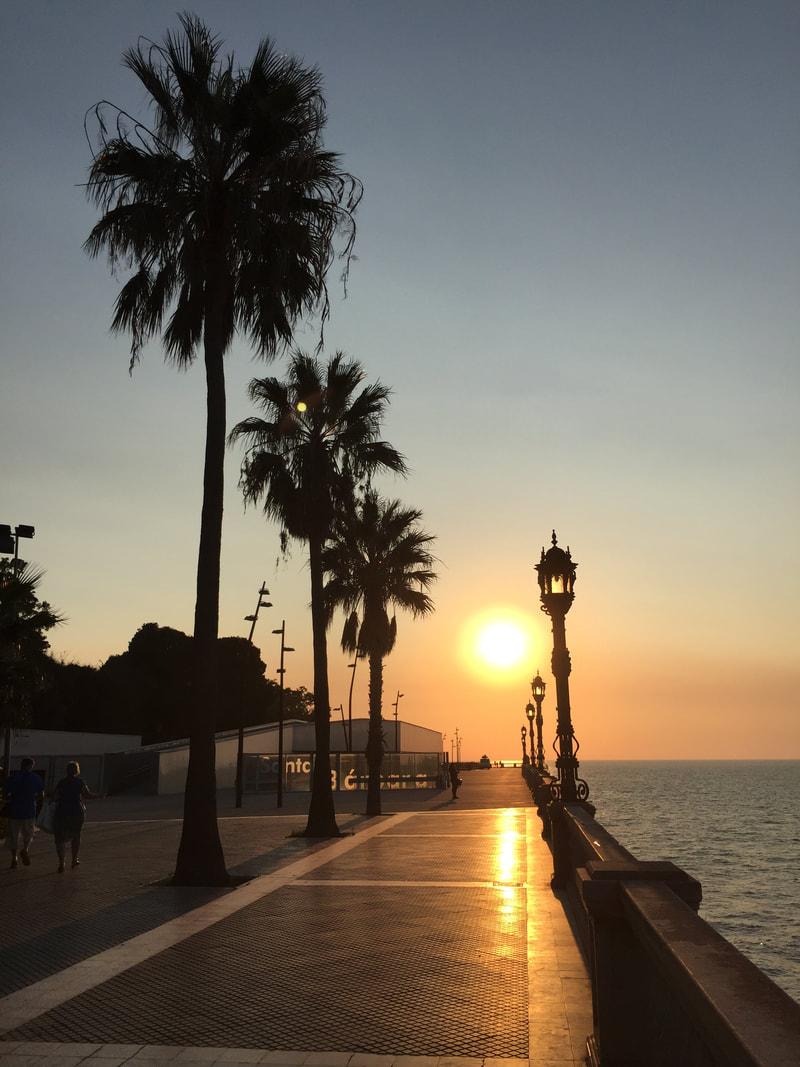
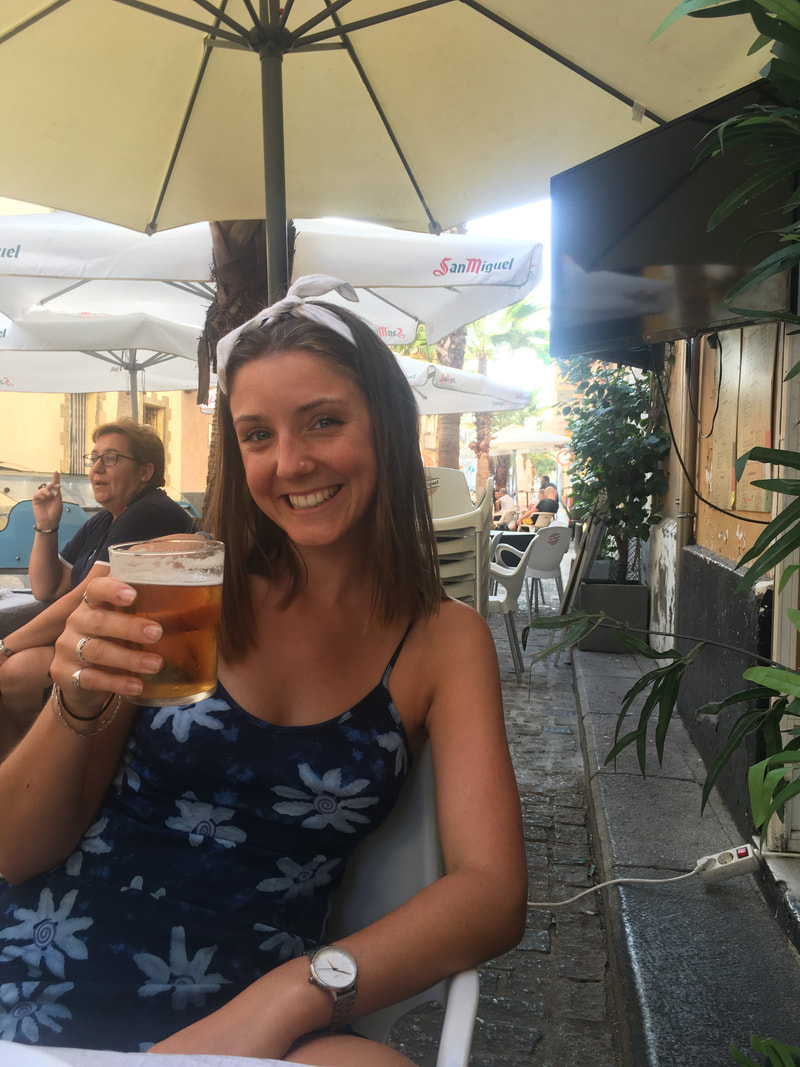
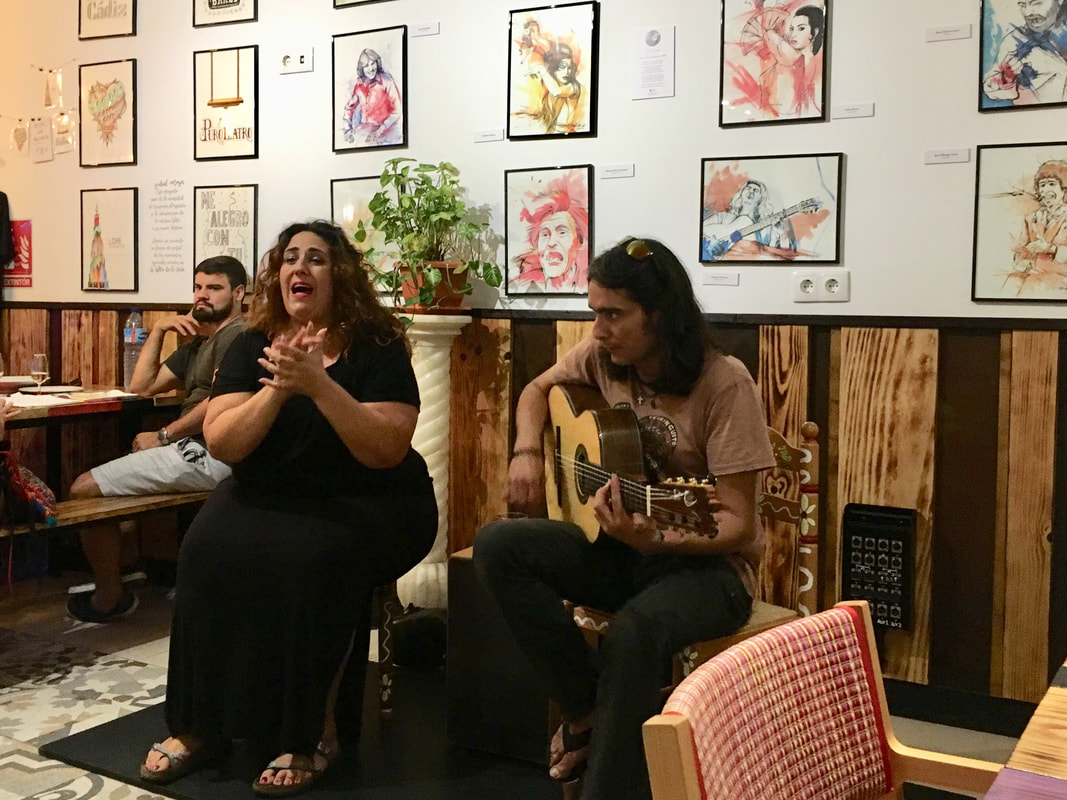
We also got some tips for places to hang out – the best one of which was a local place offering decent vegan options (man, its hard to eat vegan in Spain!) and flamenco jam sessions. Magic . . .
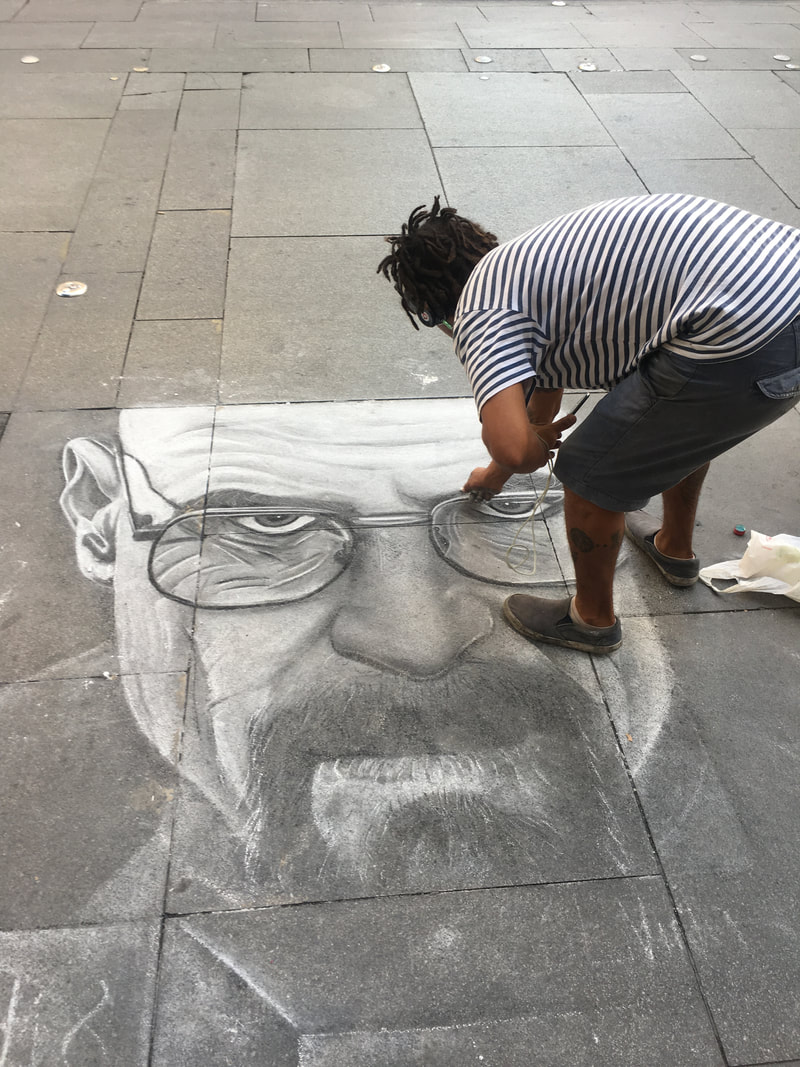
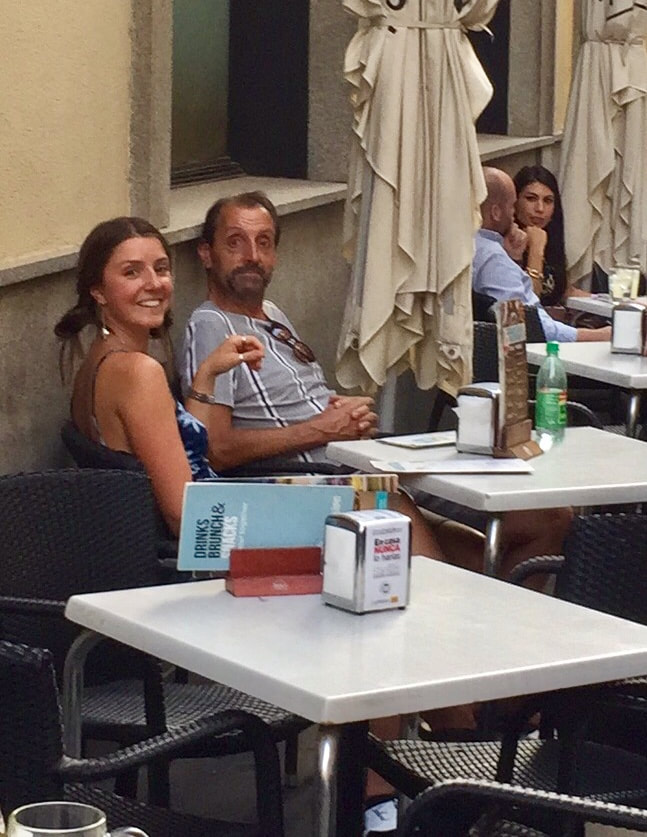
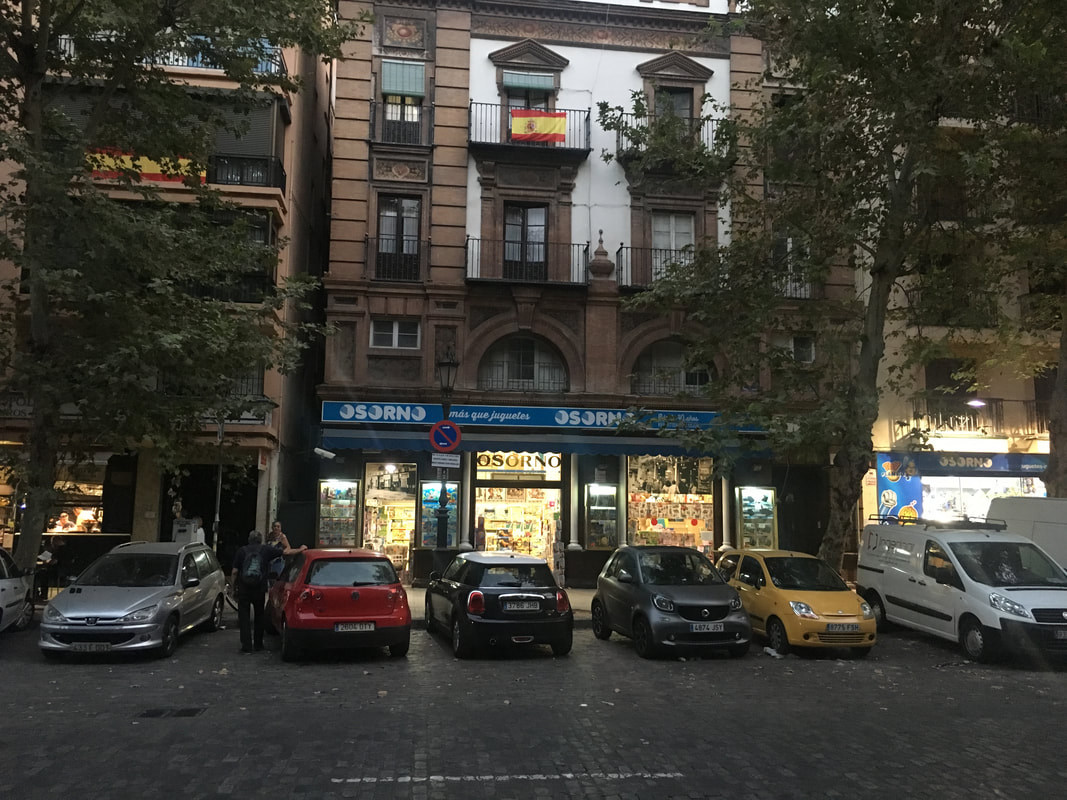
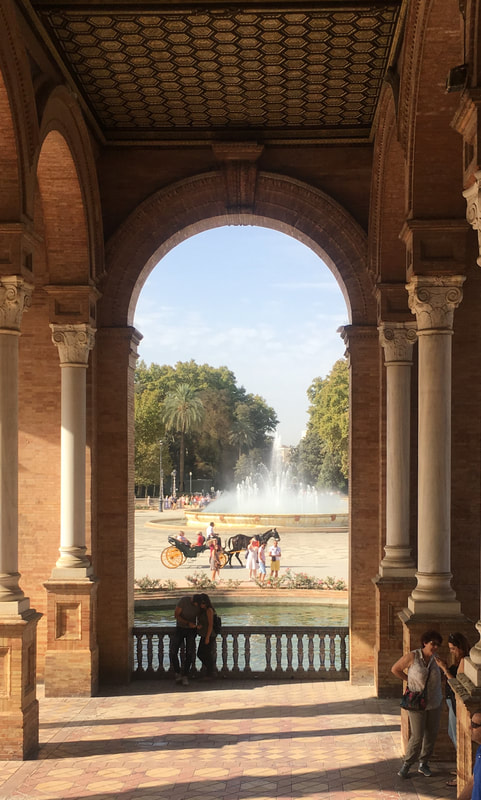
Wow Seville is beautiful. The Guadalquivir River runs beside our apartment and its full of life – walkers, bikers and runners and, on the water – kayakers and rowers. Mornings are the time to do things here in Seville when it is cooler. The central city itself is one big photo opportunity with tree lined streets, masses of street art and centuries old buildings.
Days 180 to 185: Yoga retreating on Portugal’s southwest coast
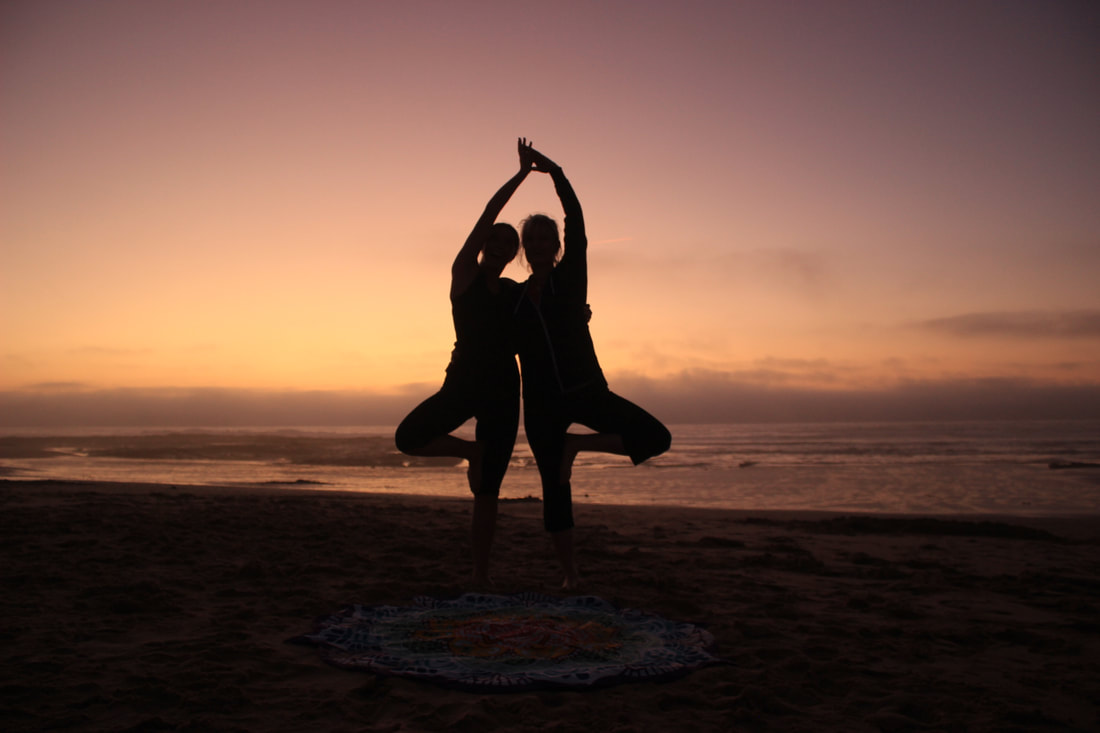
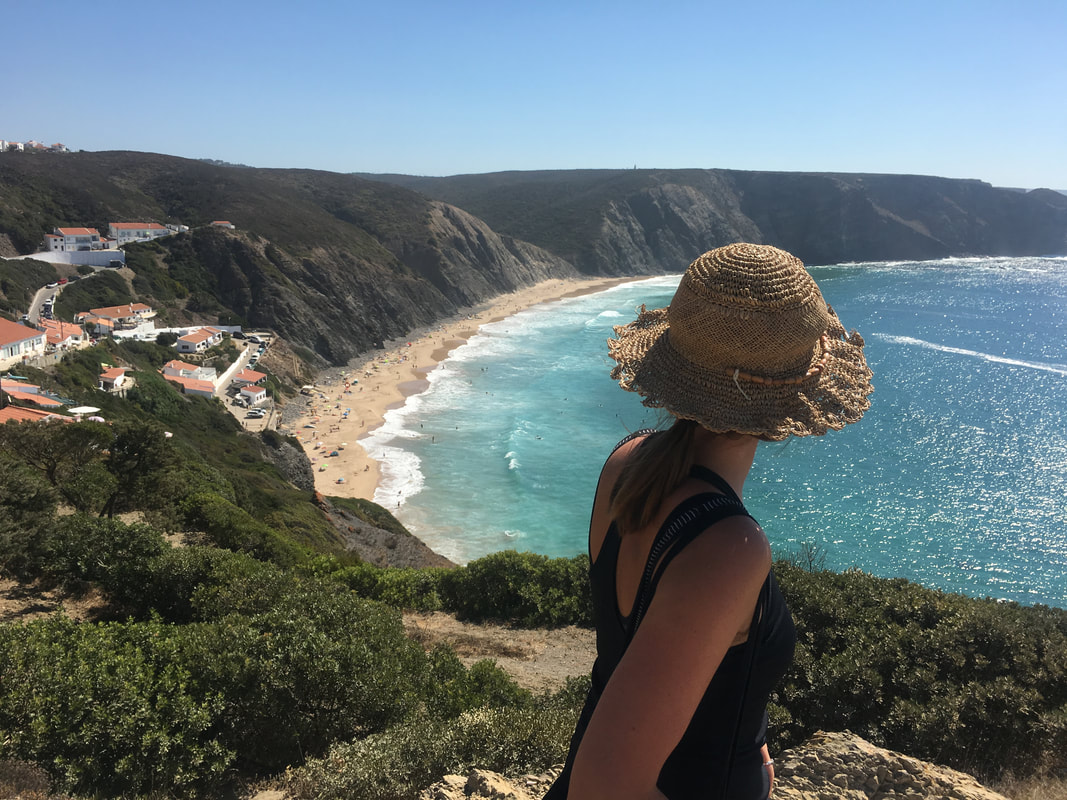
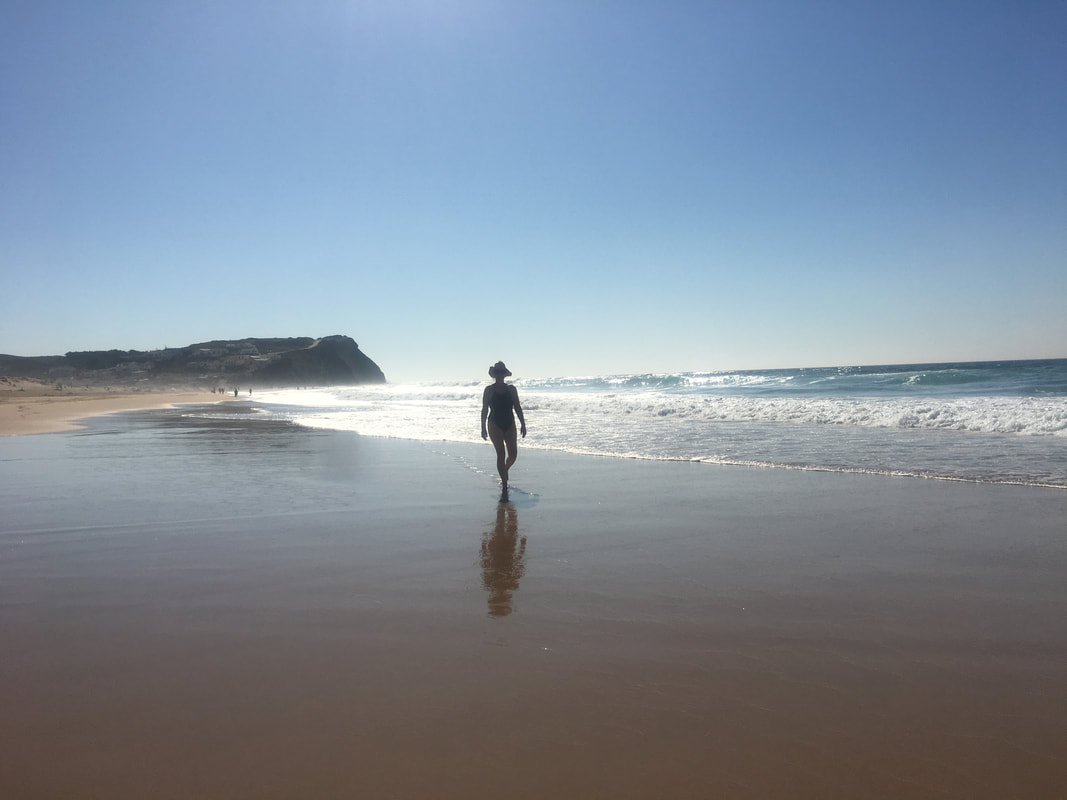
Situated in the Parque Natural do Sudoeste Alentejano e Costa Vicentina (the South West Alentejo and Vicentine Coast Natural Park), this place felt miles away from the tourist hotspots of the Algarve.
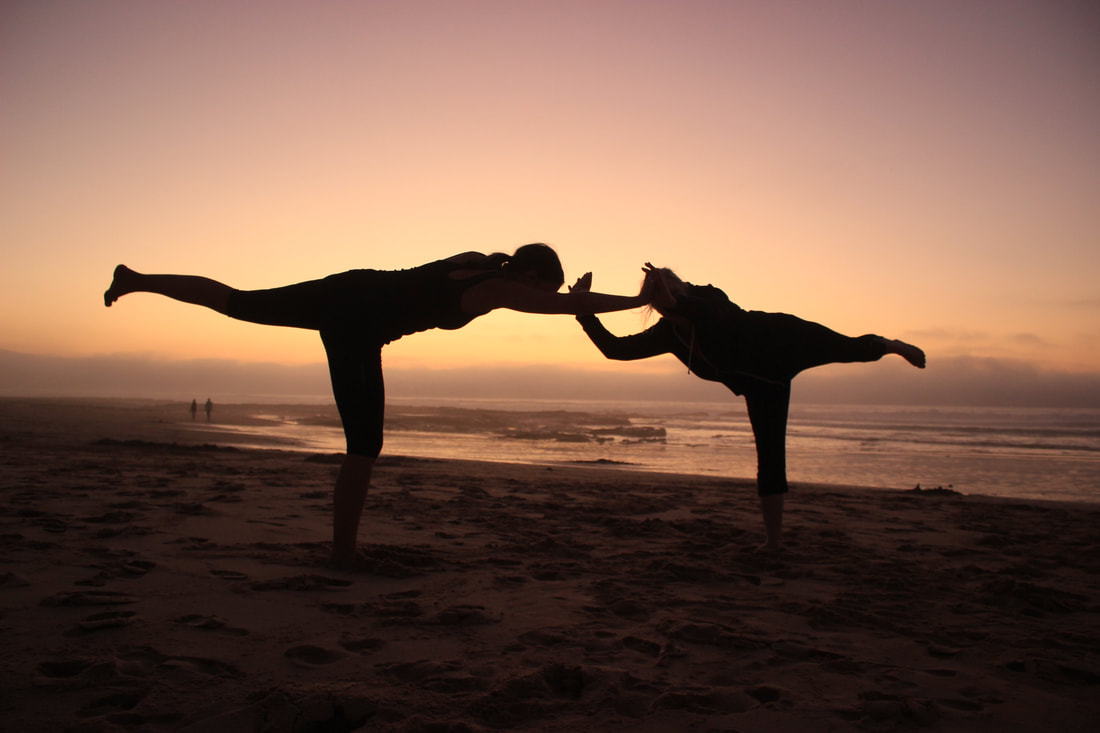
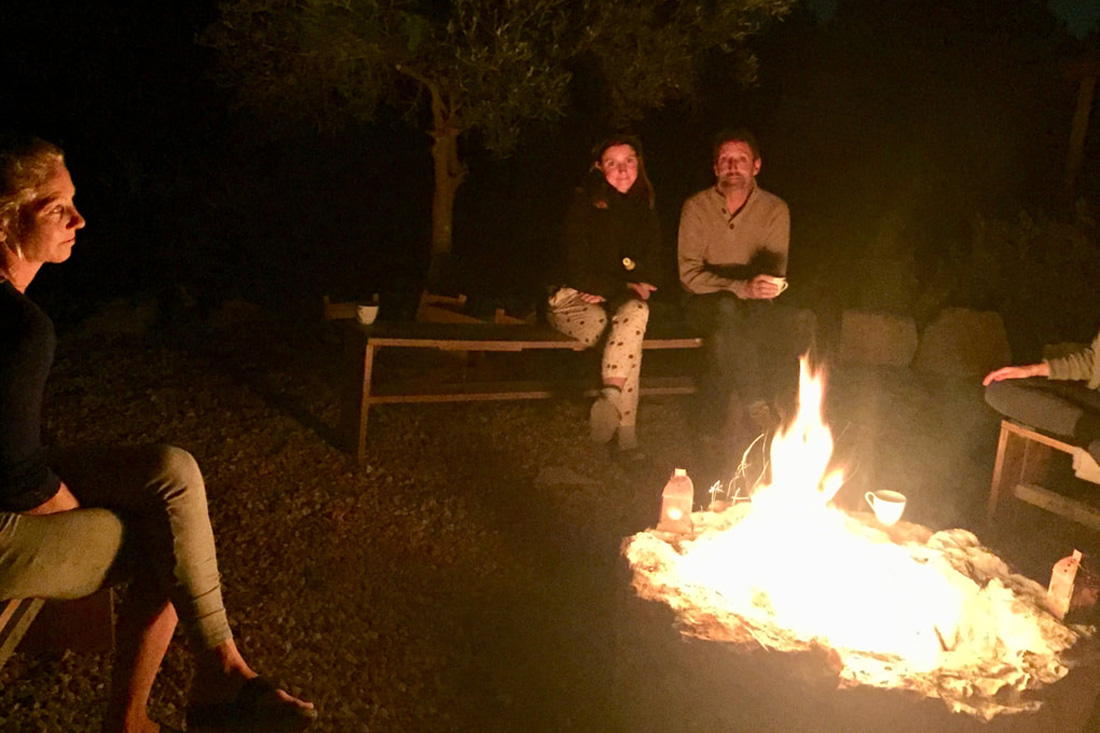
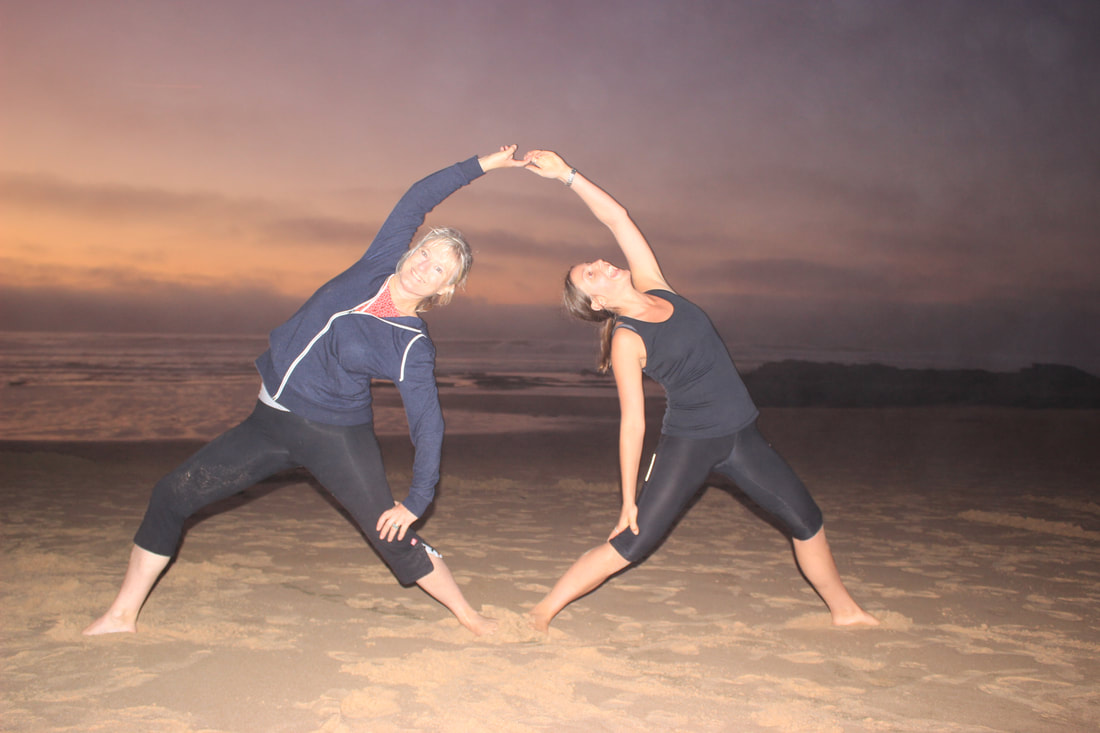
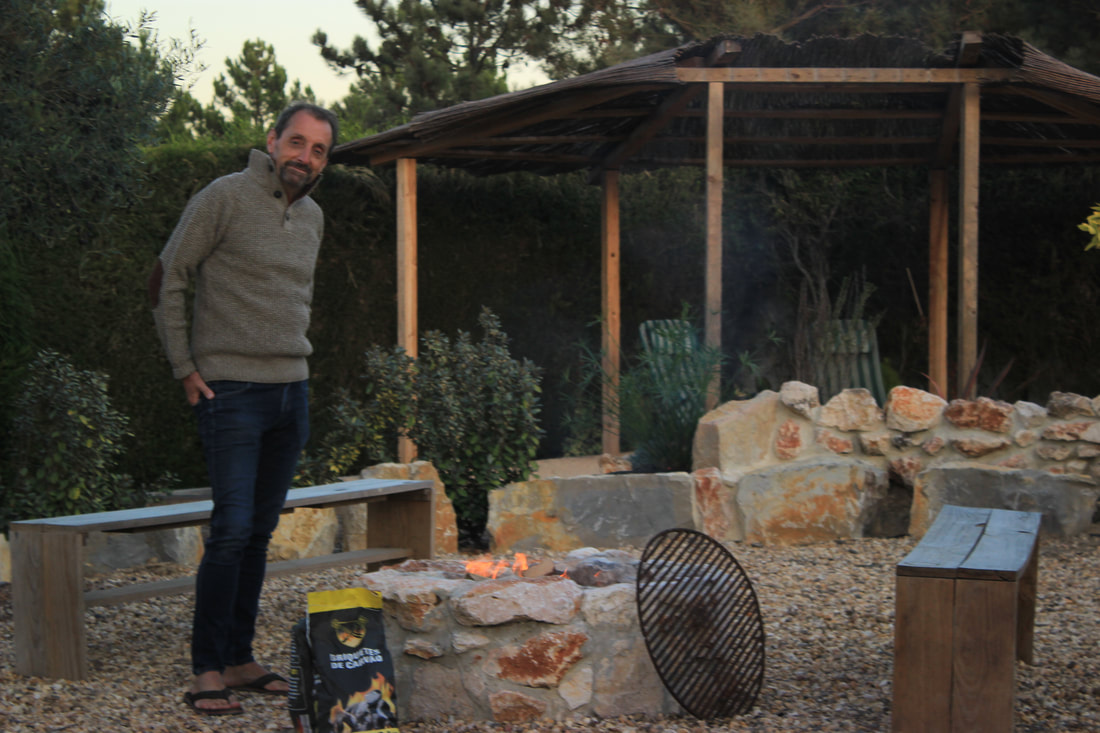
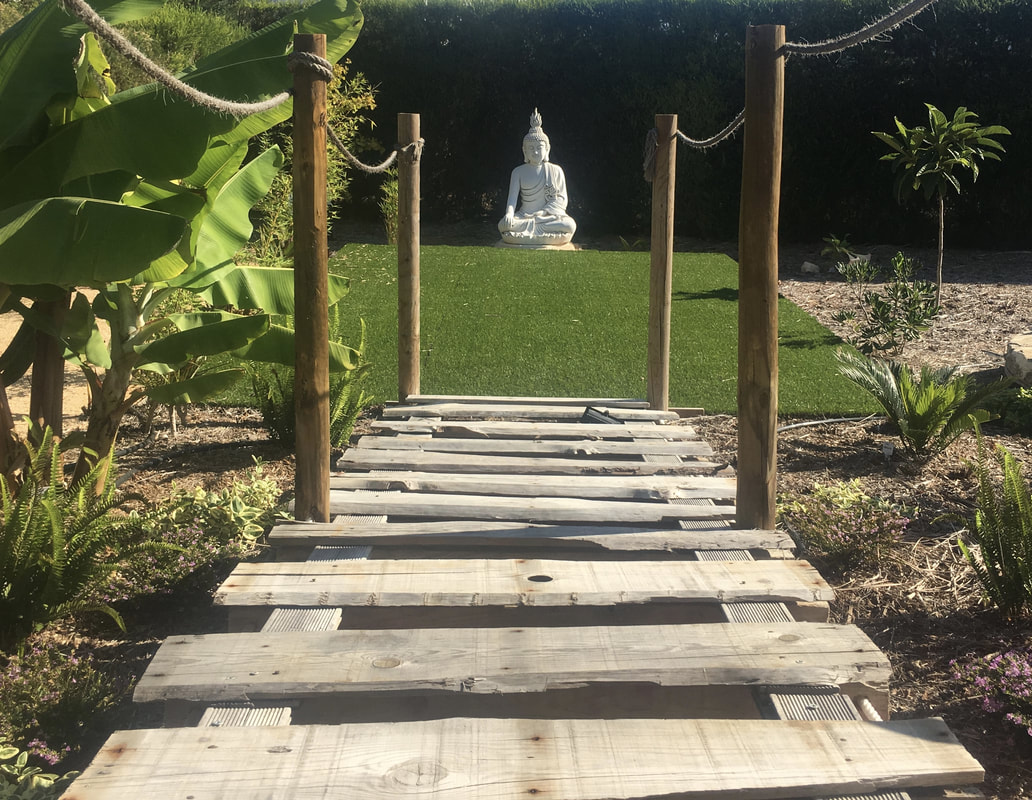
Prana Casa is owned and run by Eve, a vibrant ex dumpster-diving surfie, while Hector, a gentle giant of a man from Mexico, helps out with the cooking and maintenance. Eve’s yoga class in the morning (at a quite civilised hour of 8:30) was followed by a big casual breakfast. Then we have the day for ourselves – nice . . . Another hour of yoga at 5pm (one of which was on the beach) and then dinner – vegetarian. My highlight was a barbecue, prepared by Hector, over an open fire pit in the garden. We had a great group of fellow guests from Germany, the Netherlands, Argentina and Spain.
Days 177 to 179: Lagos in Portugal’s Algarve region
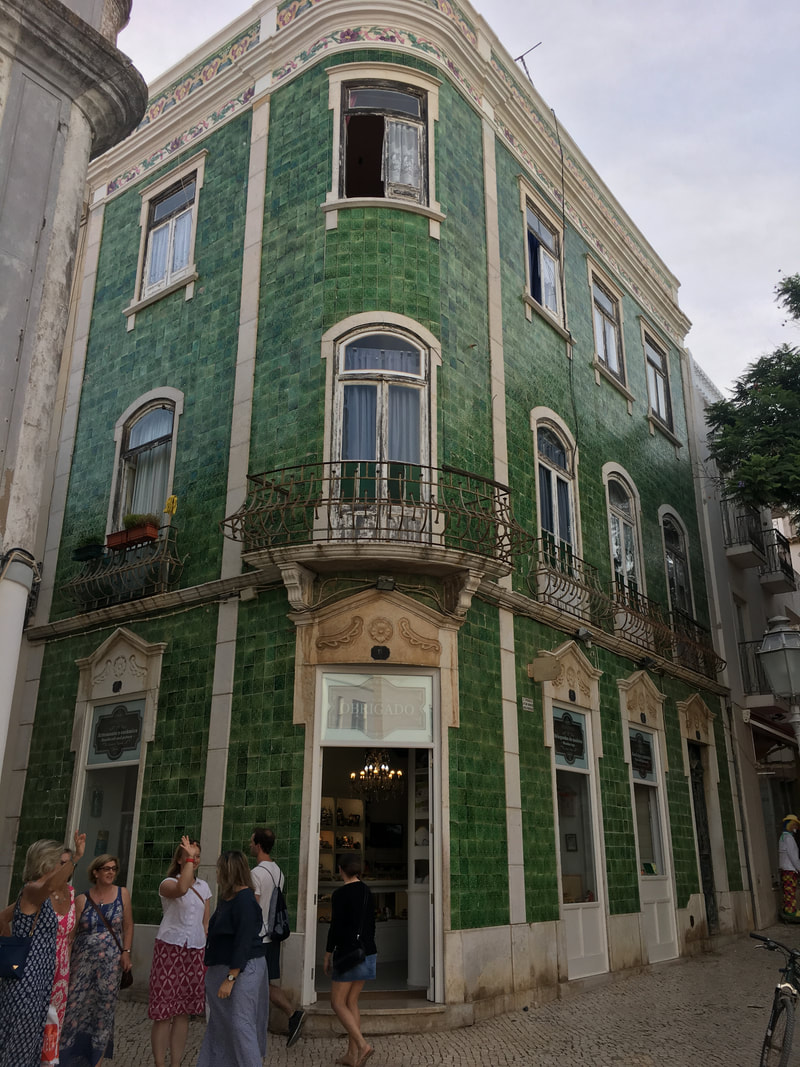
Lagos is a nice little town. Its popular with tourists but not quite as tatty as other package holiday hotspots like Albufeira (about 45 minutes drive from here), described by someone on Tripadvisor as a “skanky neon strip full of pissed Brits”. Lagos admittedly has elements of skankiness, but it does have character in the older part of the town with winding cobbled streets and locals out and about doing their shopping.
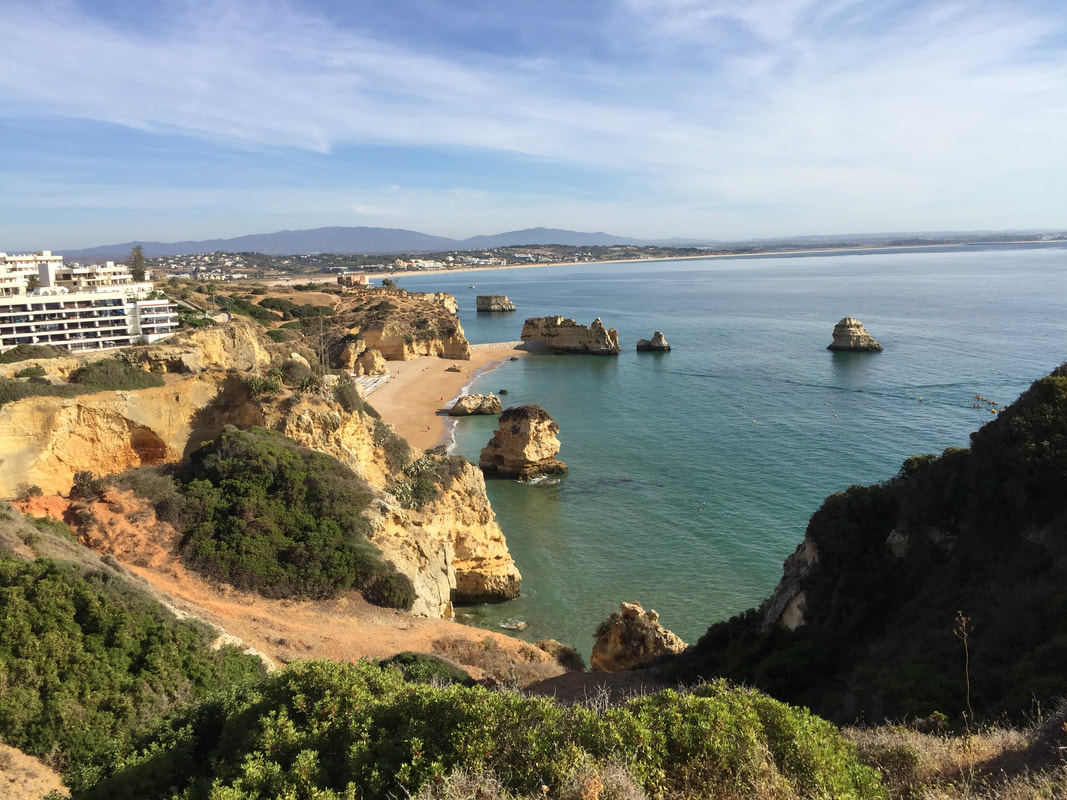
Our Airbnb this time is in an apartment in a slightly characterless complex called Iberlagos. Its saving grace is its proximity (2 minutes walk) to a gorgeous little bay called Dona Anna and massive swanking swimming pool – part of the complex. For a nice 2 bedroom apartment with kitchen, living area, 2 bathrooms, large balcony and wifi we are paying about $NZ 190 a night.
The second half of September is such a great time to travel in the south of Europe. The summer holiday crowds have largely gone (school holidays are over around the end of August here) and the temperature is not so sweltering. It looks like temperatures will be ranging between 18, in the evening, and 29 degrees during our stay – I can handle that.
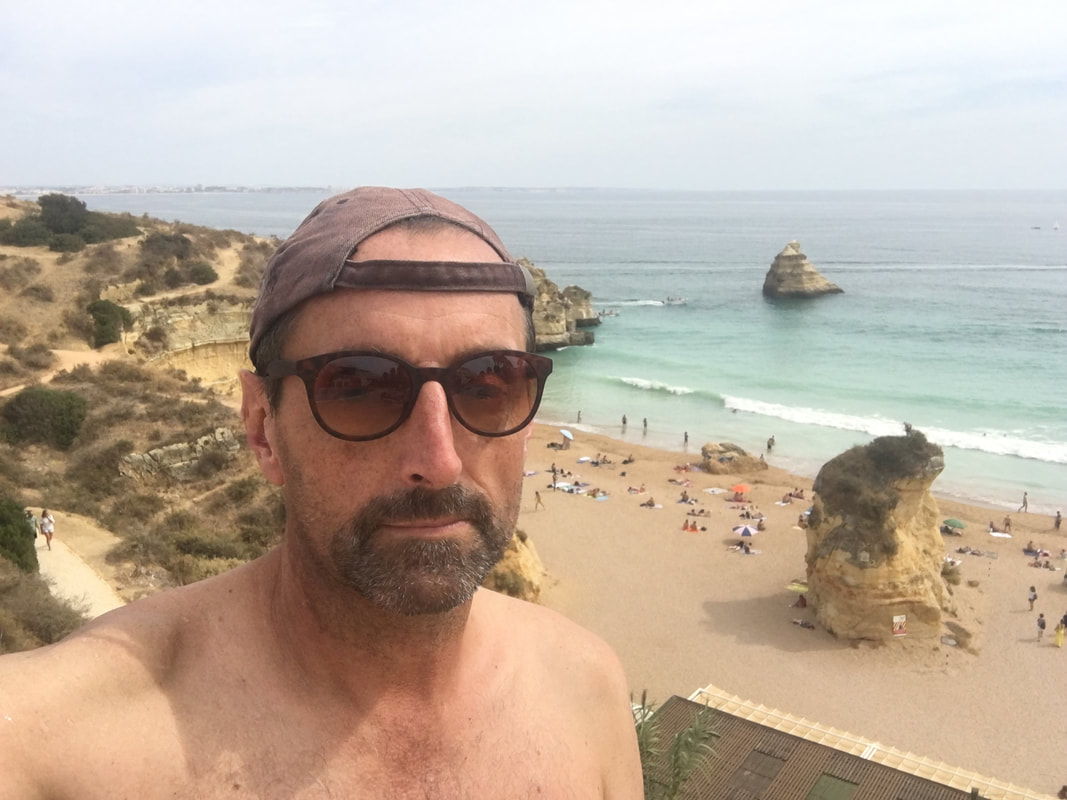
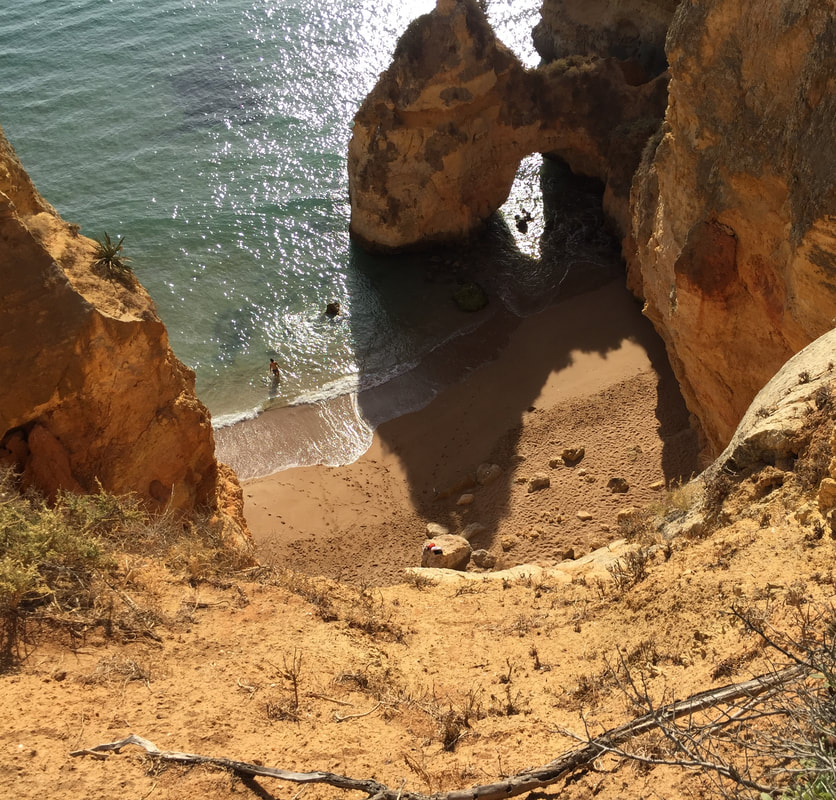
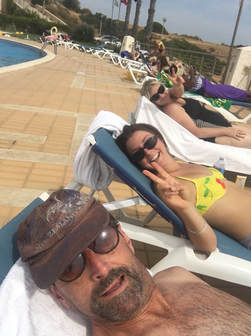
The best part about Lagos, in my opinion anyway, is its proximity to a number of small, stunning beaches. Dona Ana, right in front of our resort and pictured in the photo at the start of this post, is described as the most picturesque beach in the Algarve – well that is according to the authors of lagosportugalguide.com. It was great to do a bit of body-surfing on our first day – but since then I have been feeling a little under the weather. Hope things improve before our yoga retreat starting tomorrow . . .
Days 172 to 176: Lisbon
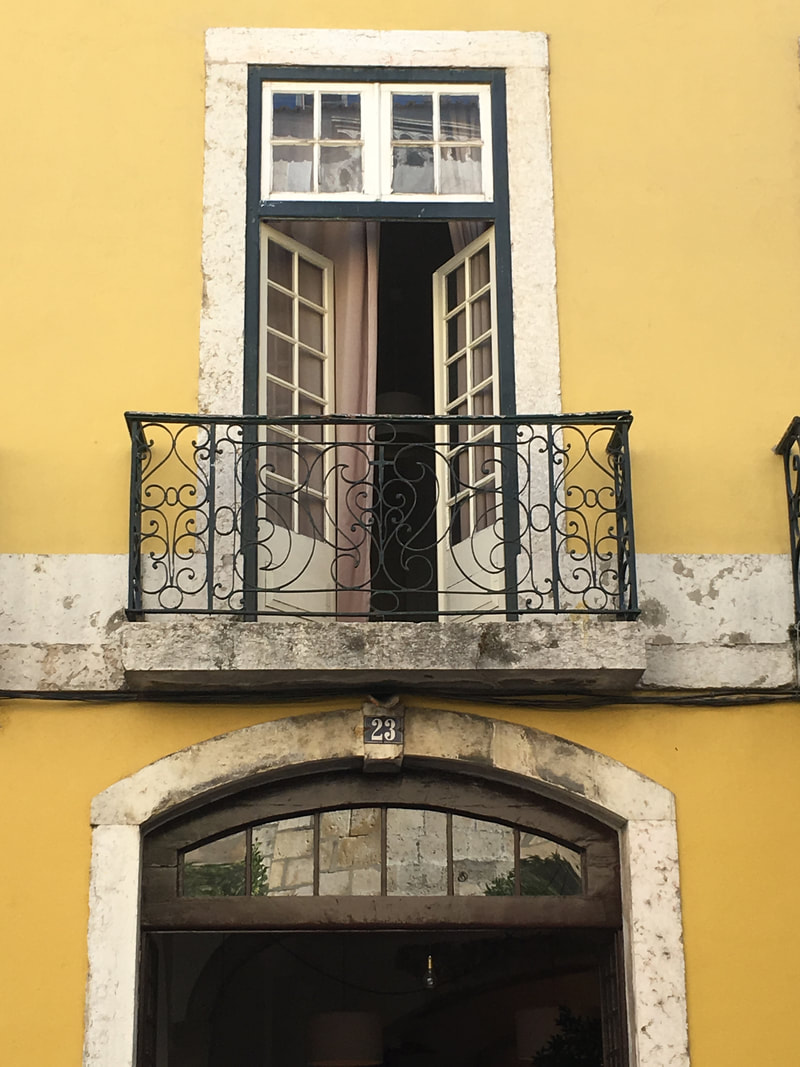
Lisbon is relatively small for a European capital – between half a million and 3 million depending on what definition you use for the city limits. Apparently Lisbon is recognised as an alpha-level global city by the Globalization and World Cities (GaWC) Study Group. For goodness sake – who pays these groups to come up with tosh like this?
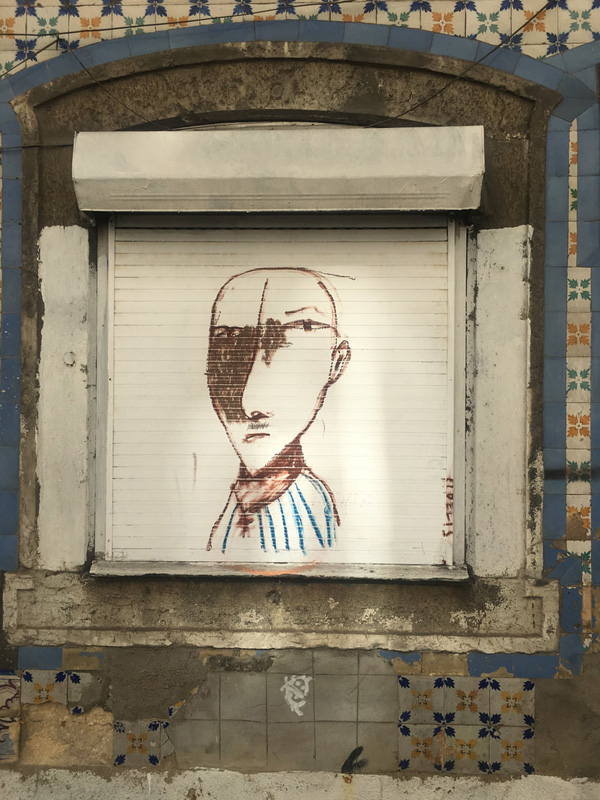
Whatever “alpha-level” might mean anyone, I personally found Lisbon a seriously cool and laid back little city. The people are friendly but not in your face, many of the old buildings on the cobbled streets are bedecked with azulejo (ceramic tiles) in a variety of colours, the food is cheap and delicious and the pace of life relaxed.
We are staying in an apartment in the Alfama – the oldest district in Lisbon. Traditionally the area where the fishermen and poor lived, the place has been slowly touristified (try looking that word up by the way) over recent years. Cafes are everywhere, with the more popular hosting fados in the evenings. The fado, a form of singing, comes from Lisbon and typically has a mournful ring to it. The lyrics are often about the sea or the life of the poor and the mood melancholic. So not exactly dancing on tables stuff . . . but definitely atmospheric.
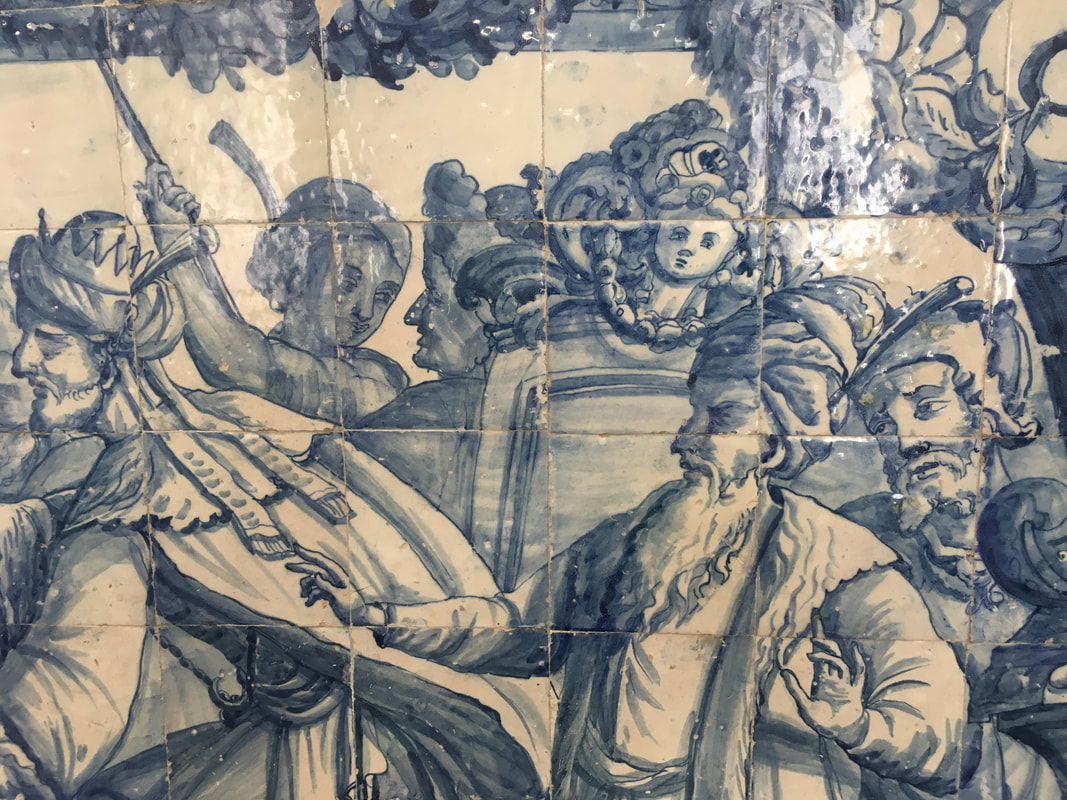
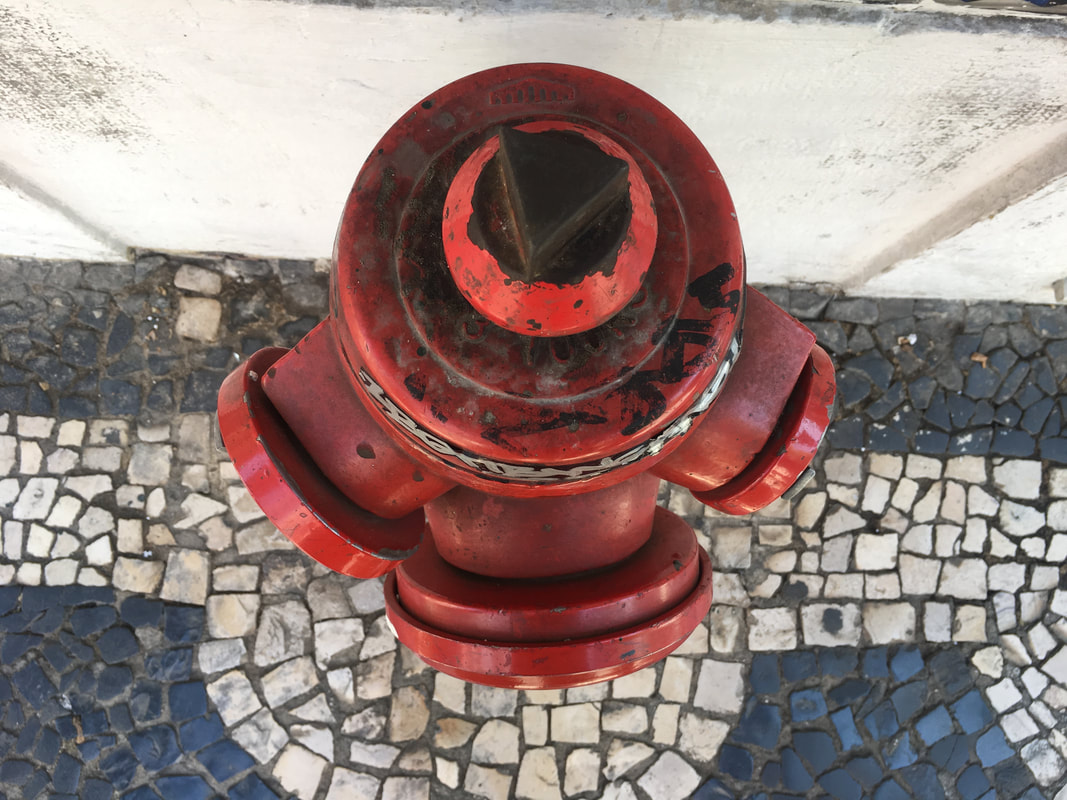
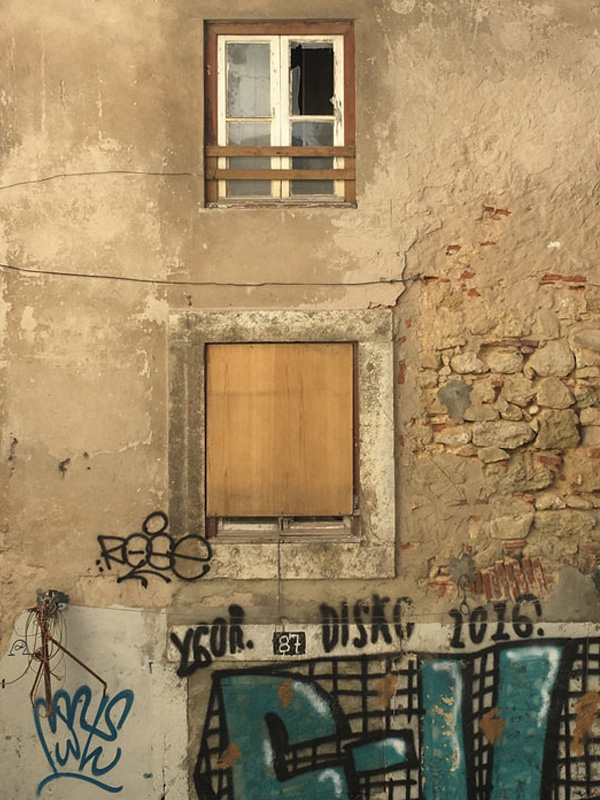
In the 15th and 16th centuries, Portugal was at the forefront of maritime discovery. Bartolomeu Dias reached the Cape of Good Hope in 1488, Vasco de Gama ten years later continued on to India. The Portuguese were the first from Europe to discover Brazil (Brazil still maintaining the Portuguese language to this day) and then later Japan. During the renaissance Portugal became the world’s main economic power with established international trading routes. Things were sweet . . .
Today the Portuguese economy is very different. Things aren’t as dire as they were in 2009 following the world financial crisis when Portugal was unable to raise further international funding and essentially was put on life support. Economic growth has continued, albeit slowly since then. Jo got talking to her neighbour on the flight from Amsterdam, a girl from Lisbon with a reasonable job in a bank getting paid just 900 euros per month. Paying the 500 Euros required to rent in Lisbon was impossible for her so her commute from the family home was over an hour each way. She said it was common for younger people to work elsewhere in Europe and send the higher wages back home.
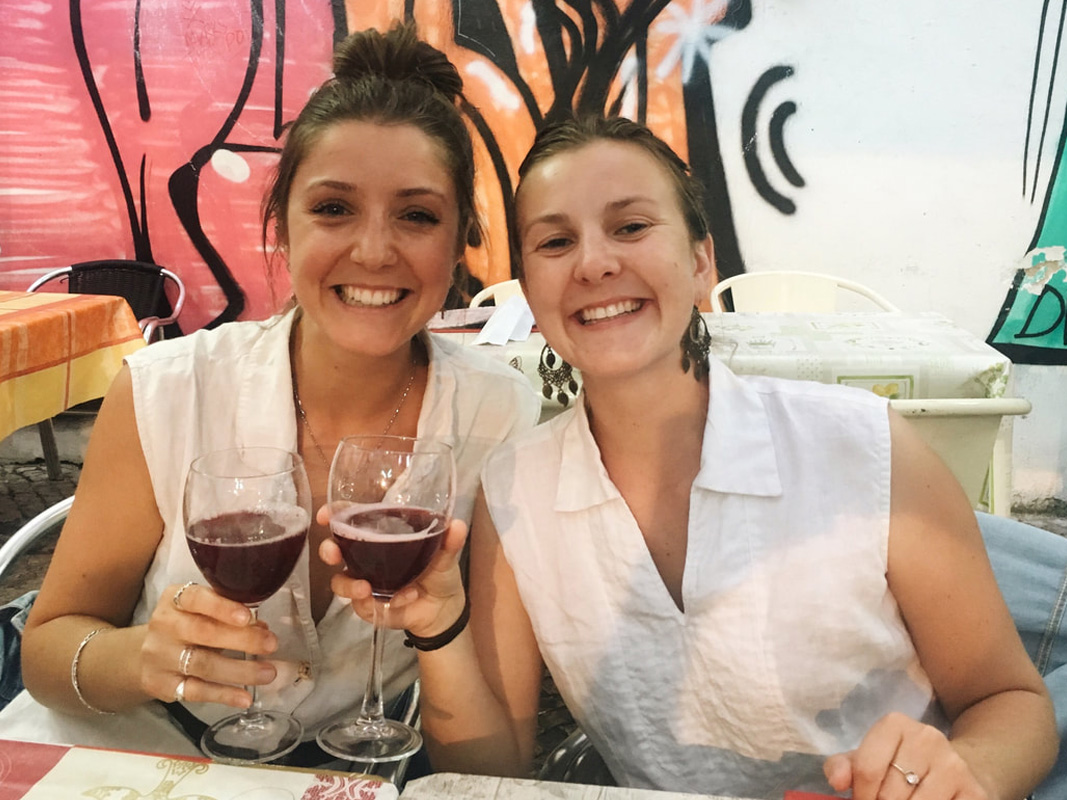
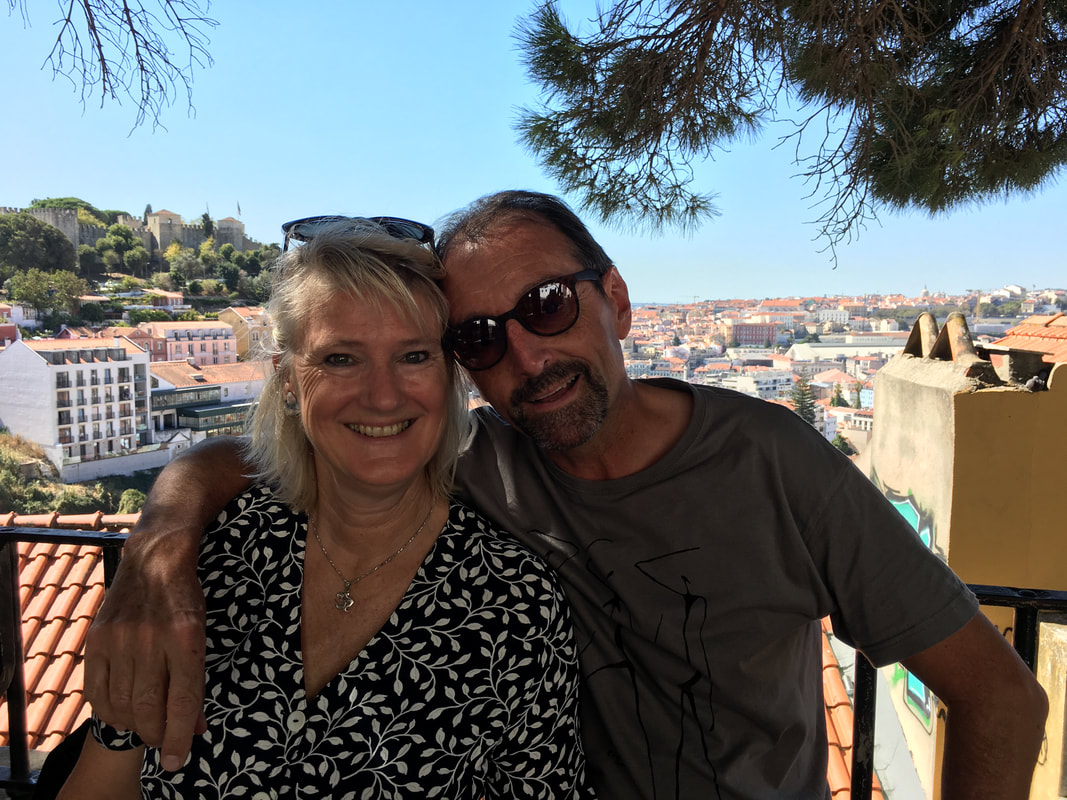
While in Lisbon we caught up with Danielle’s old mate Frances – great to see her and catch up with all the goss over a beer or two.
Wedding time . . .
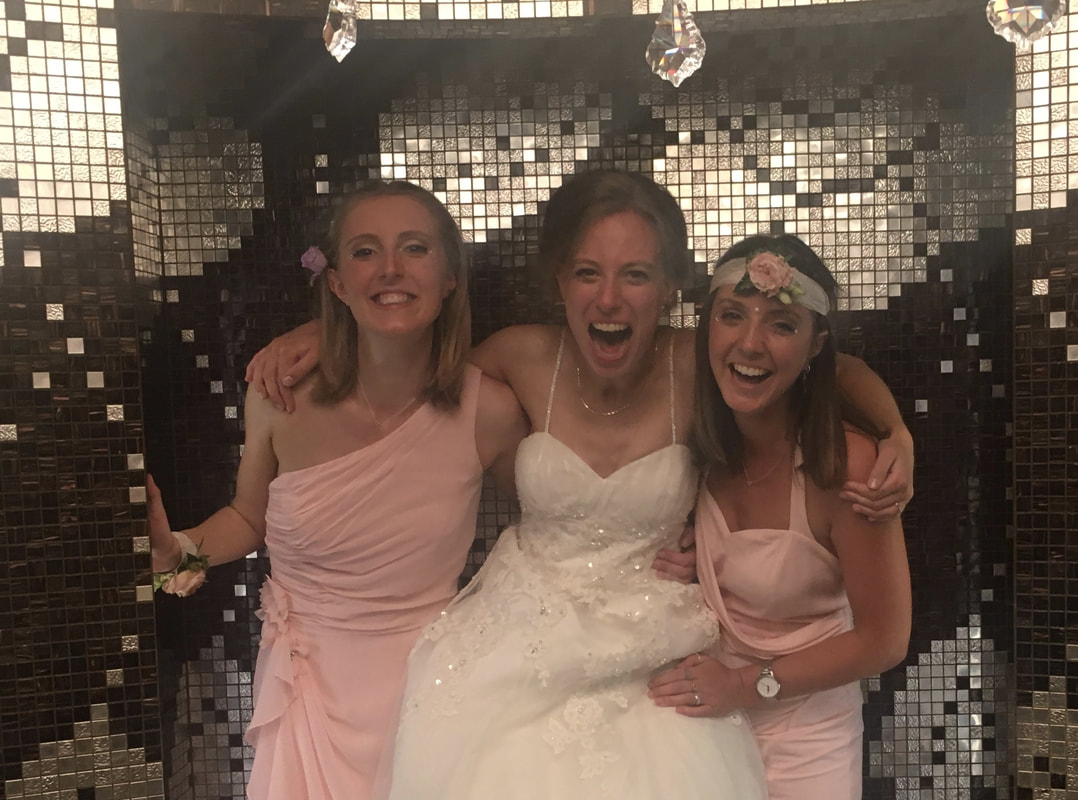
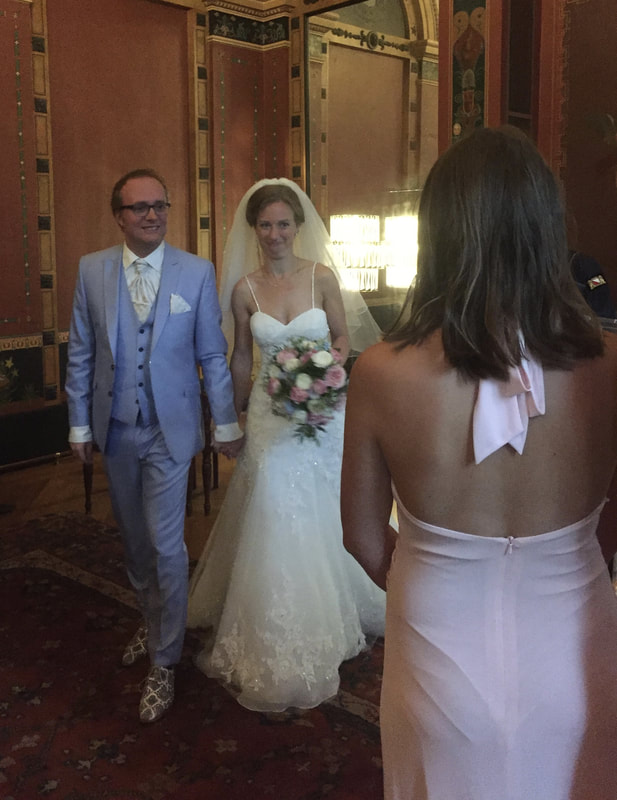
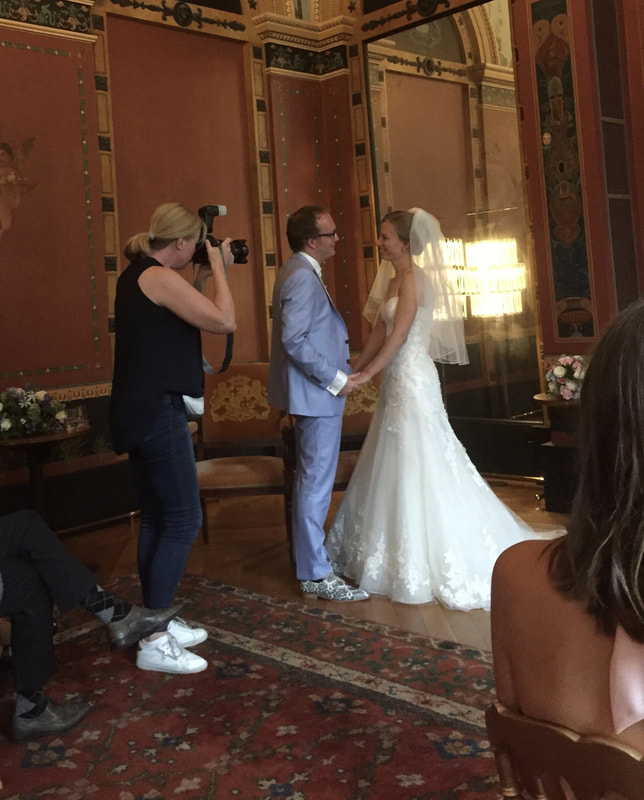
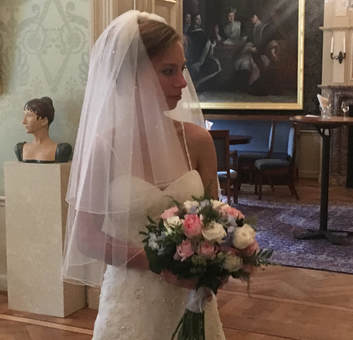
One of our key reasons for staying in the Netherlands into the autumn month of September was to celebrate the wedding of Lizette and Johan. Lizette is Jolanda’s niece – an accomplished violinist and music teacher, living in Utrecht. Lizette and Johan have been an item for some time now – and it was wonderful to hear, earlier this year, of their intended marriage.
Utrecht is a great little city in the eastern corner of the Randstad (basically the area capturing Holland’s four largest cities – the others being the Hague, Amsterdam and Rotterdam). It’s hard not to love Utrecht with its picture perfect canals, cobbled streets, daggy cafes and old buildings, some dating back to the middle ages. It’s also a place, which busts with students – Utrecht hosting the Netherlands’ largest university – which creates a youthful vibe to the place.
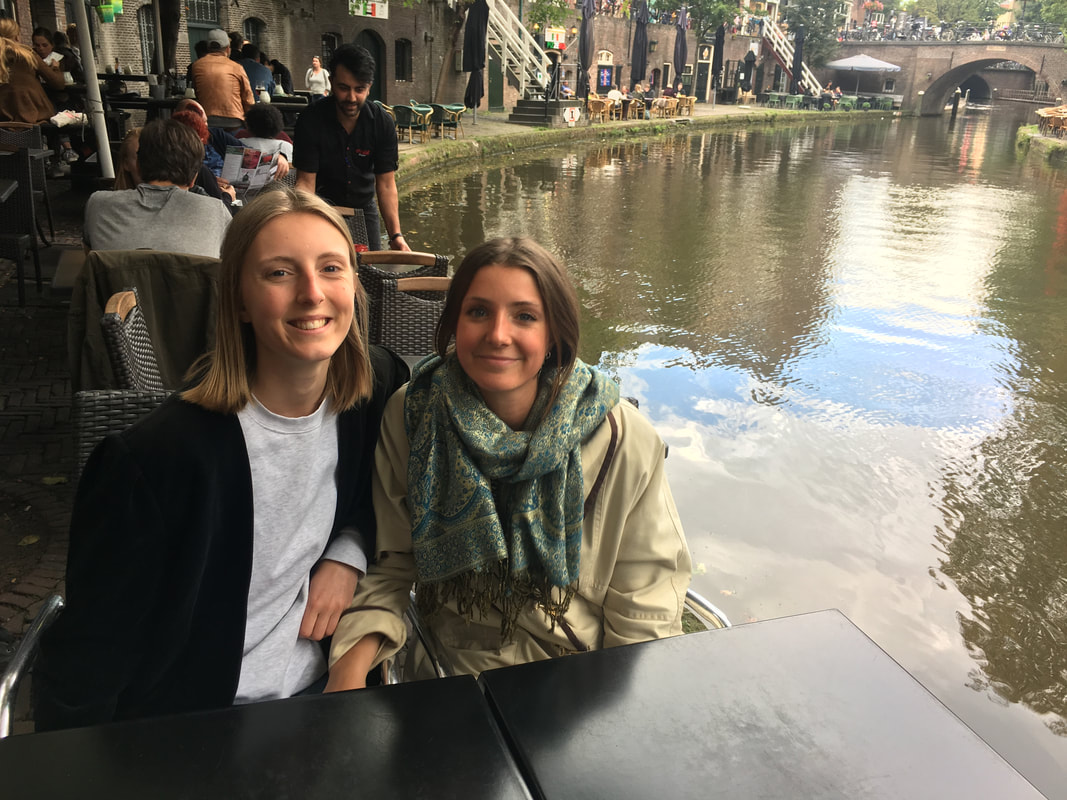
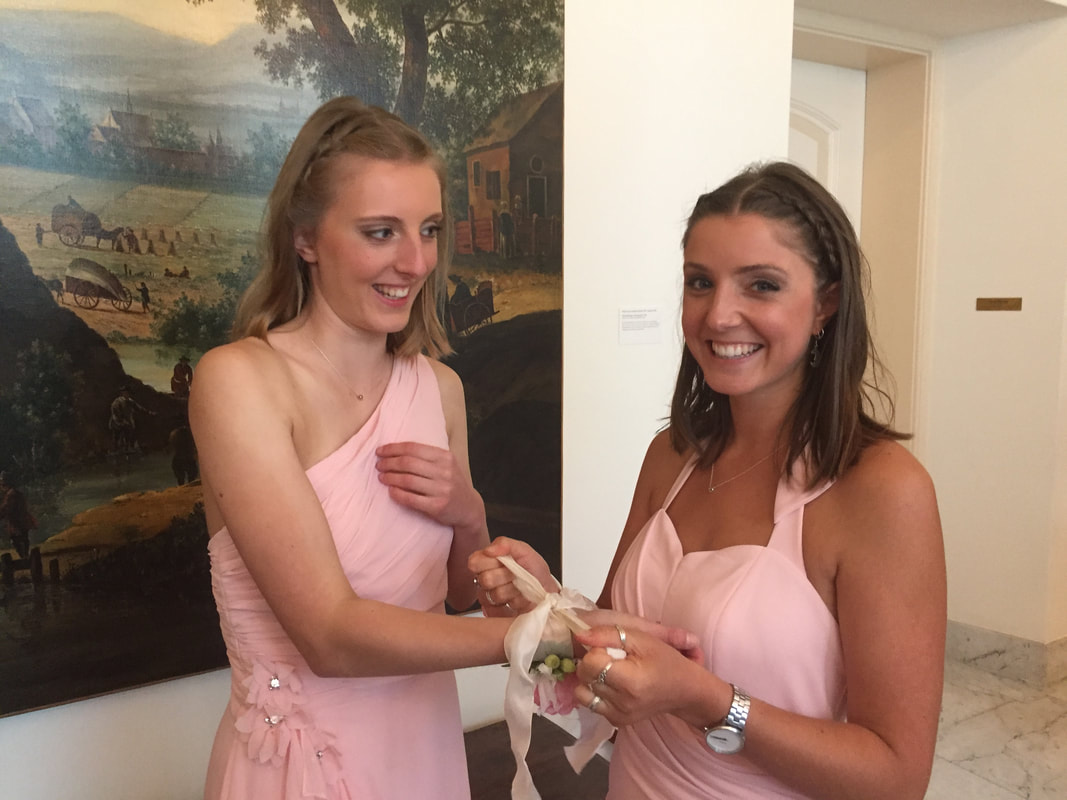
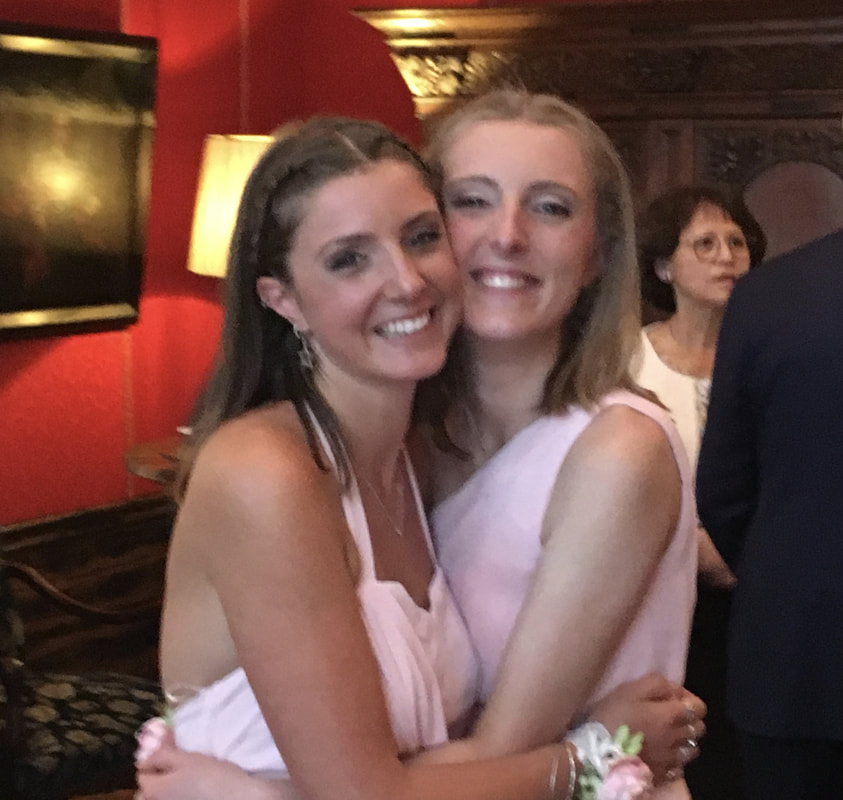
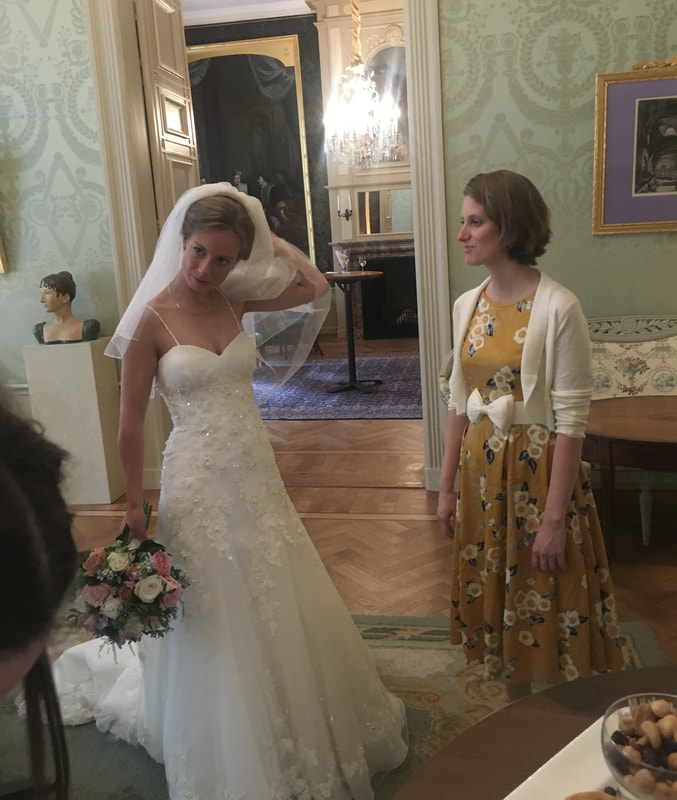
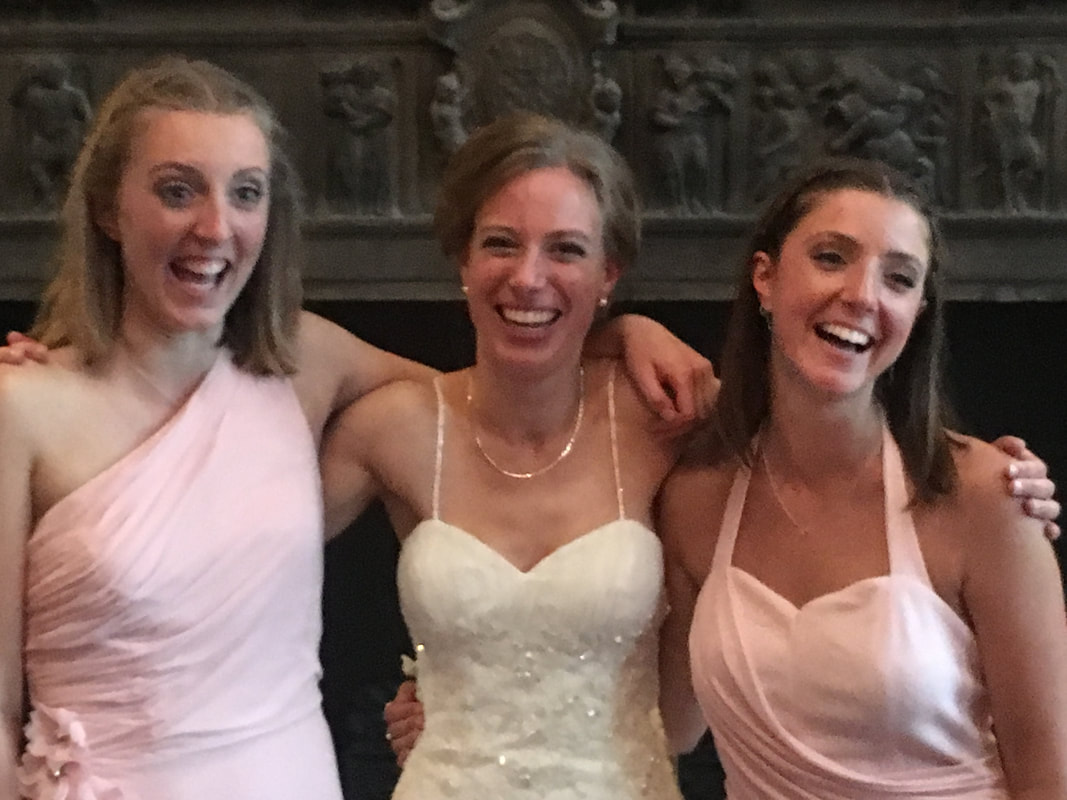
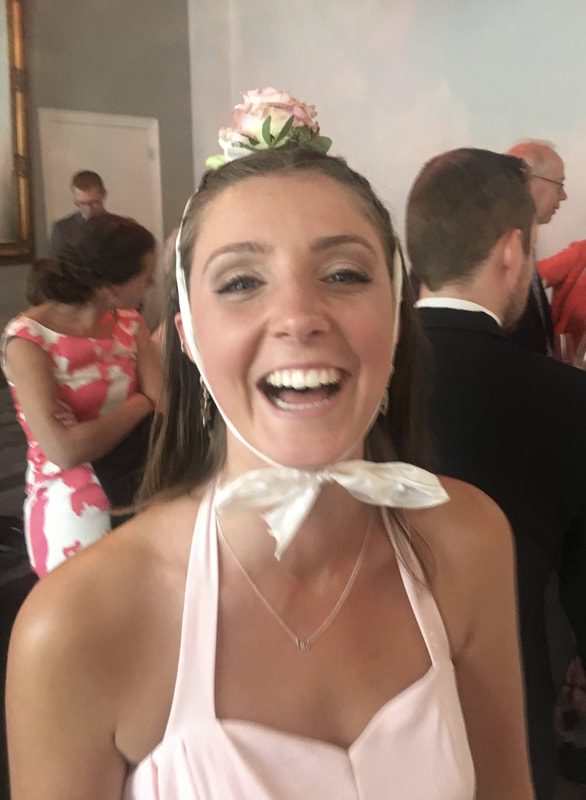
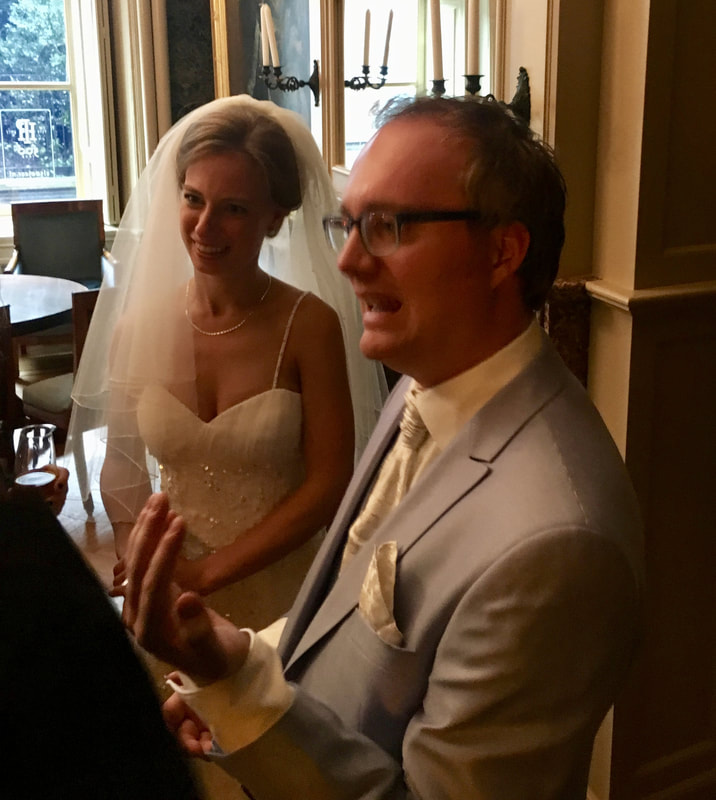
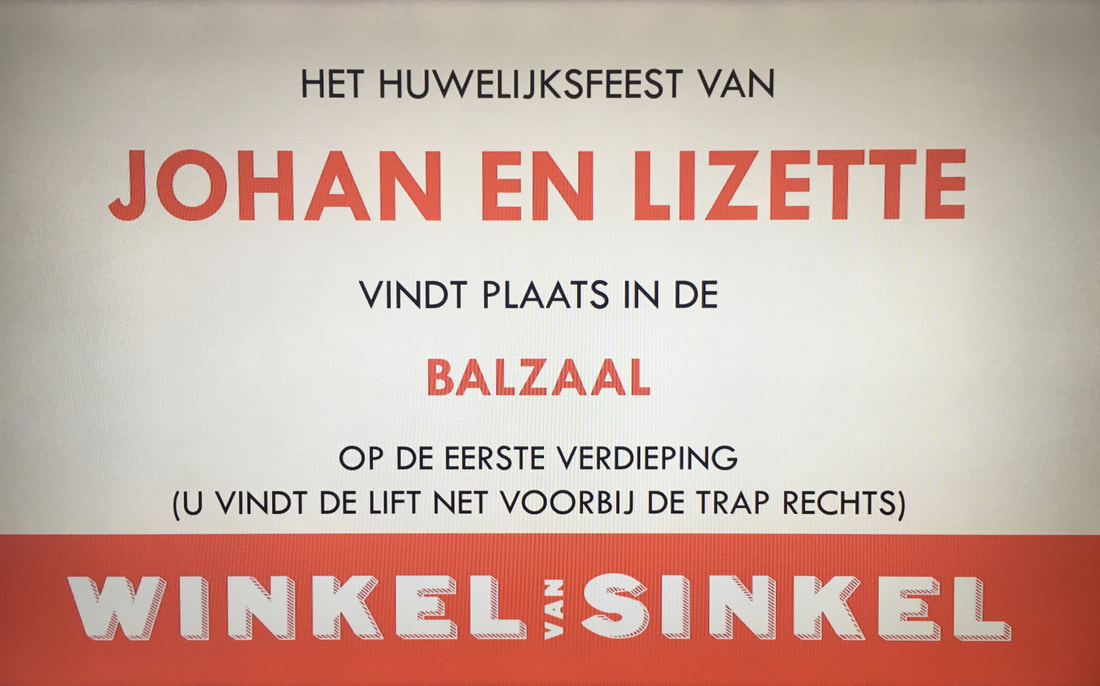
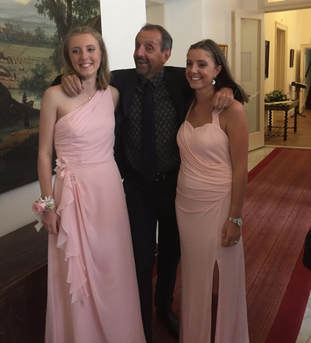
It was a magic day. Rained the whole time but I don’t think anyone really noticed or cared. The formal ceremony was conducted in the Paushuize – built by the only Dutch pope in the early 1500s but who curiously never lived there. Dinner (yes we were “A list” guests, just quietly) was in the Podium onder de Dom – the Dom being a wonderful old church with the tallest tower in the Netherlands – and the party in the evening was in the well-known (well in Utrecht anyway) Winkel van Sinkel.

Days 149 to 157: Finding the quietness of Ibiza
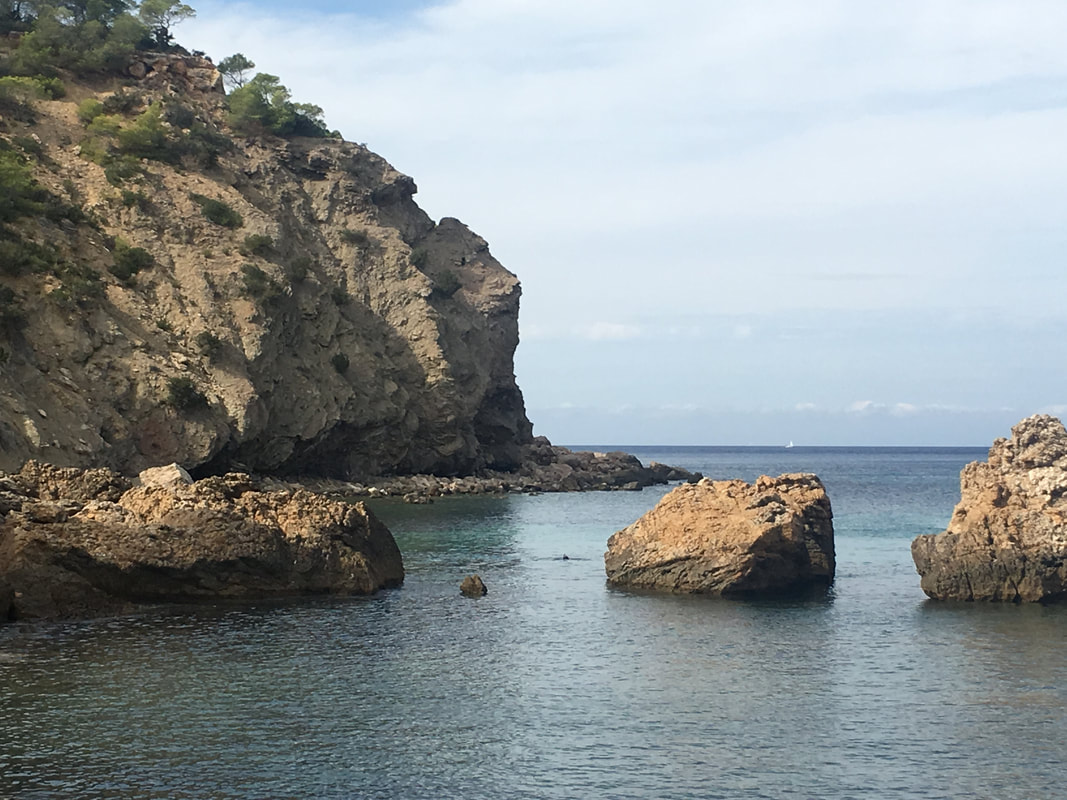
In any case, the majority of tourists who come to Ibiza are probably more concerned with which club they will party in and who they will score with. There are a lot of “roided up” boys (as Danielle describes them) and tanned girls here – after all, Ibiza has long been the Mediterranean’s party island. Interestingly an article in the UK Express just yesterday suggests Ibiza is losing its young reputation as a party island to the Greek islands while older travellers are taking over Ibiza. Ha . . . !
Flights to Ibiza roll in everyday from European cities. Our flight from Amsterdam took 2 and a half hours and we landed late afternoon to a balmy 28 degrees. Seven million tourists a year come to Ibiza – which seems a huge amount for such a small island. In comparison, New Zealand welcomes 3-4 million tourists per year with that number projected to reach Ibiza proportions by 2030.
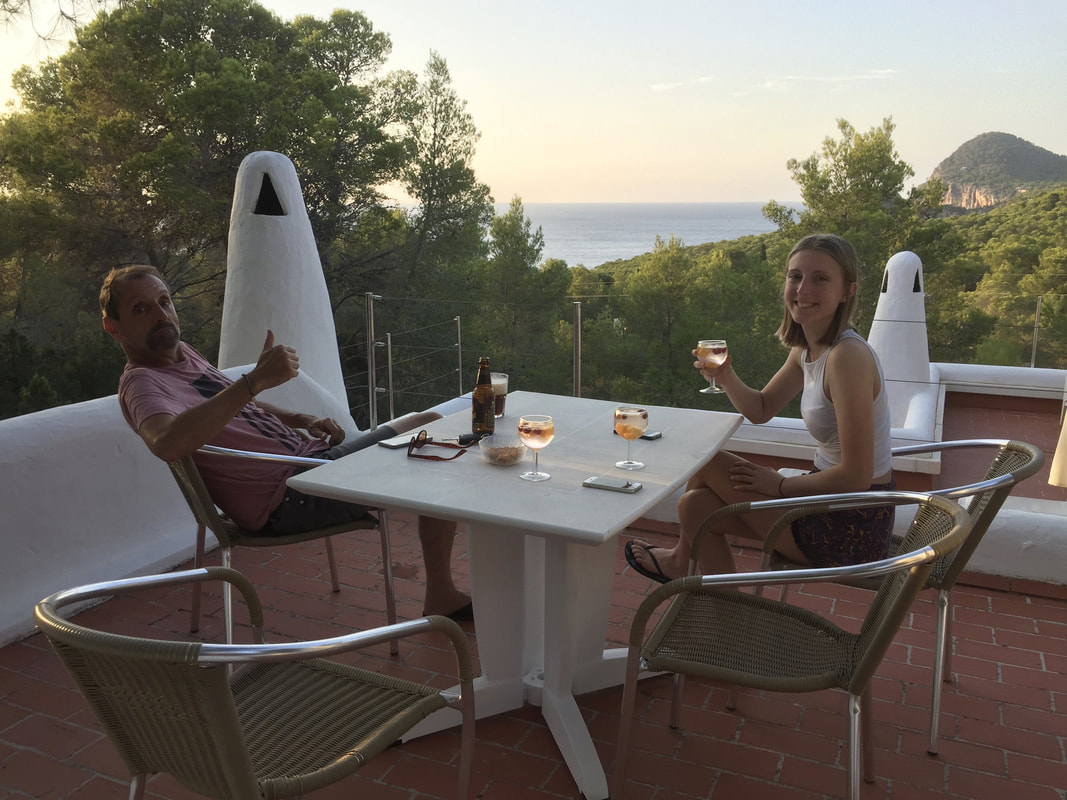
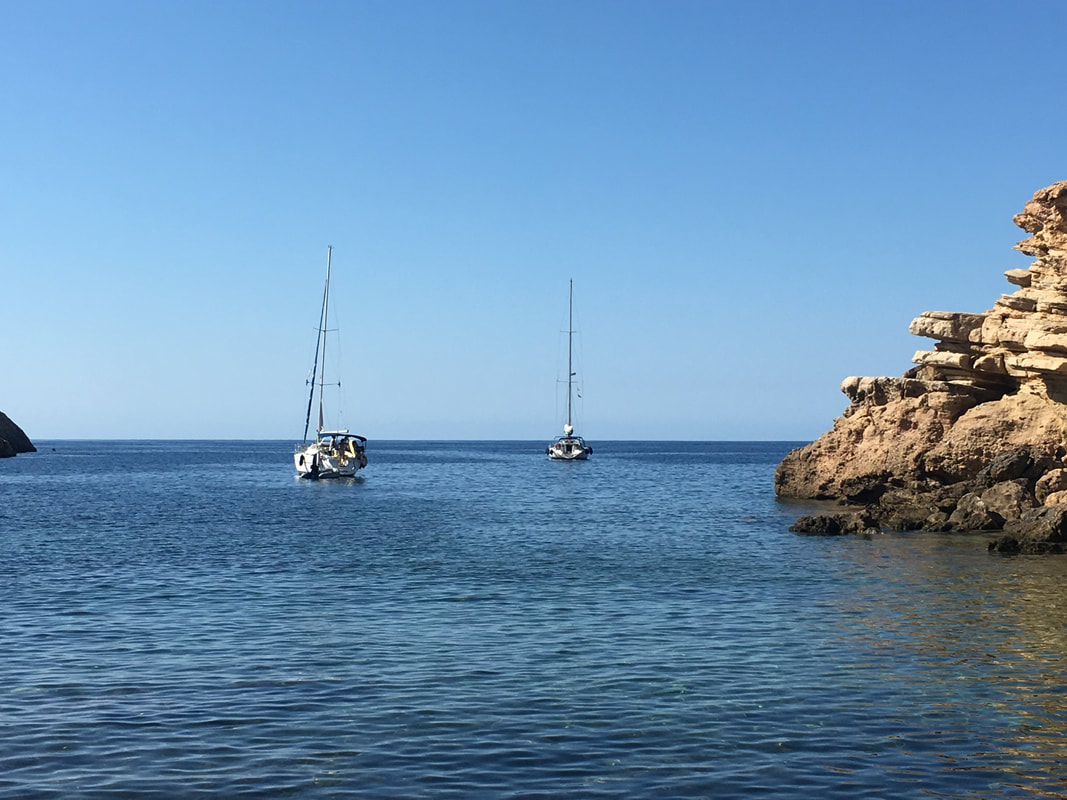
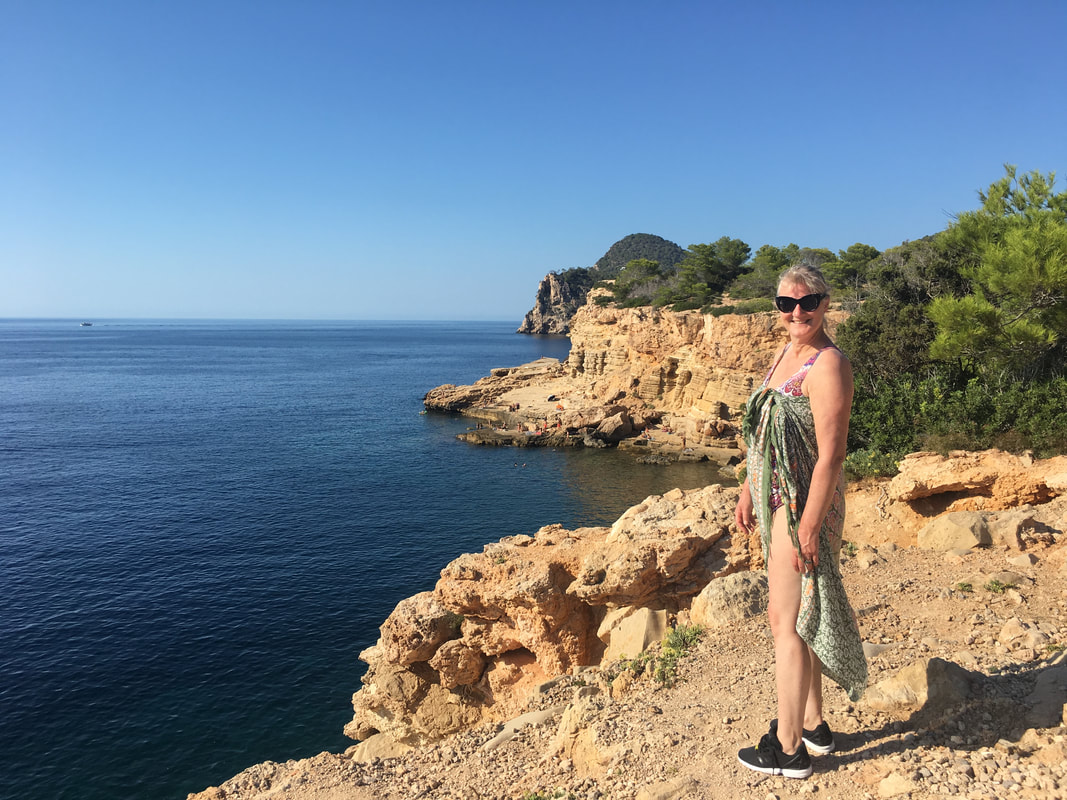
Our villa for the week was just your quintessential Spanish design – lots of white plaster and stone, set in the midst of pine trees overlooking the Mediterranean. Just a beautiful and relaxing place to be. We decided to eat at home for the majority of our stay, and who wouldn’t with the views we enjoyed over breakfast, lunch and dinner. The local supermarkets are pretty good with reasonable choice but bugger all in the organic department.
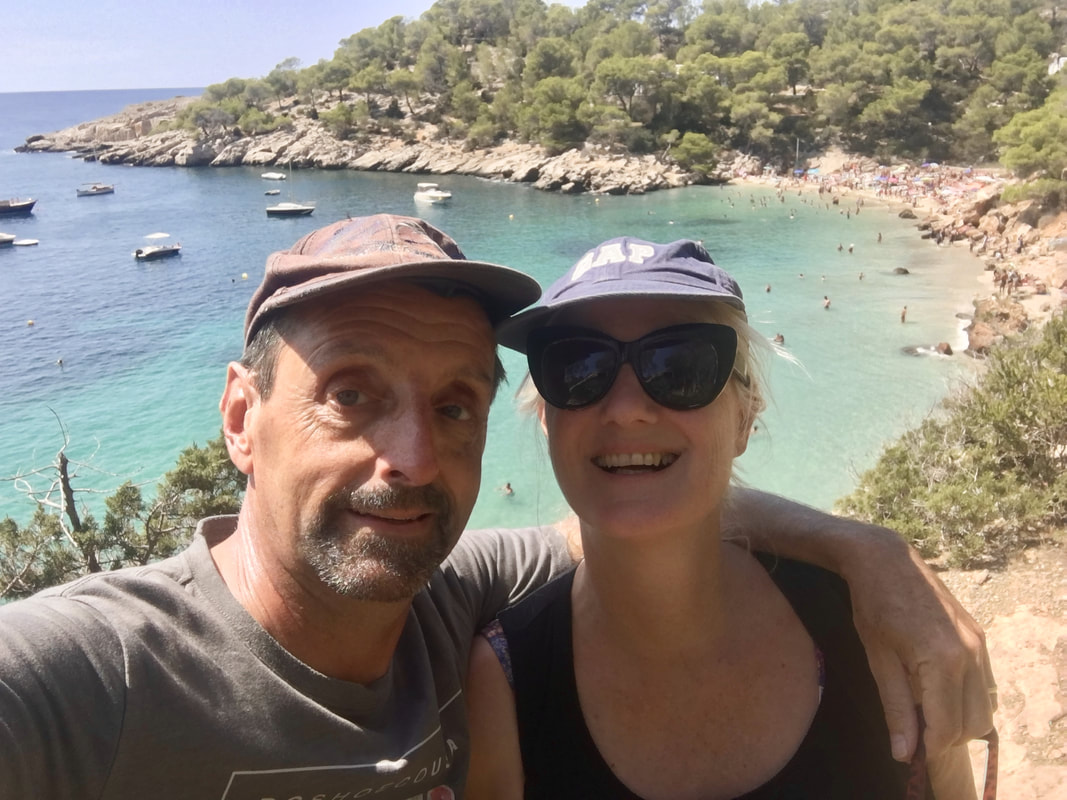
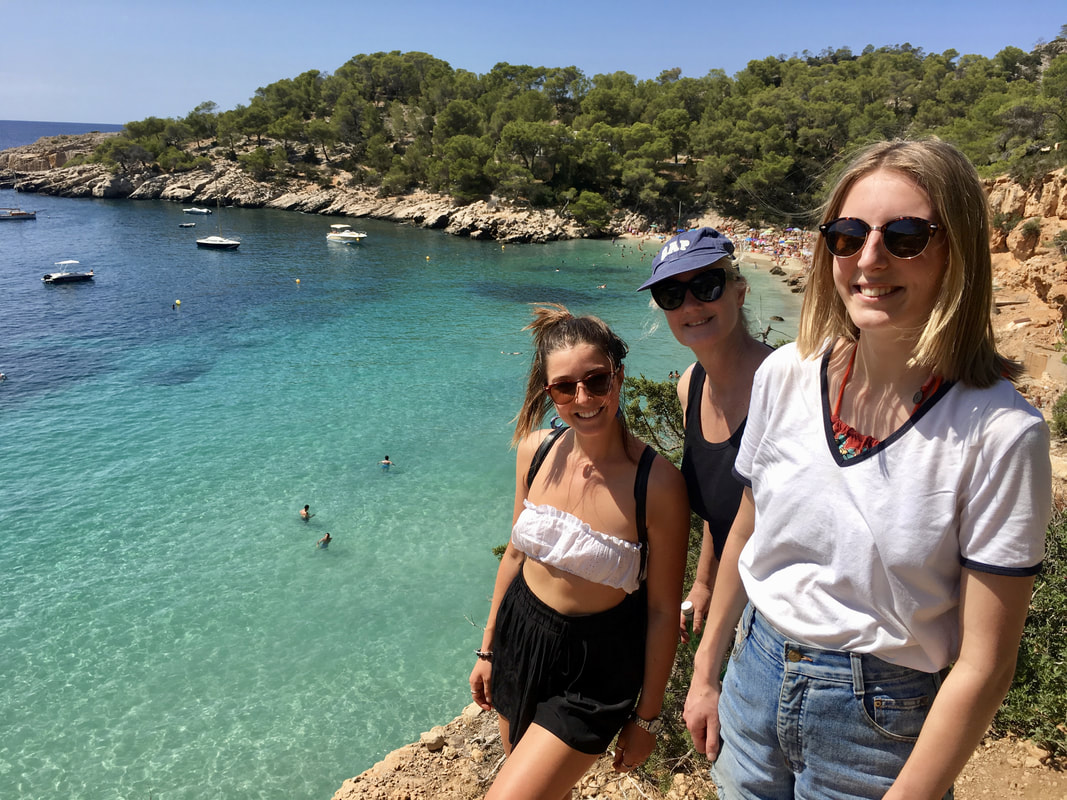
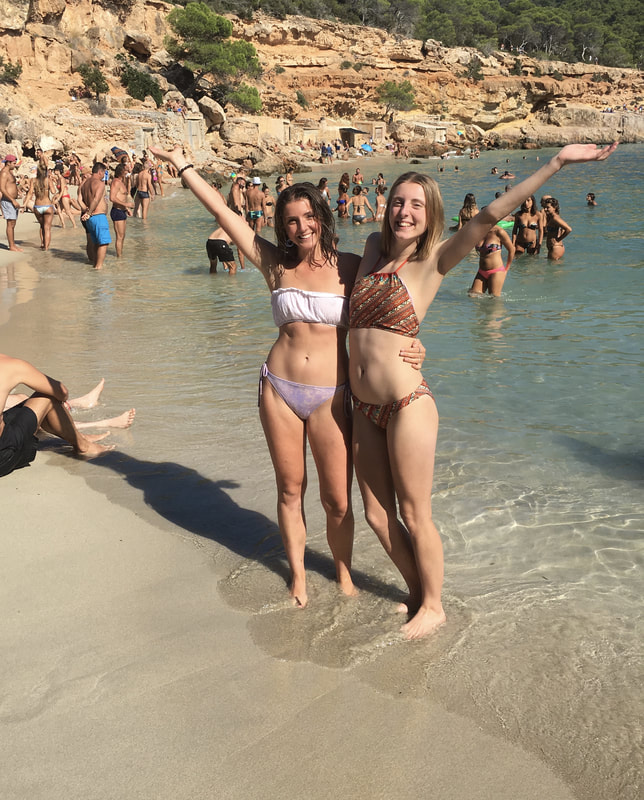
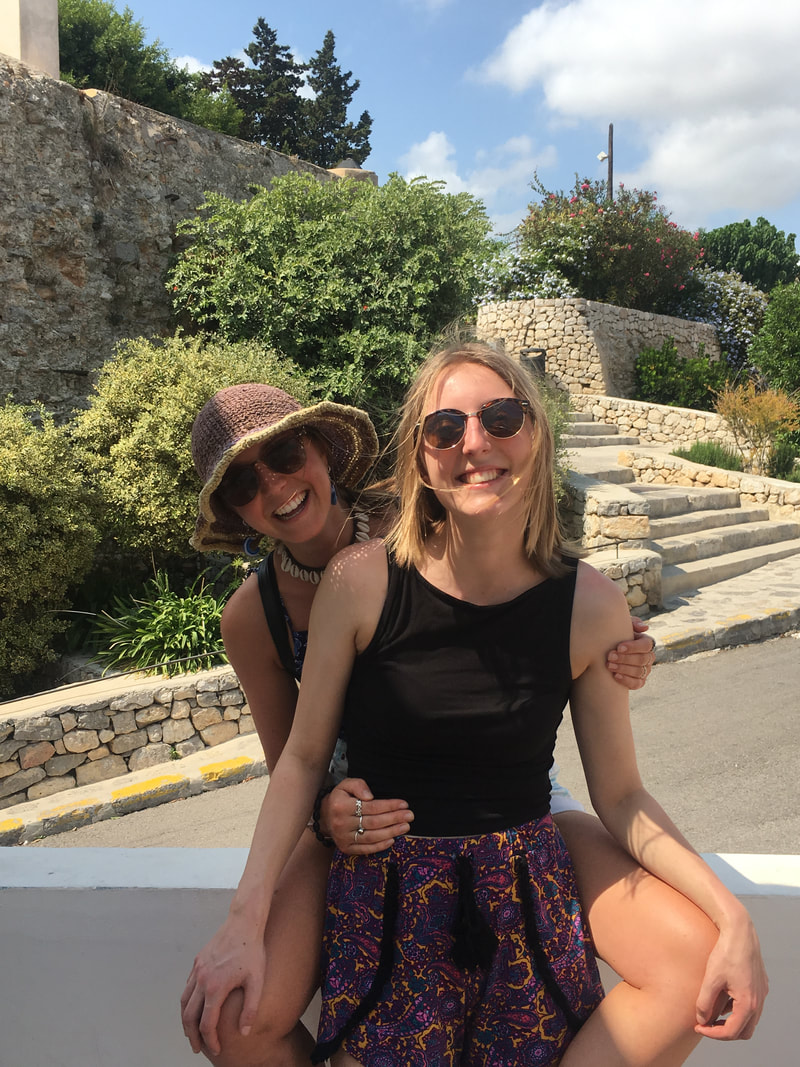
Highlights . . . well this place doesn’t want for good beaches, it’s just a case of finding one that isn’t packed. Our first try was Cala Salada – 5 minutes drive from our place. Well its 5 minutes drive if the road isn’t blocked which meant we had to park about 1.5km away and walk. In fairness this tiny beach is rated one of the best in Ibiza and it really lived up to its billing – beauty wise. Crystal clear waters, white sand and loads of rocks to jump off. Jo and I were sooo far over the average age – it was almost like a beauty contest for tanned twenty somethings.
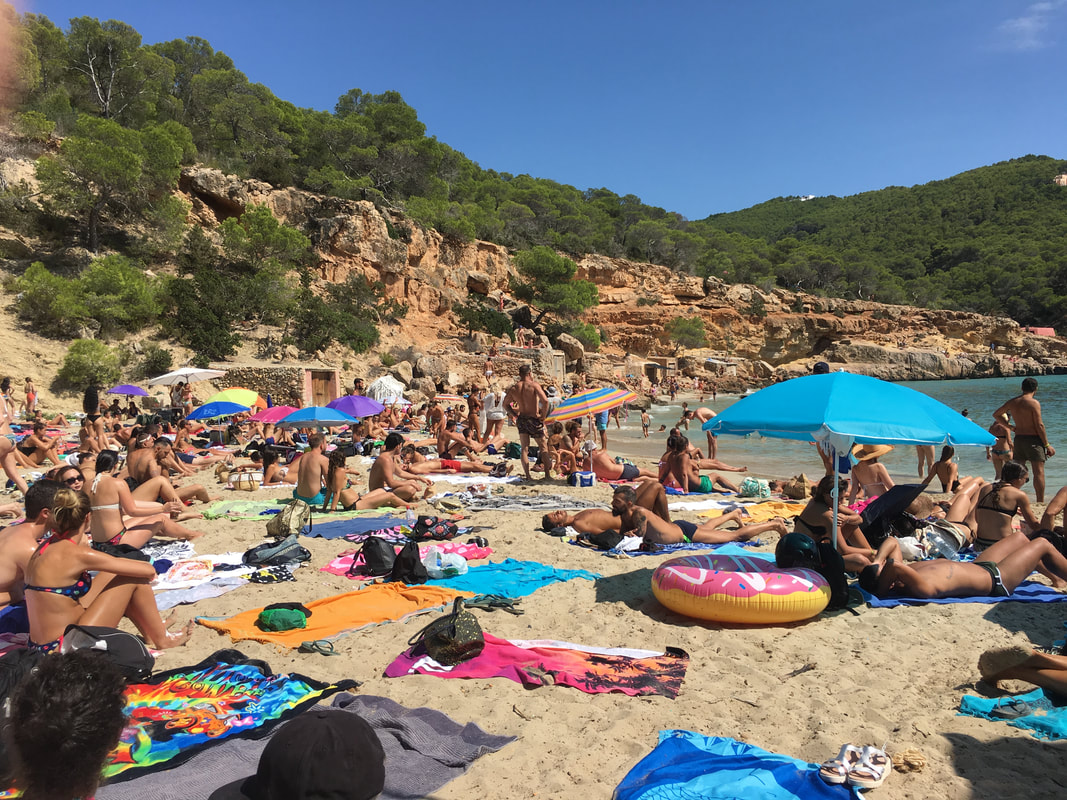
Now in the plane heading back to the Netherlands where apparently it is pissing down. Looks like I will have to wait a bit before parading my new tablecloth at Scheveningen beach . . .
Days 111 to 119: In the middle of Scottish nowhere . . .
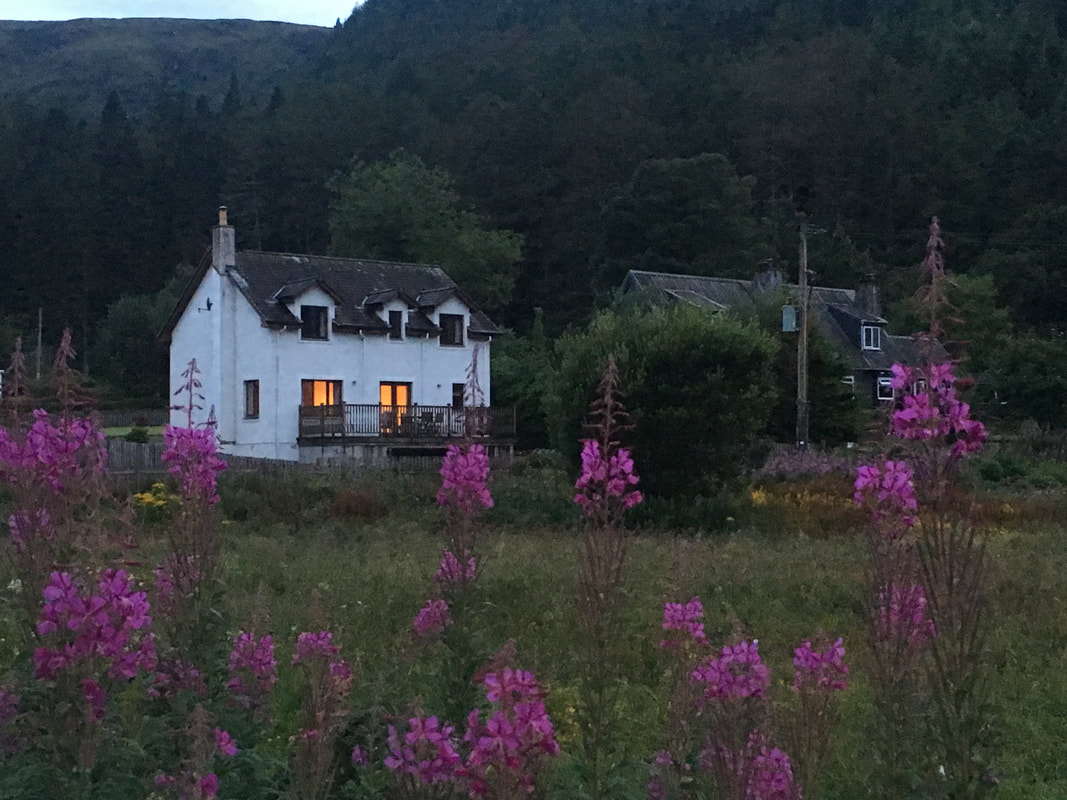
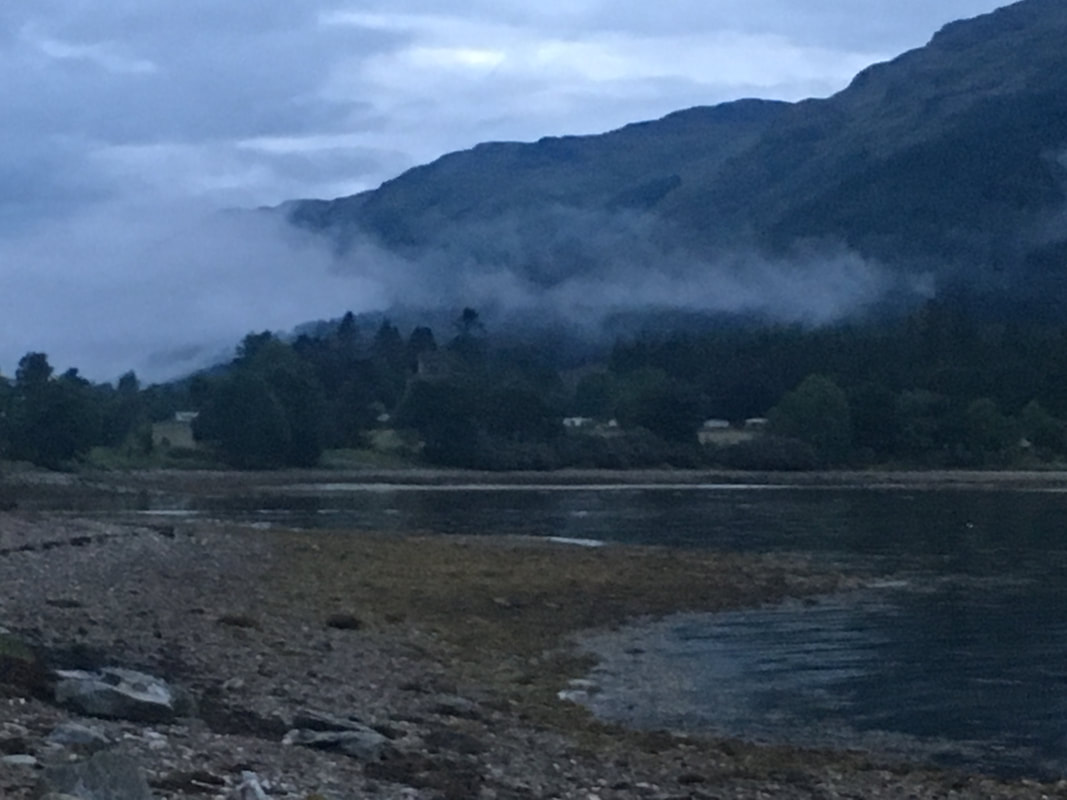
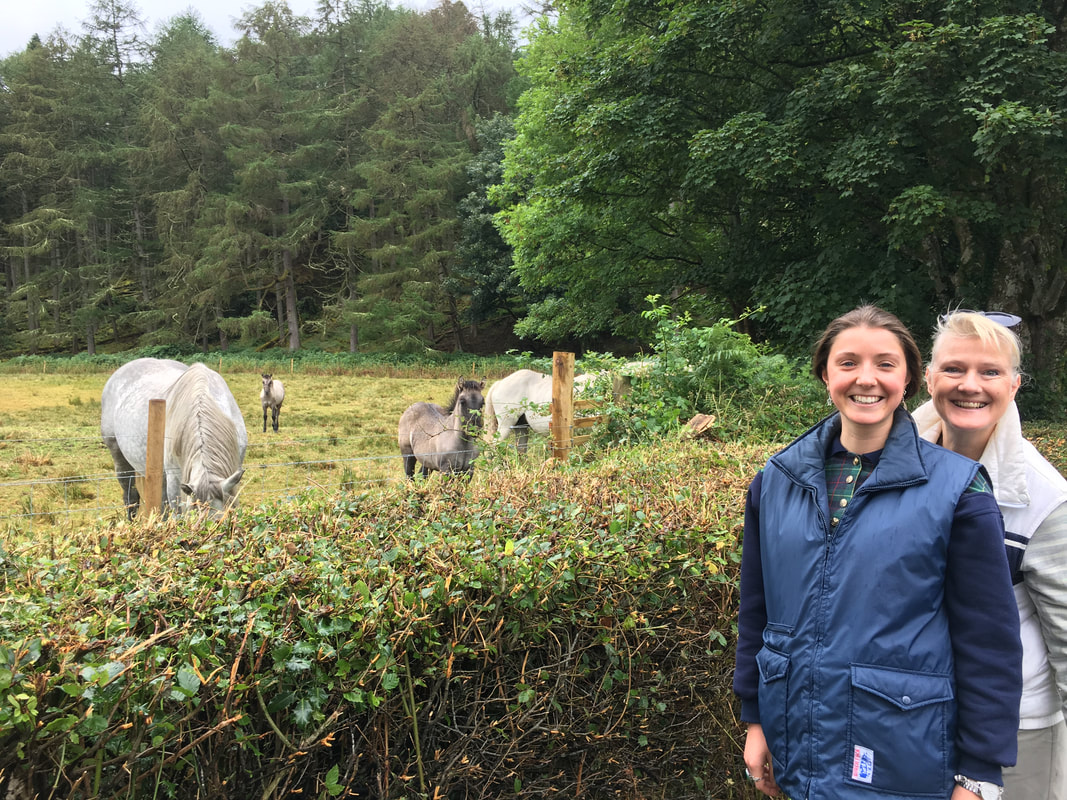
From Schiphol in Amsterdam the three of us (Danielle included) flew to Edinburgh and then on by rental car to a place called Ardentinny. I know – I never heard of it either . . . a tiny village situated on the shores of Loch Long in Western Scotland. It’s within the boundaries of the Trossachs National Park. Quiet, beautiful and serene – just what we were looking for.
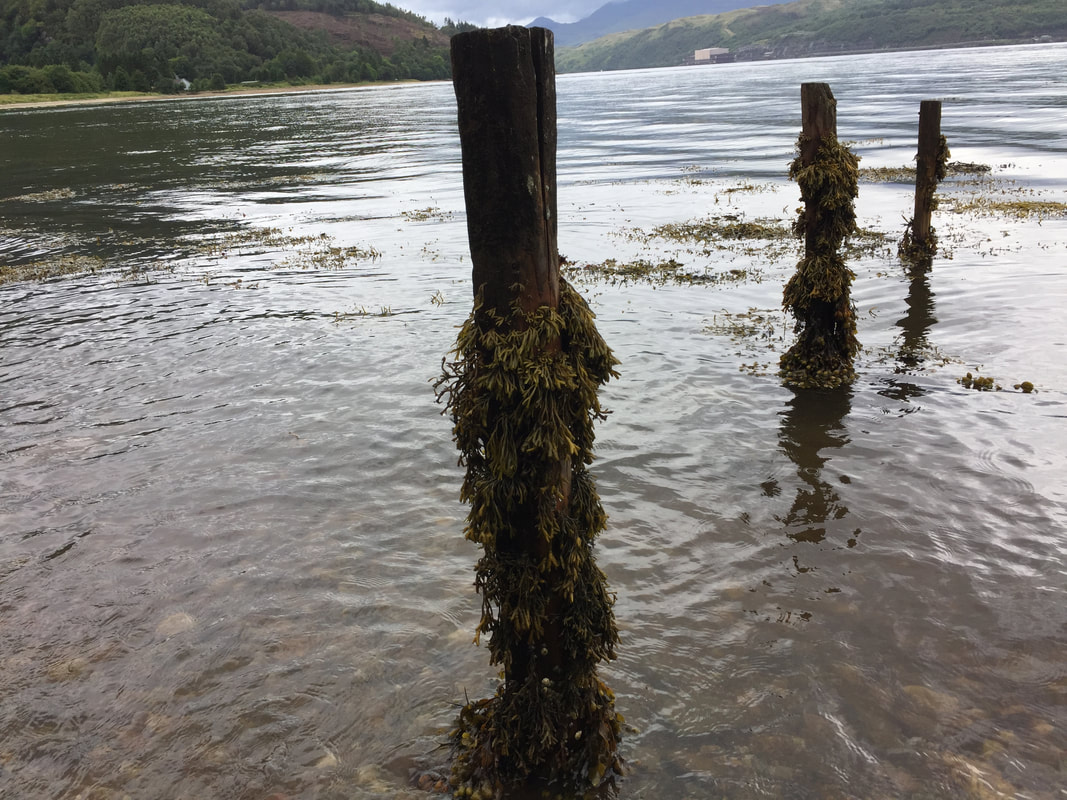
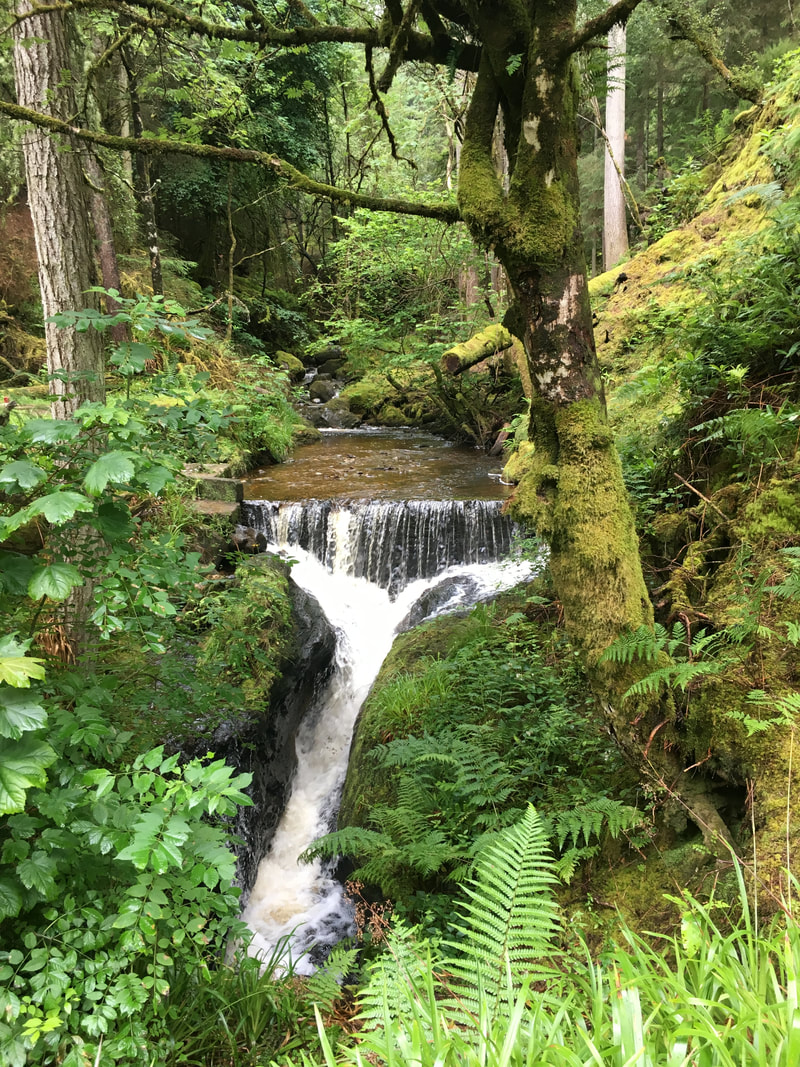
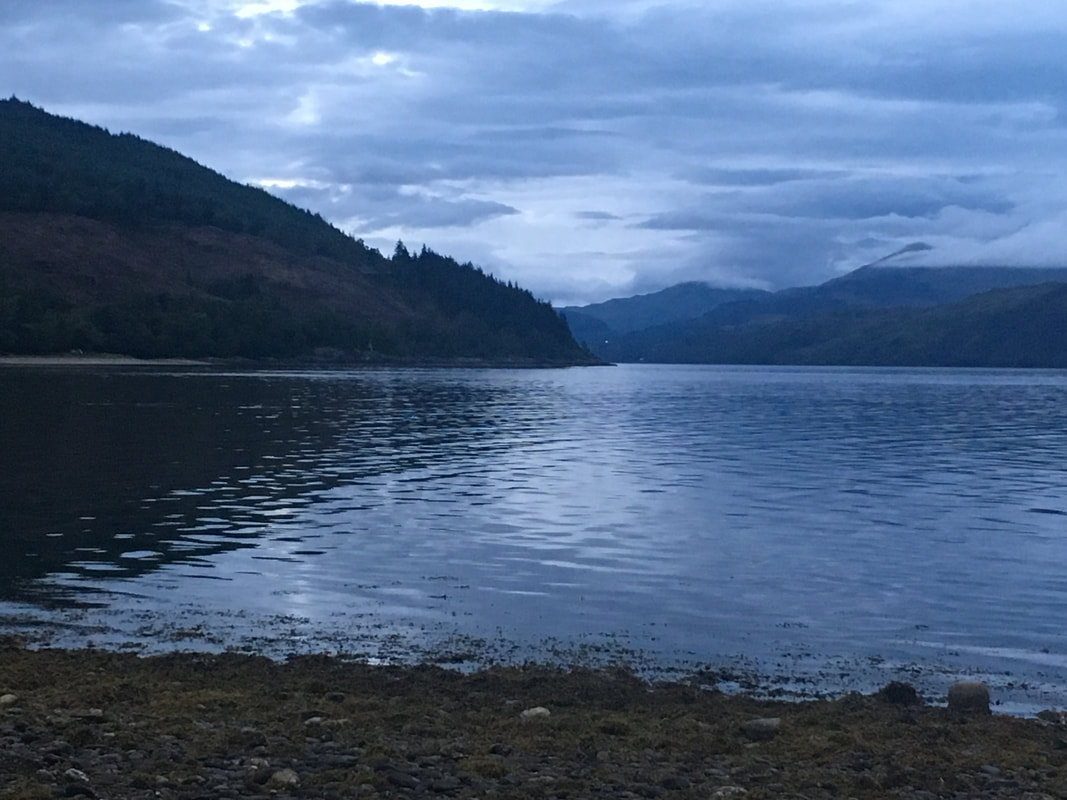
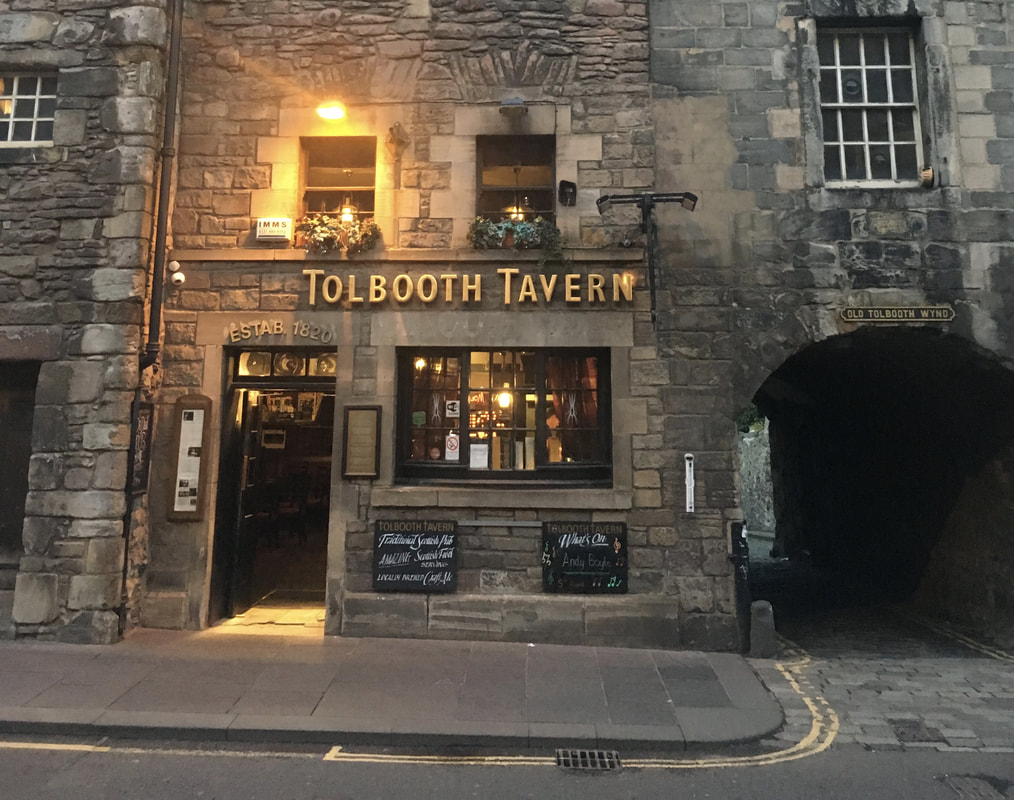
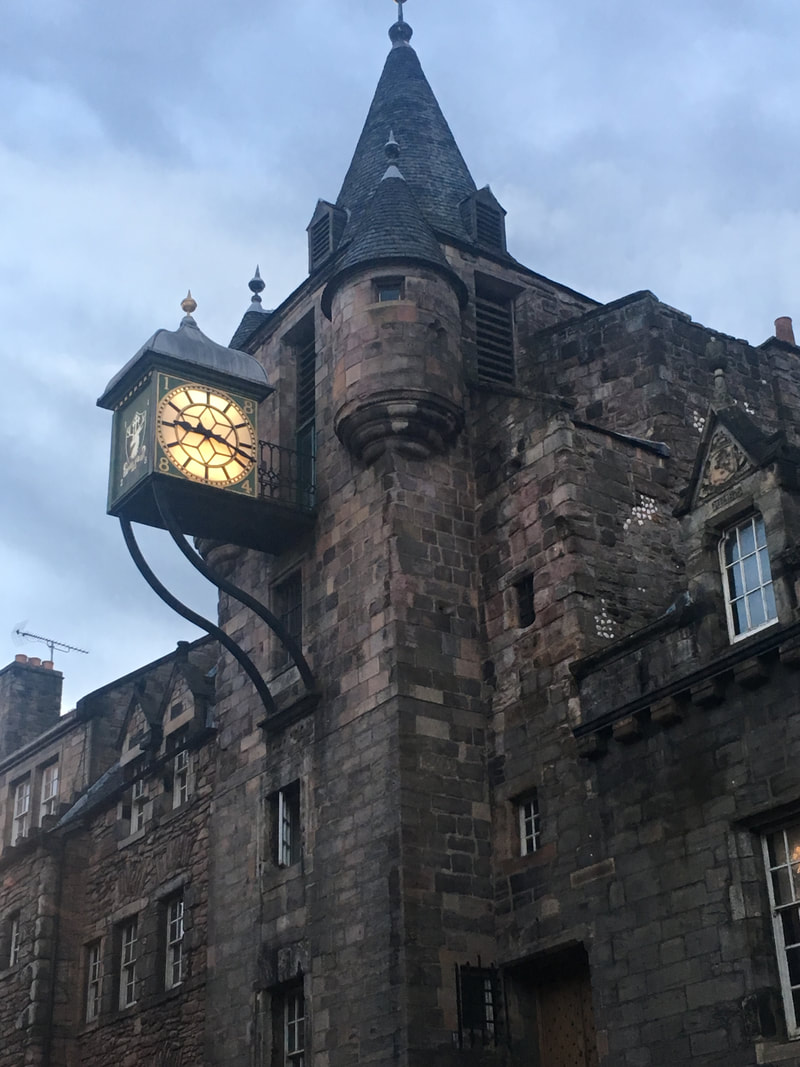
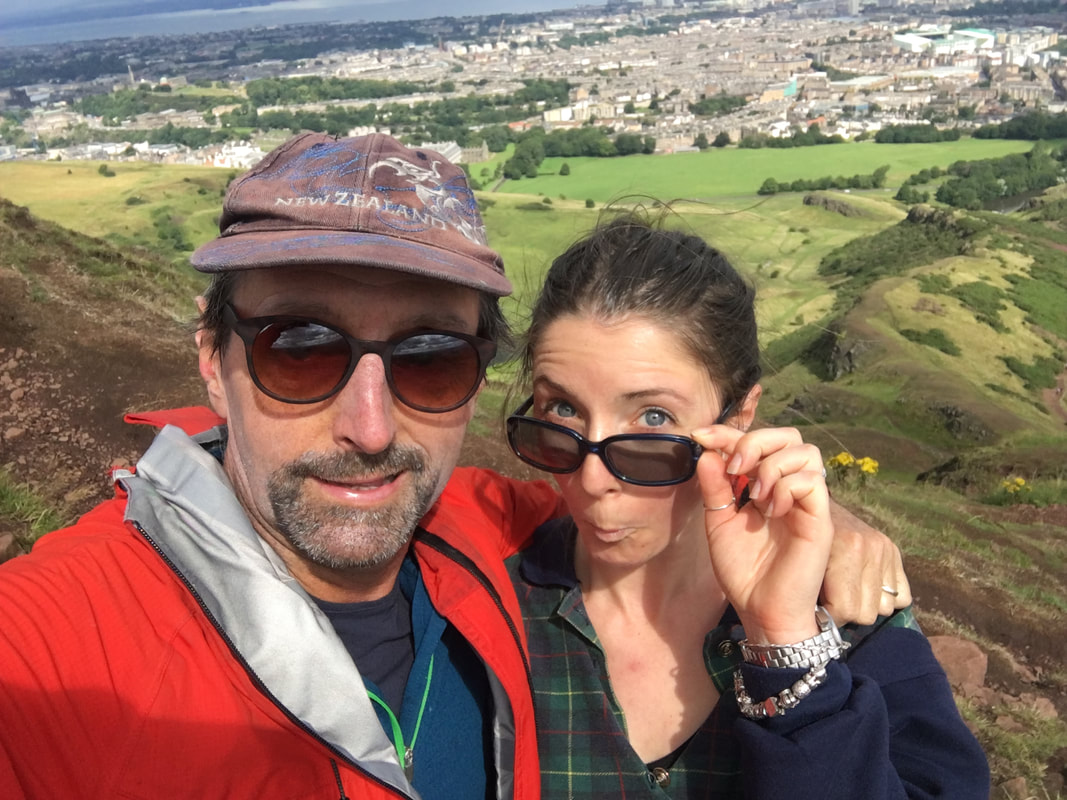
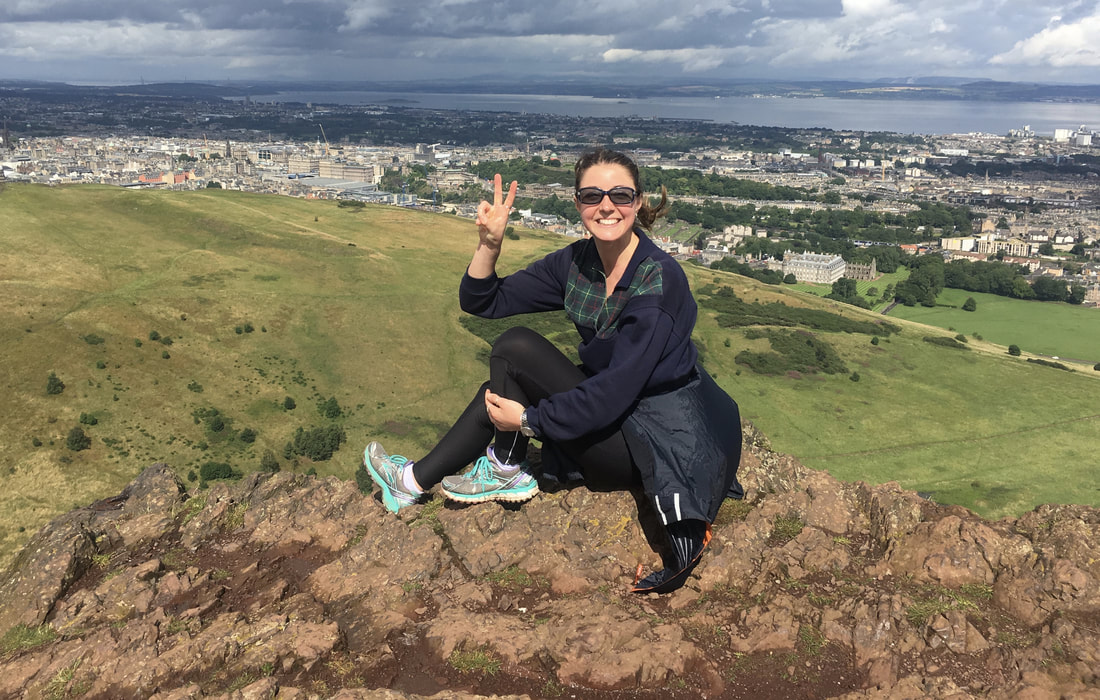
From tiny Ardentinny we drove to just about my favourite city in the world – Edinburgh. Booked an airbnb apartment smack back in the centre of old Edinburgh town. Turn left, walk 300m and you are at Edinburgh Castle, turn right and Holyrood Palace greets you. The place is just bursting with character. If you come to Edinburgh, don’t compromise and stay in the burbs . . .
Days 64 to 72: Sri Lankan beach hopping
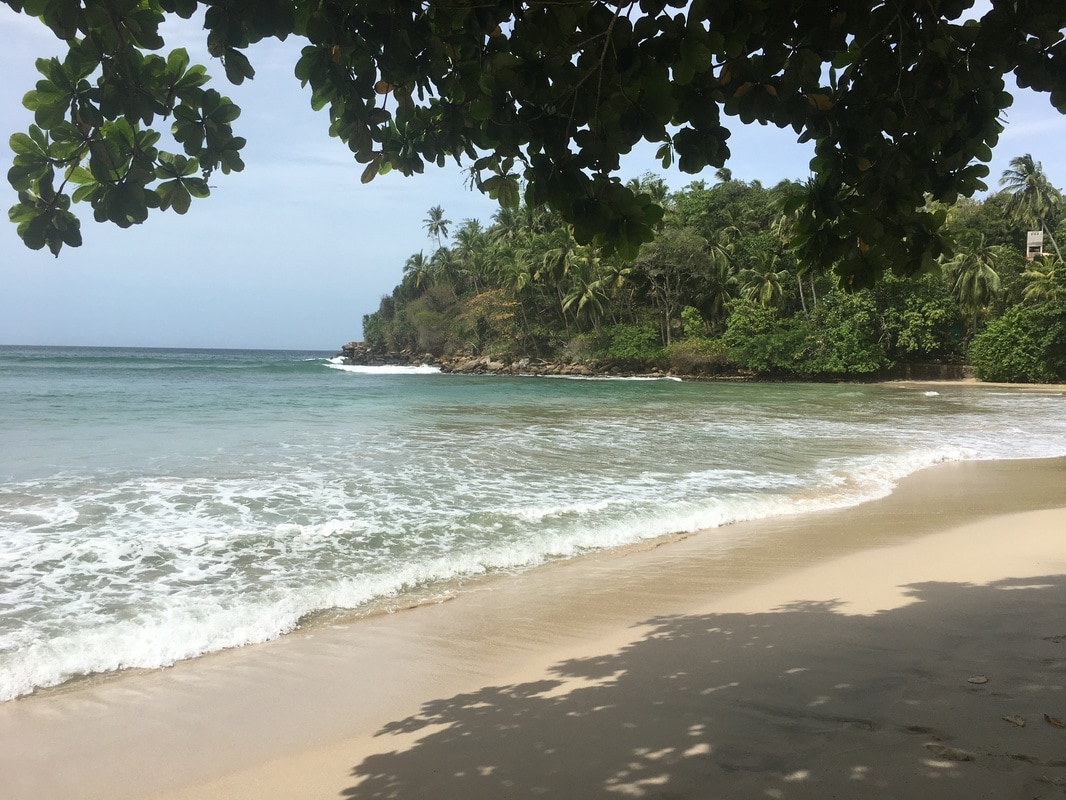
The big piece of advice for anyone travelling to Sri Lanka is to take the monsoon warnings with a grain of salt. Broadly speaking, the “Yala” monsoon season brings rain to the South and South West during May to August. The East and North Coast however is generally fine at this time – its turn to get wet is between October and January.
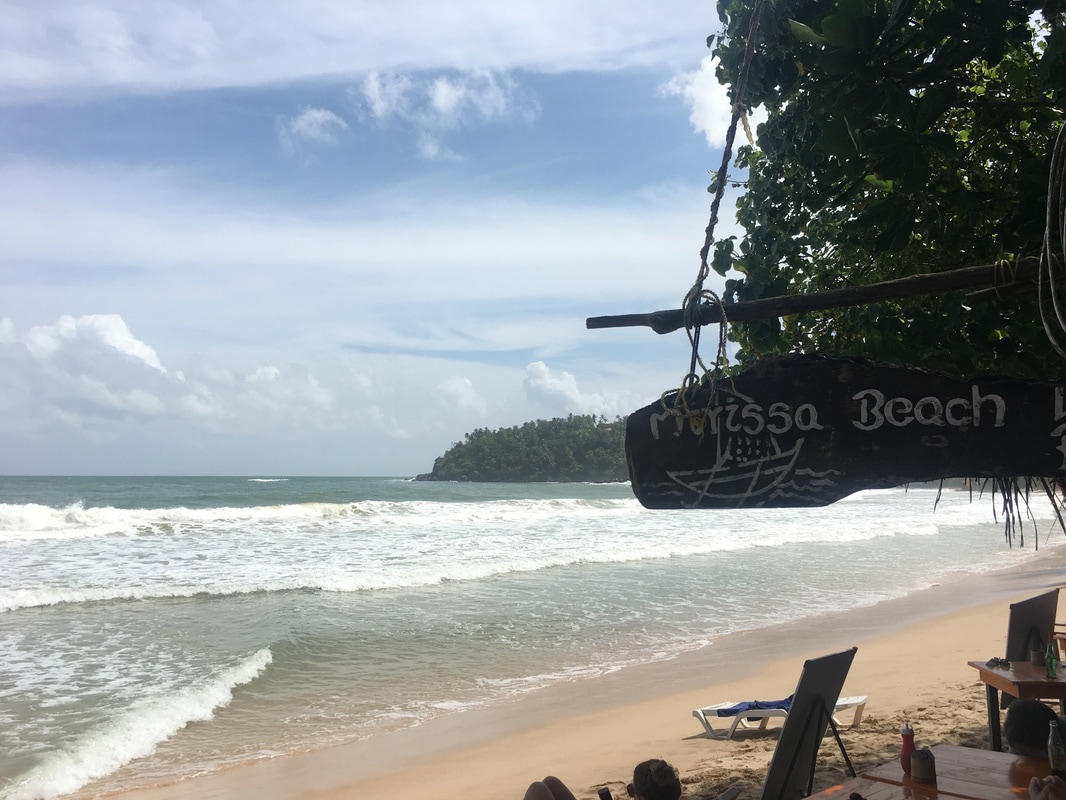
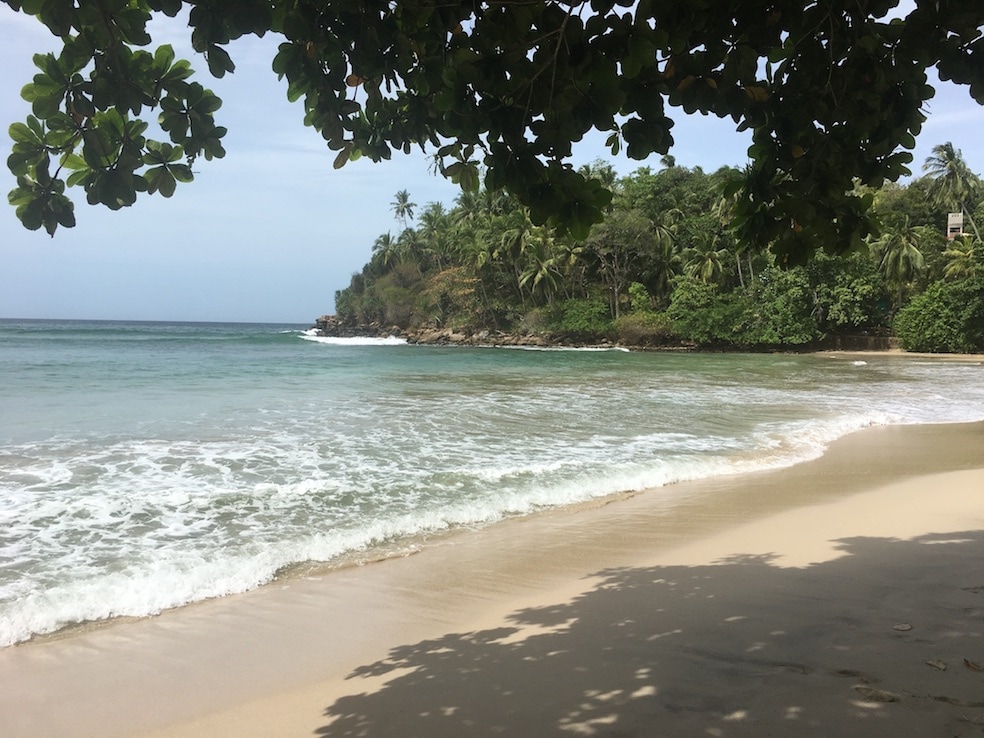
Well its mid Yala season now in the south and if this is bad weather, then I am a fish. Sure we have had a few interludes of rain and I wouldn’t want to downplay the torrential downpour the day in late May when we were in Galle, sadly responsible for the deaths of a number Sri Lankans caught in the wrong place at the wrong time. But generally speaking, we have had settled sunny weather with a constant sea breeze which has made things mercifully cooler. Probably the biggest downside has been the sea – quite rough and not for the faint-hearted swimmer, which makes being in a place with a pool an advantage.
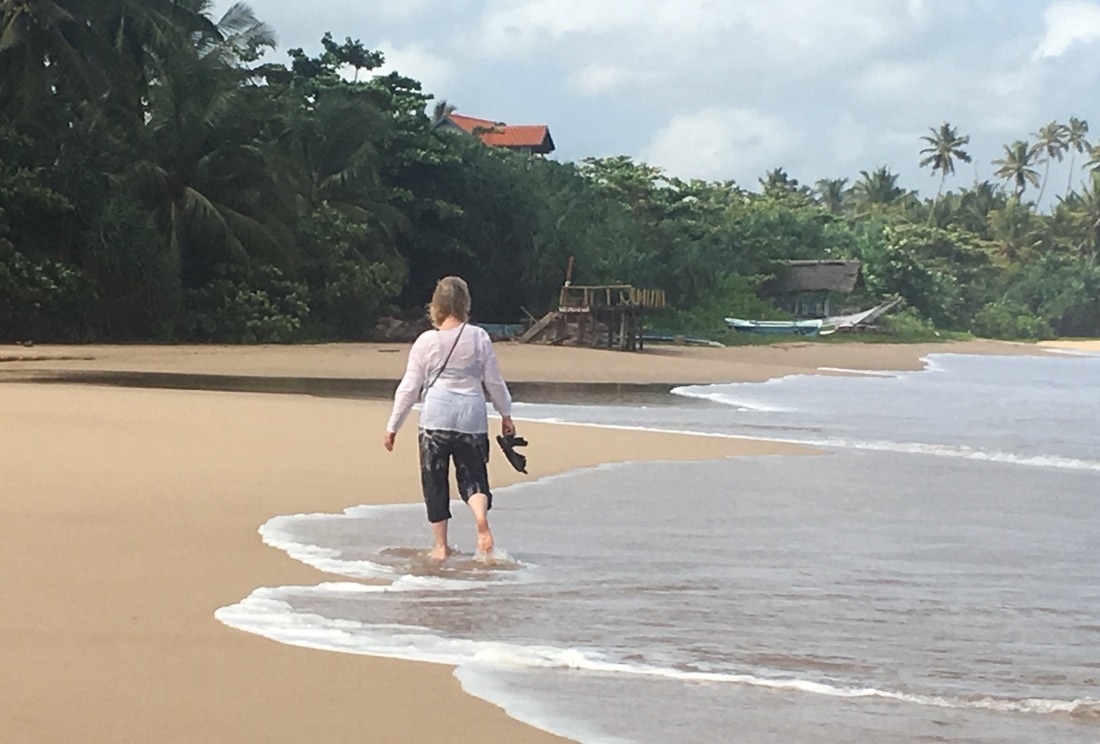
But what we hadn’t realised before we made our booking was how relatively empty of tourists the southern coast is at this time of the year. At Talalla (more on this beautiful spot next) we virtually had the beach to ourselves. We had the pick of hotels (although many hotels and restaurants do close down during the slow season) and probably saved about a third on accommodation costs. Maybe we were lucky with the weather, but I would recommend anyone to come to Sri Lanka’s south coast at this time of the year.
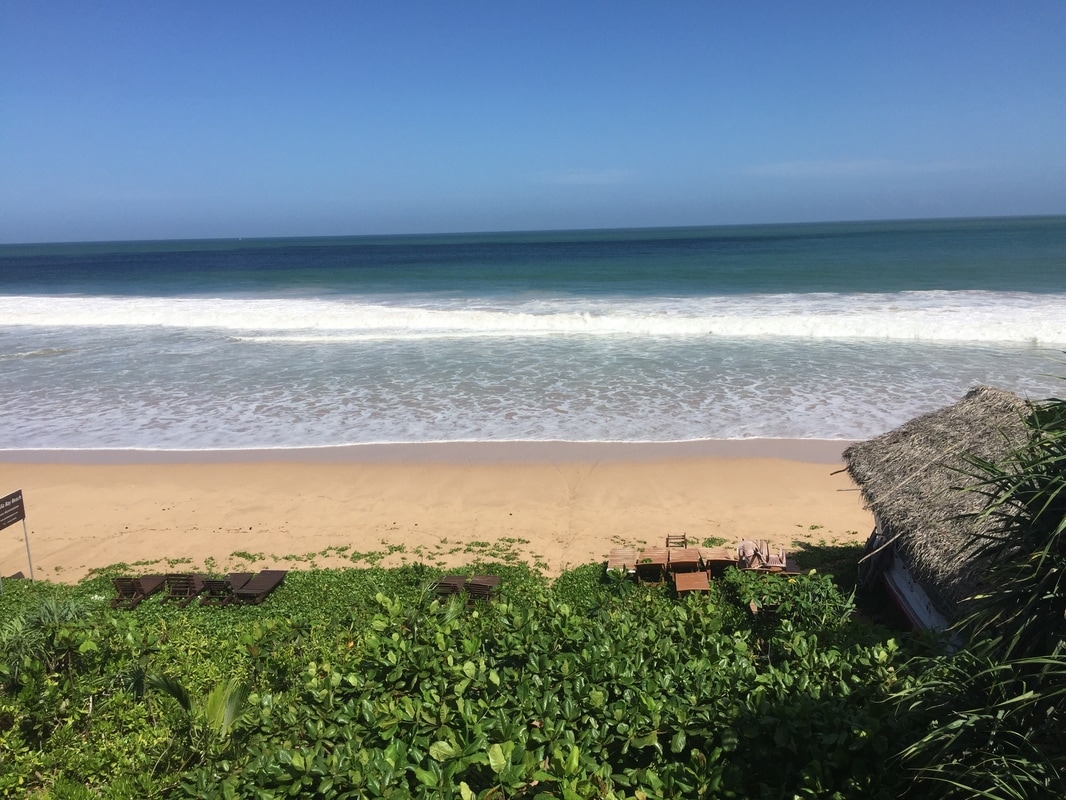
Well I have to say I agree with Natasha’s assessment – its just stunning. A beautiful bay ringed by lush vegetation – its unspoilt and virtually undeveloped. We treated ourselves and stayed at Talalla Retreat on the western end of the beach – it is by far the best beach resort I have experienced anywhere. The grounds were spacious and park like and our second story room had no windows – completely open to nature aside from bamboo blinds. We woke and sat on our front deck watching the sea and wildlife (peacocks, squirrels, monkeys and many types of weird looking birds).
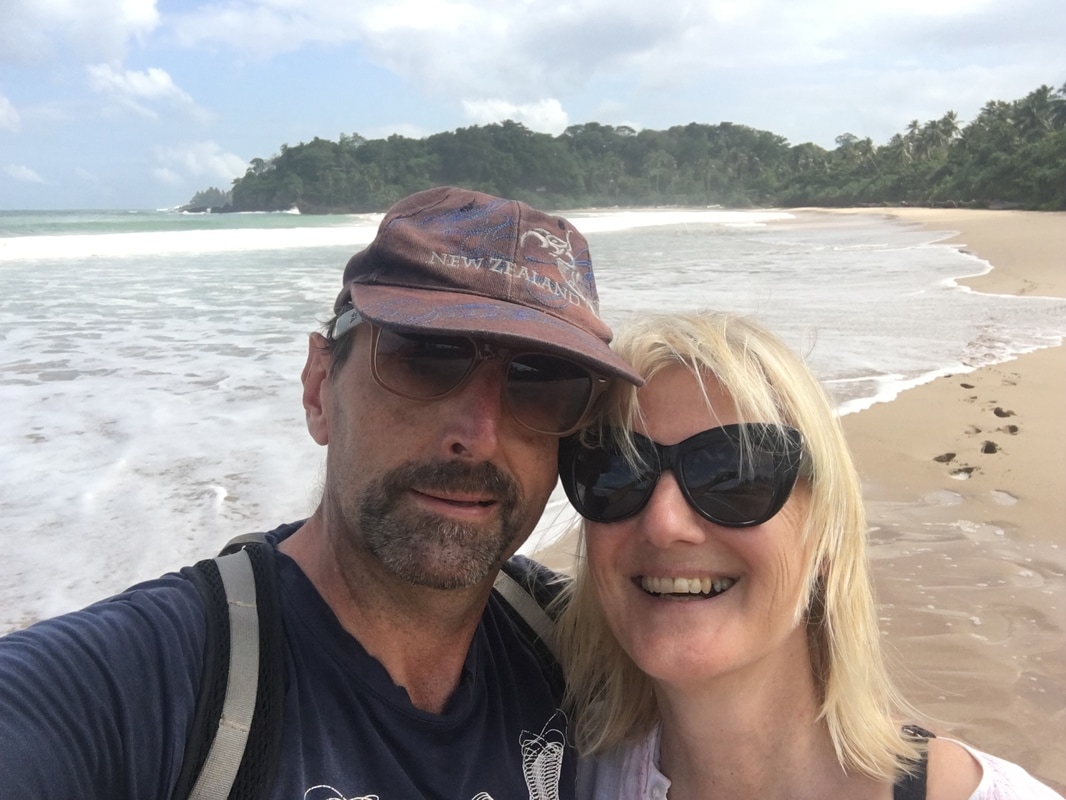
Yes I know – pretty spoilt and worthwhile reflecting on how fortunate we are. The average monthly salary here is around US$150 while the minimum monthly wage is $US65 (about $2.60 a day). Not that you would know that based on the character and kindness of the people here. Just makes you think . . .
Days 55 to 63: Panchakarma at Dickwella, Sri Lanka
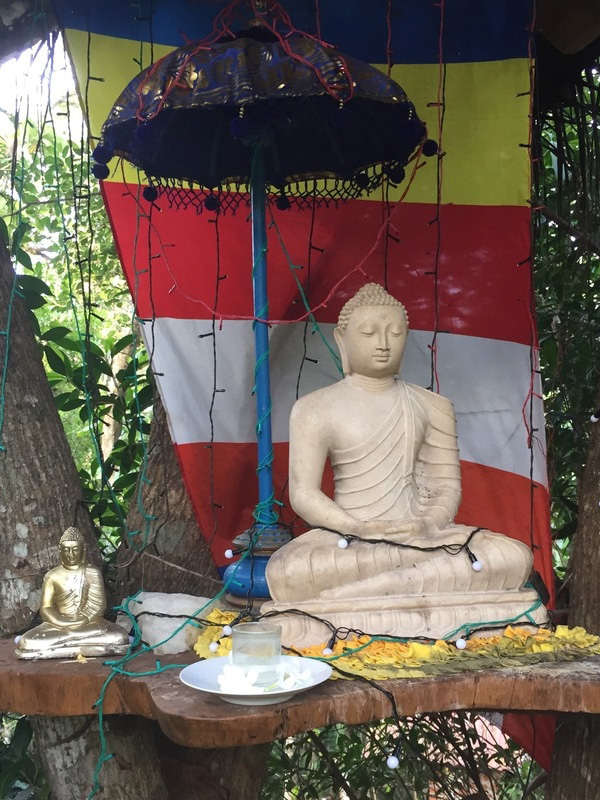
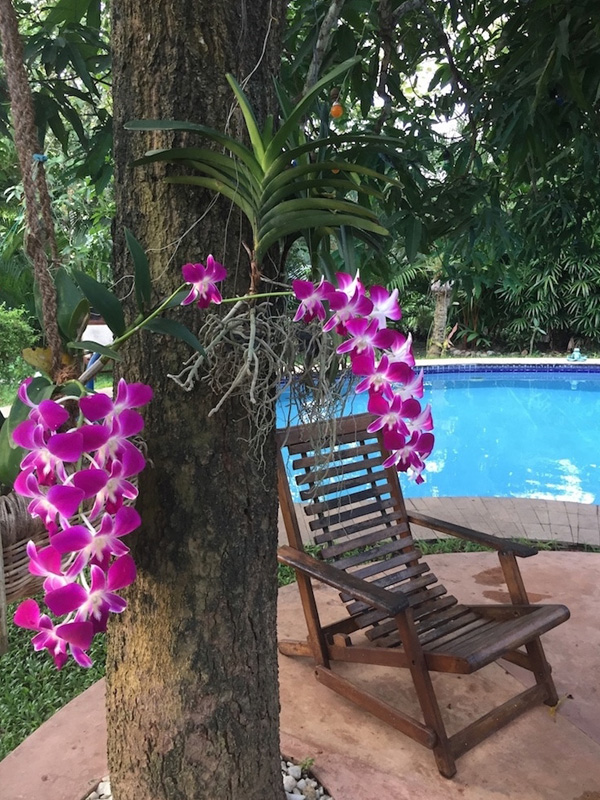
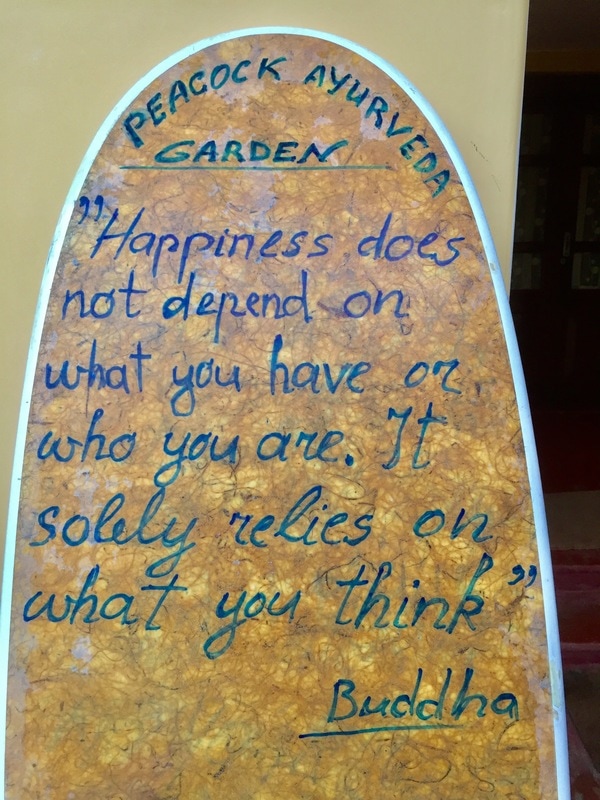
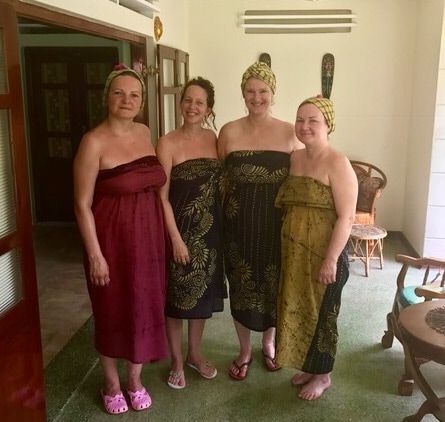
Our days involved up to 7 treatments – full body massages, steam baths, steam inhalations and a range of other goodies. My favourite was Shirodhara, a treatment that involved warm oil slowly cascading onto your forehead. It’s just incredibly relaxing – good for stress and even apparently prevents premature greying of the hair. Well I’m not sure that’s worked on me yet – maybe it takes time . . .
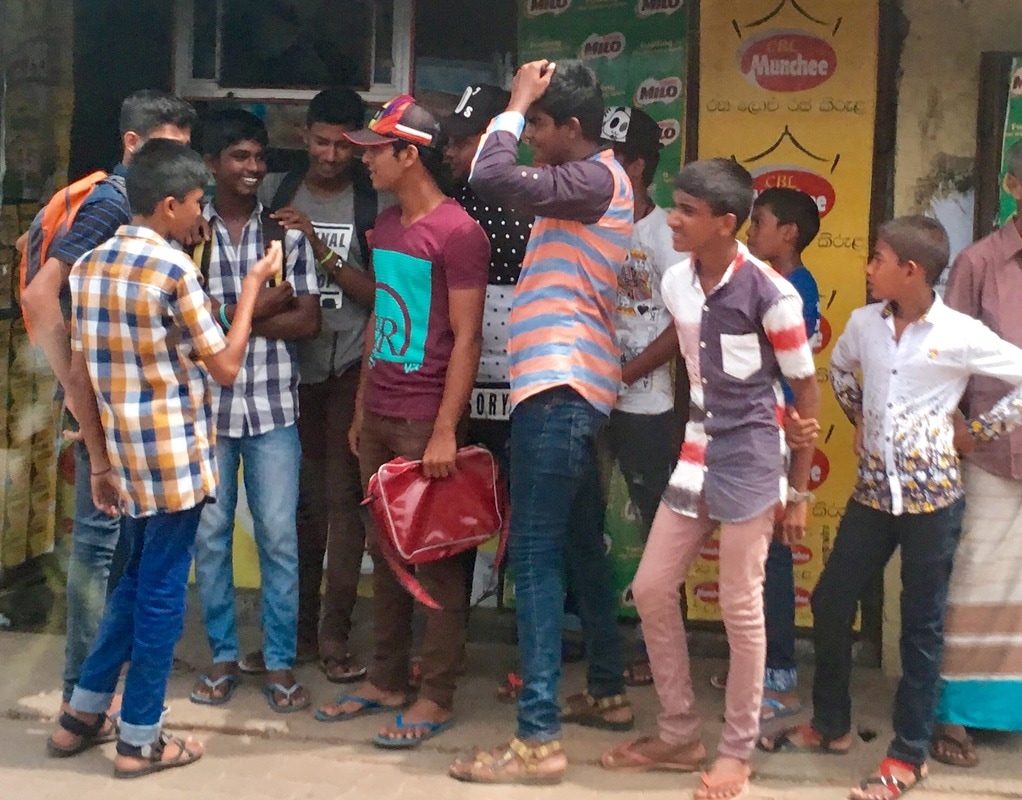
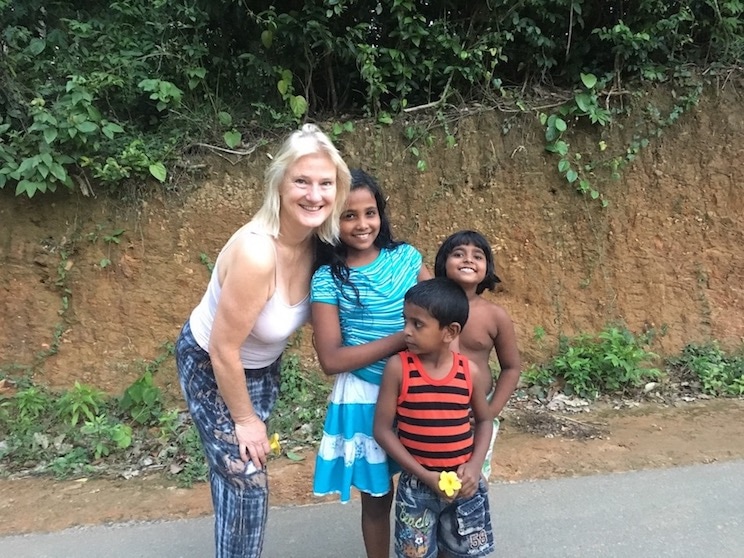
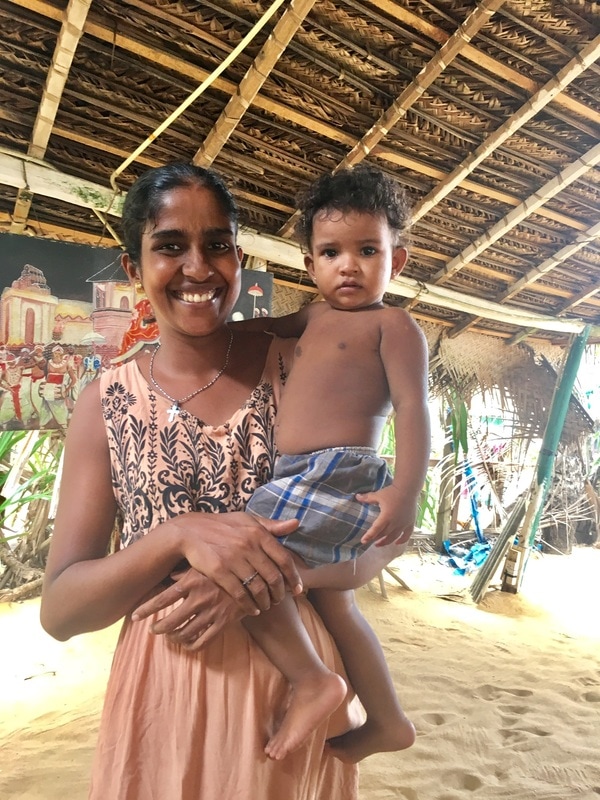
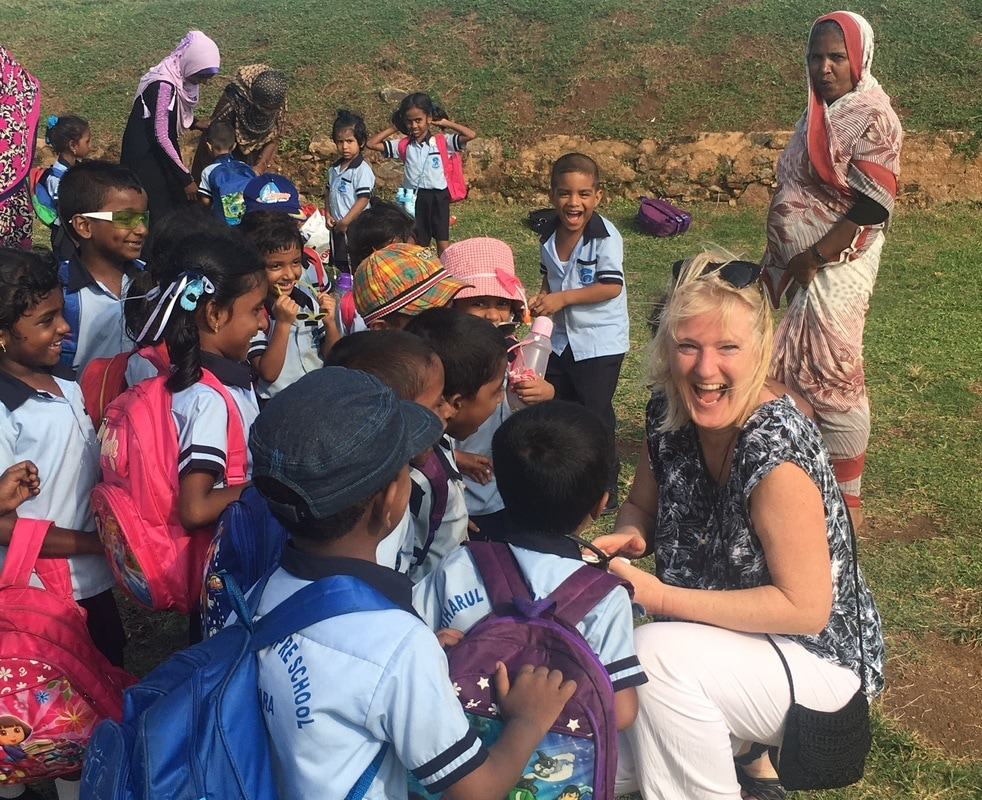
In between treatments there was time for swimming, relaxing and walking – all sorts of life on the quiet country street and kids everywhere riding bikes and playing. These ones gave us flowers . . .
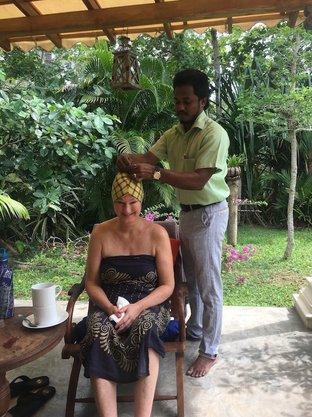
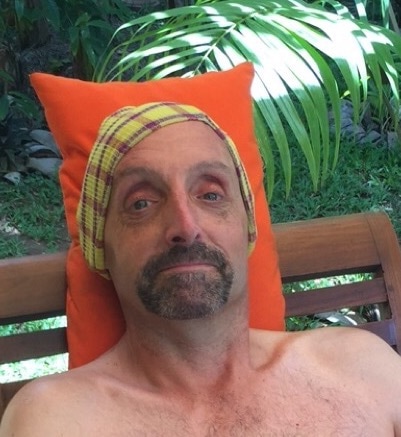
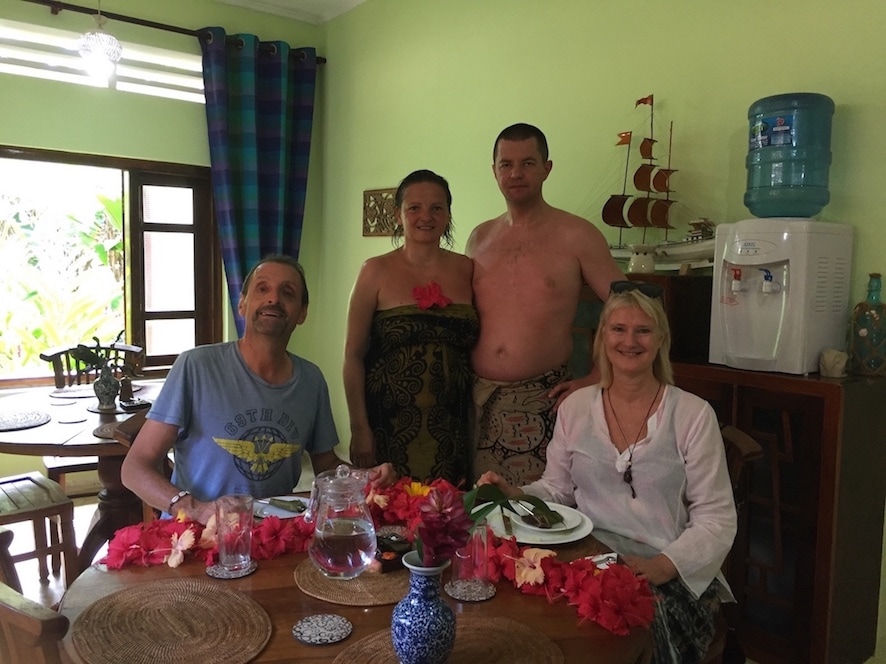
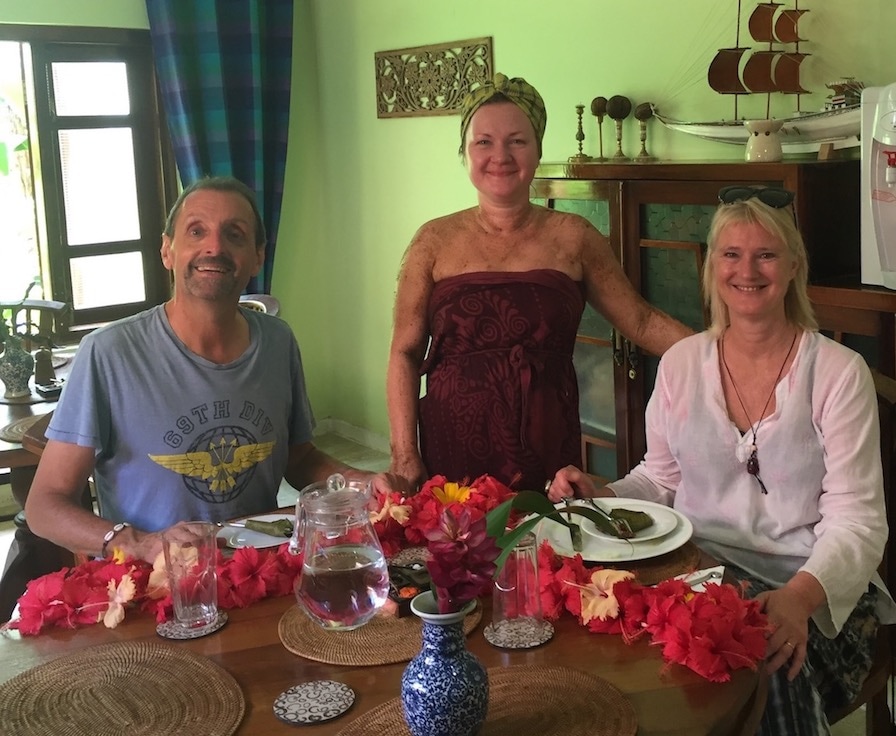
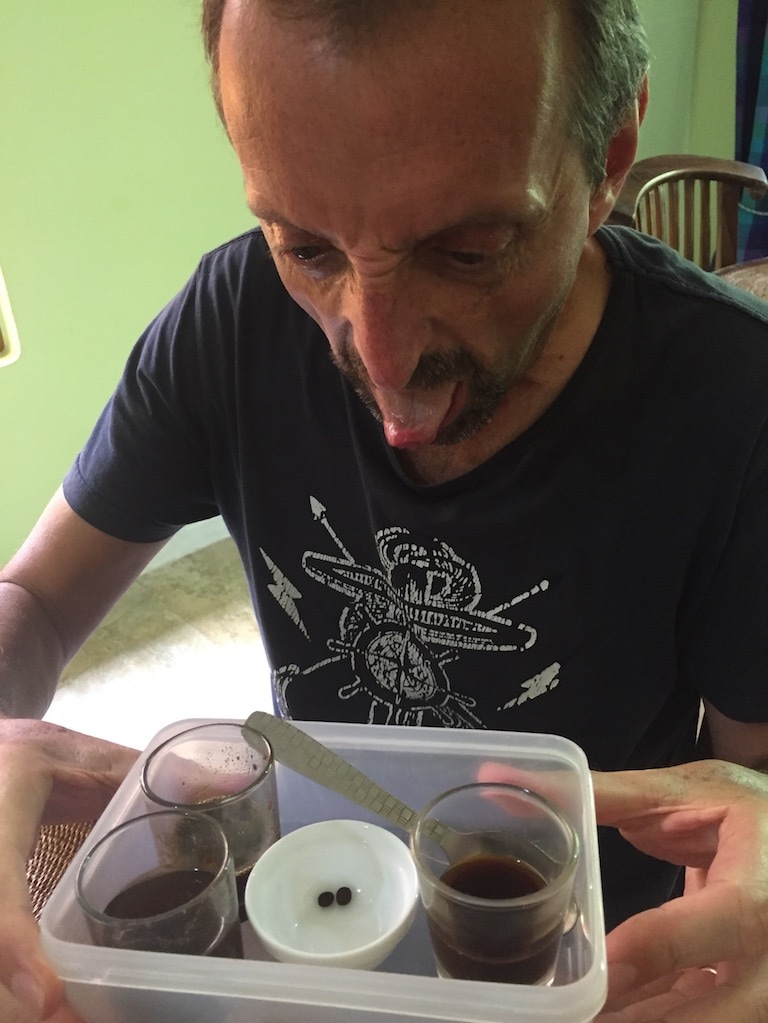
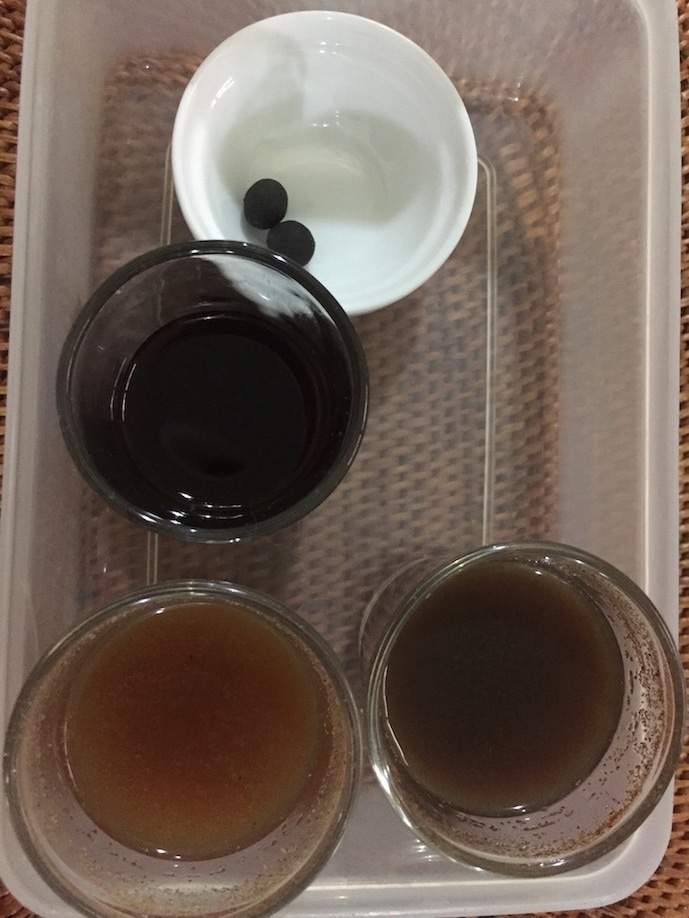
Our ayurvedic medicines were presented at the end of breakfast and dinner and comprised a number of small glasses of foul tasting gunk. Absolutely no idea what’s in it, but being the compliant chap I am they were suitably dispatched.
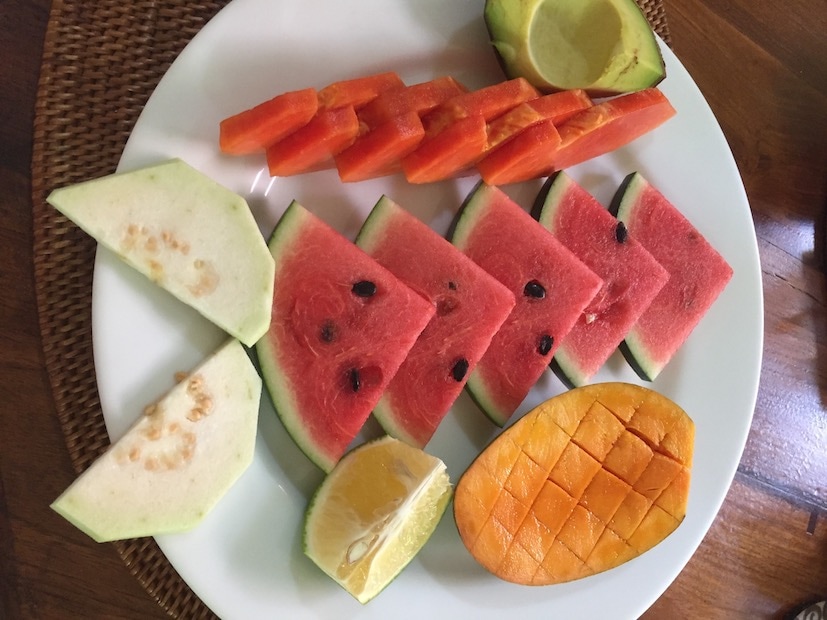
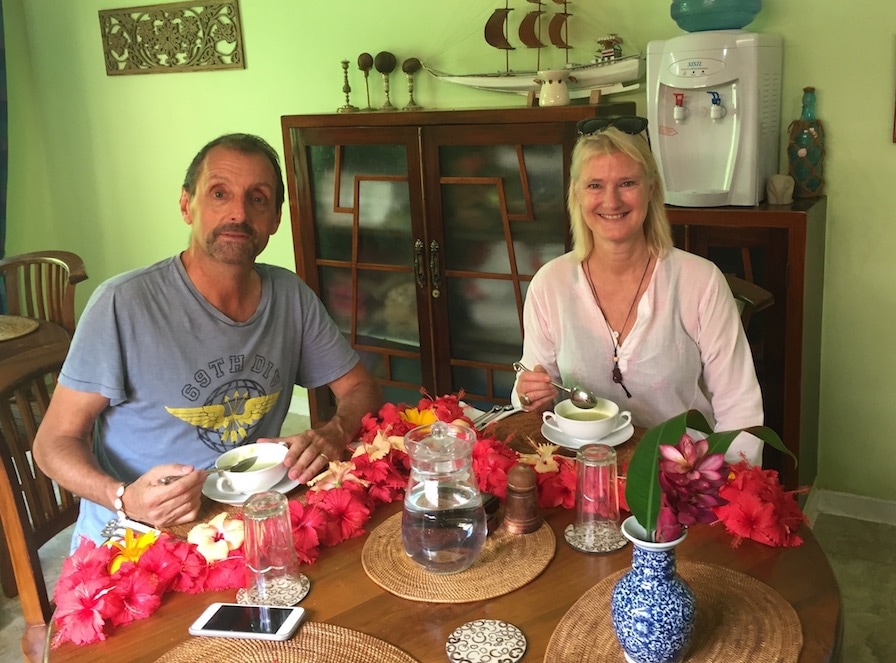
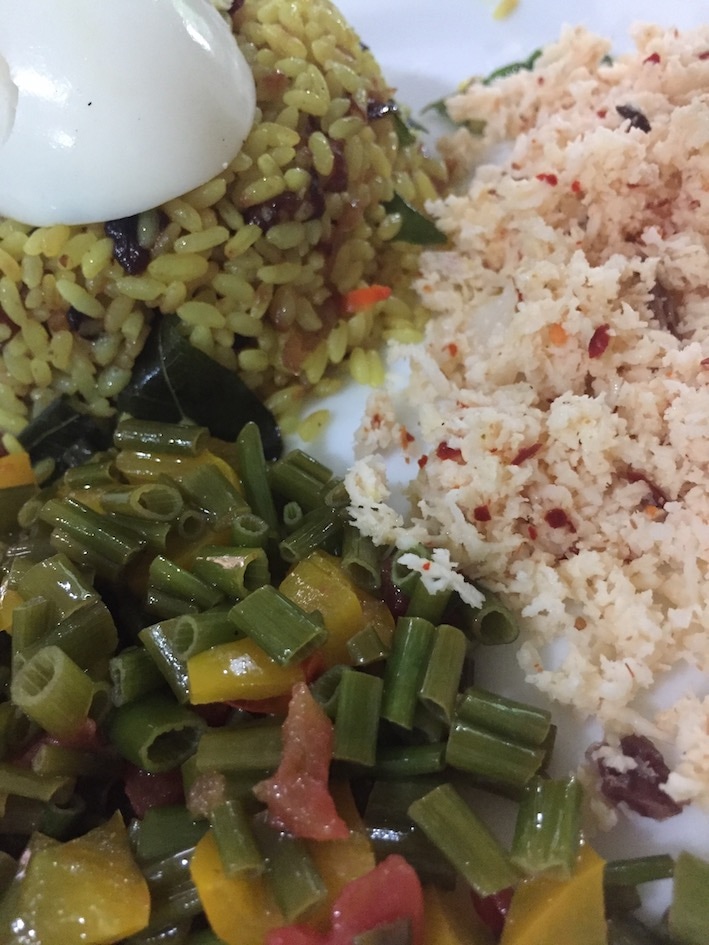
Cancer rates, for example, seem to have shot up over the last hundred years and there is enough evidence around to suggest that everyday chemicals in things like processed food, cosmetics or even the air we breathe may account for a good amount of that increase. The World Health Organisation and the International Agency for Research on Cancer estimate that 7% to 19% of cancers are due to exposure to toxic substances in the environment (reported by the Halifax Project, for those interested). The world is certainly full of claims and opinions and I guess all I can do is that which feels right to me.
So now our detoxed bodies are next heading for some beach hopping in southern Sri Lanka. I just can’t wait for that first beer toxin . . . !
Days 48 to 54 – Colombo and Galle, Sri Lanka
We were met by our Airbnb host Surekha, a lovely lady who spoke with an immaculate English accent. The English were actually the last colonial masters here, from 1815 to 1948 when Sri Lanka gained independence. Before the English it was the Portuguese from 1505 and then the Dutch from 1638 – so I can imagine the poor old Sri Lankans quite like having the place to themselves now . . .
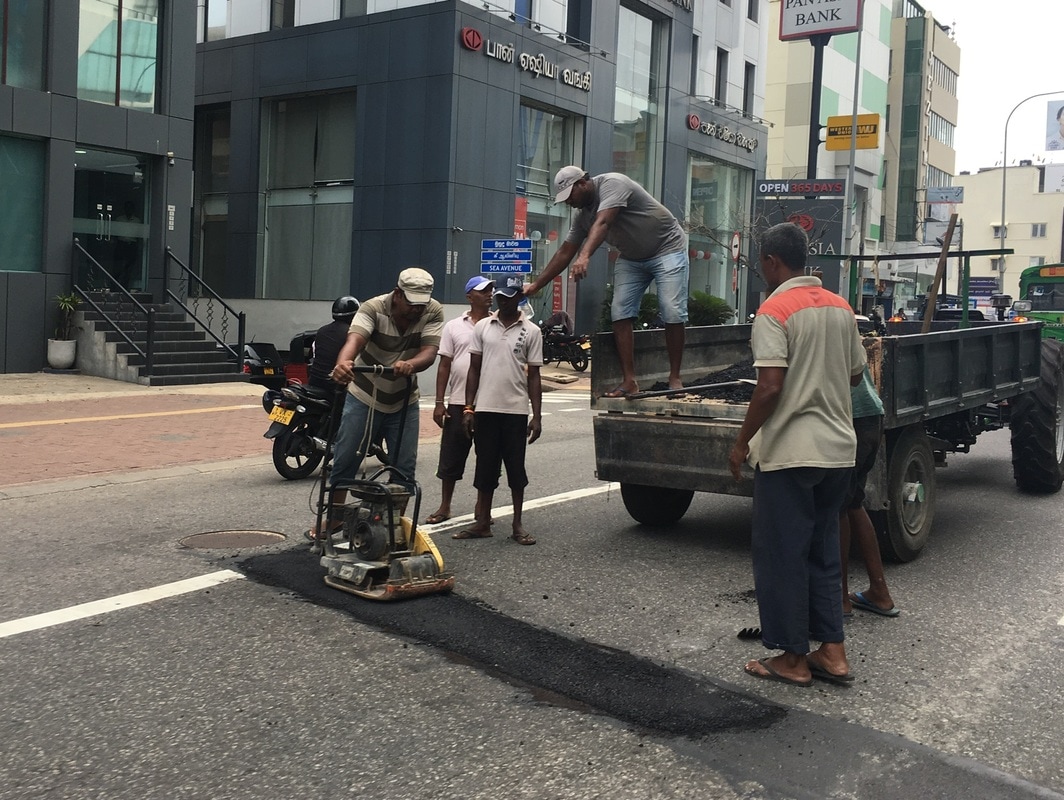
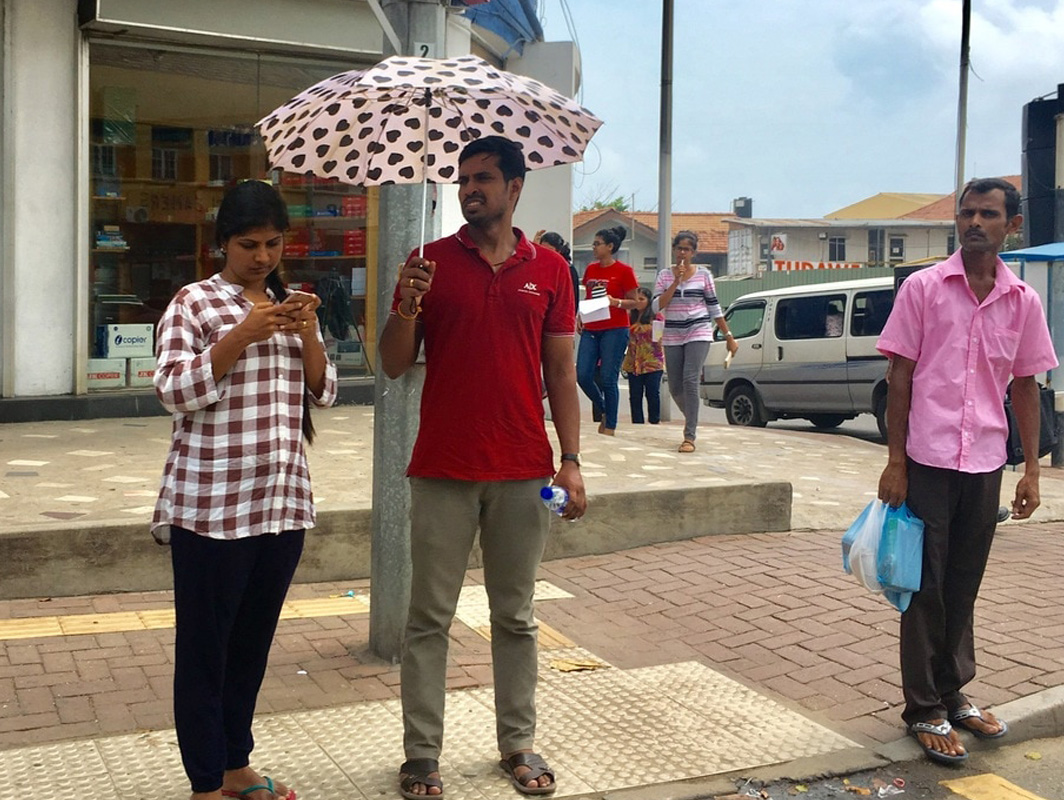
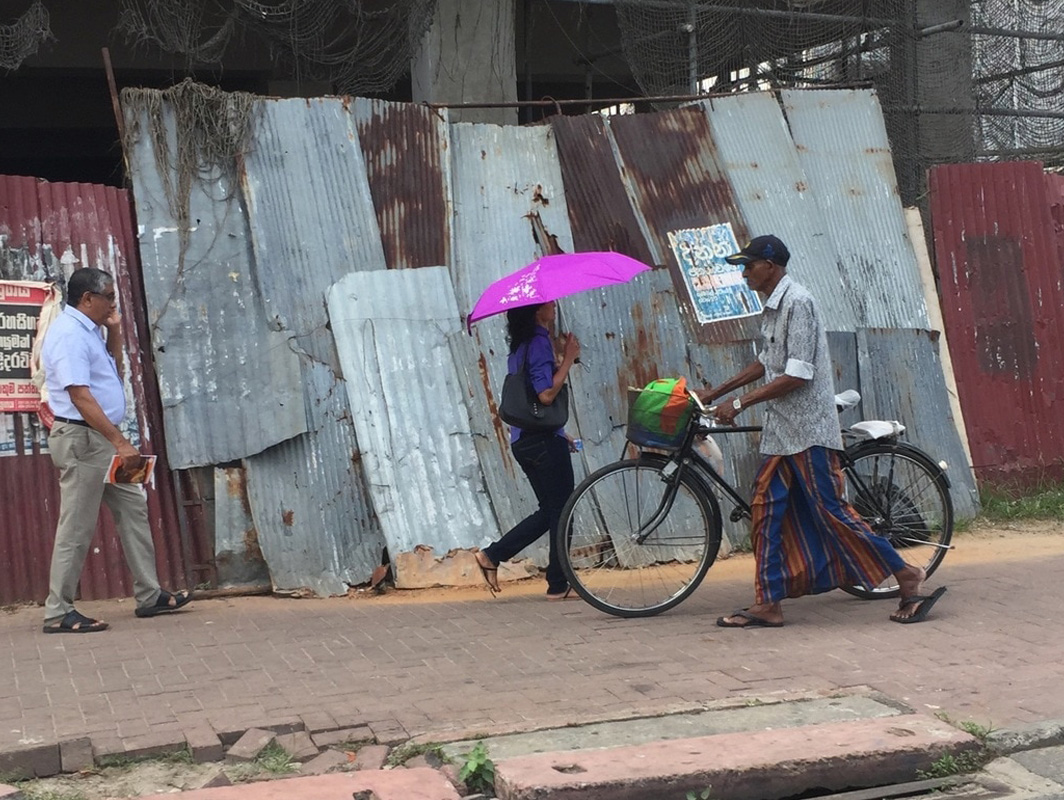
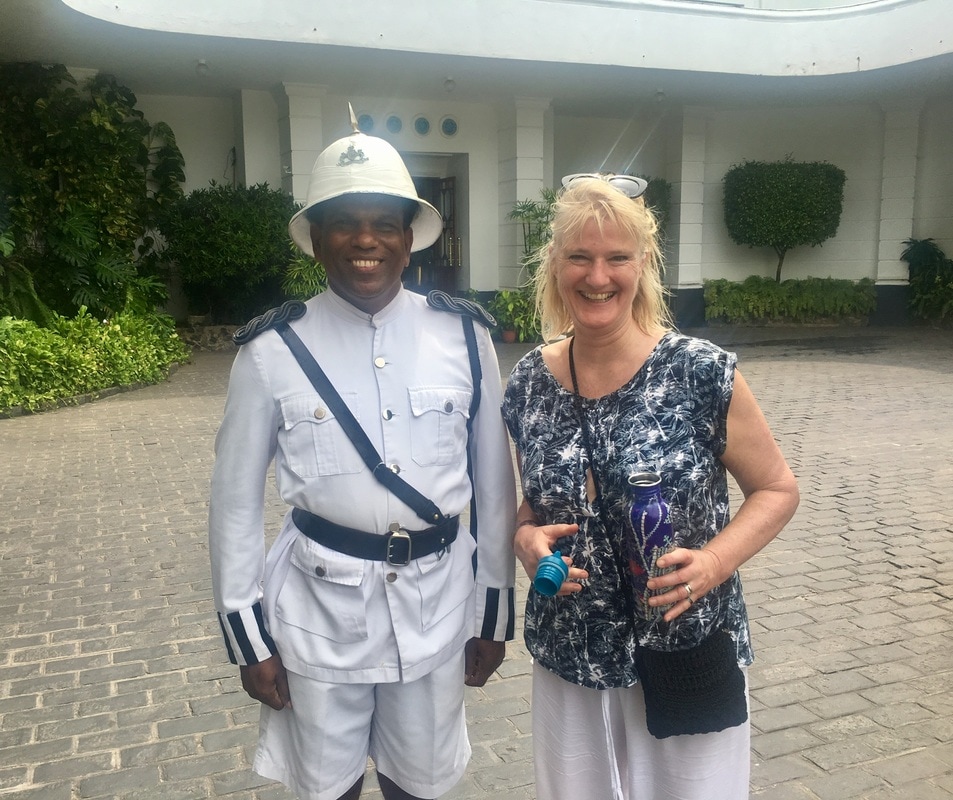
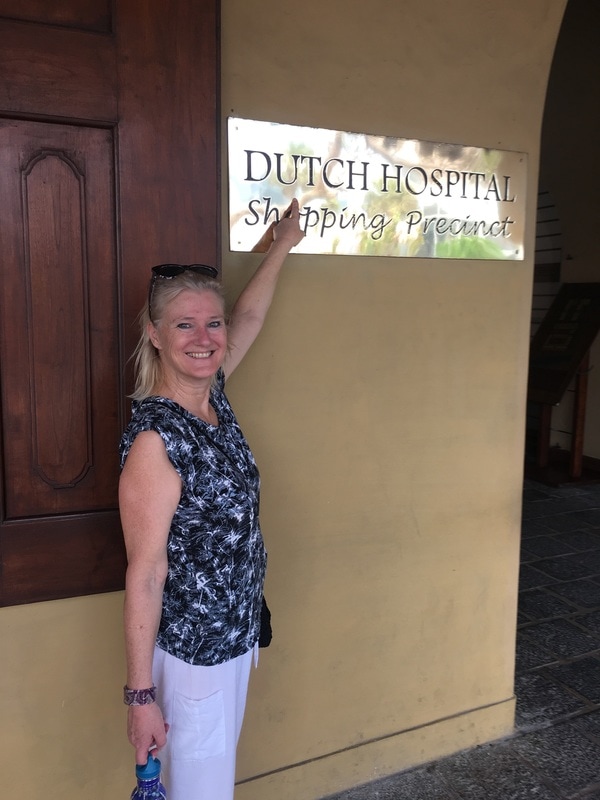
We did a bit or sightseeing of which one highlight was probably the old Dutch Hospital in the city centre. Built in the seventeenth century to look after staff serving in the Dutch East India Company it is now a little haven of shops and restaurants, insulated from the hectic bustle of the city. The interior is impressive – high ceilings with massive teak beams running along the roof – and as we sipped our juices we could imagine patients recuperating in the relative calm and coolness of the building.
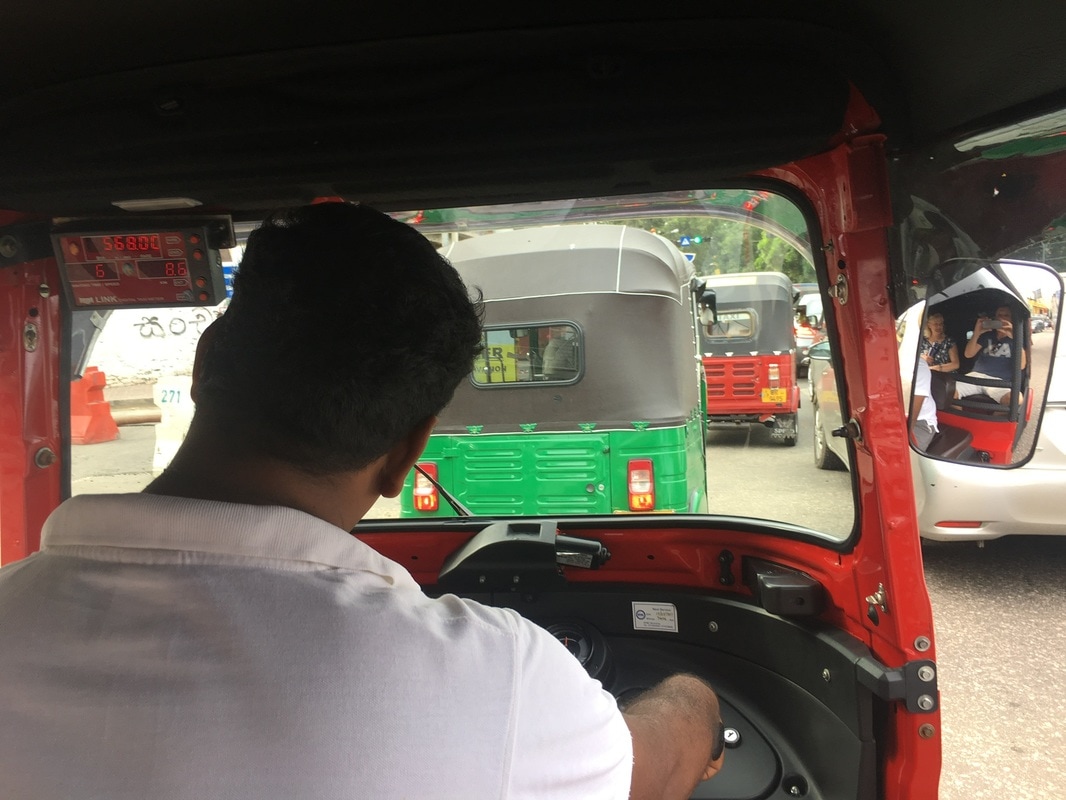
So the upshot of this story is, for those adrenaline junkies out there – forget the amusement park roller coasters and pay about 2 bucks for a tuk tuk ride in downtown Colombo . . .
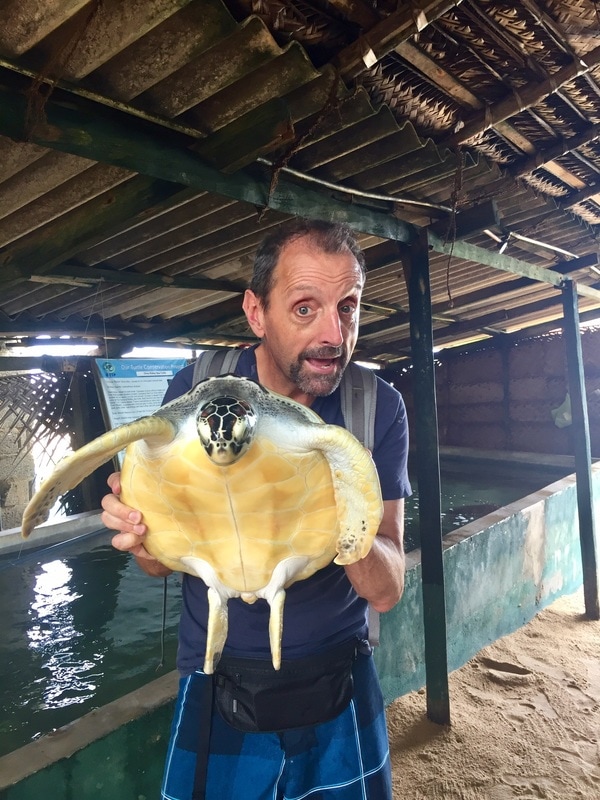
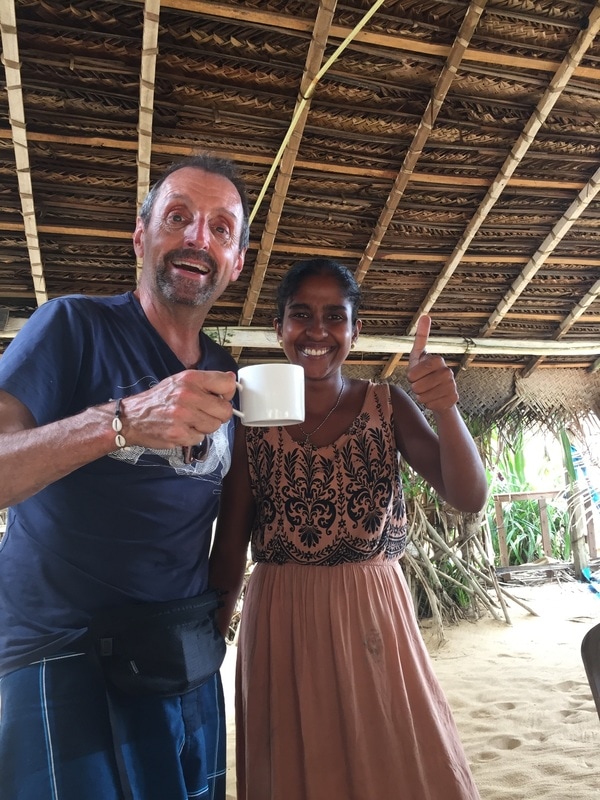
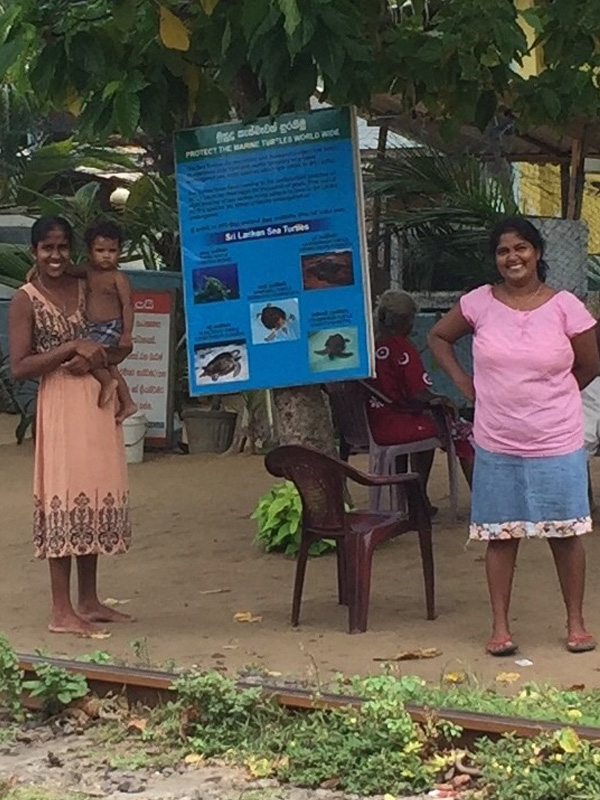
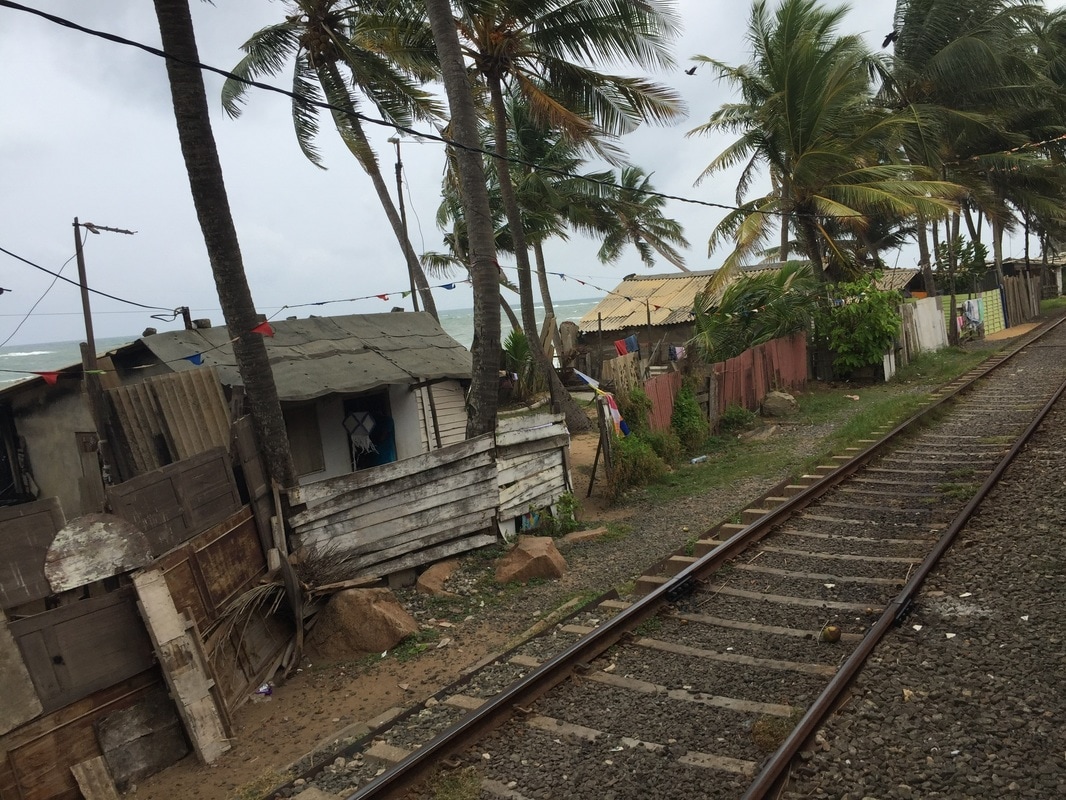
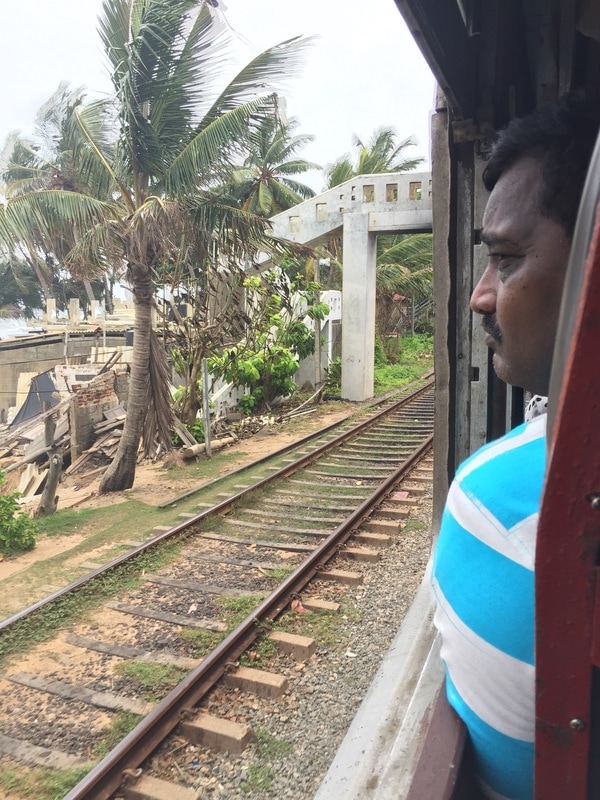
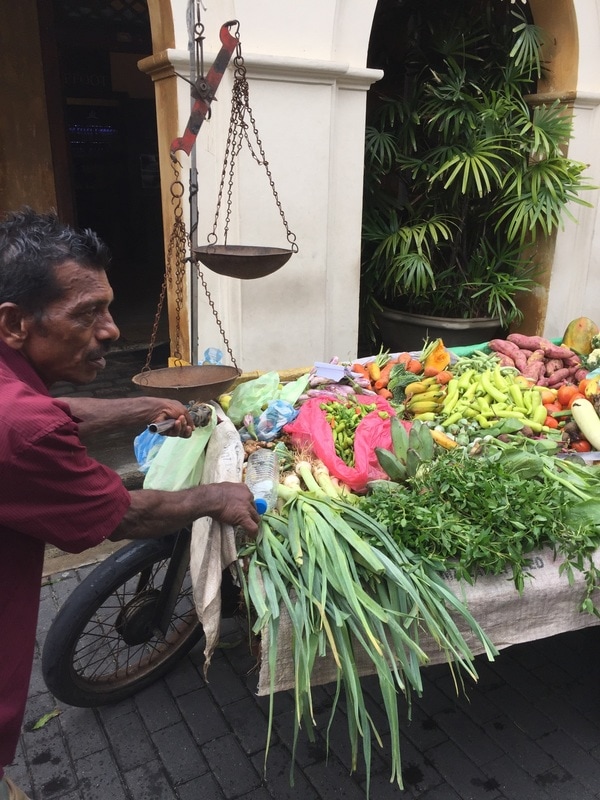
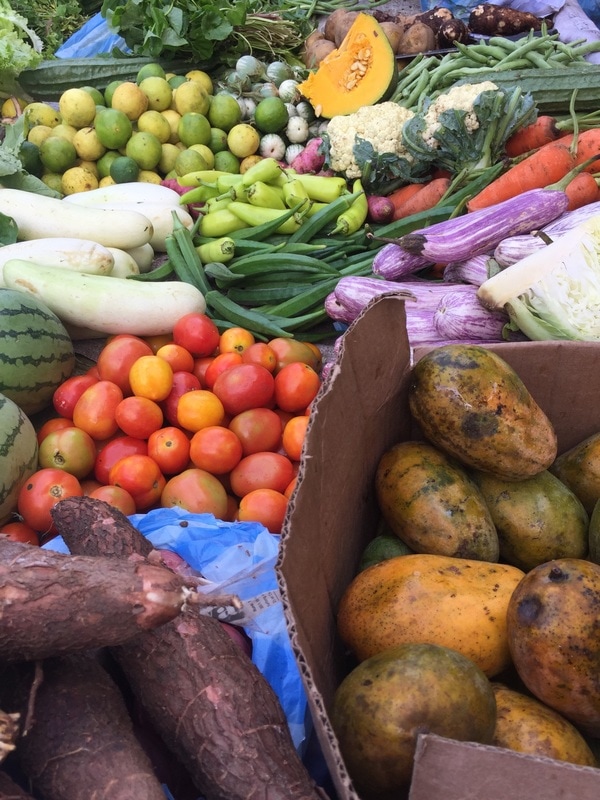
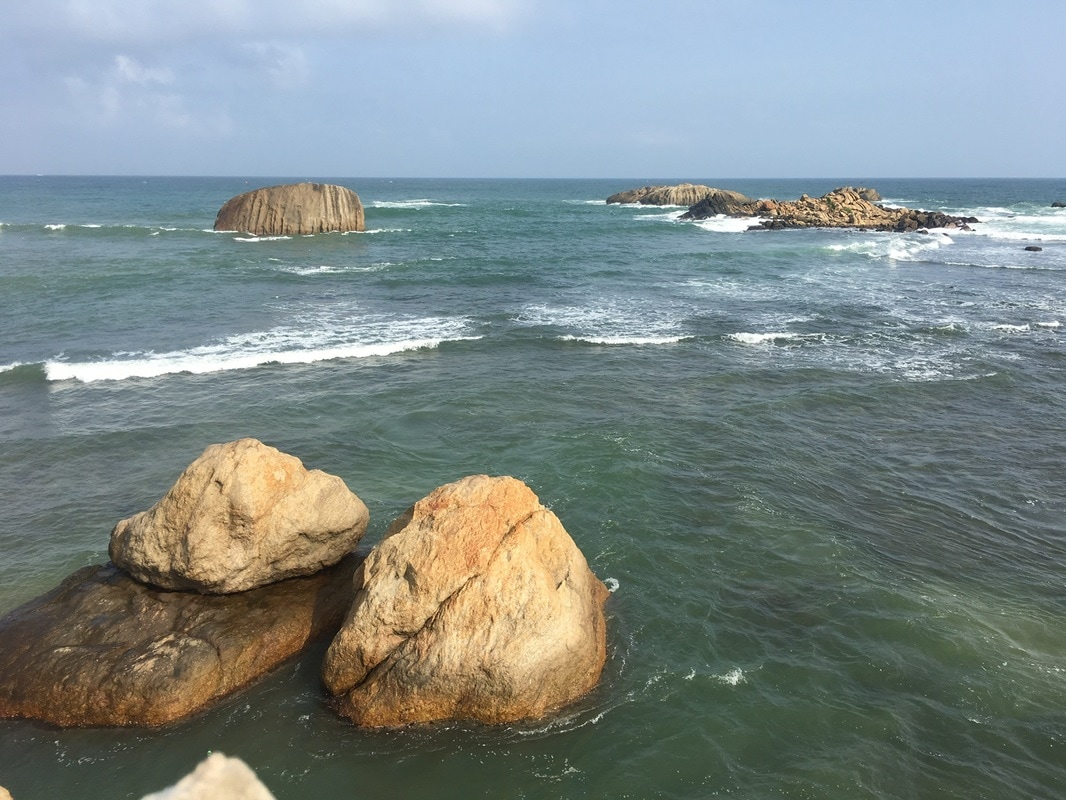
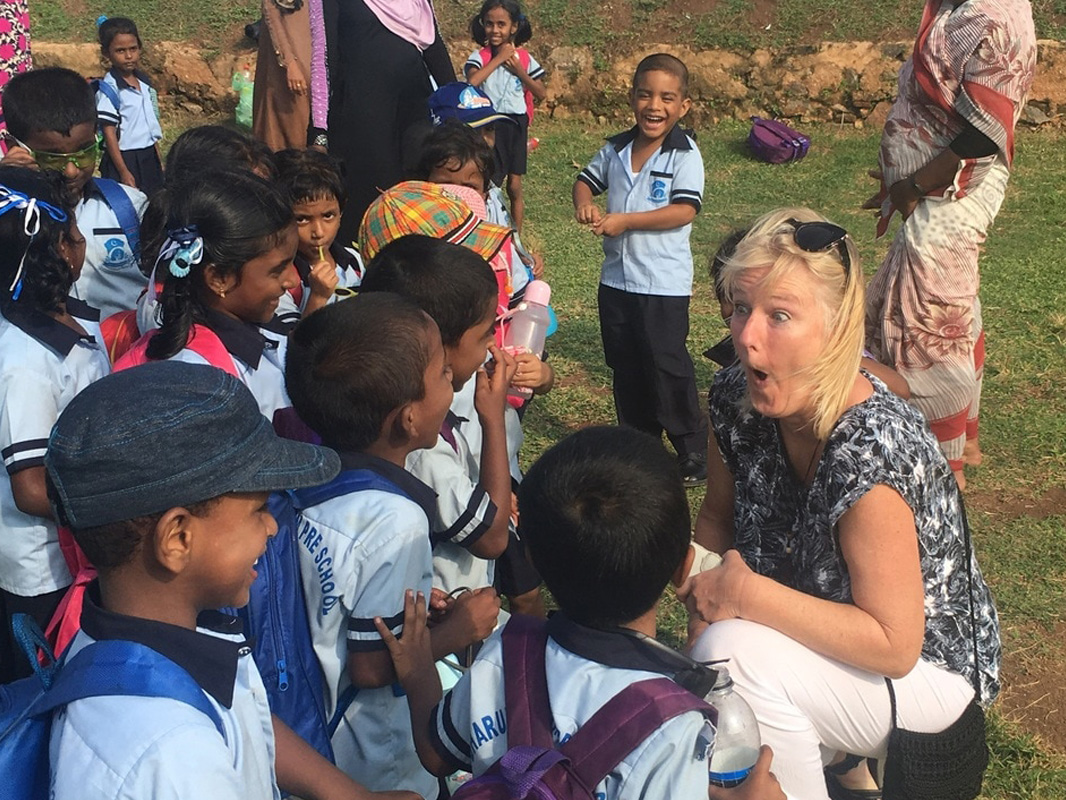
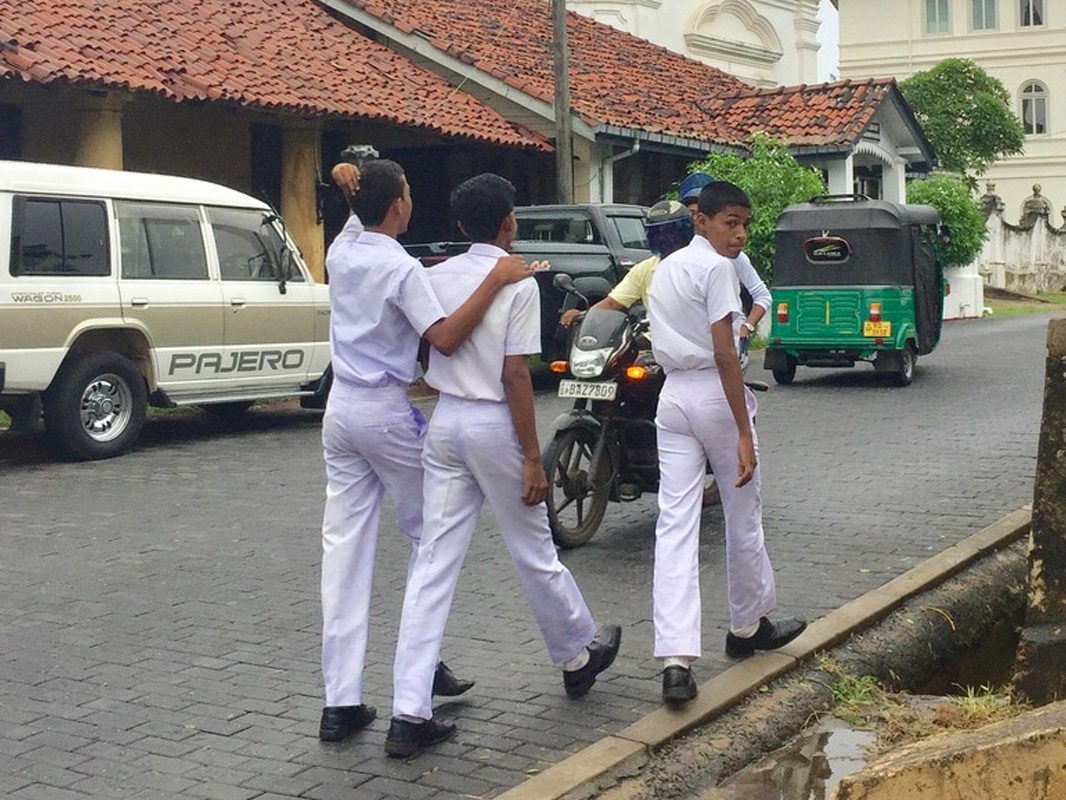
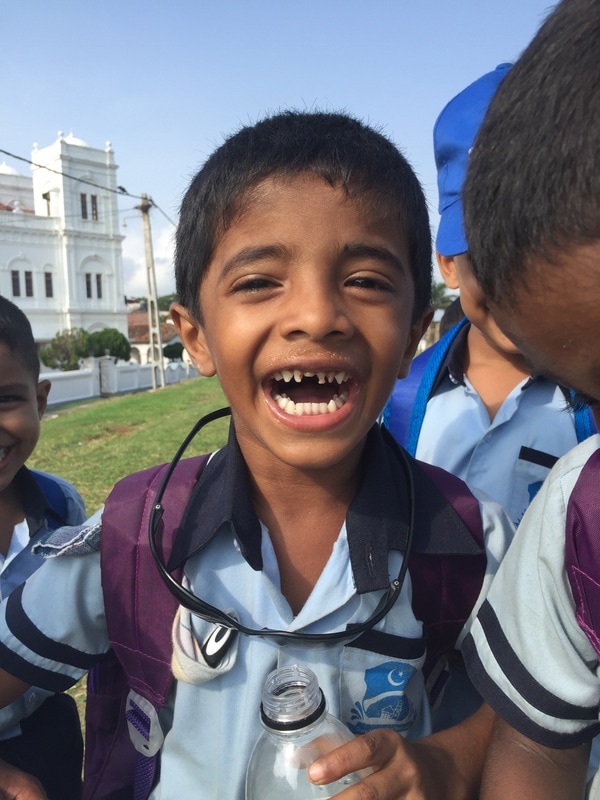
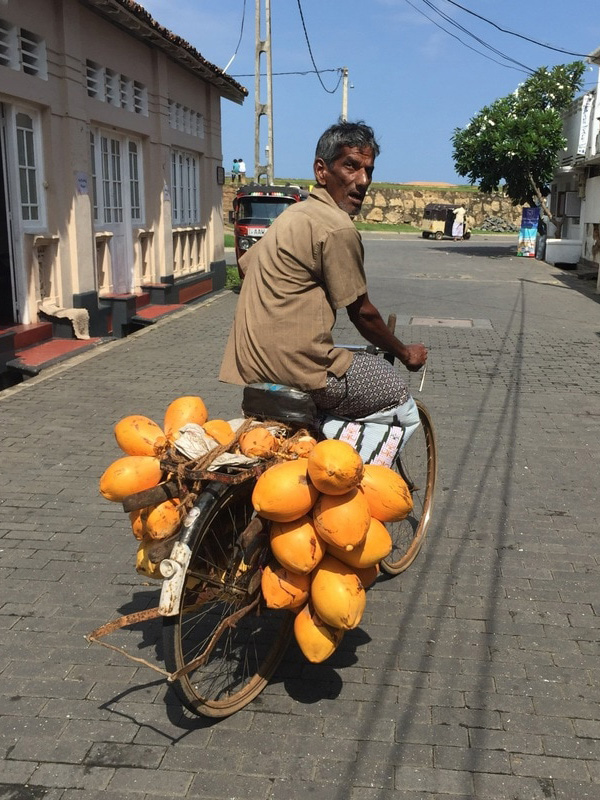
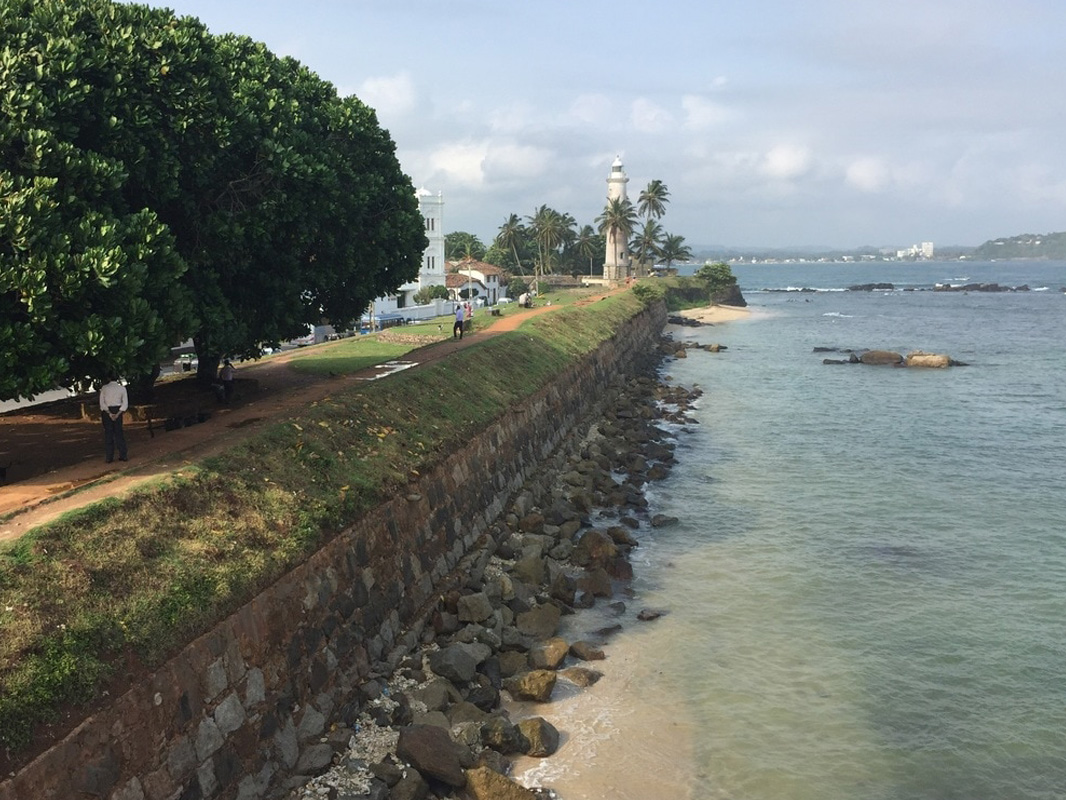
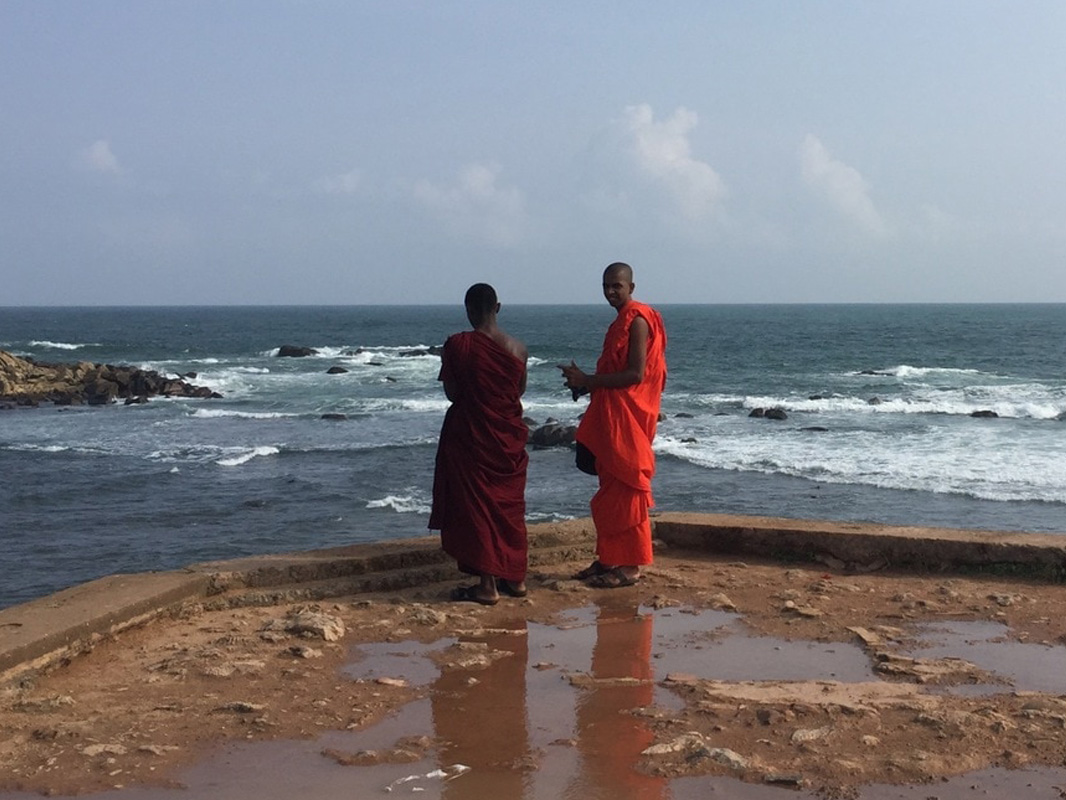
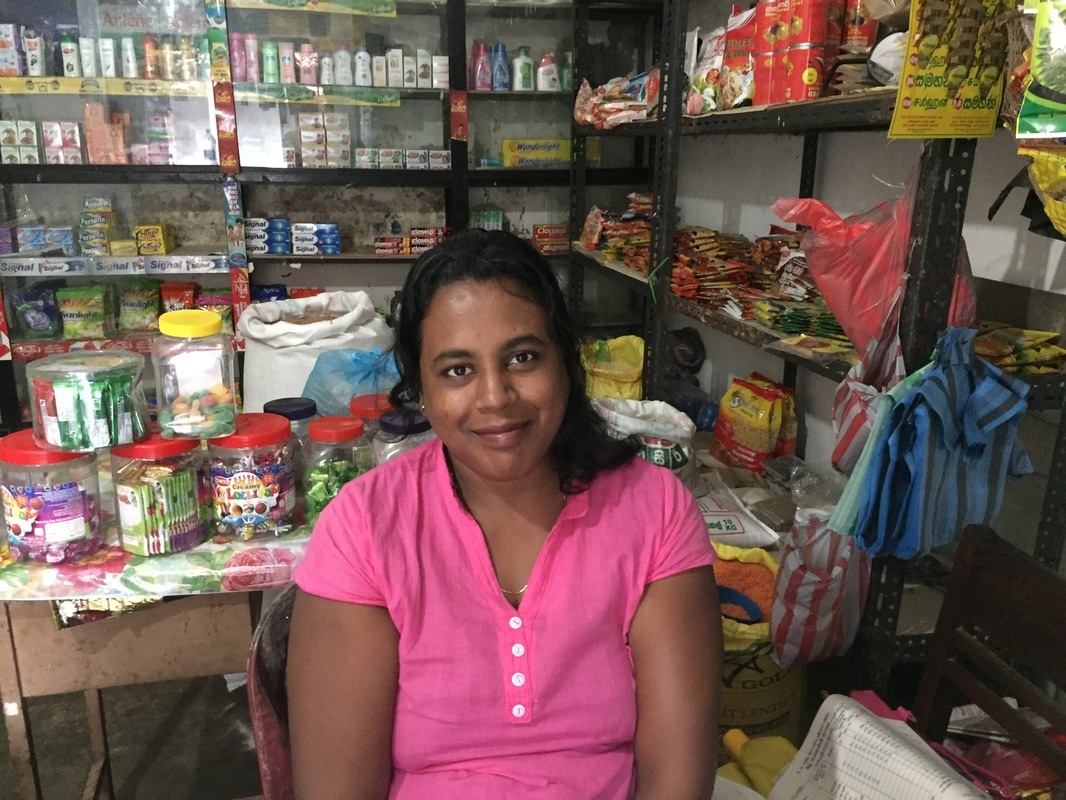
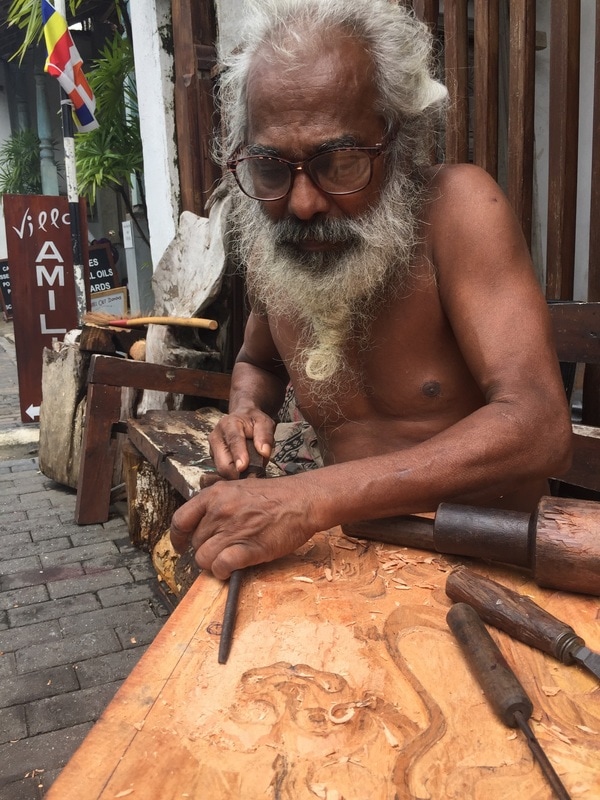
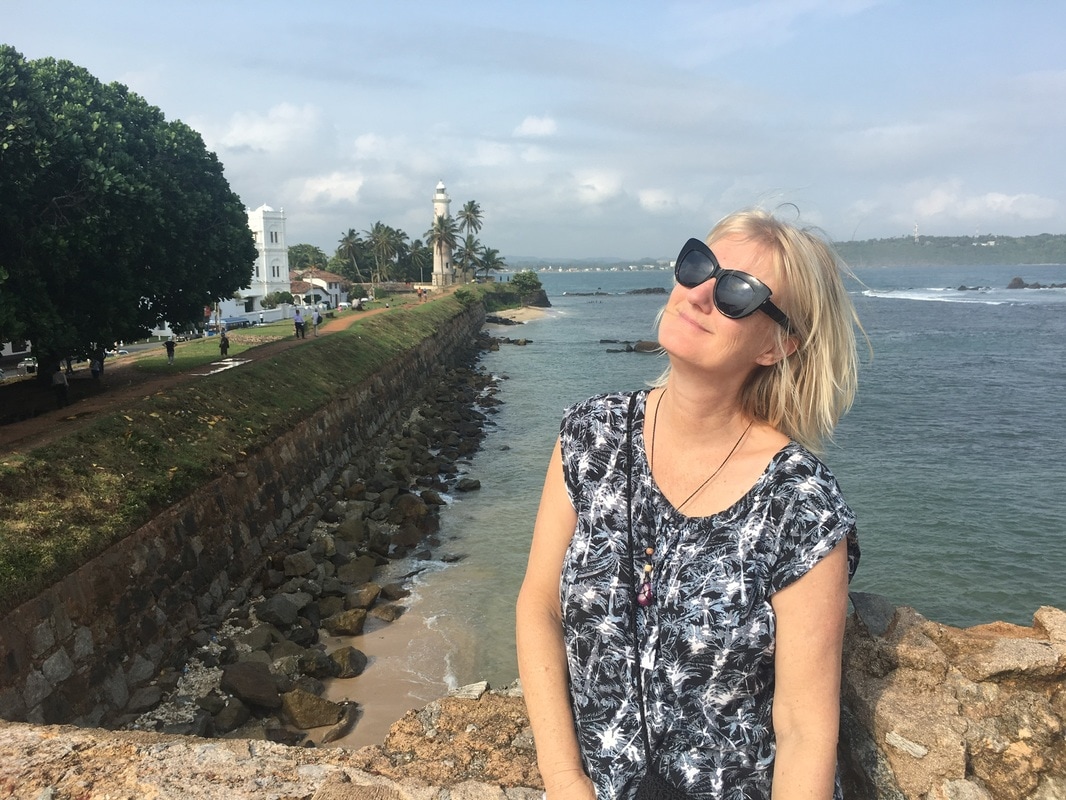
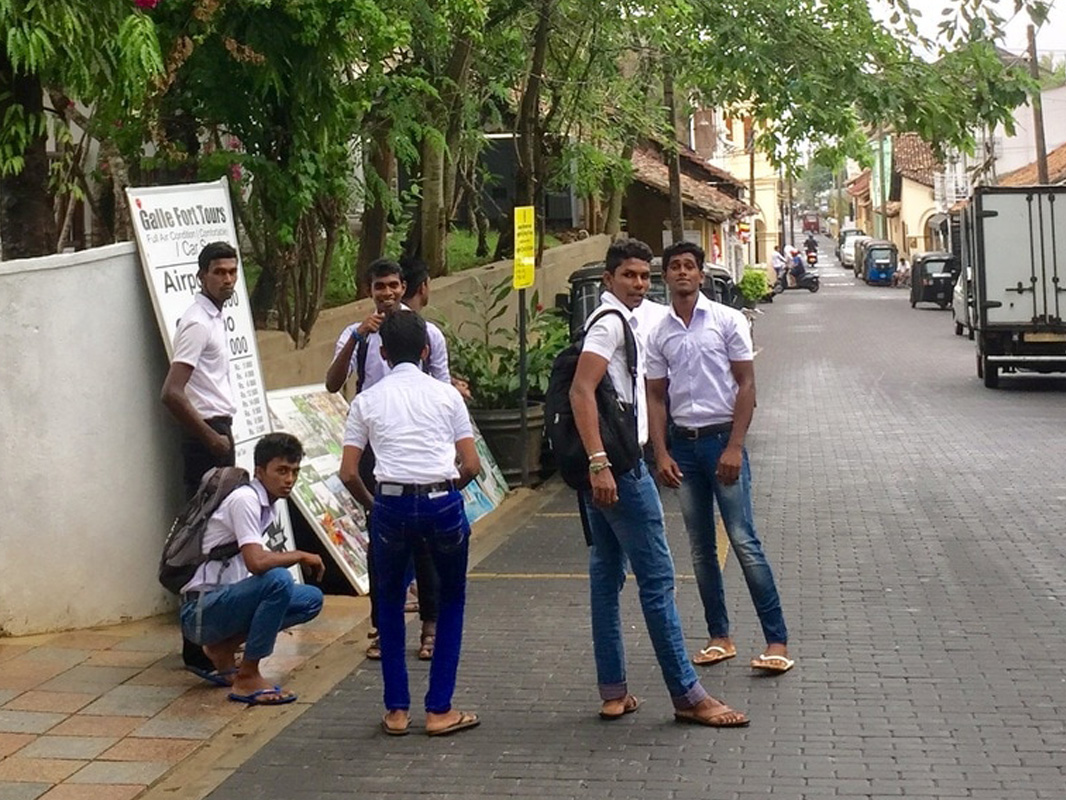
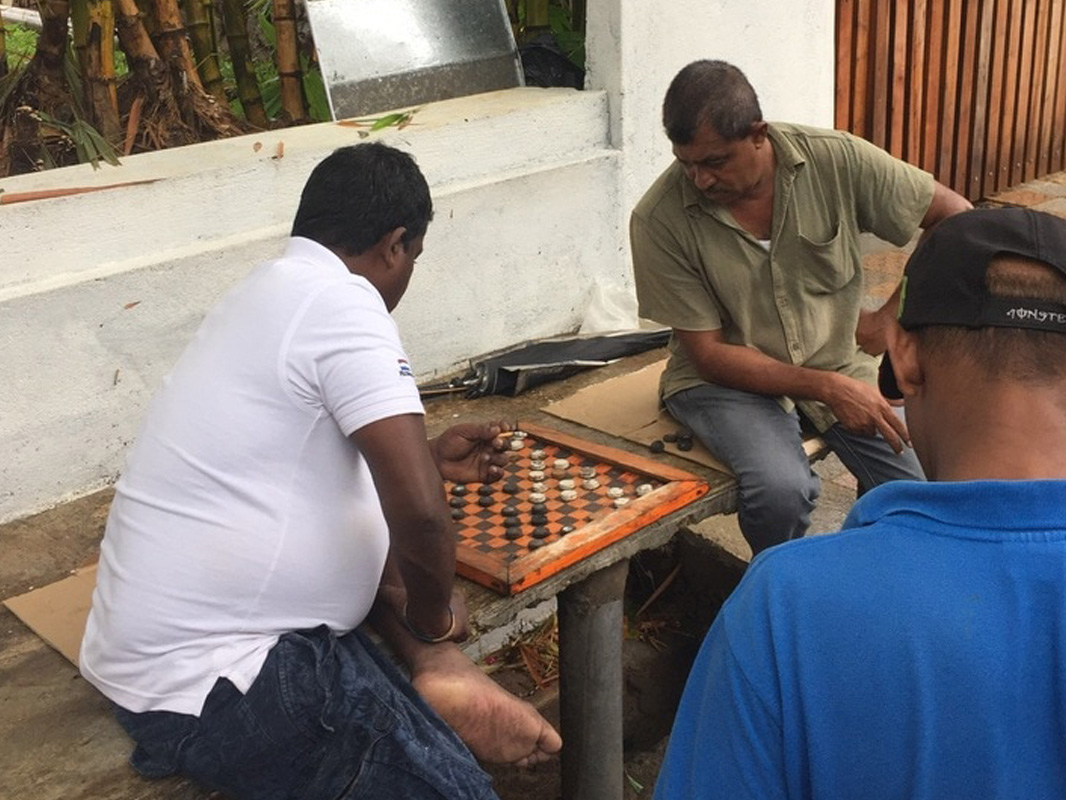
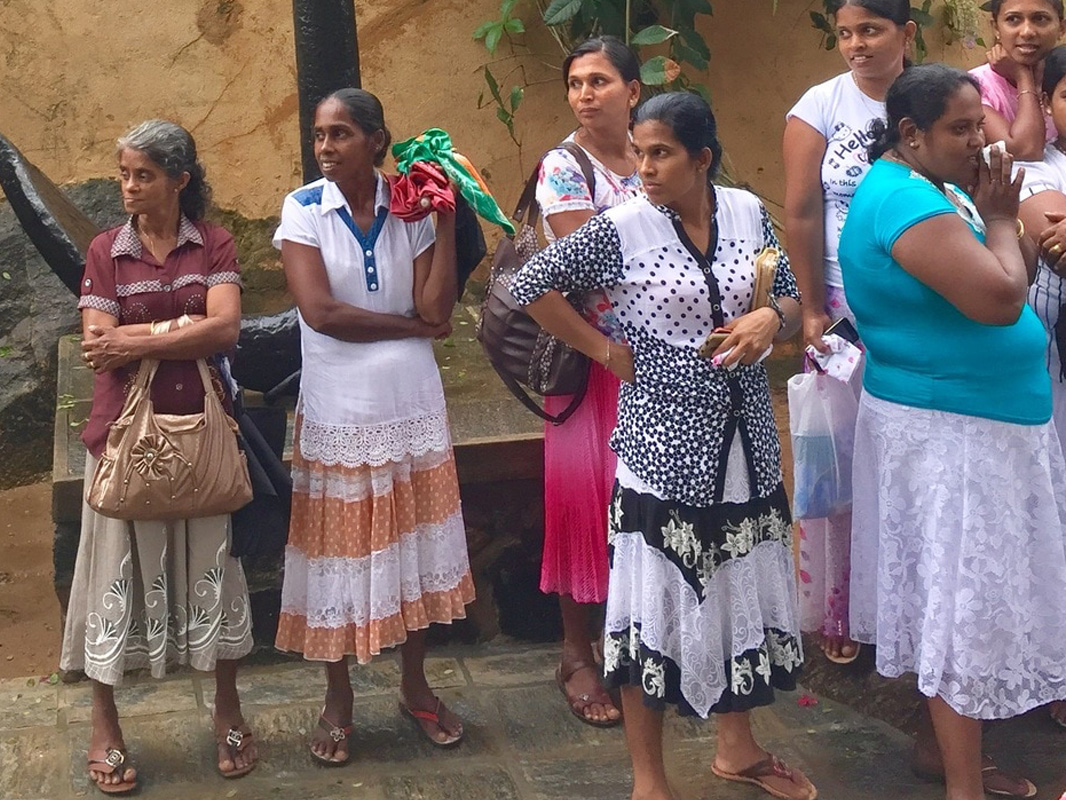
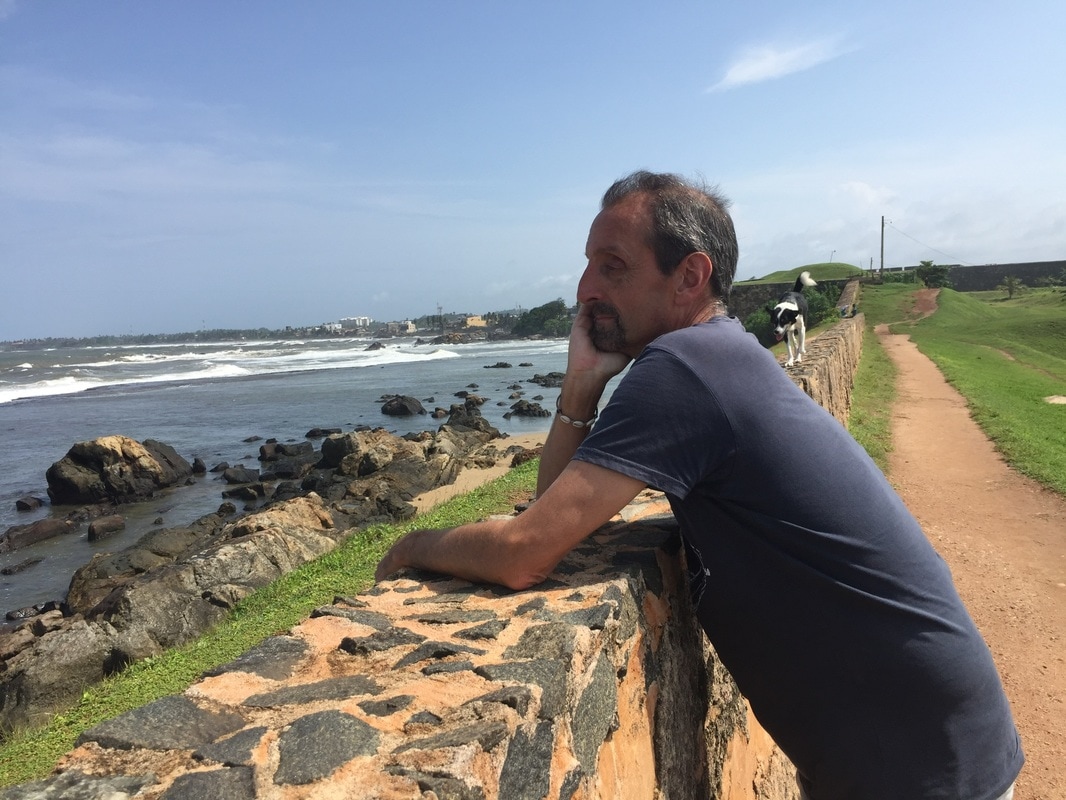
Galle is a very cool spot. Quite different from Colombo – quieter, more laid back and only about 20% of the tuk tuk honking. We stayed in Galle Fort – a walled complex built mostly by the Dutch during the seventeenth century, encompassing around 50 acres of houses, restaurants and shops, every second of which seems to sell gems. Our second floor guesthouse balcony provided a magical spot to view street life – everything from the vegetable man doing his rounds to a photo shoot of some serious canoodling.
Tomorrow we head to a place called Dickwella (I kid you not) for our 11 day Ayurveda detox session. I have to admit feeling a tad apprehensive – but this trip is all about saying “yes” to things, so here goes . . .