Our Big adventure
Jolanda and Richard 2017
Days 272 – 296: Our Big Adventure – the Final Leg
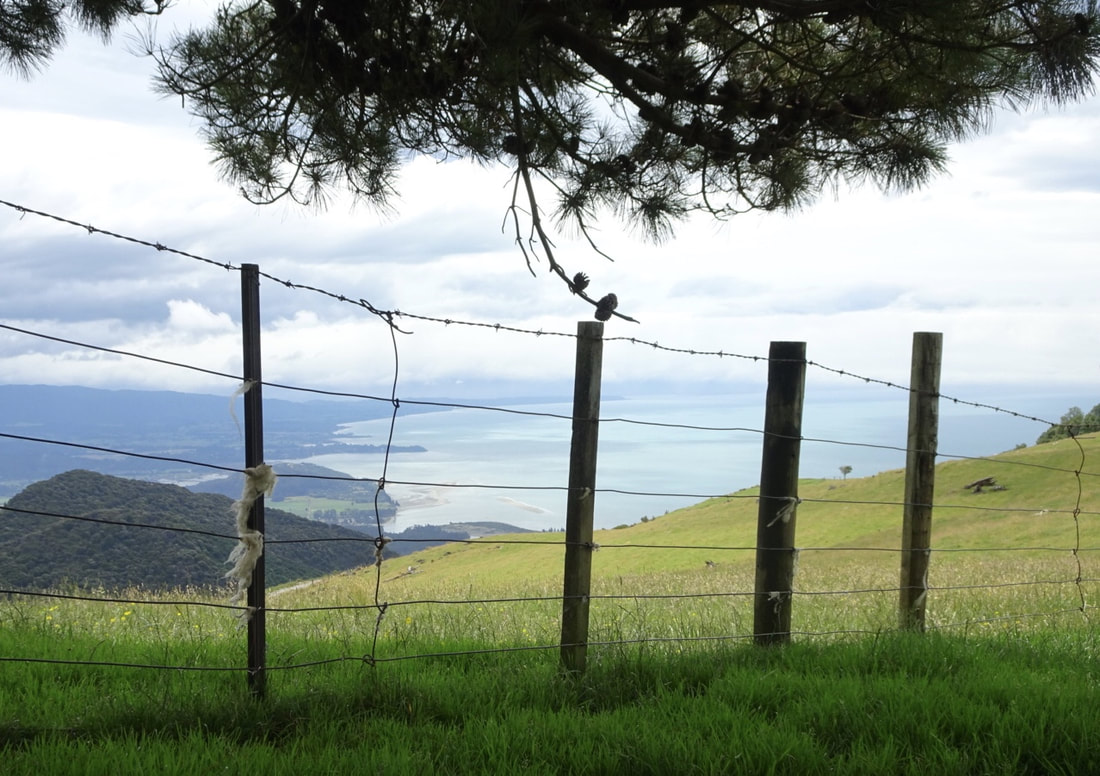
Within 3 days of arriving back in Wellington we boarded our Air New Zealand flight for Nelson at the top of New Zealand’s South Island. From there a two-hour drive took us to the ultra-hippy yoga centre of Anahata in Takaka. The final 20-minute drive up into the Takaka hills, on a dirt road, opening and closing farm gates and crossing river fords made it clear how remote this place was going to be. Perched up on a promontory overlooking Golden Bay, Anahata Yoga Retreat is in a beautiful spot – bordering the Abel Tasman National Park and full of bird life, notably the flightless Weka of which a great number saunter through the grounds as though they own the place.
Swami Karma Karuna, the retreat’s founder, welcomed us with a big hug and we were to quickly learn what an amazing person and great teacher she is. Far away from my perception of yoga Swamis as being kaftan clad, austere and serious, Karma Karuna has a laugh you can hear a mile off and is full of life experiences and, I strongly suspect, has a slightly naughty past.
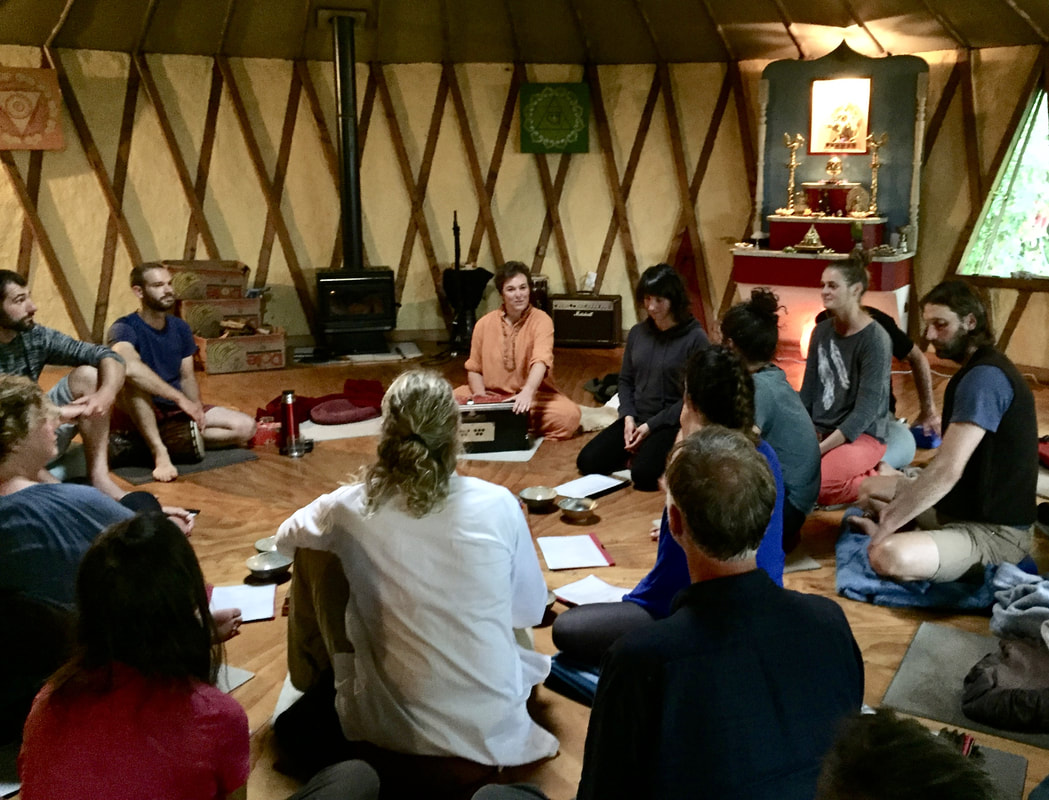
Our retreat was to last 7 days – an immersion into Hatha Yoga in which we started each day with asanas at 6am, followed by breakfast, theory, Karma yoga (in which you are required to mindfully help out with the gardening and cleaning – at least that is when you aren’t hiding in your room), yoga nidra (a deeply relaxing meditation lying on your back), lunch, more asanas and finally meditation. Dinner was vegetarian, like all meals, and coming from the retreat’s organic garden. I had the deepest possible relaxing sleep in this peaceful and energising place. An excellent week and one that I left feeling wonderfully chilled, with a desire to make yoga more part of my life – but definitely hanging out for a cold beer.
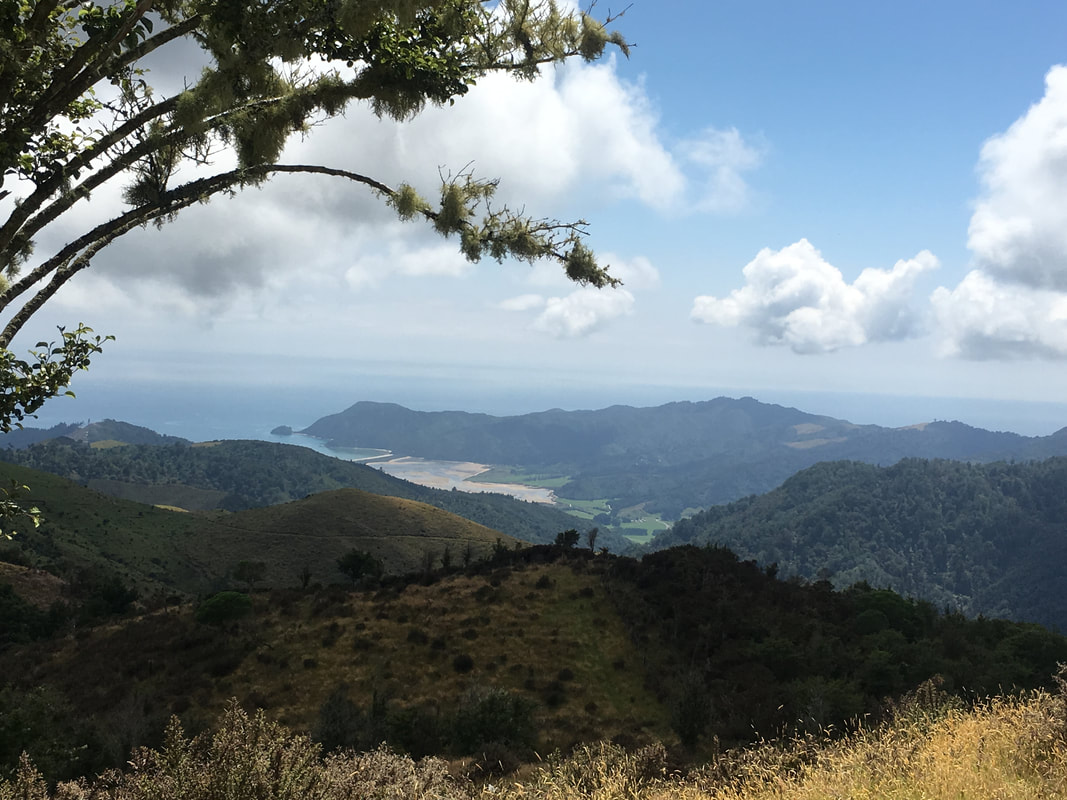
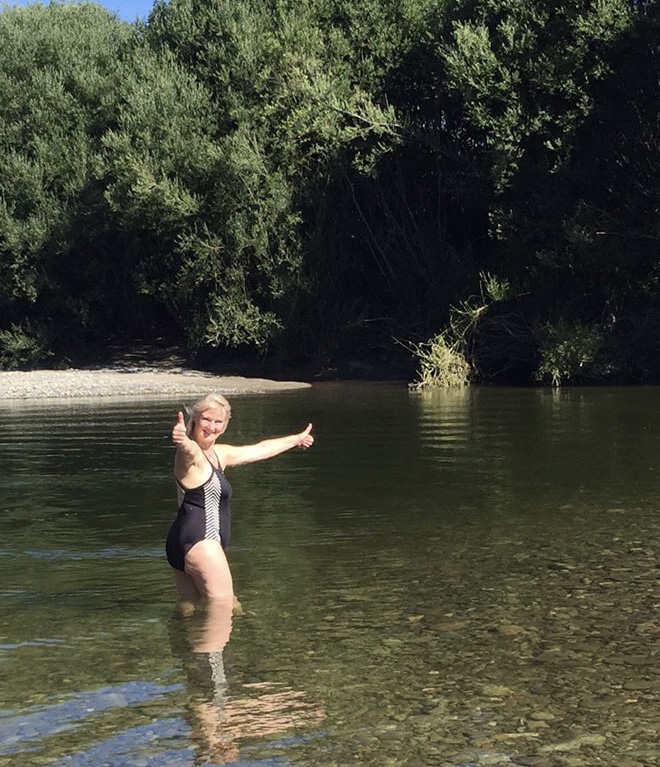
Our Christchurch sojourn was a great opportunity to catch up with old mates. Sandy and Neil, Bron, Andrew and Leanne and James and Helen. We swam in 32-degree heat at Taylors Mistake Beach, dined in one of the many new restaurants to pop up in the city centre, were entertained by the busking festival, drank wine (and beer – and more wine), lunched and chatted over coffee. When you catch up with very good friends its like the years melt away. Priceless . . .
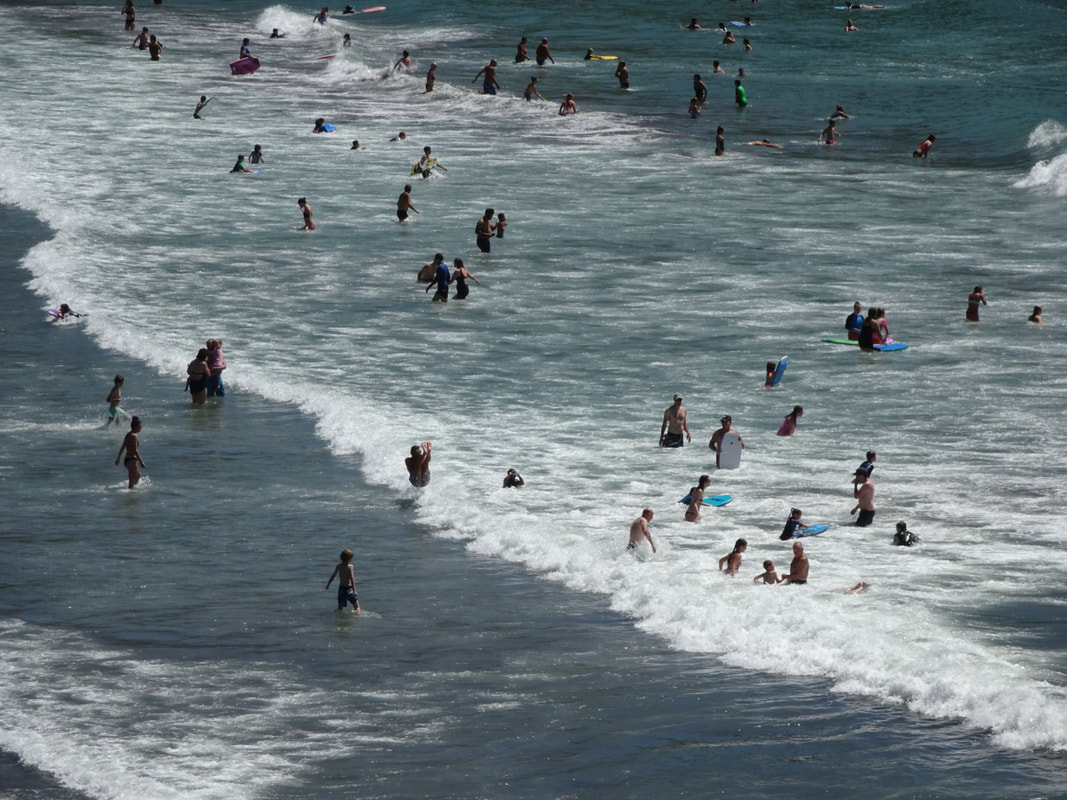
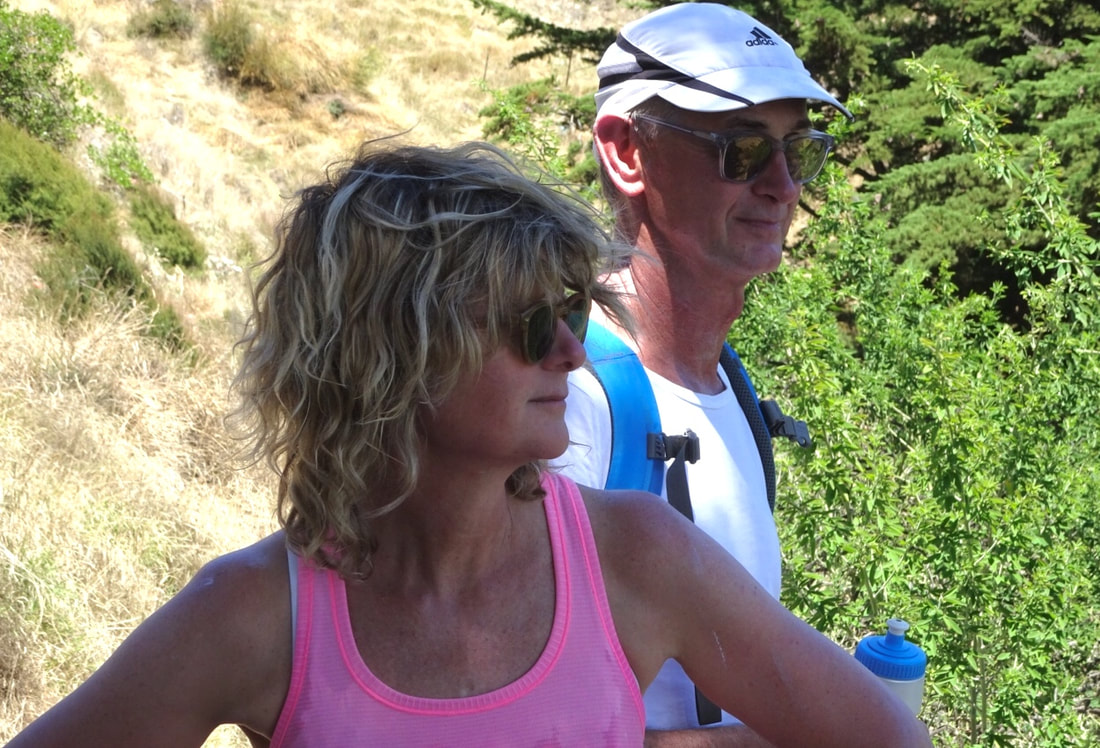
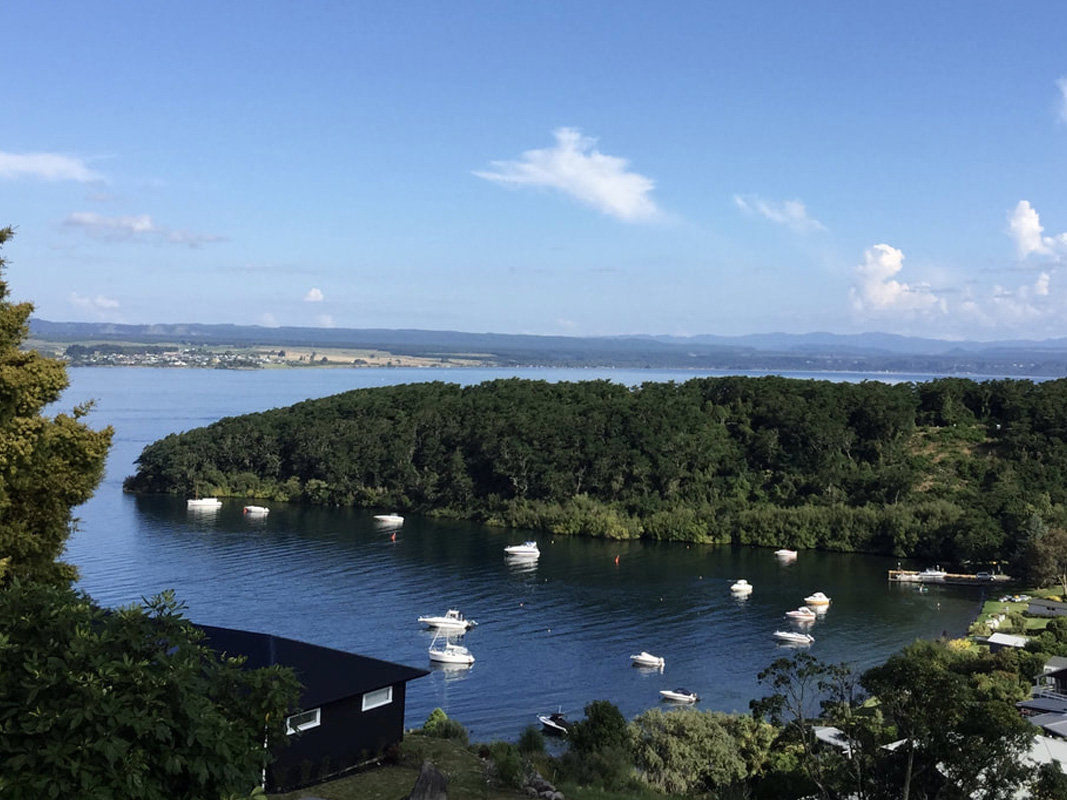
New Zealand is in the middle of a heat wave and so our days have been hot with the sun beating down. The lake, normally frigid, has been a delight to swim in and Andrew took us in his boat to some brilliant swimming spots. The barbecue has been cranked up each night and we have cooked overlooking the lake with beers in hand. One more day until we board our final flight back to Wellington.
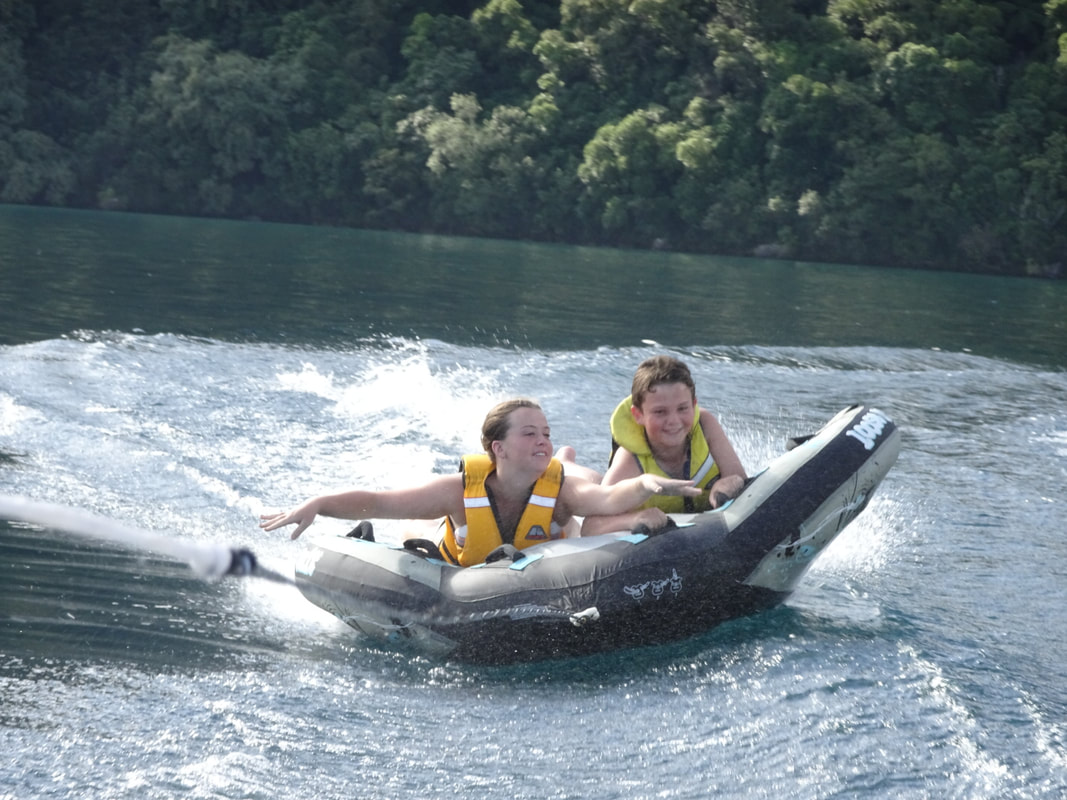
• Say yes more often: It has been my year of saying yes and I have found myself doing and enjoying things that previously would have scared me.
• You don’t need much stuff in life: For 10 months I have been with five t-shirts, two pairs of trousers, one pair of shoes and jandals, toiletries, a laptop, camera and a few other bits and pieces. 18kg tops. Being minimalist is liberating . . .
• It feels great to feel calm: I set out to give yoga more of a go on our trip, and I now definitely feel a calmer person. I feel, notice things and listen better than I used to and my sleeps have improved.
• Take your time when travelling: I enjoyed things more when we set down roots in a place, observed the local life and generally blended into to the neighbourhood. Tourism, for me, shouldn’t be about “ticking” off sights and experiences . . .
• Live your life like you are on holiday: I have been doing a lot of thinking about how I would transition back from travelling to life as “normal”. And I guess the conclusion I have come to is that I don’t have to. My aim is to try and incorporate the learnings from my travelling and to “be” in a better, calmer, more confident and simpler mode. Well I’ll see how it goes anyway . . .
Jolanda – thank you for sharing the last 296 days with me. We have had our ups and downs – but we looked after each other, laughed lots and (I think anyway) learned a lot more about ourselves and each other. Long may our travel state of mind continue . . . !
Day 271: Adios South America – it’s been great . . .
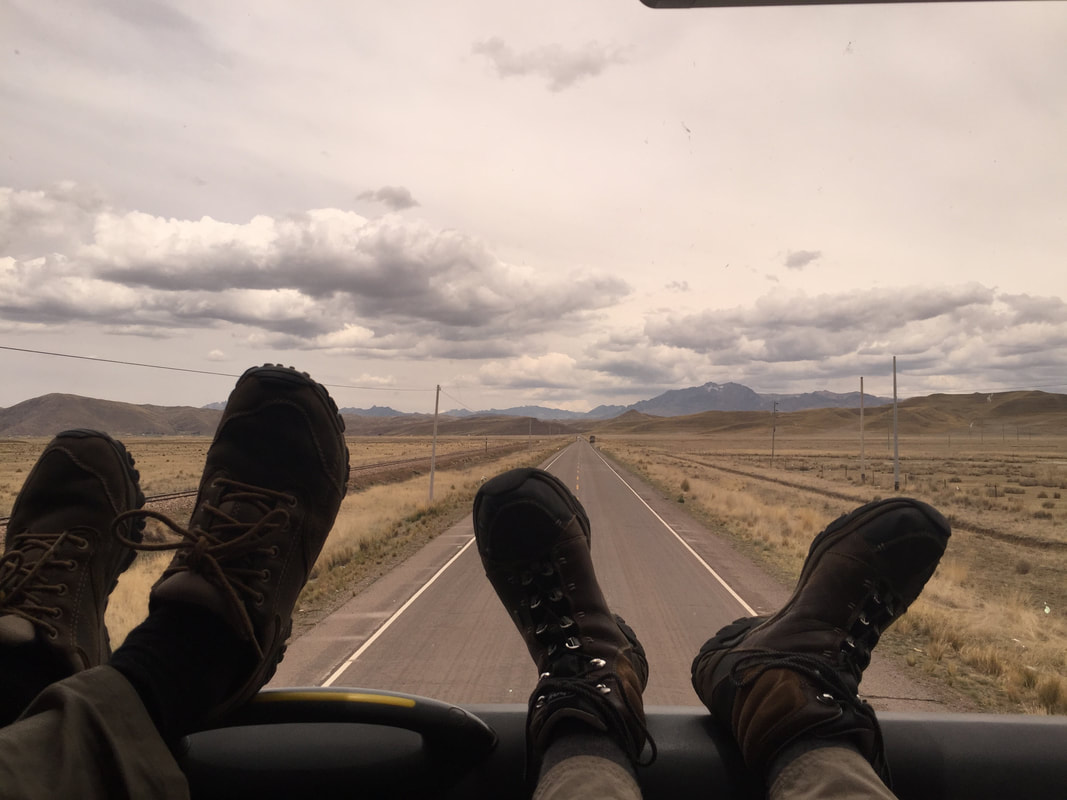
Admittedly we really only scratched the surface of this huge continent. Three countries in two months. However, for what it is worth, here are some reflections . . .
Peru is seriously cool. I could have spent much longer there. On the downside I am not sure we ever really got used to the high altitudes – living at over 3km above sea level does affect your energy levels. Things that normally you take for granted, like popping to the shops for some provisions, often leaves you sucking for oxygen and in need of a jolly good sit down and a cuppa . . . And also, while we are on the downside, Lima does slightly suck. Big, dirty, unimaginative and without a soul.
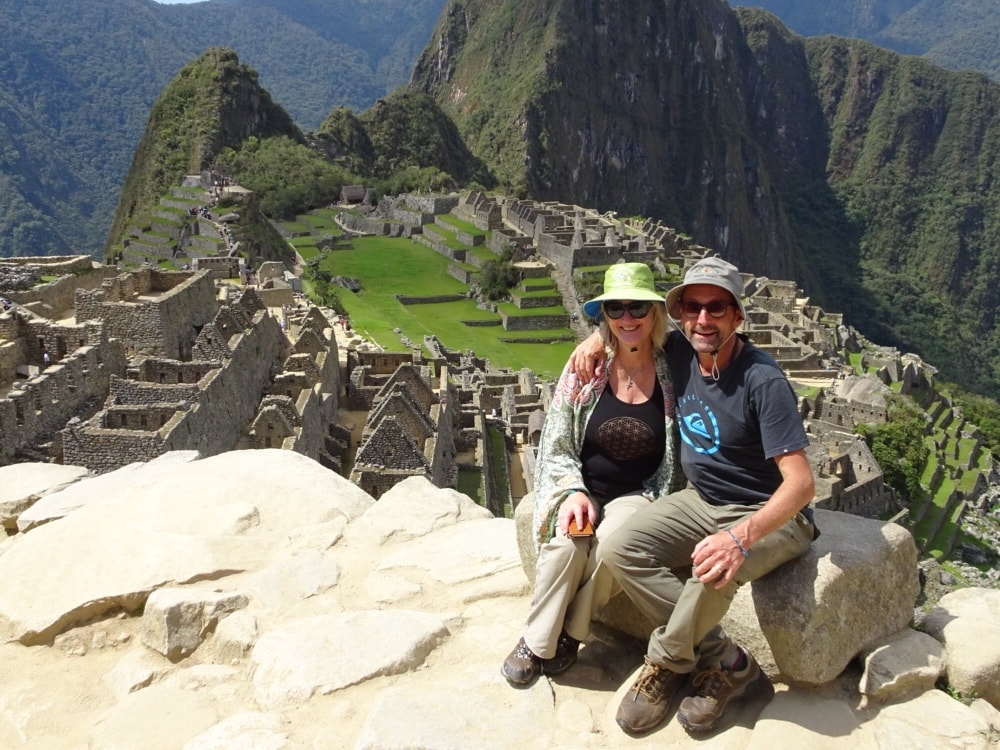
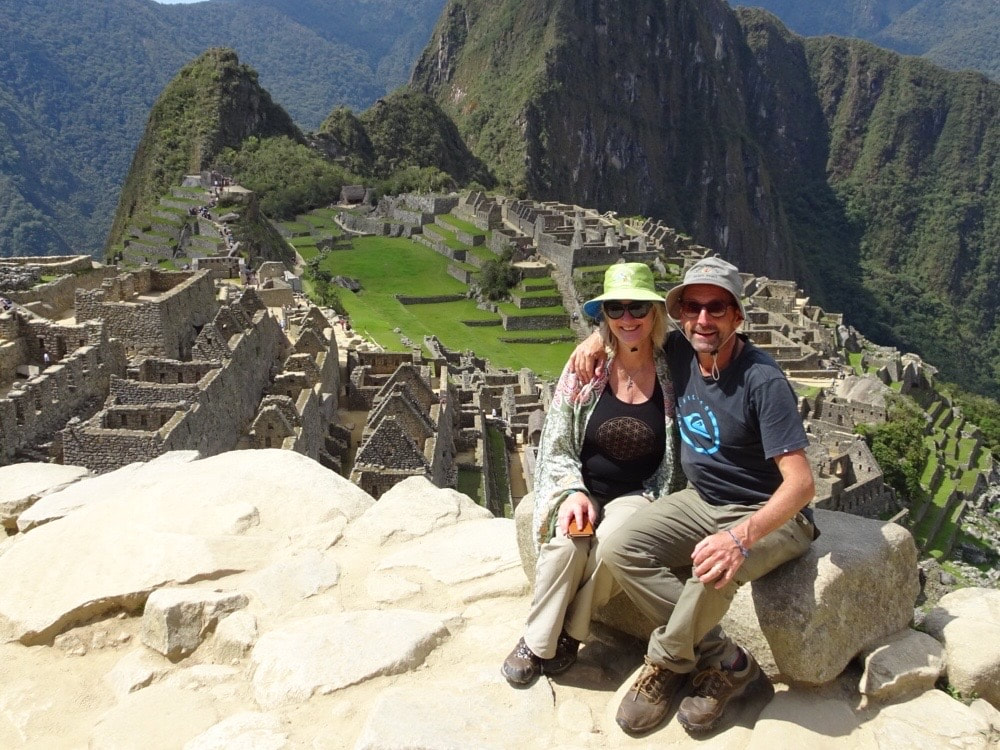
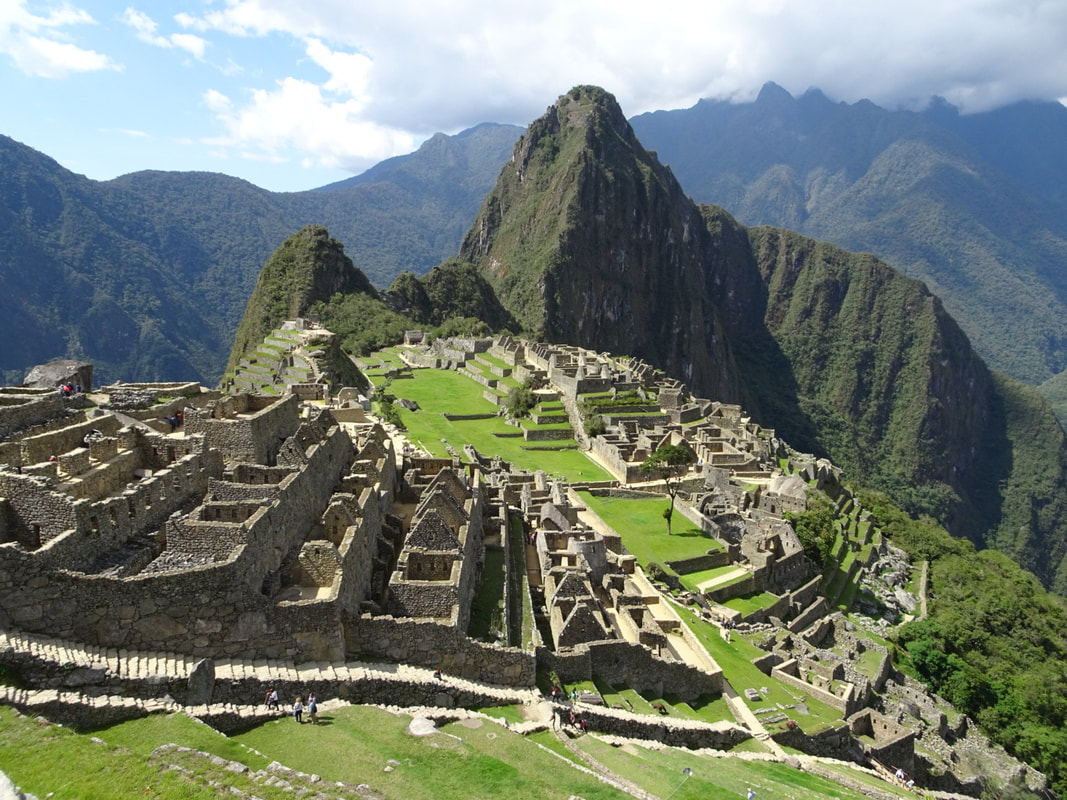
But there is so much more to Peru outside its capital city. Machu Picchu is just amazing and one of those places that actually does live up to its billing. We wandered around for almost a full day and could easily have come back for more the following morning. Cusco is laid back (well when you avoid the touristy Plaza de Armas it is) and a delight of cobbled streets, cafes serving fantastic food and nice people. Lake Titicaca is just, well beautiful and the drive there from Cusco takes you though some of the most spectacular mountain scenery I have ever encountered.
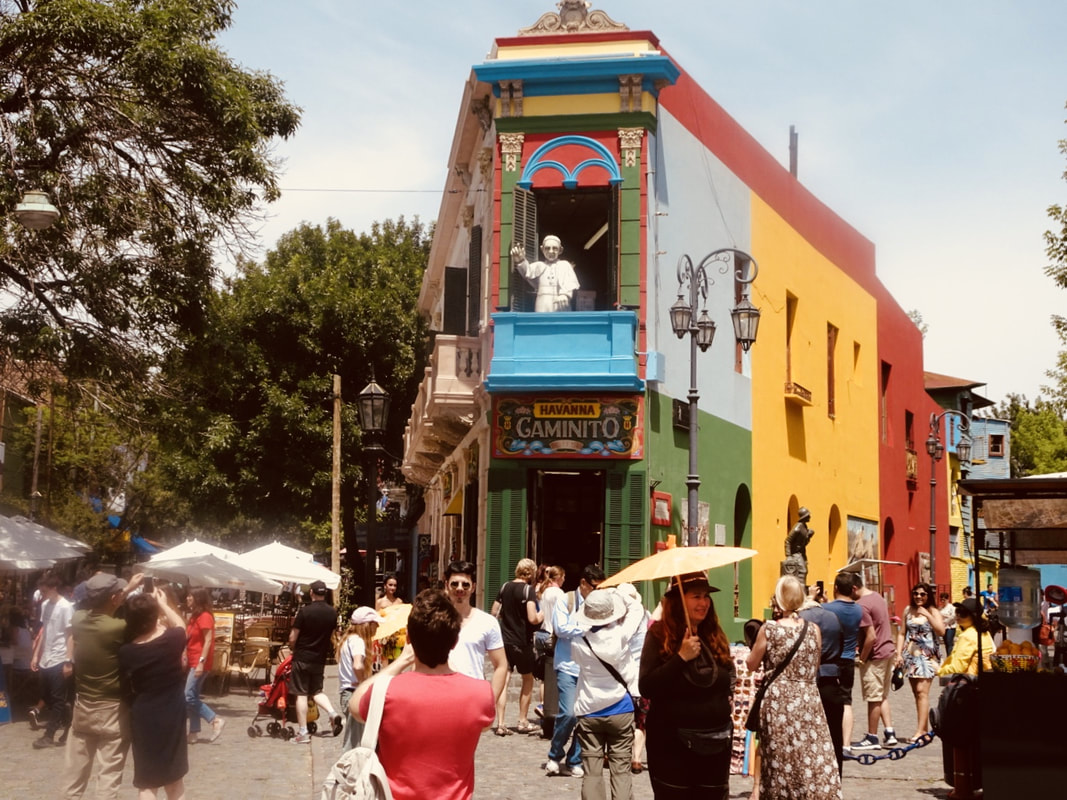
From Peru to Argentina – and a big cultural shift for us. On the plus side, Buenos Aires is a hugely fun city. So much to see and do – tree lined streets, excellent museums and galleries and the San Telmo Sunday market just brilliant. But the prices of everything probably doubled from Peru – but not (in my view anyway) the quality of merchandise on offer or deliciousness of the food.
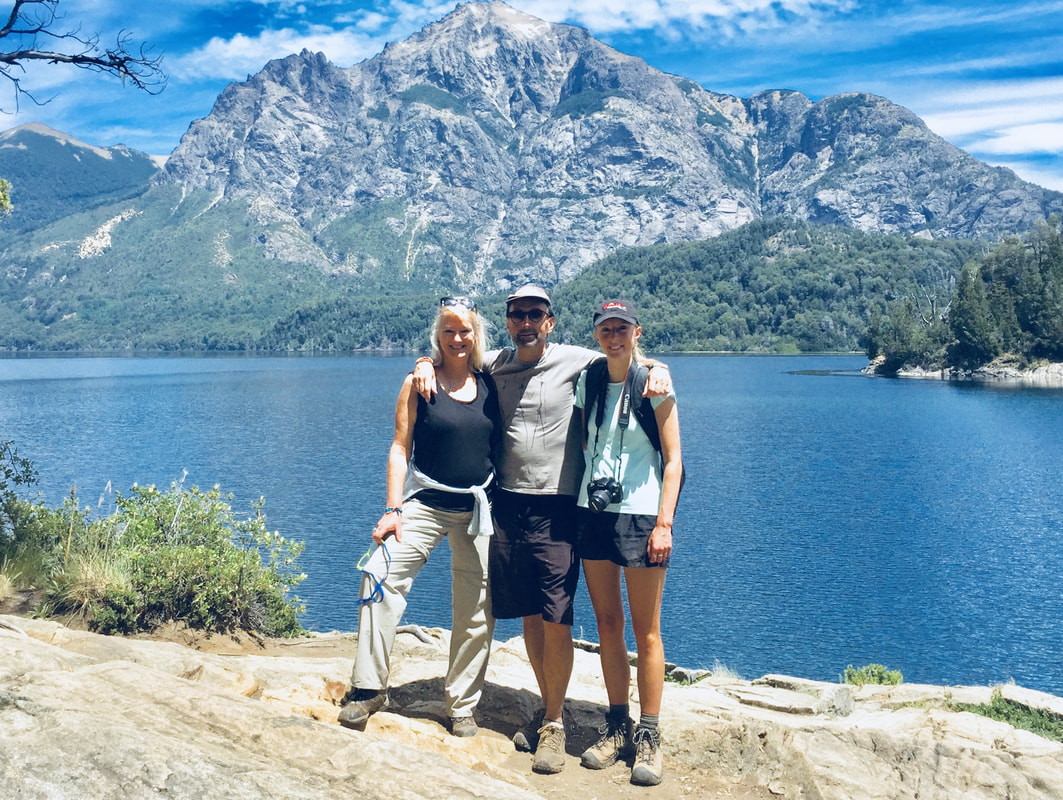
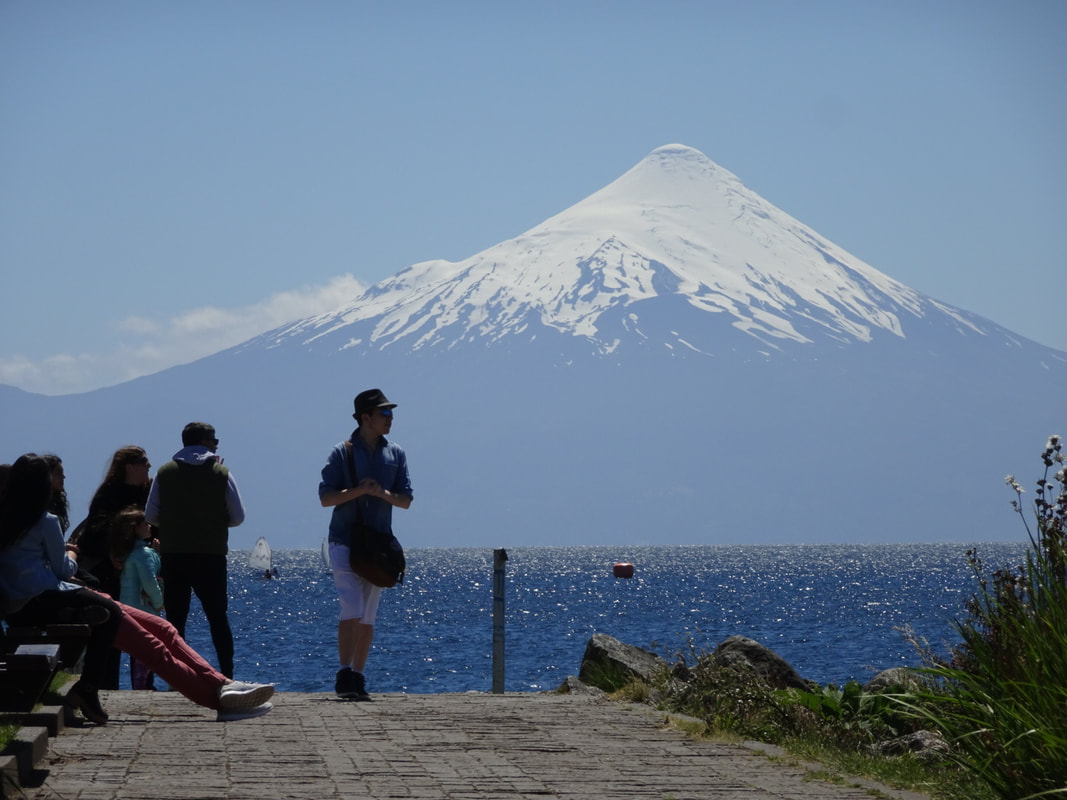
So its adios South America. Like any form of travelling its been a contrast of scenery and culture. We wouldn’t have missed it for the world . . .
Days 254 to 260: Volcanoes in Chile
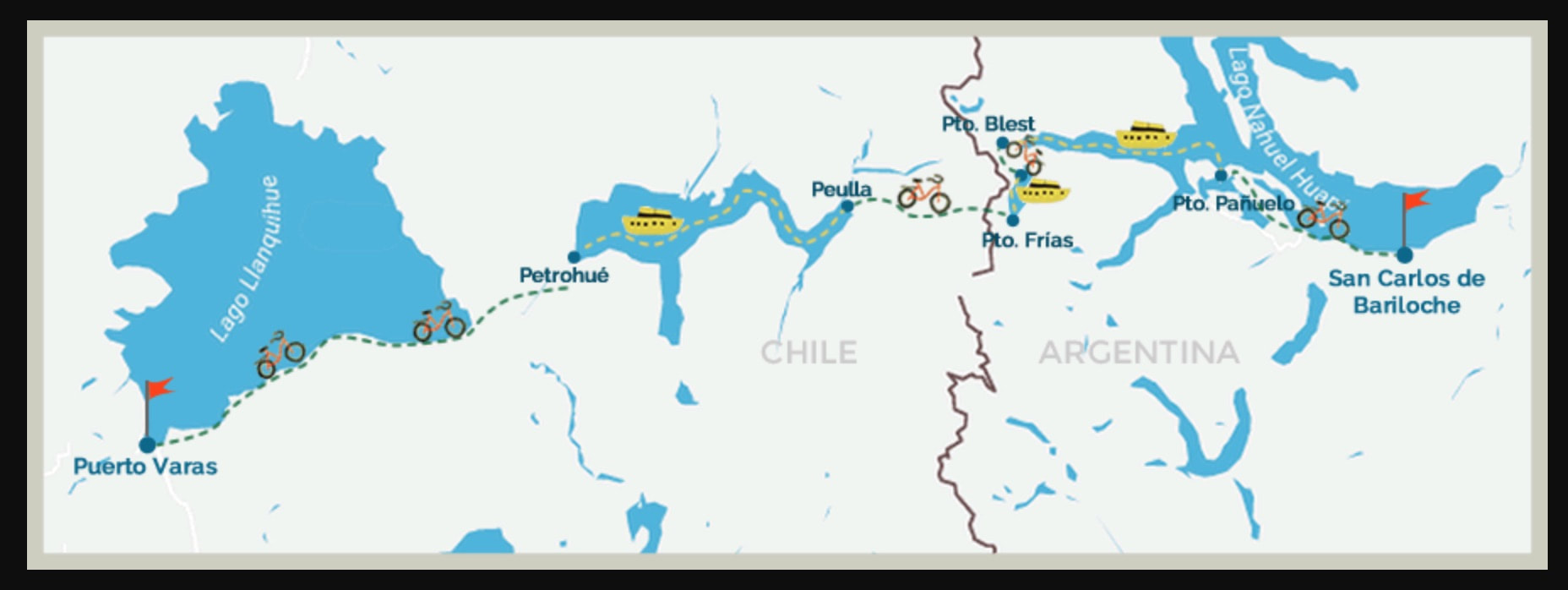
Step two was more confusing – I wandered over to another section and was called to a counter where I presented my passport again, along with various forms from the rental car company “allowing” me to take their cheap piece of junk across the border. I was greeted with a fast stream of Spanish until the official looked at my passport. “ALL BLACKS” he boomed. “PUMAS” I barked back, entering into the spirit of things. From then on things went very smoothly with lots of furious stamping and (helpfully) no further correspondence in Spanish until all was seemingly complete upon which I received a “GOOD MORNING” which fair shook the rafters and caused a number of curious looks from others in the queue.
I drove off feeling quite pleased with myself only to discover, about 20km further down the road, an identical Chilean border control where the whole process was repeated . . .
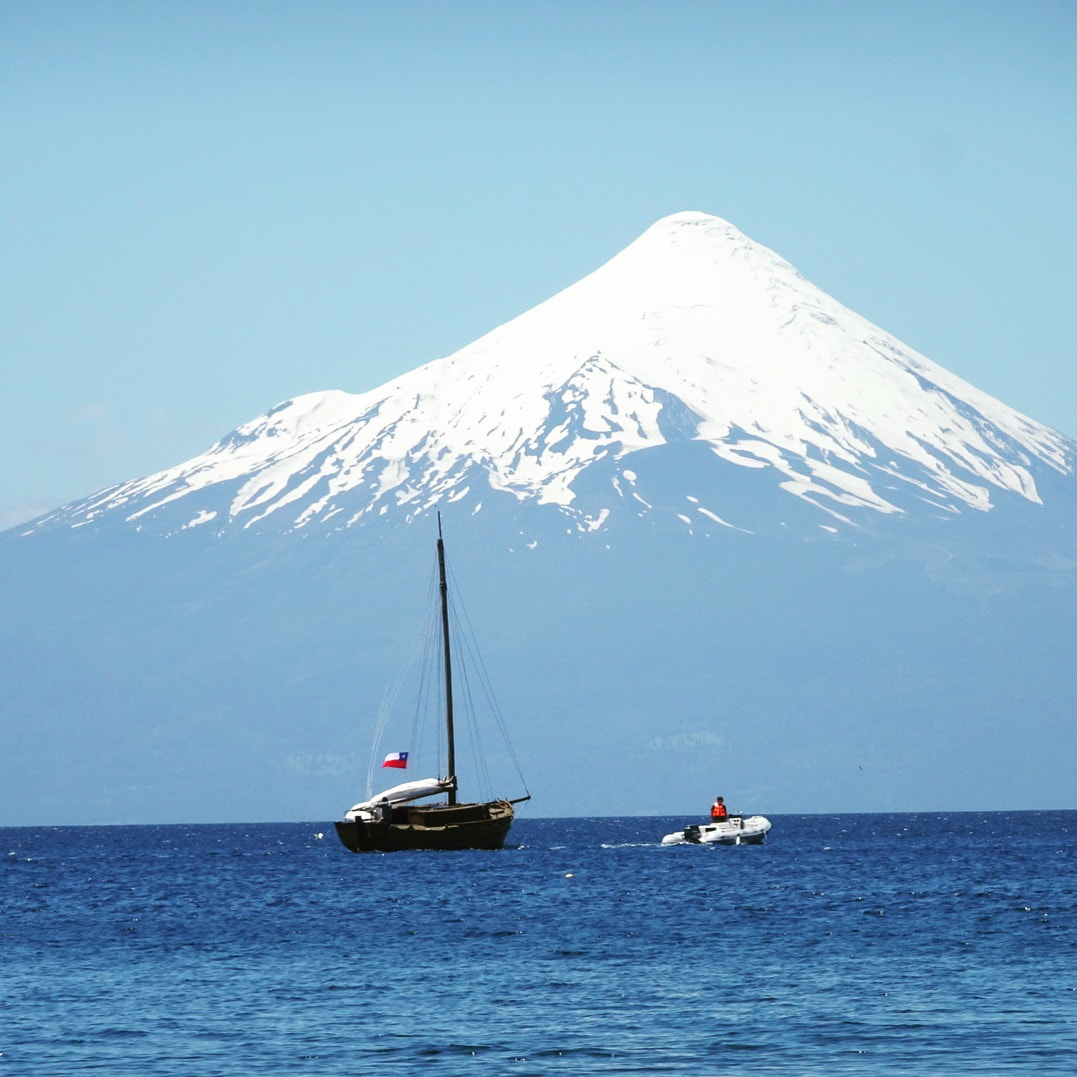
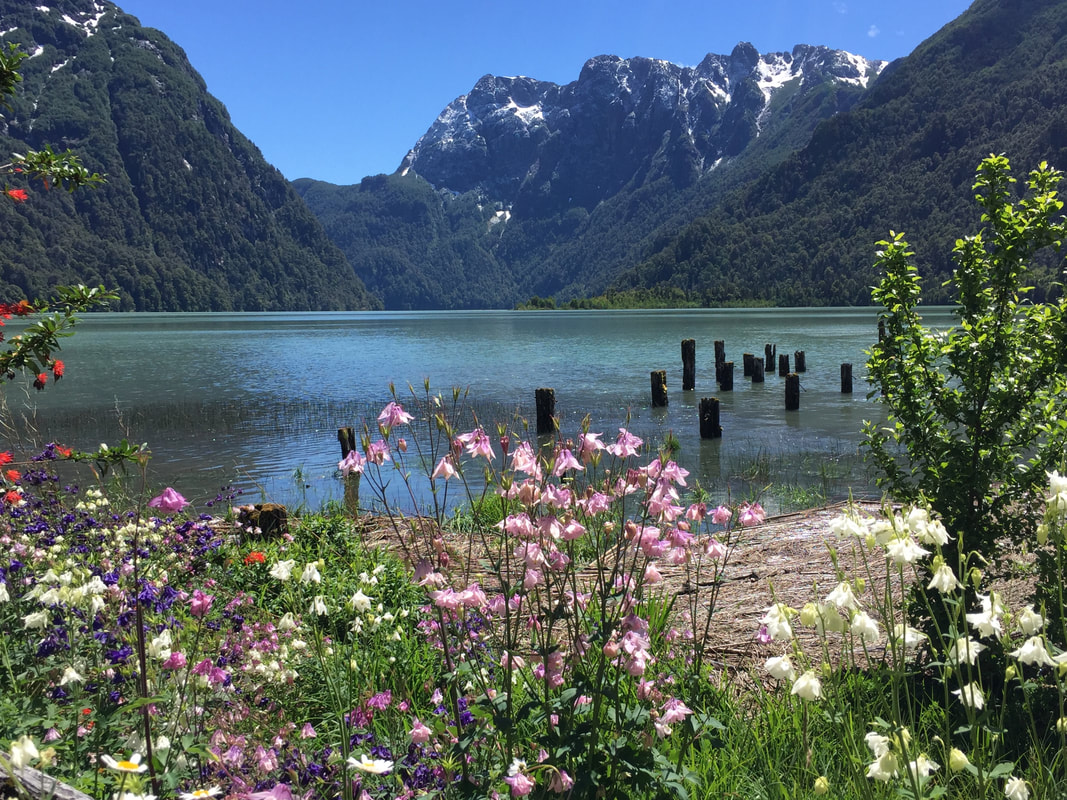
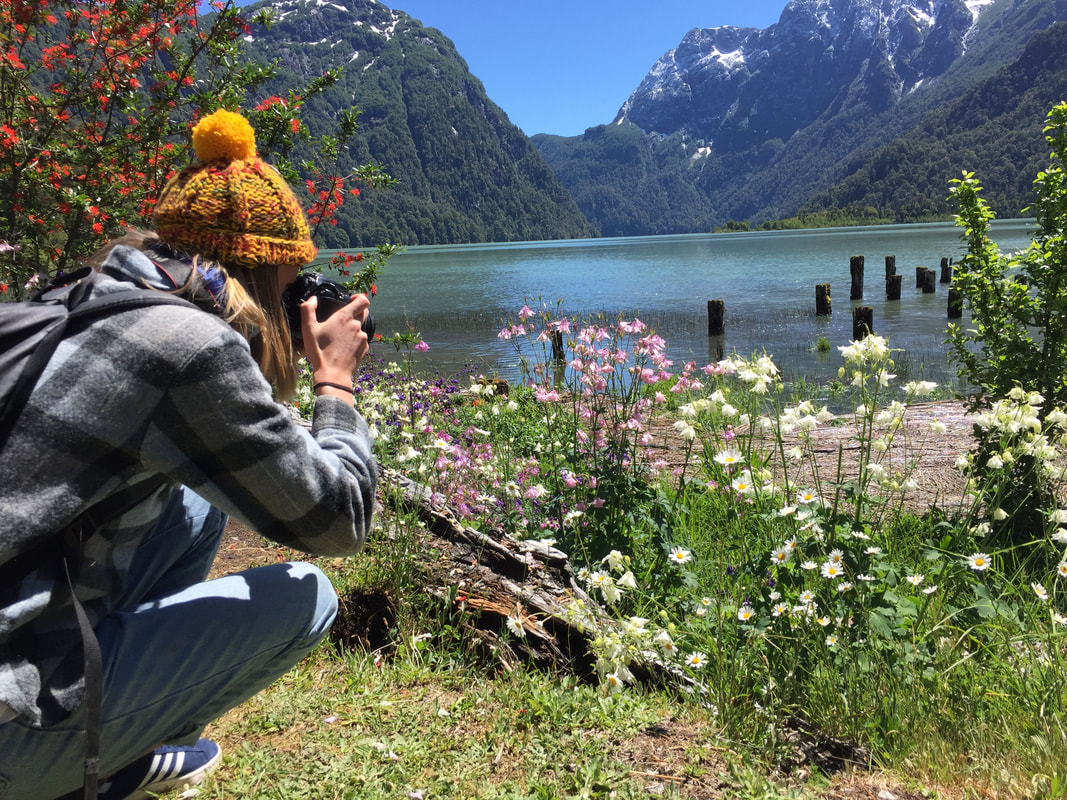
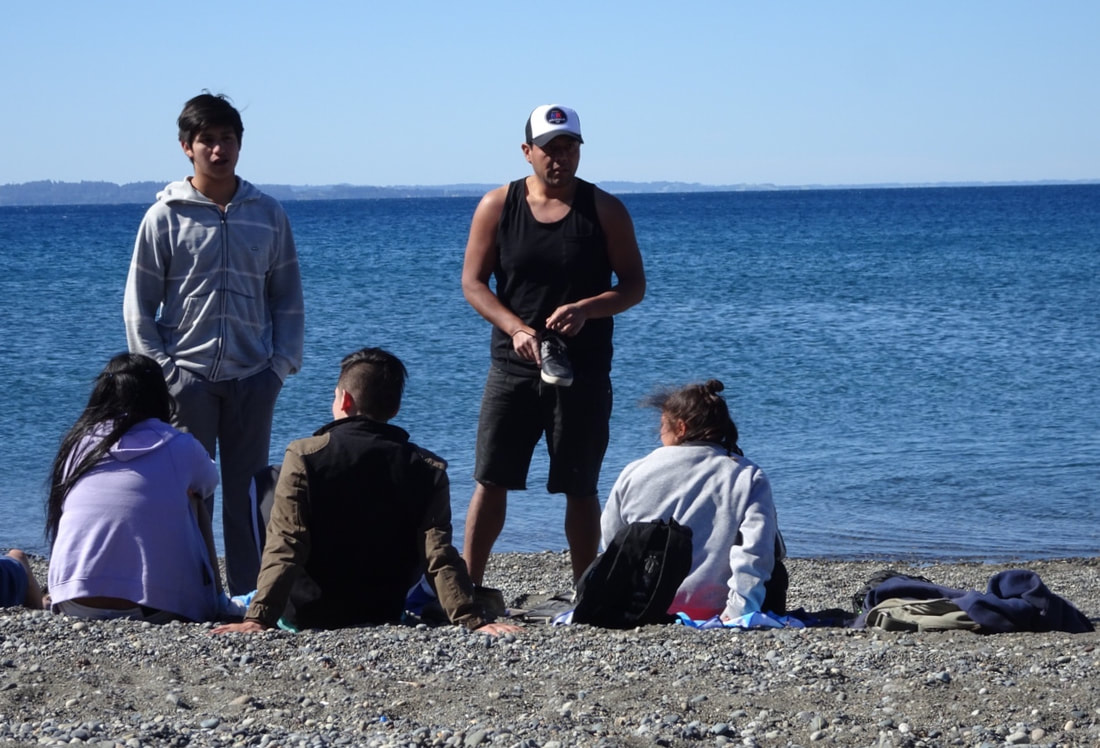
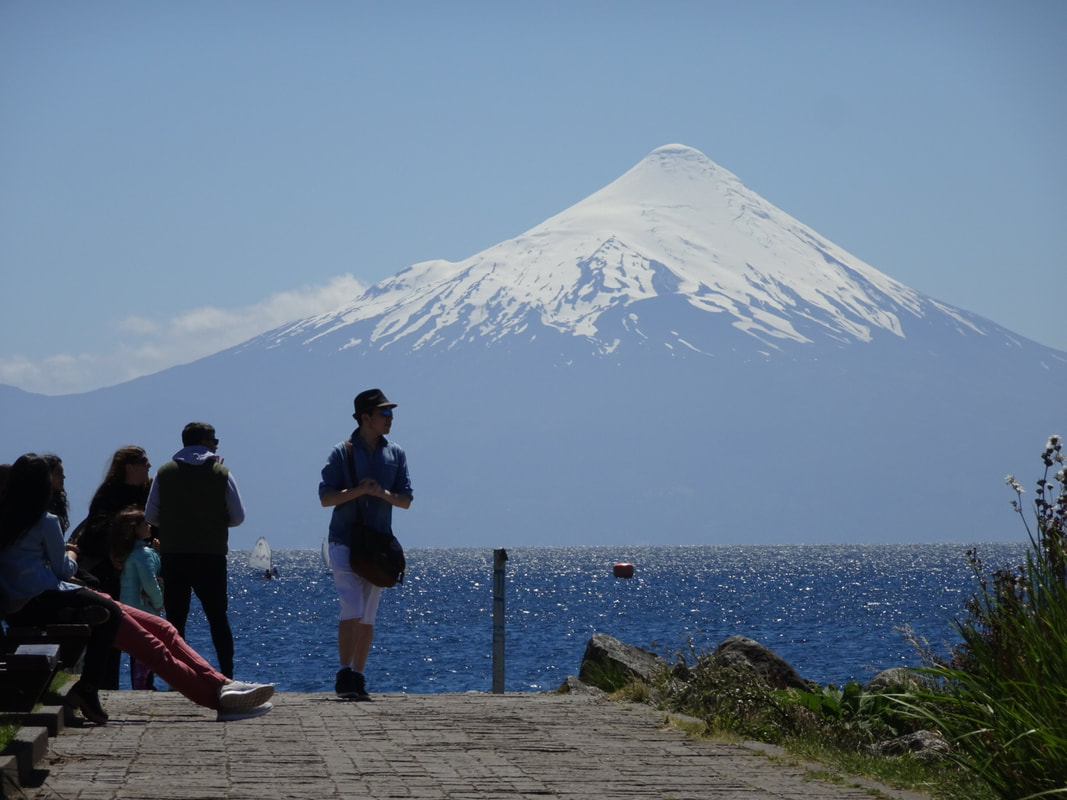
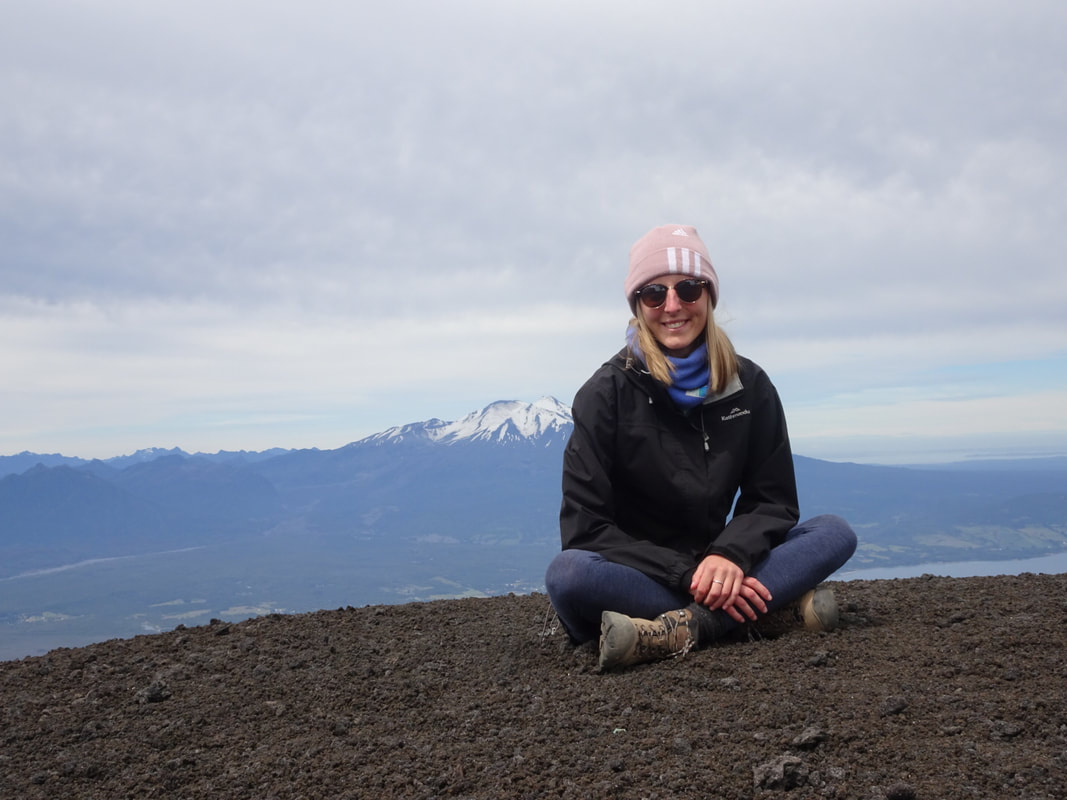
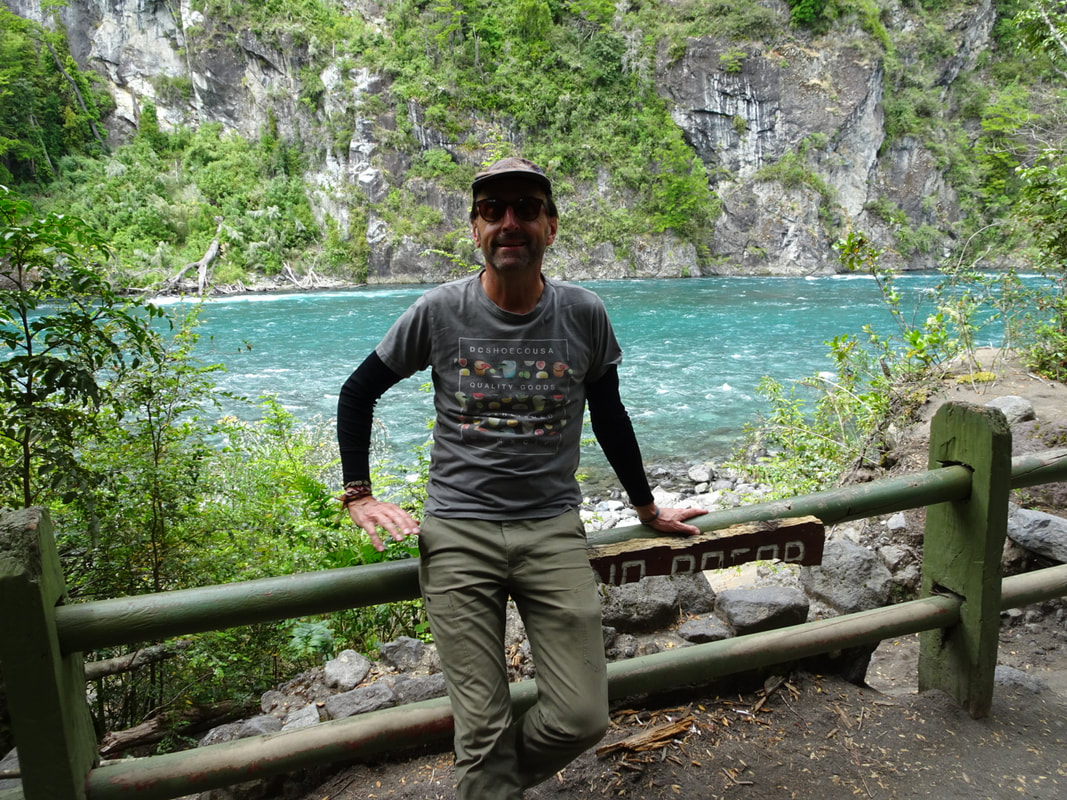
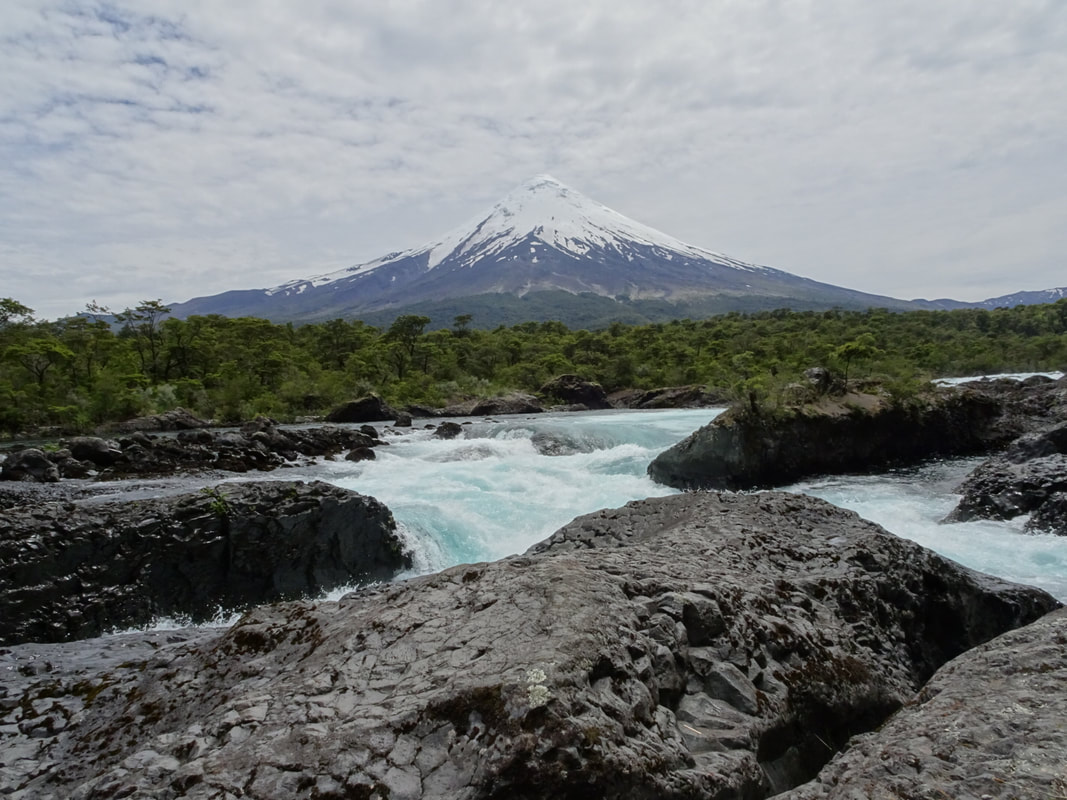
Well I am pleased to report our time in Chile made it all worthwhile. The town of Puerto Varas, also known as “La ciudad de las rosas” or “the city of roses”, is nestled on the shore of Chile’s second largest lake – Llanquihue. Our Airbnb is about 100m from the lakeshore, and just around the corner from some excellent restaurants. It’s been sunny but not exactly tropical in terms of temperature with an average of 15 degrees in what is supposed to be one of the hottest months. Having said that the lake foreshore has been full of local families taking in the sun and swimming – surprisingly the lake temperature is not so icy cold (not that I have yet taken the plunge).
Days 240 to 247: Buenos Aires – Evita Peron, The Tango and trying to go Vegetarian
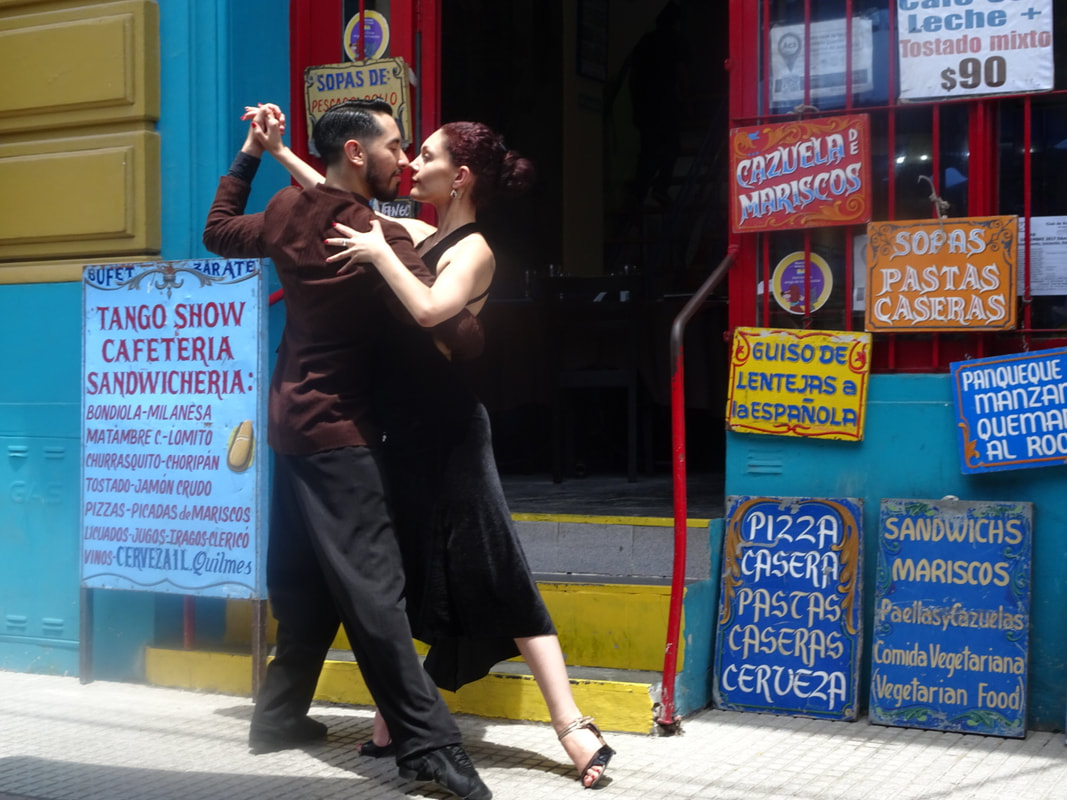
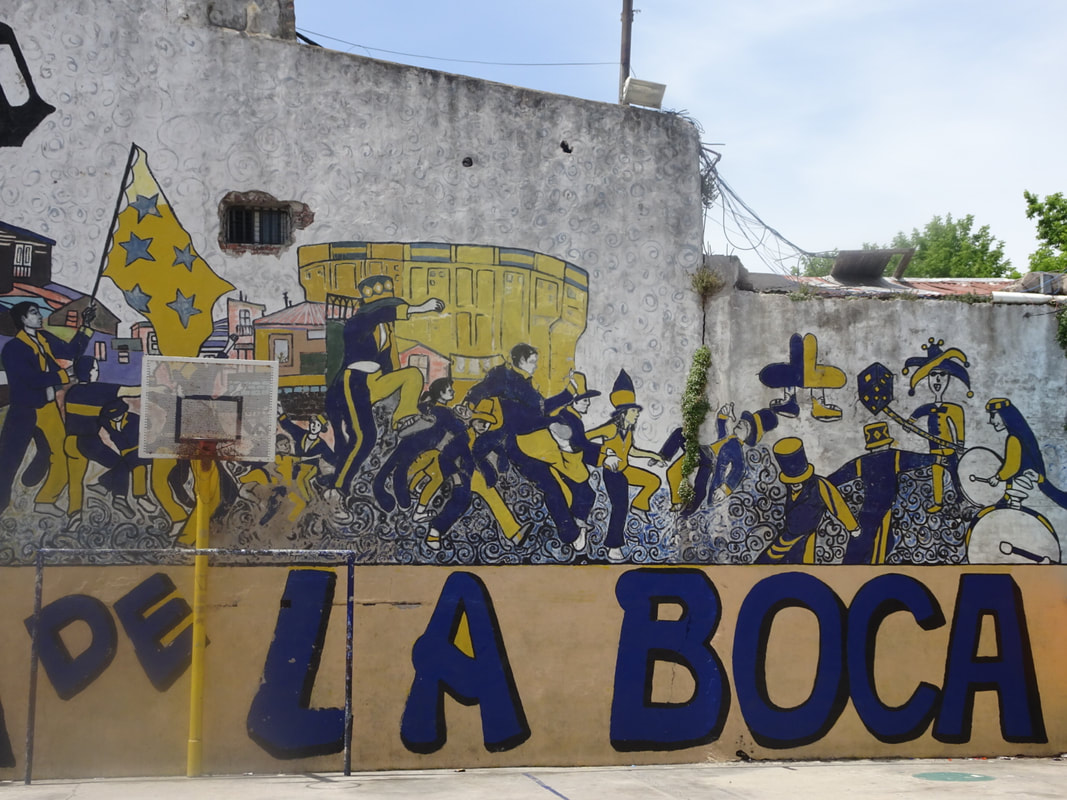
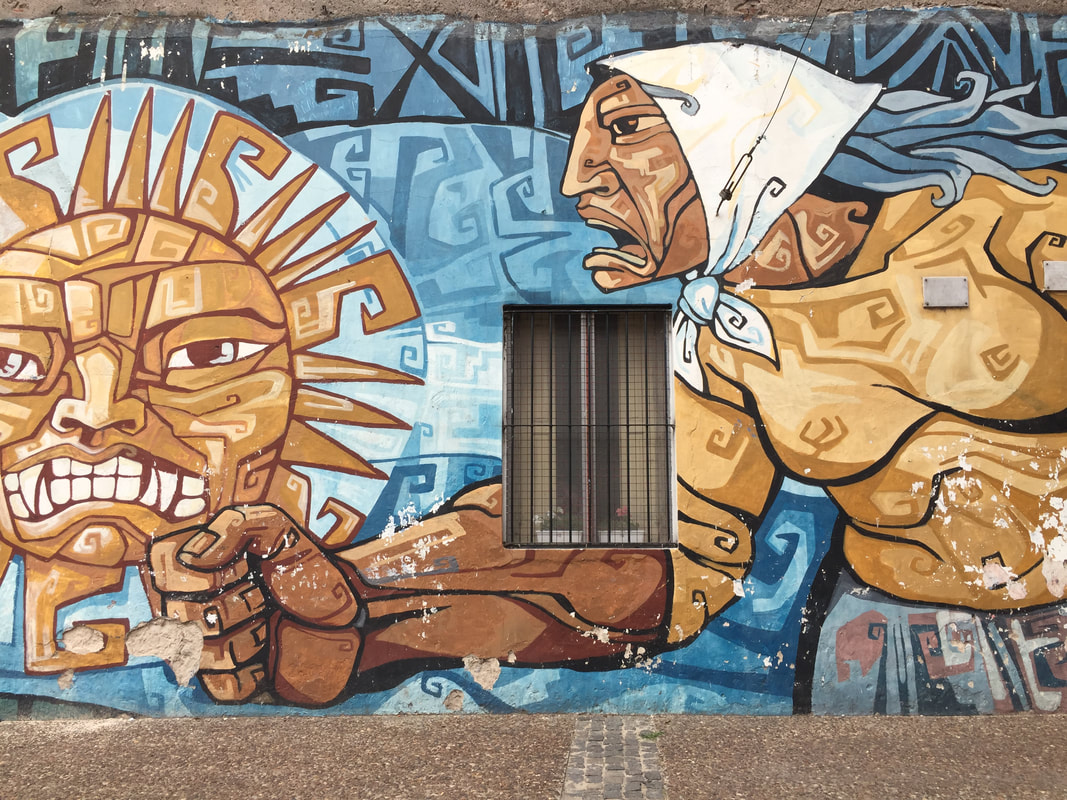
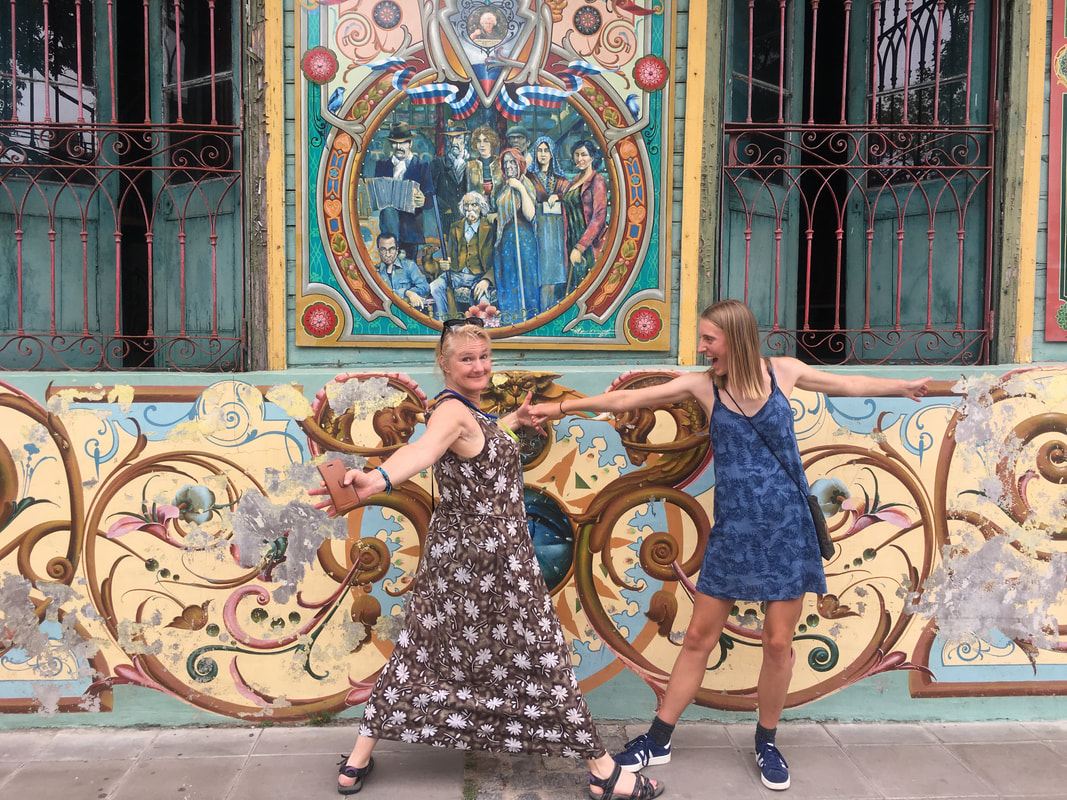
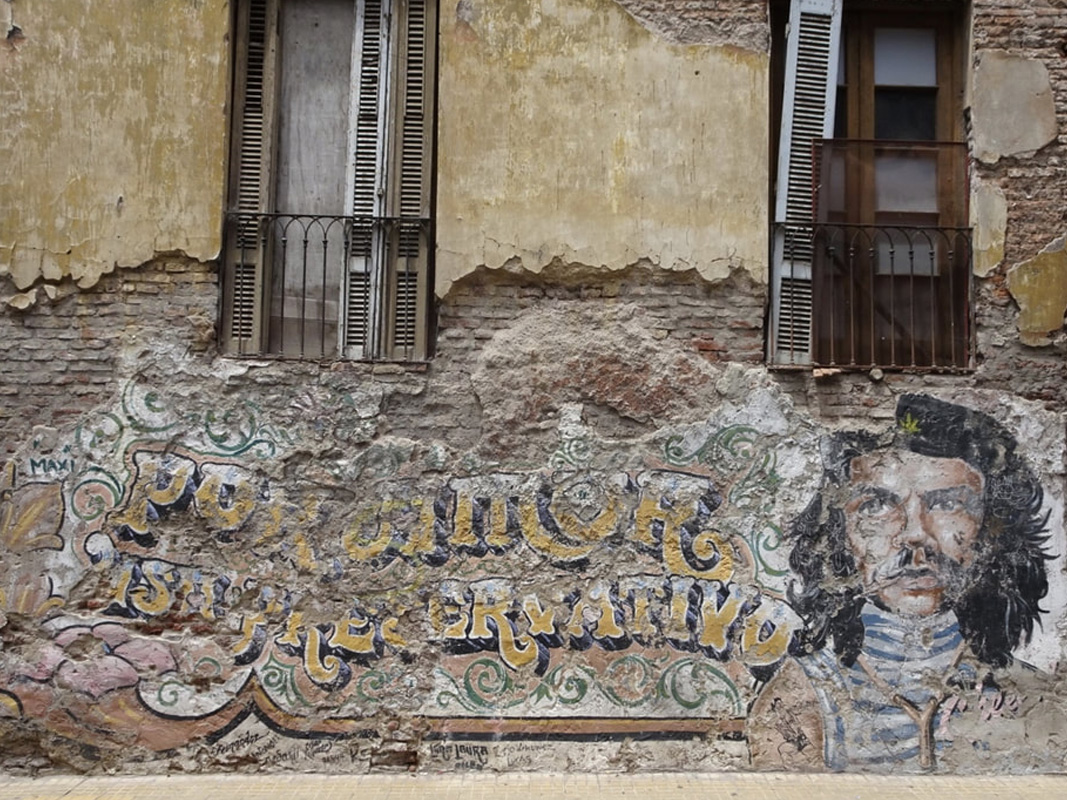
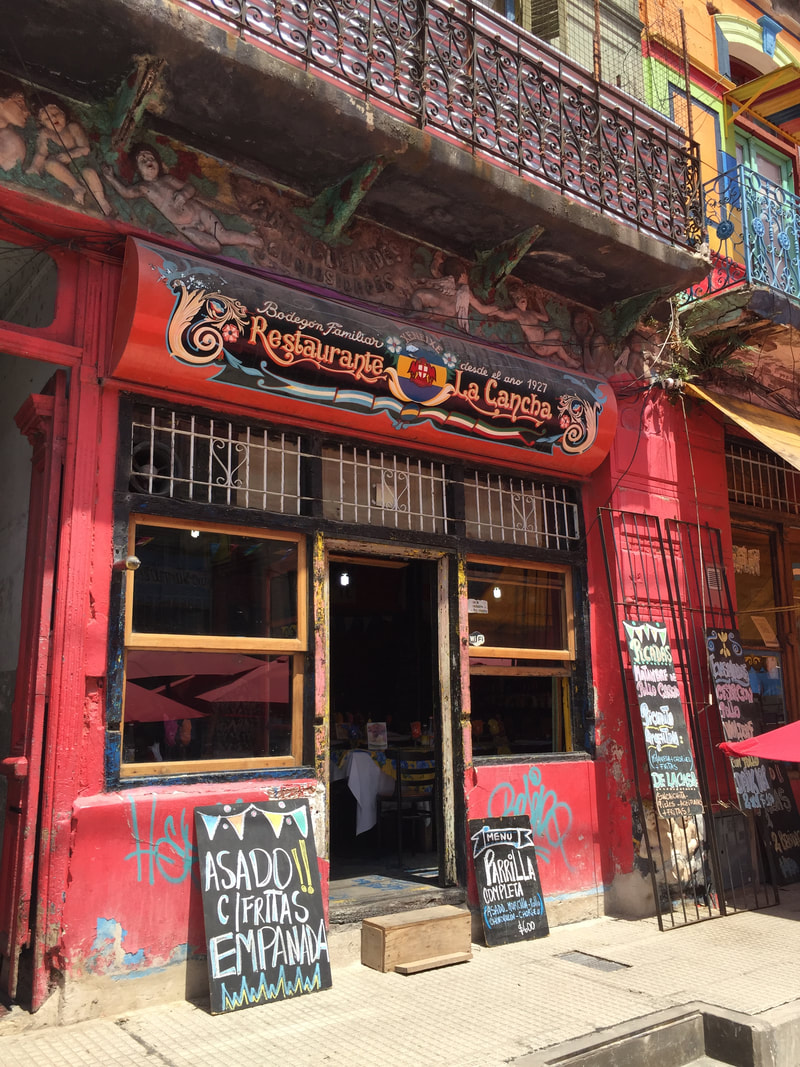
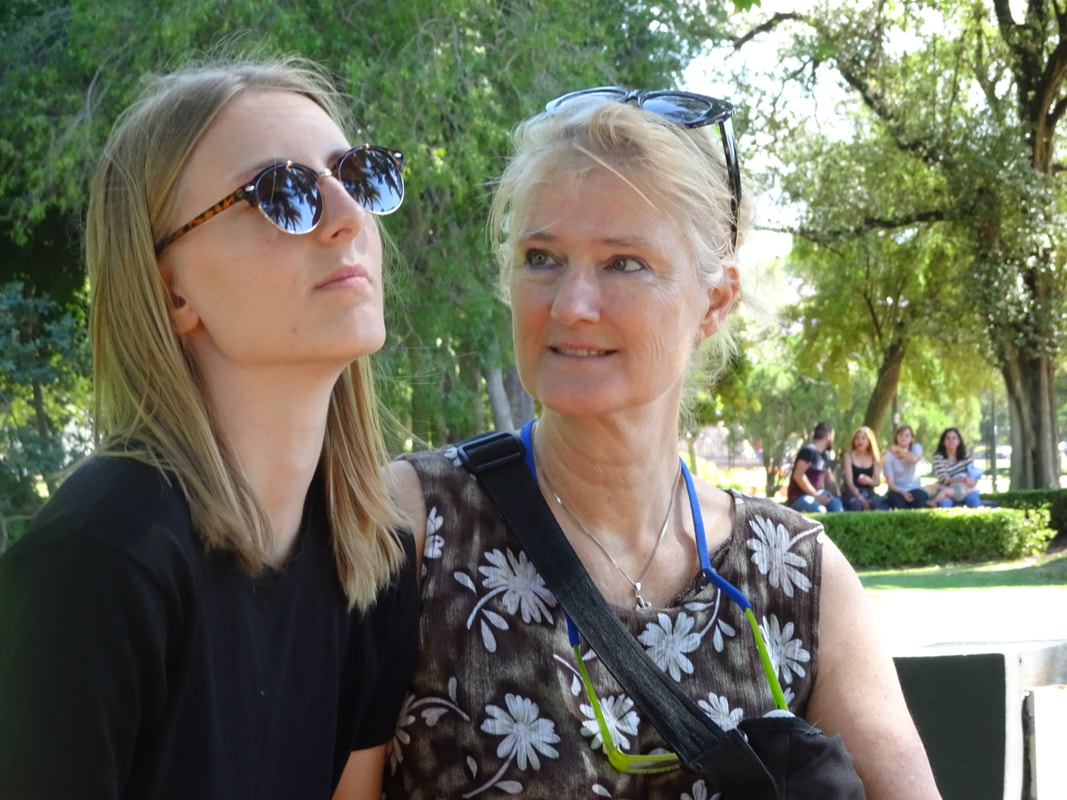
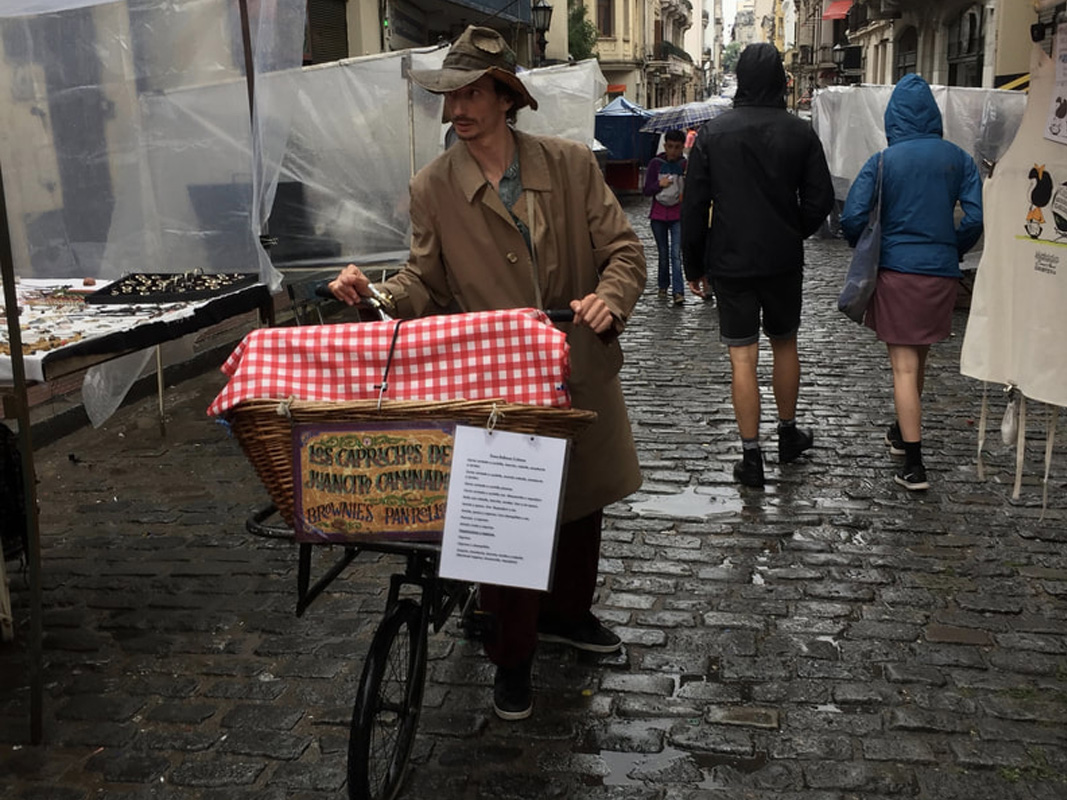
And it wasn’t until we arrived that I sort of got why so many had trouble describing the place . . . Buenos Aires is a city like no other I have experienced. Alongside rough and ready neighbourhoods tower grand old buildings, ornate and beautiful. Alongside barrios where tourists are warned against openly displaying cameras and backpacks lie streets full of designer and upmarket shops. And where you see chic young Argentinians sipping their morning lattes there will also be an endless stream of street sellers touting socks, paper tissues or simply after small change.
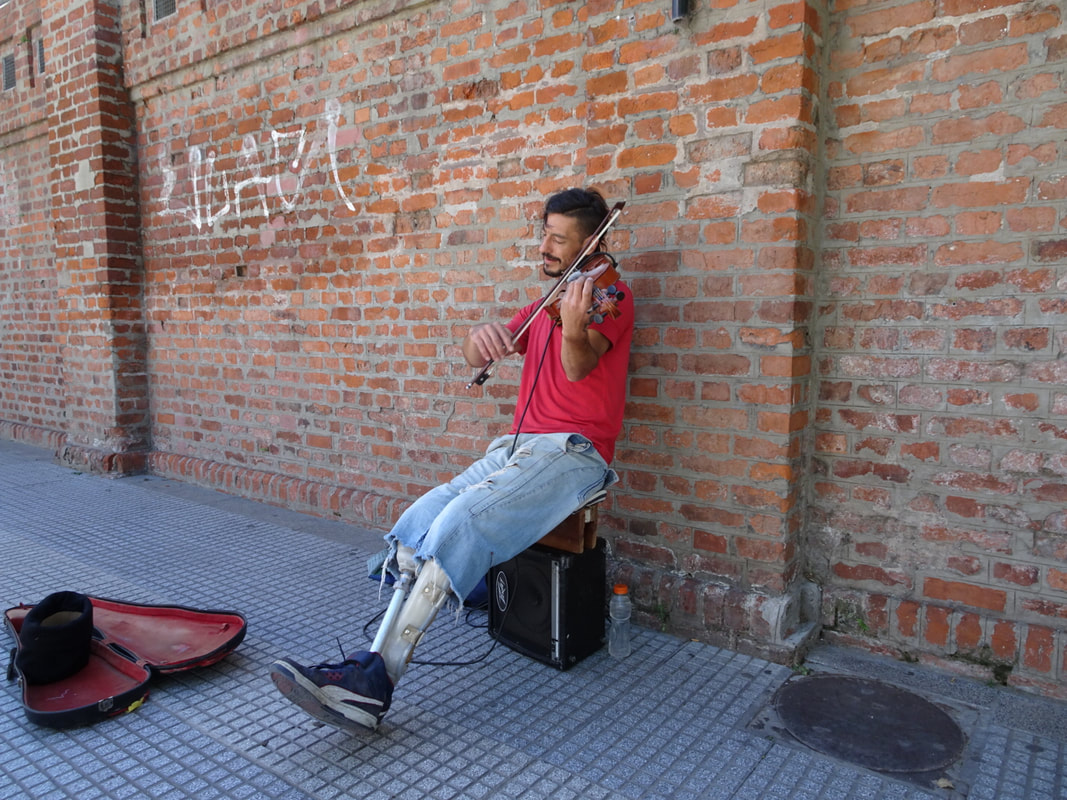
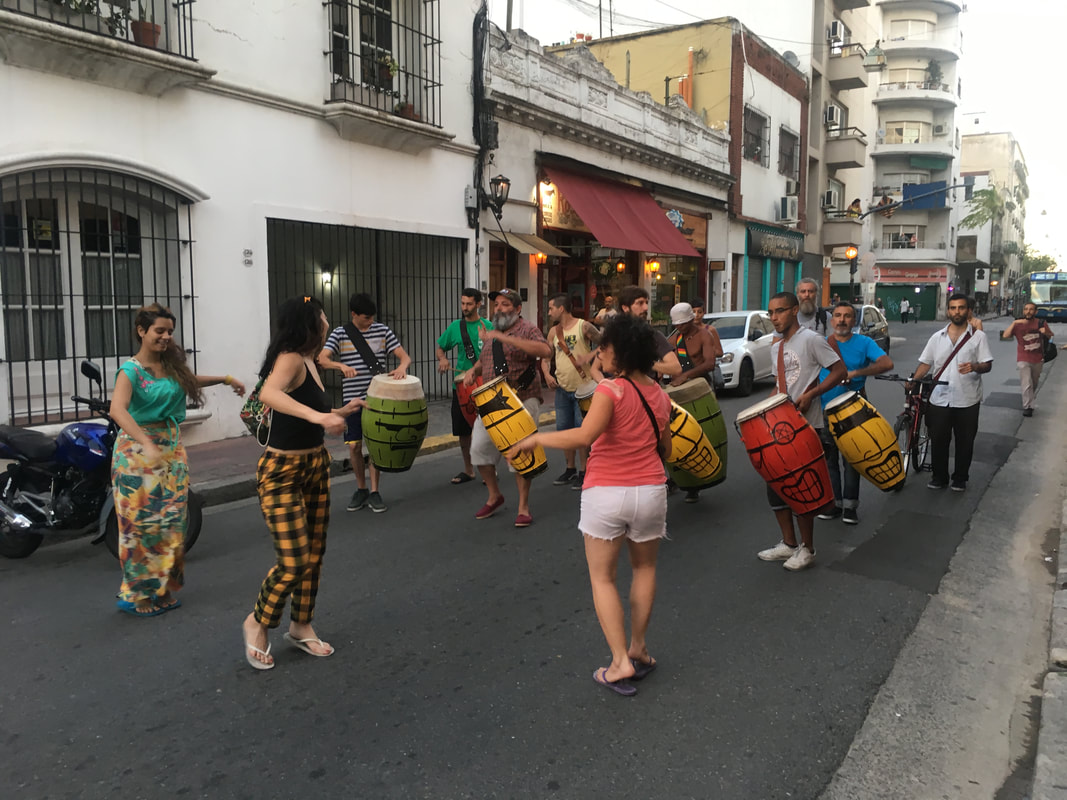
Buenos Aires is home to around 17 million inhabitants – in fact one third of Argentinians live here which sort of leaves the rest of this huge country feeling a little empty. I was astounded to learn Buenos Aires is only ranked 81st in the world for quality of life. Well whoever gave it that rank must like manicured lawns, white picket fences and being in bed at 8pm with a warm cup of cocoa because seriously – this city rocks. Its hard to go out on the streets without the senses being assailed by something going on: whether it be massive protests in the Plaza del Mayo, tango dancing and music on the streets or fireworks being let off indiscriminately (and that was just during the last 3 days).
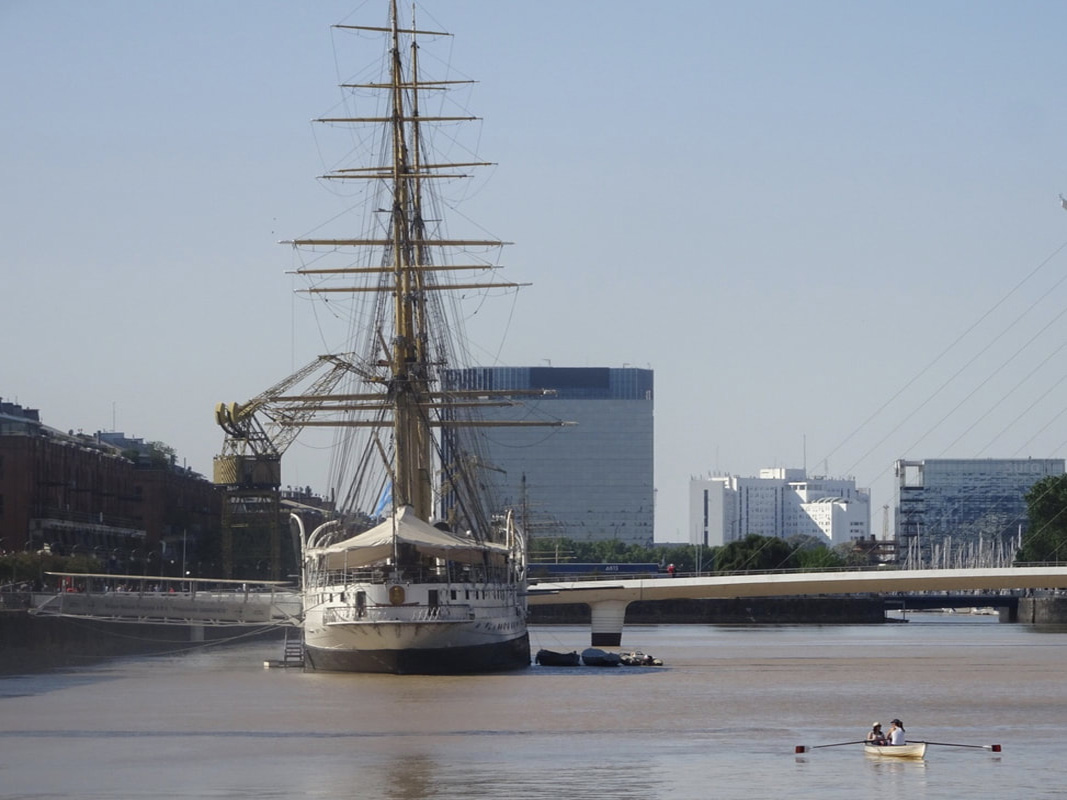
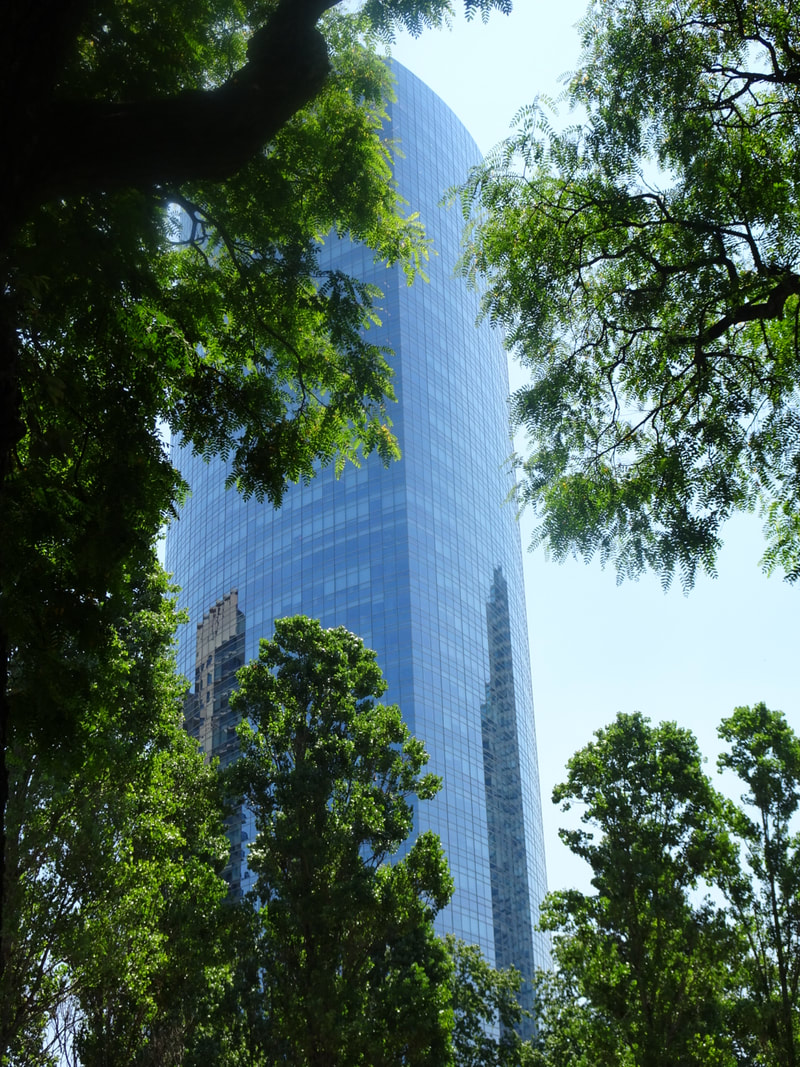
One person who has always fascinated me, but of whom I have to admit I knew relatively little about (aside from being able to belt out some tracks of the Andrew Lloyd Webber musical), is Eva Peron. From humble beginnings in rural Argentina Eva Duarte travelled to Buenos Aires in 1934 in search of fame and fortune as an actress. It turns out she was moderately successful in her acting career, which may have continued had she not met and married Colonel Juan Peron who would become President of Argentine in 1946.
And this is where the extraordinary story really takes off as, with no official Government position and within six years, Eva Peron was instrumental in winning Argentinian women the right to vote, acted as the defacto Minister of Health and Labour and founded the Eva Peron Foundation which helped establish thousands of hospitals, schools, orphanages and homes for the aged. When she died of cancer at the age of 33 (incidentally she was apparently the first Argentinian to undergo Chemotherapy), the people’s grief was almost overwhelming. Flowers were sold out in the whole of Argentina – reminiscent of the passing of Diana, Princess of Wales. She was loved by the poor and working and class and is still referred to as the Spiritual Leader of the Nation. Quite a lady . . .
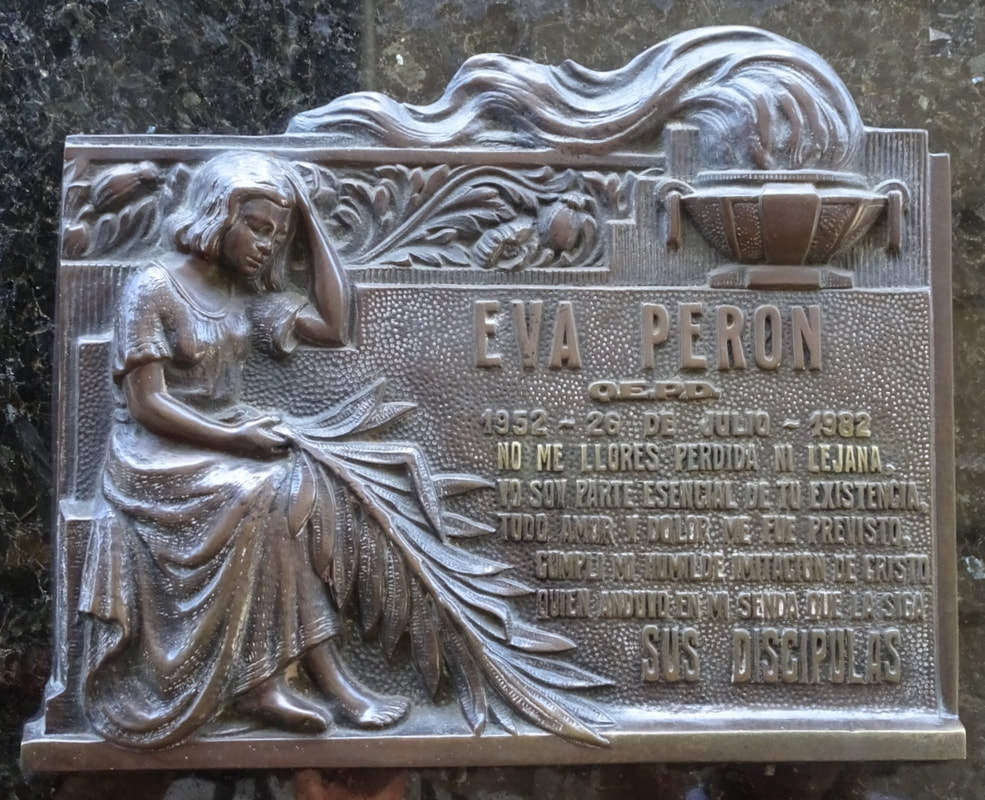
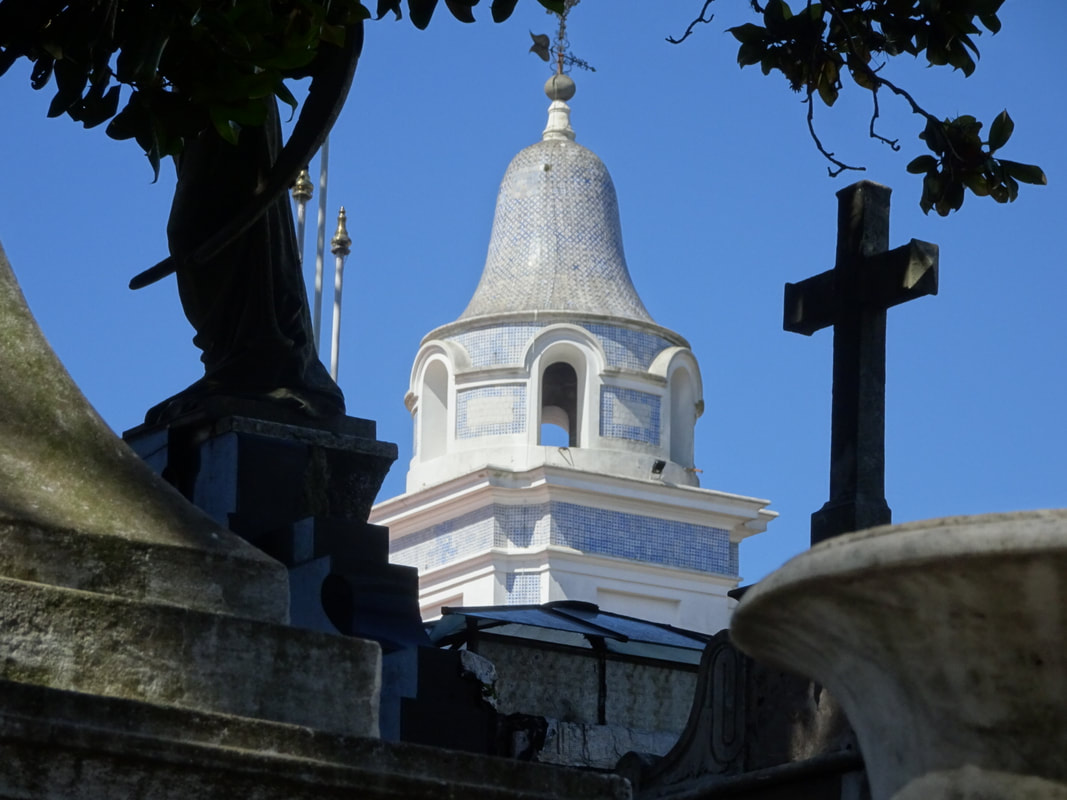
It was natural therefore that part of our Buenos experience would somehow involve Eva – and so it was with a visit to the Eva Peron museum and the Recoletta Cemetery. The latter was quite an experience, the Recolleta Cemetery being a surreal maze of over 6,000 mausoleums – most with ornate frontages and glass doors behind which stood anything from one to half a dozen coffins. Viv and I elected not to take a tour, where we would undoubtedly have learnt more than we would ever want to know about notable Argentinian internees, and instead headed straight for most photographed tomb of Eva Peron. I am pleased to say we added to the photography statistics.
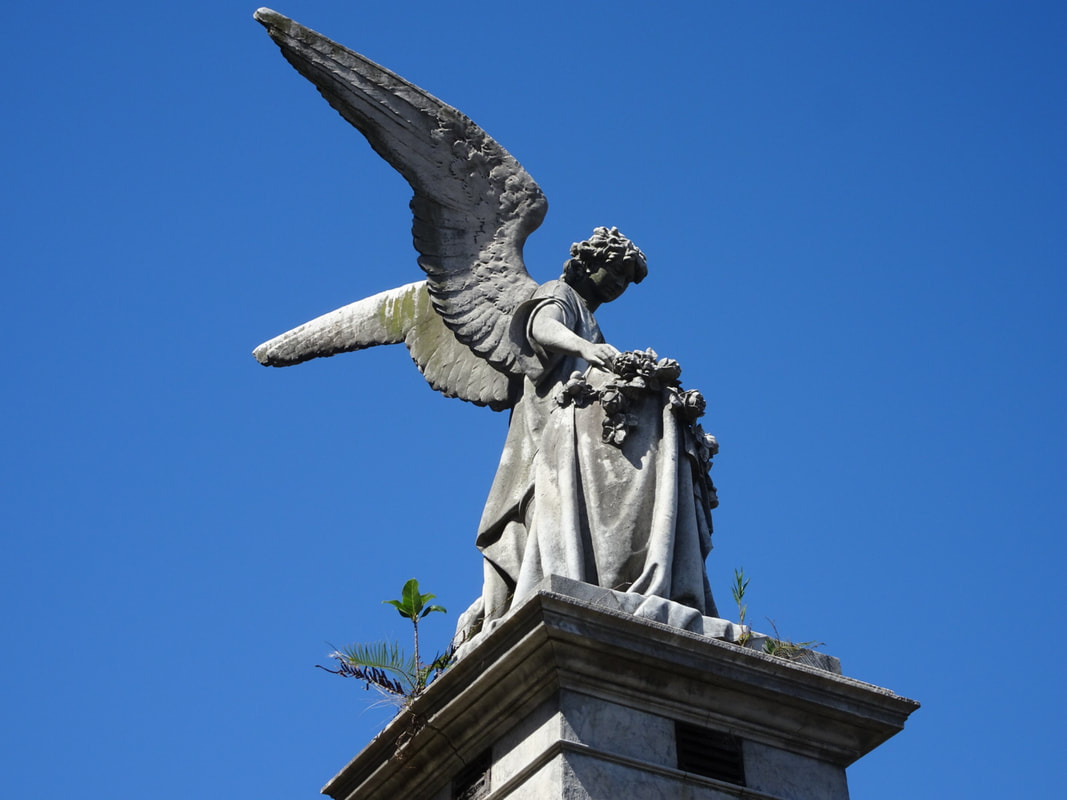
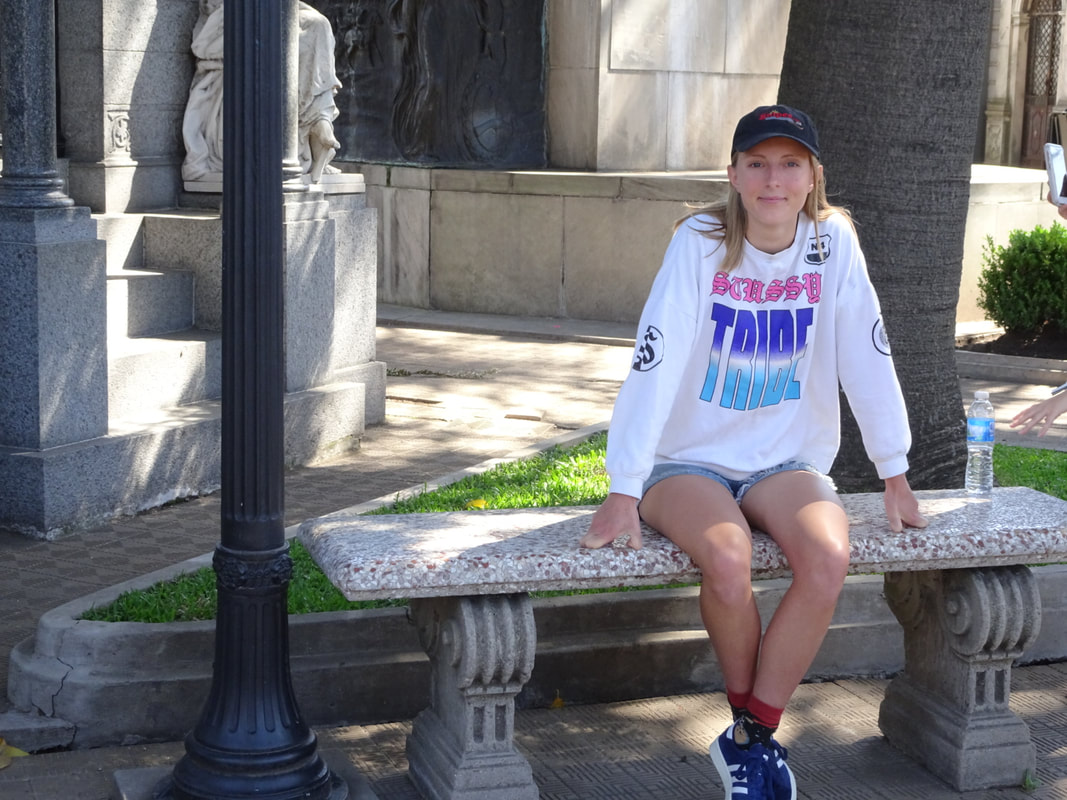
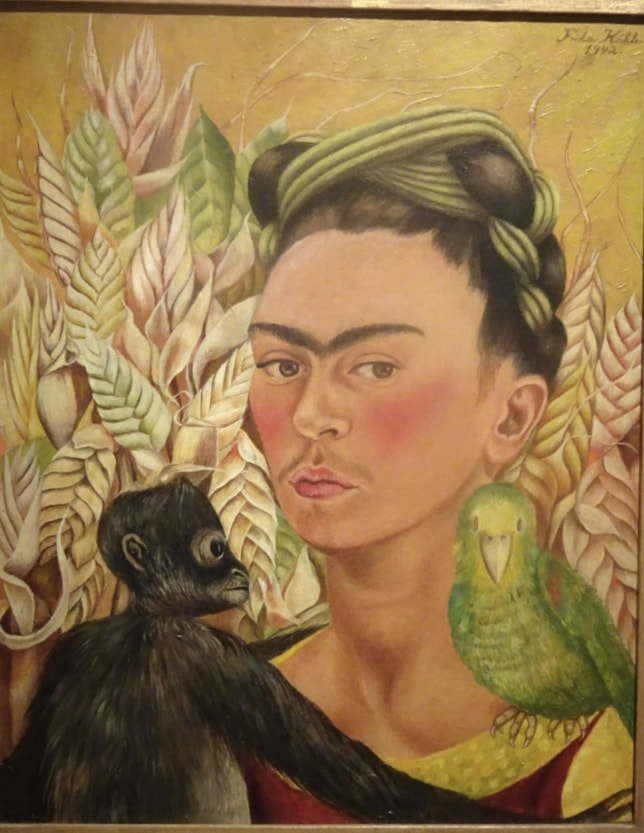
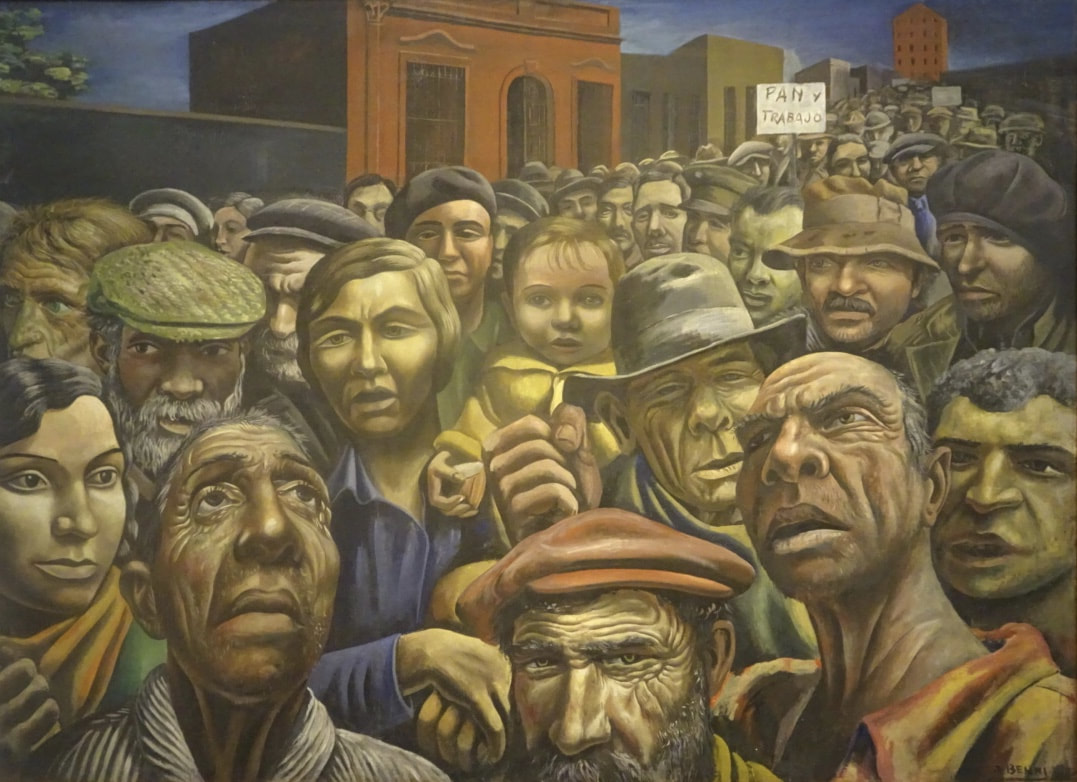
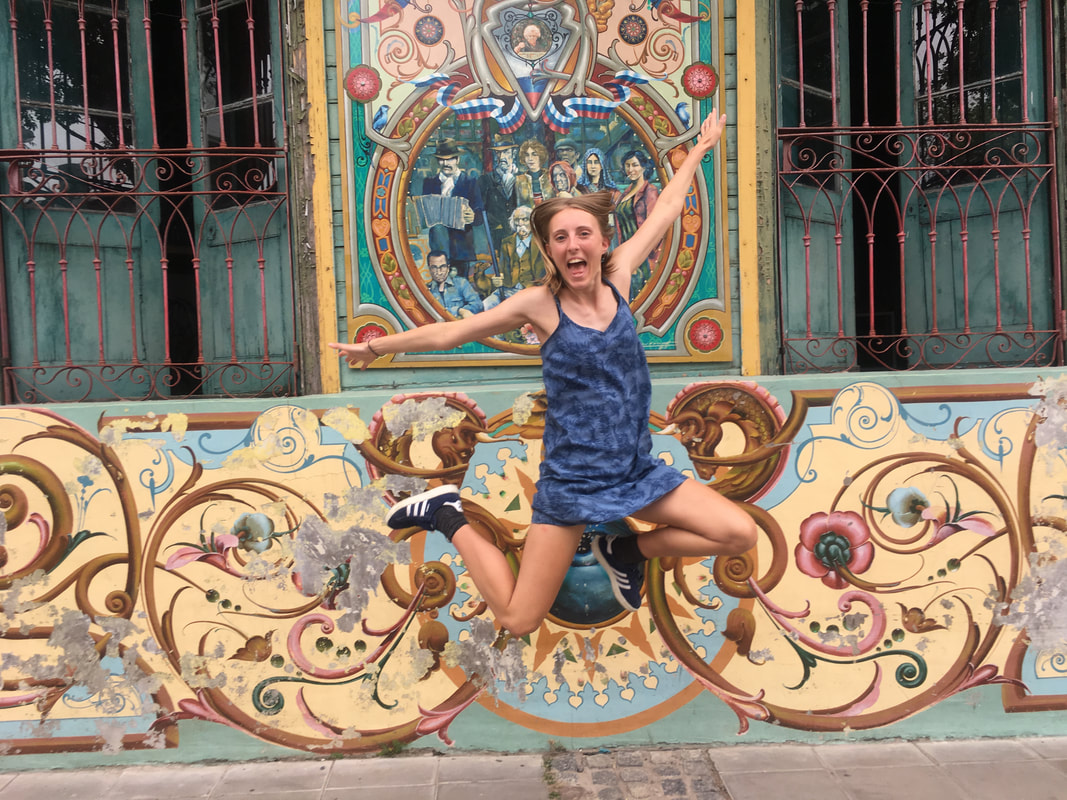
Days 247 to 254: Hanging out in Bariloche in the Argentinian Lake District
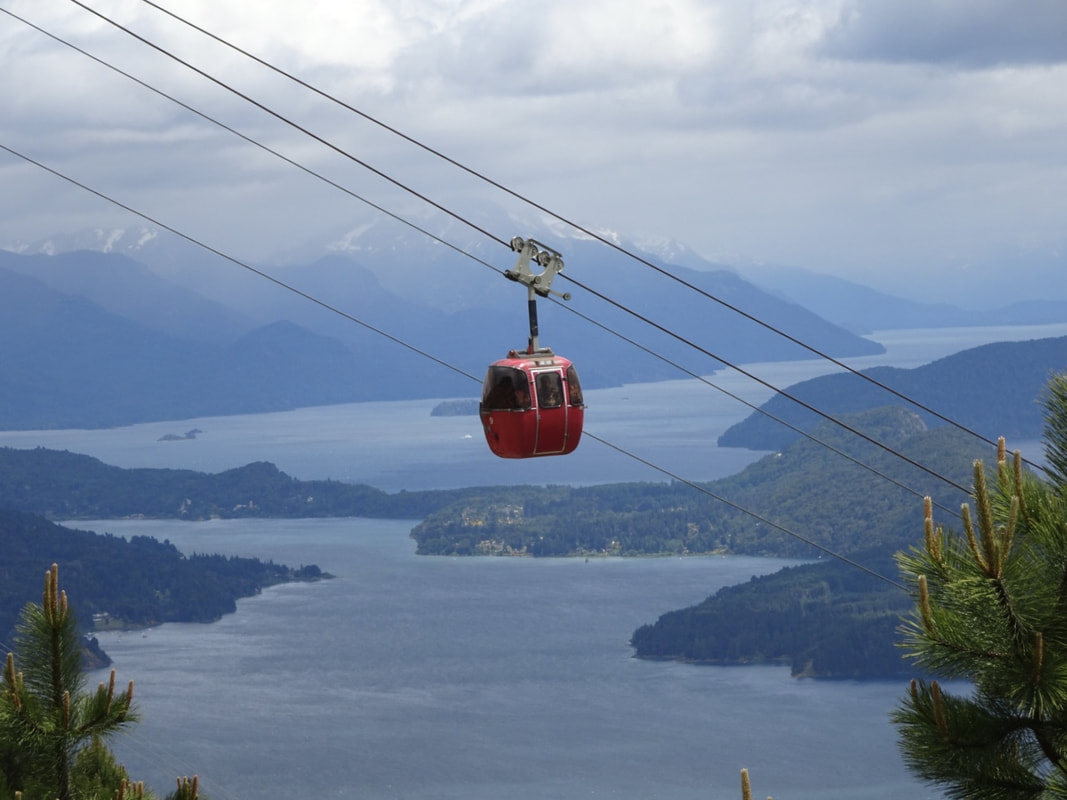
Bariloche, at first blush, is a chocolate boxy type town overlooking the beautiful Lake Nahuel Huapi and the snow capped Andes. It’s two and and a half hours plane ride south-west from Buenos Aires, within spitting distance of the Chilean border. There are numerous large chalets behind large gates and fences with picture perfect gardens and the soft chug-chug sound of sprinkler systems. On closer inspection however there are cracks in the façade – unpaved streets are full of potholes and there is a general state of neglect, especially on the lake frontage.
And that’s probably a good summation of Argentina at the moment – a nation that was once one of the world’s super powers but with an economy currently in a poor state. When the current President, Mauricio Macri was elected in December 2015, annual inflation was sitting at around 25 per cent and the fiscal deficit amounted to an alarming 6 per cent of the country’s GDP. Two years later the economic situation now seems to be improving – single digit inflation is within sight, on the back of hard hitting reforms including slashing subsidies, import tariffs and freeing up the currency.
We are staying in a cute little Swiss style cottage with views (OK a glimpse) of the lake. When you book an Airbnb, or any kind of holiday rental, you are never totally sure of what you will end up with. Our place is certainly cutesy but it’s a fair way from the main centre, up a steep winding hill and without much obvious in the way of walking routes – unless you don’t mind dodging cars on unpaved roads with no pavements. Sounds a bit ungrateful, but hey – now that we have experienced a number of holiday rentals around the world, you end up being a bit choosy . .
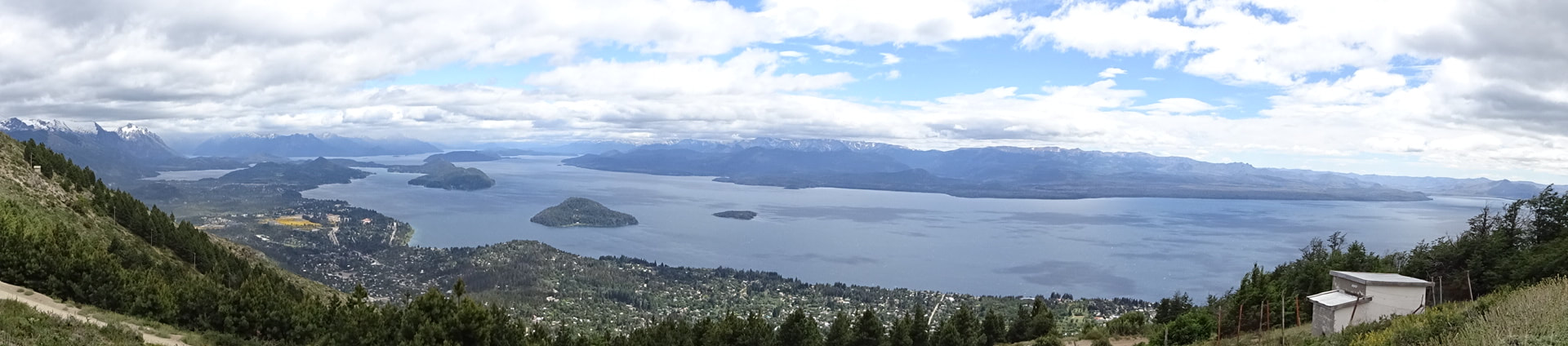
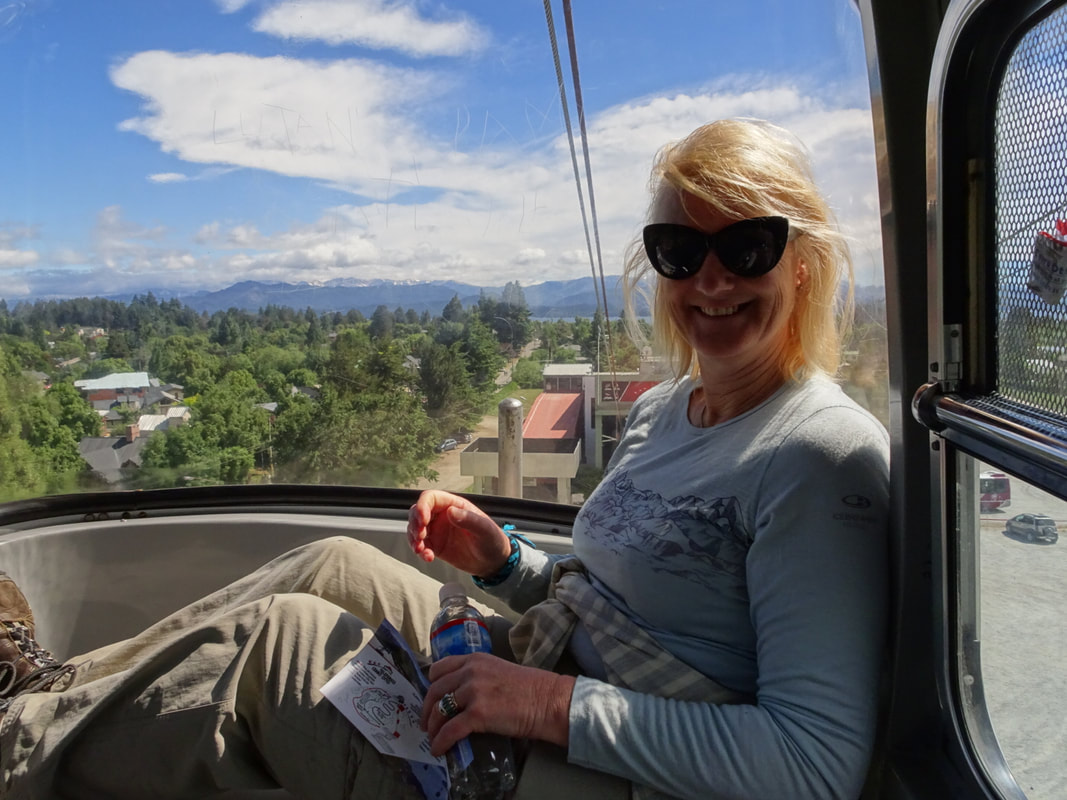
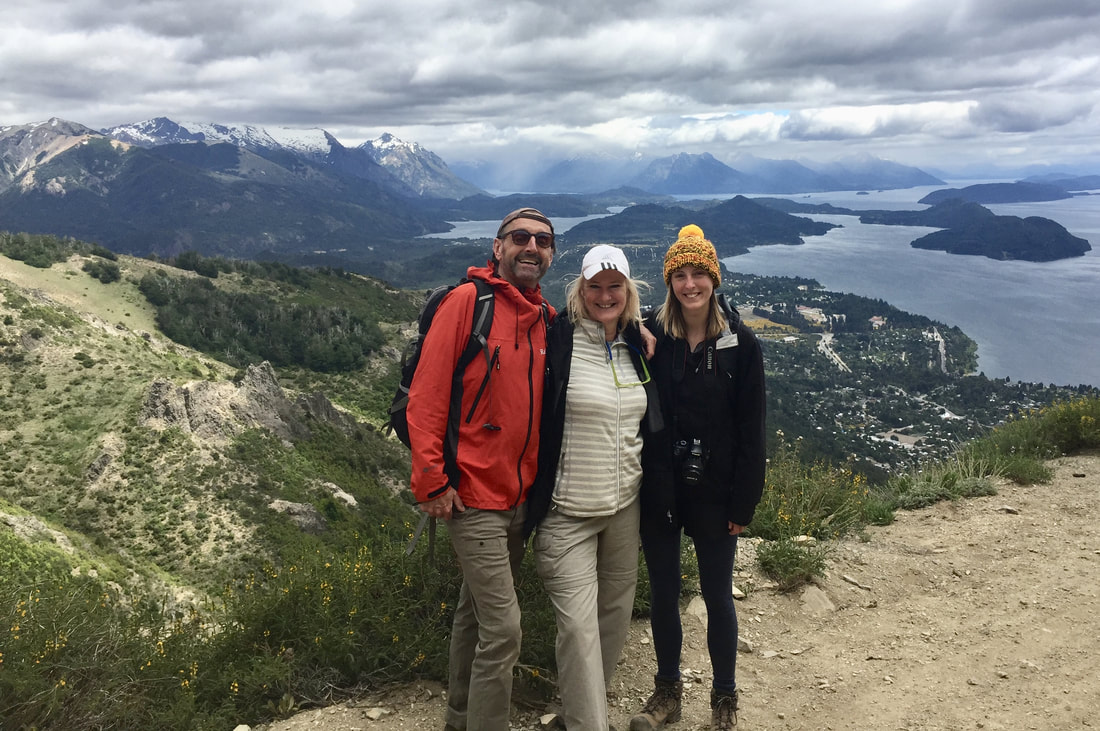
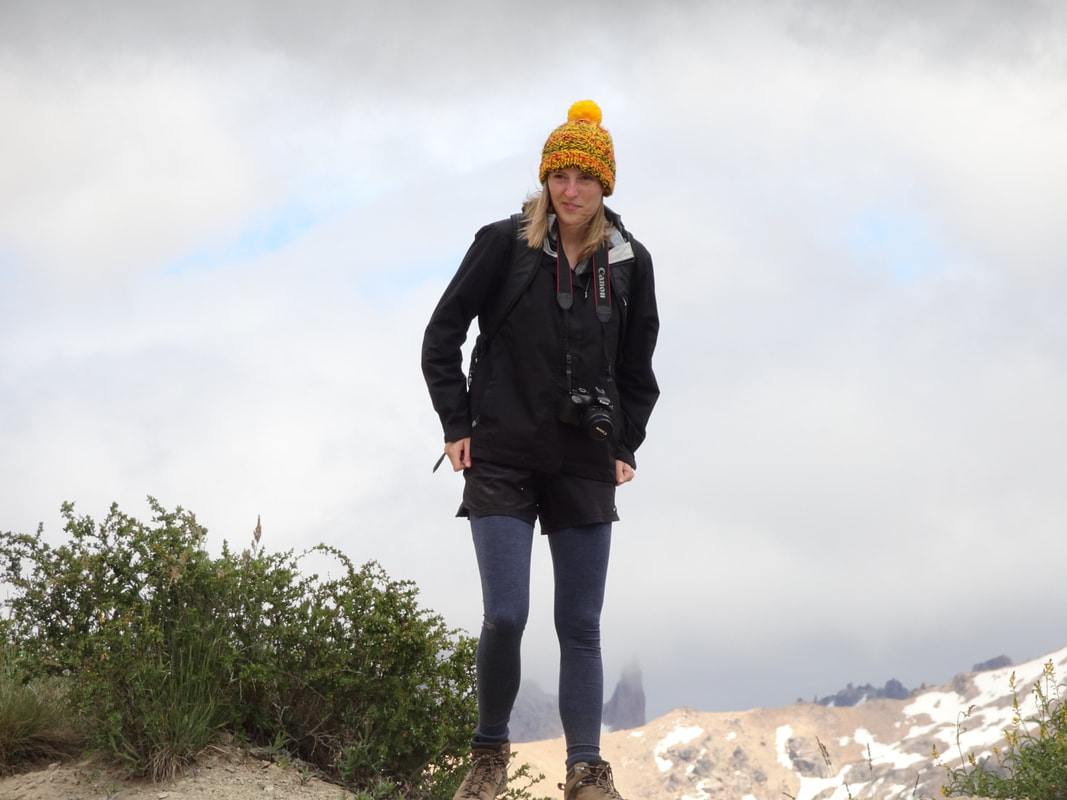
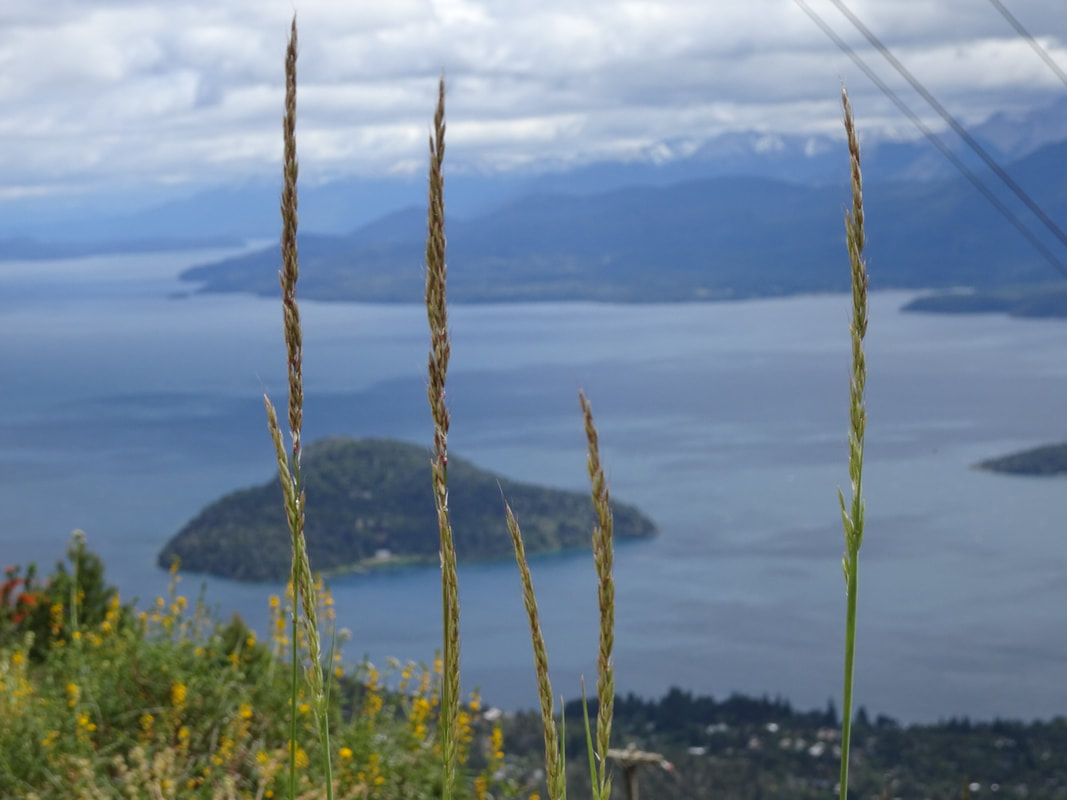
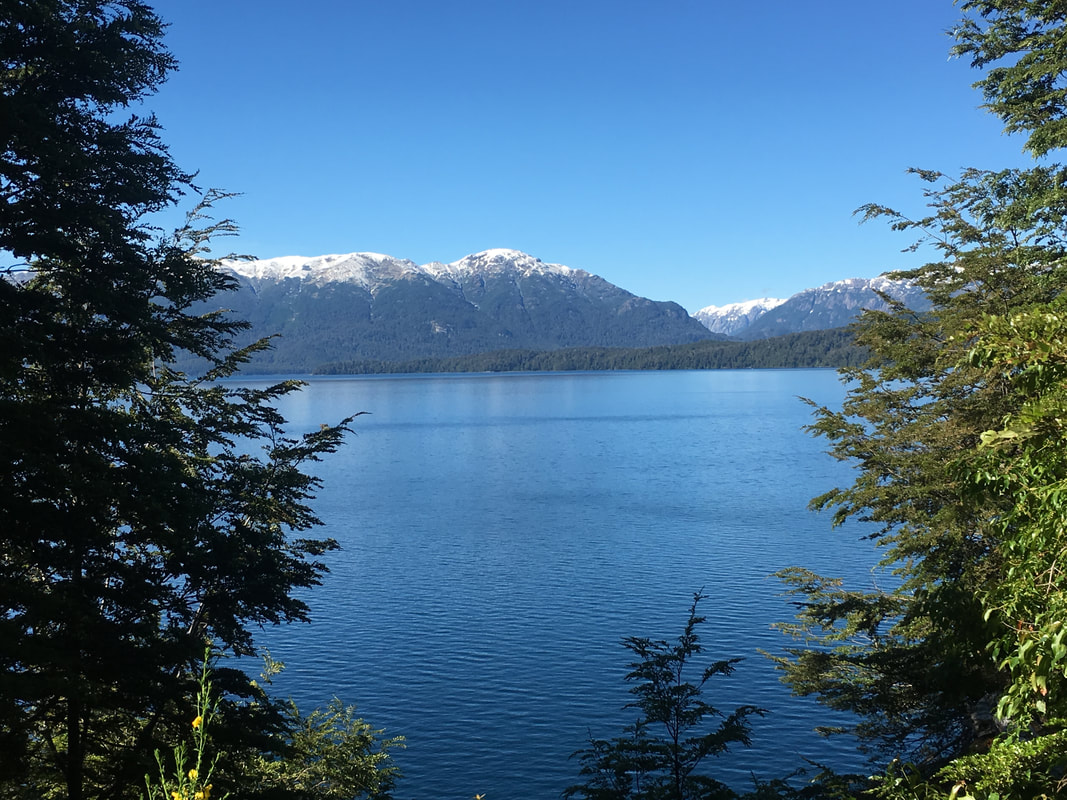
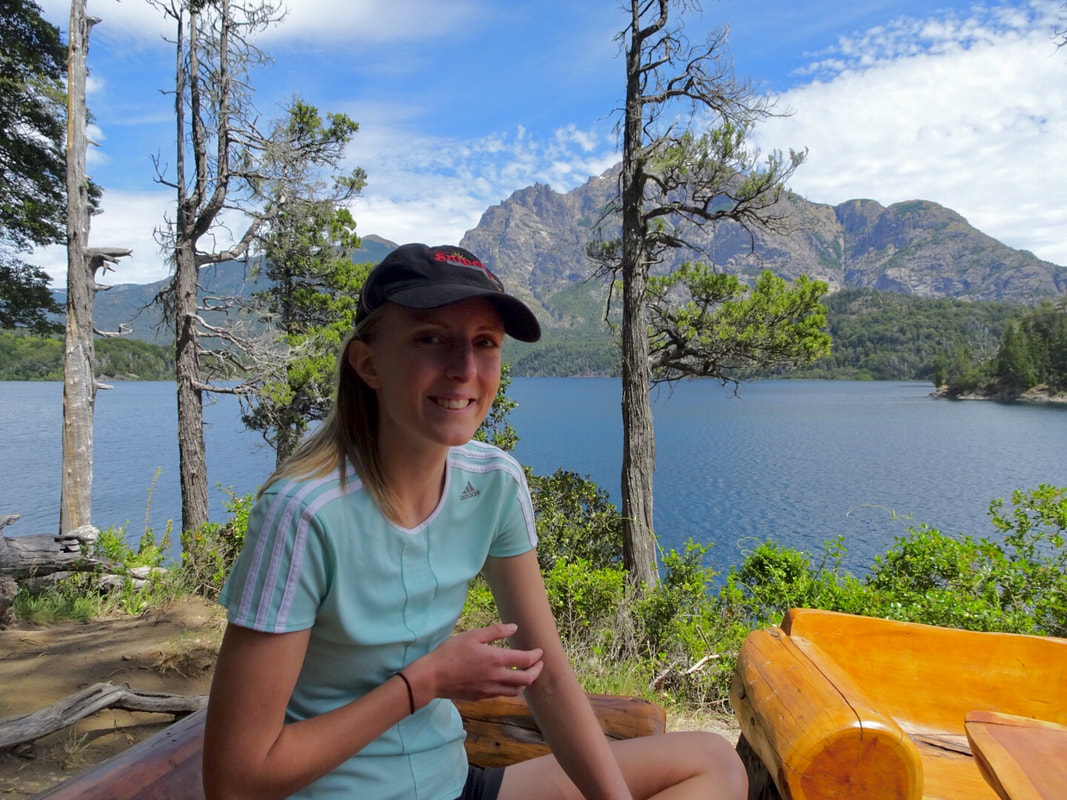
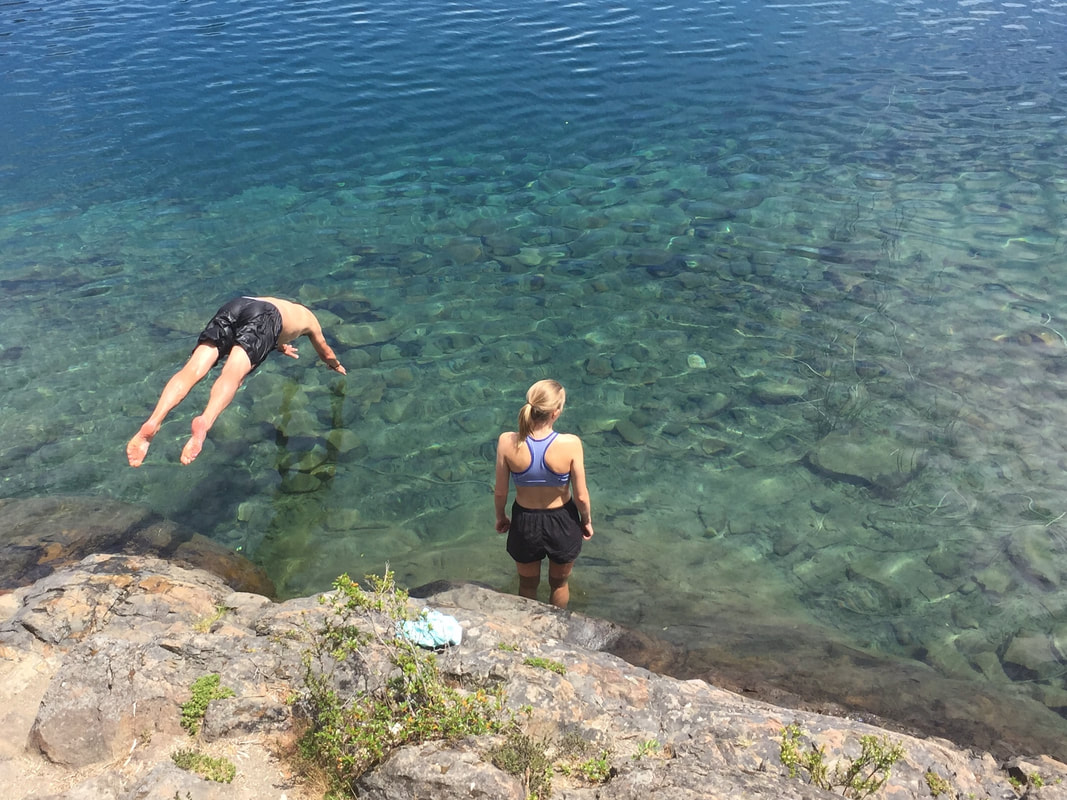
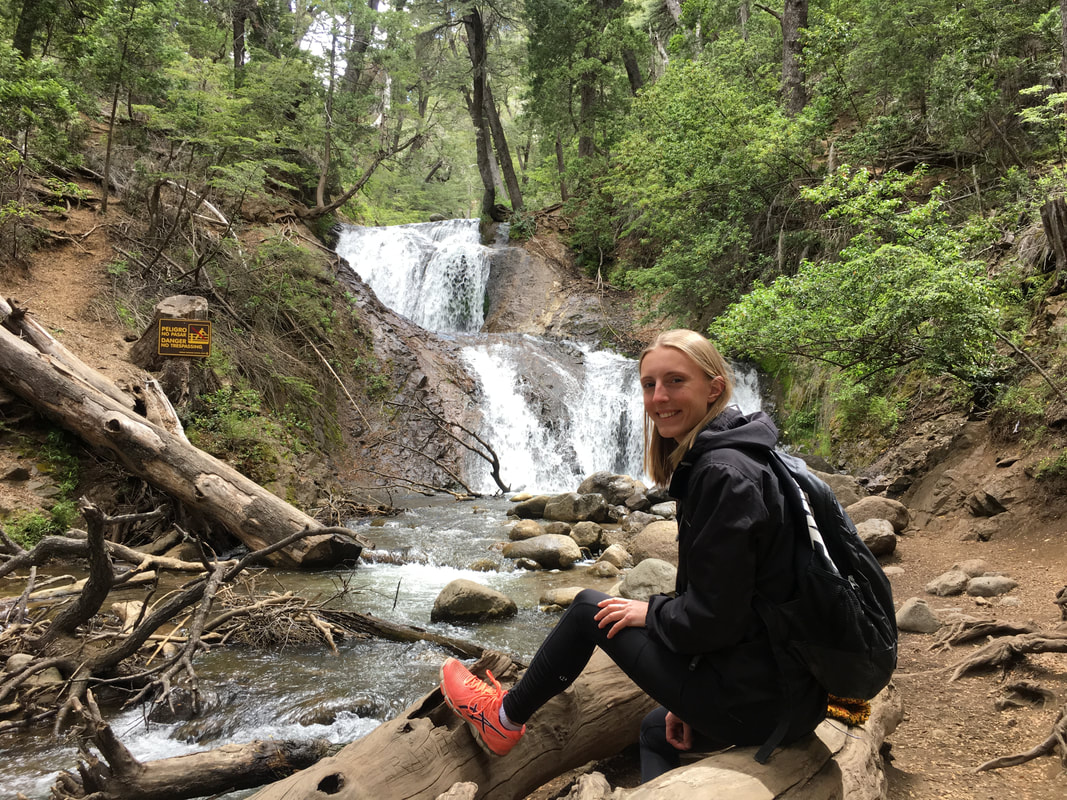
Oh and the trek was amazing – the sun shone brightly through the fir trees that lined our path and we started to see glimpses of the shimmering lake until we emerged onto a clearing with 180 degree views of the lake and mountains. Diving into those crystal clear (but very cold) waters was the ultimate respite from the heat of the day. Heaven . . .
Days 230 to 233: From Cusco to the Mighty Machu Picchu
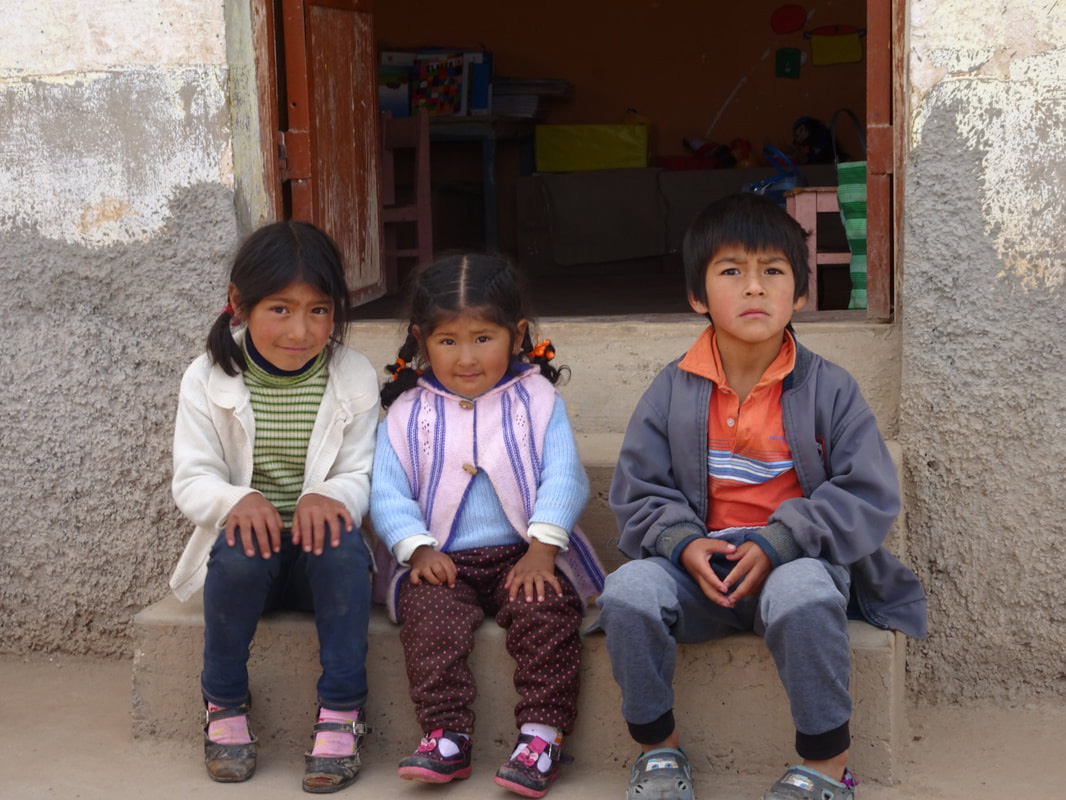
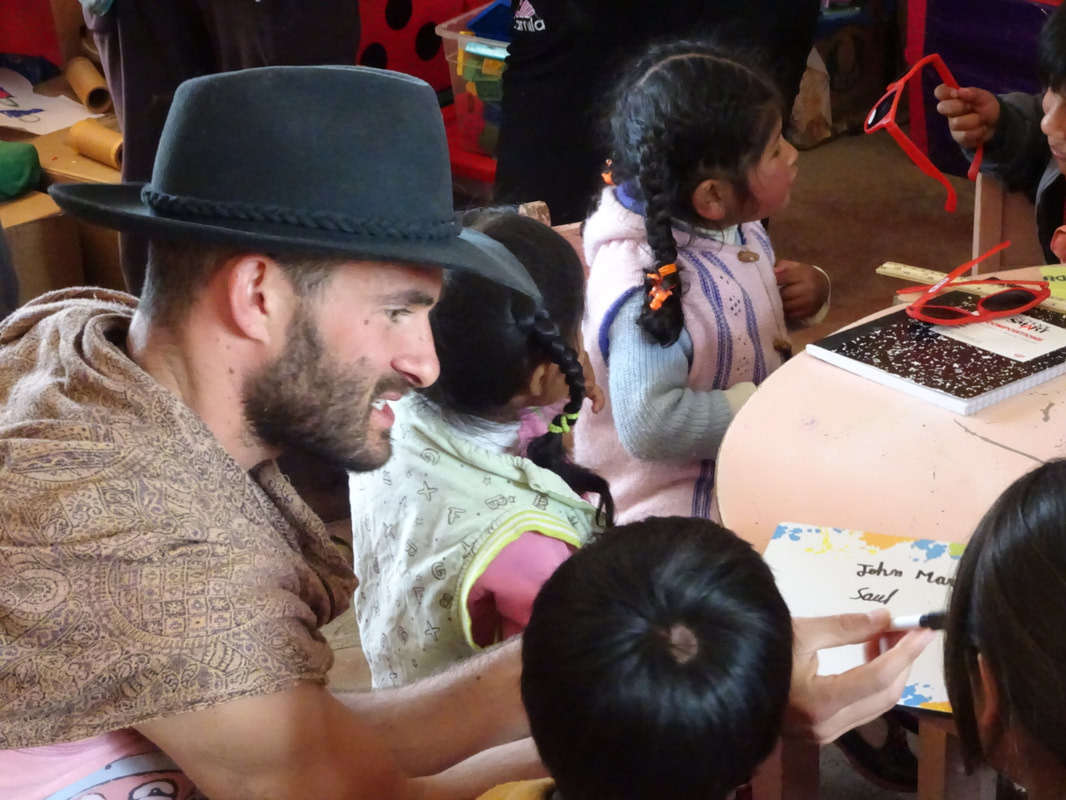
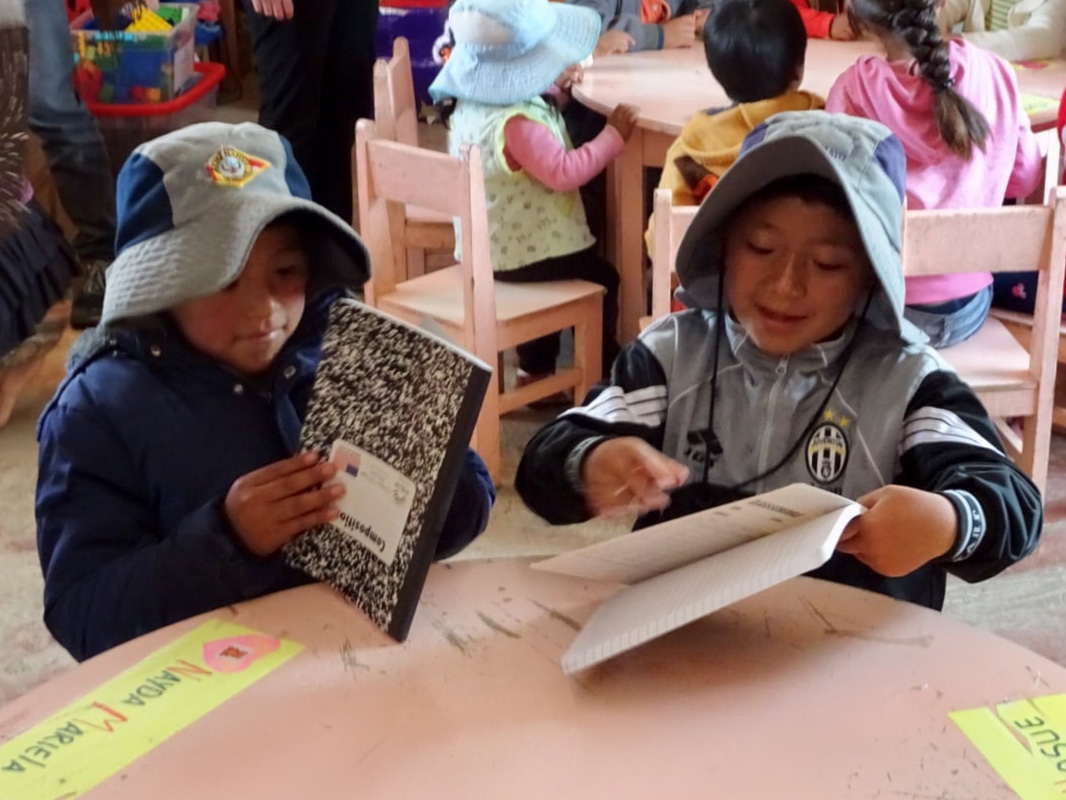
The other advantage of taking our alternative route was we were able to visit our second school – this time with younger kids aged from about three through to eight. We played games in the courtyard and then went into the classroom to distribute some gifts and supplies for the school. We asked the head-teacher what they really needed for next time, and to think big. Tactile stuff such as plasticine and play dough is important, as is some furniture – simple things like shelves and cupboards to store supplies. In other words stuff we just take for granted in our western society . . .
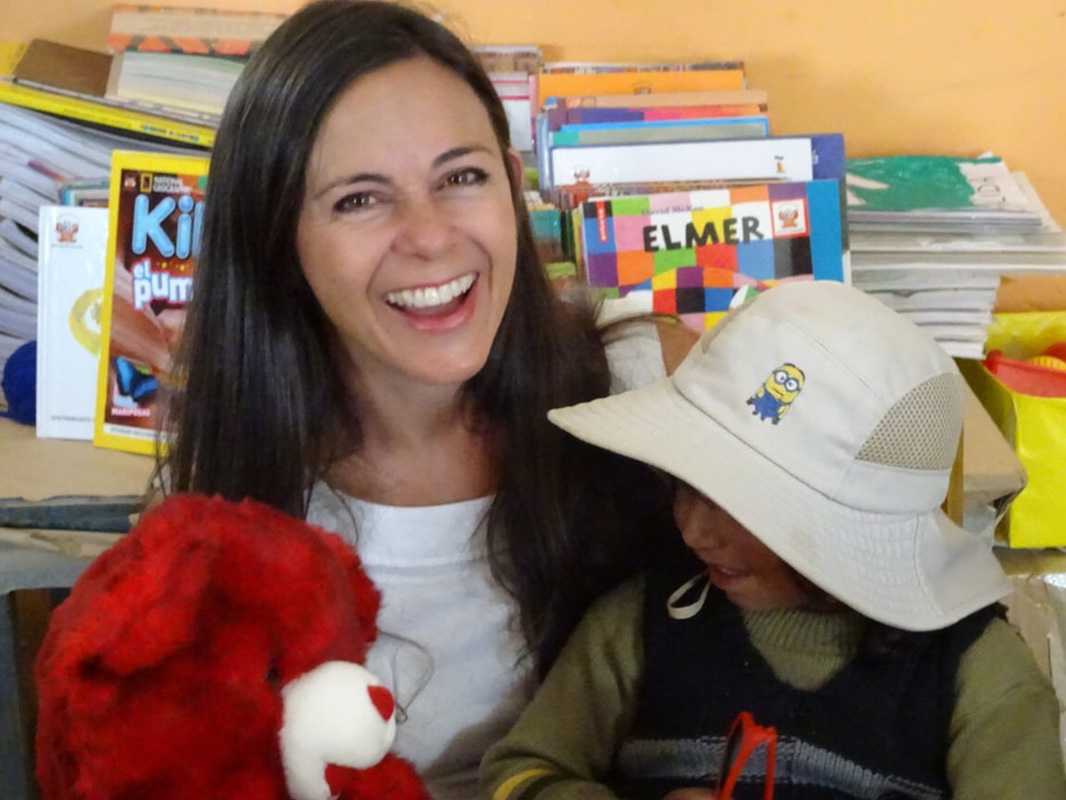
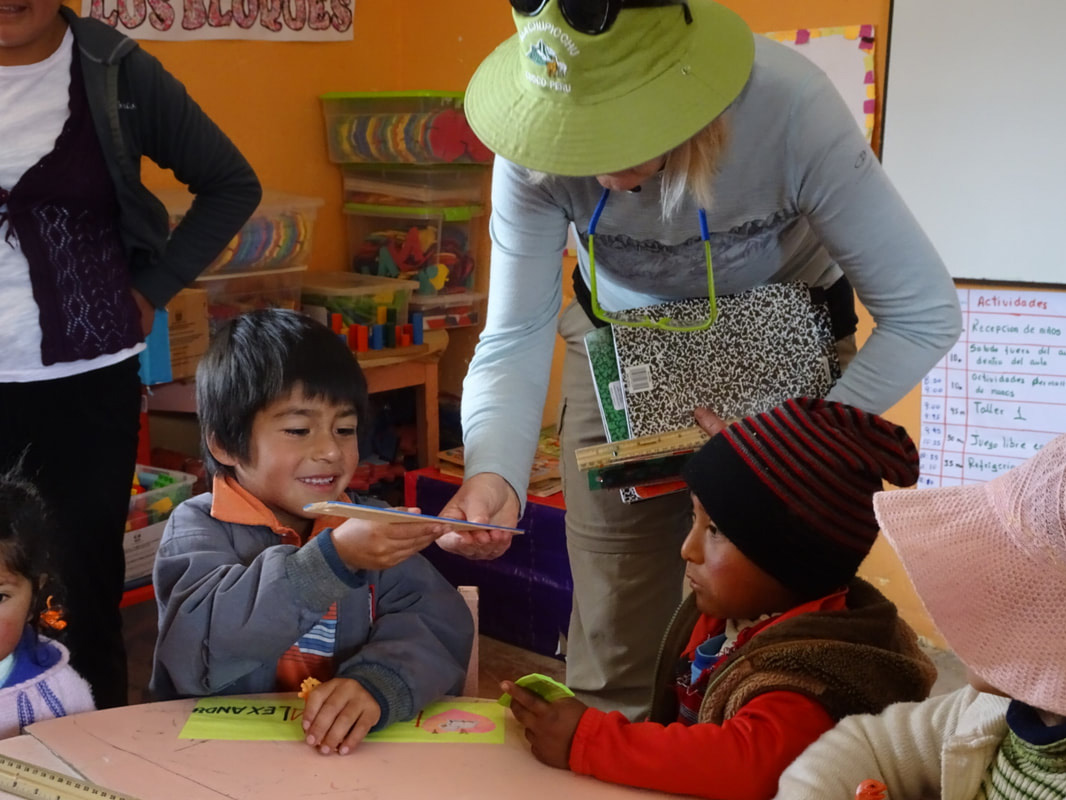
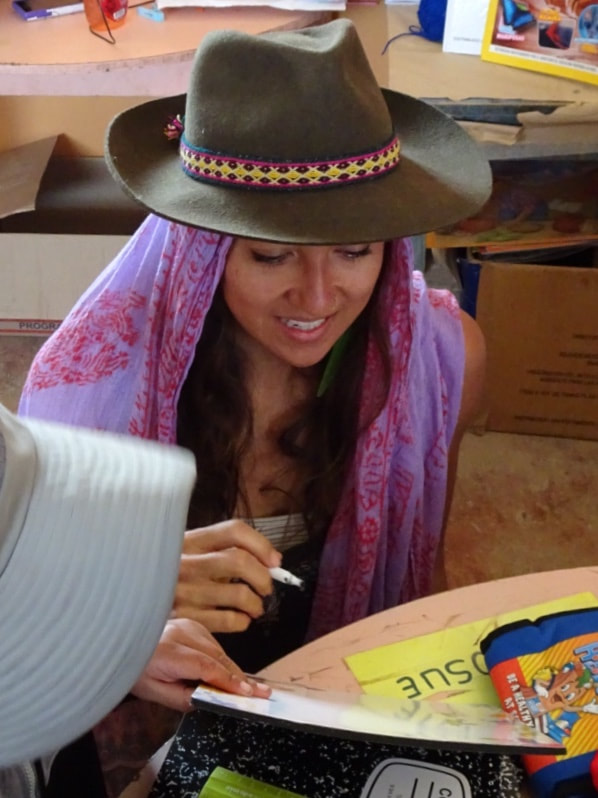
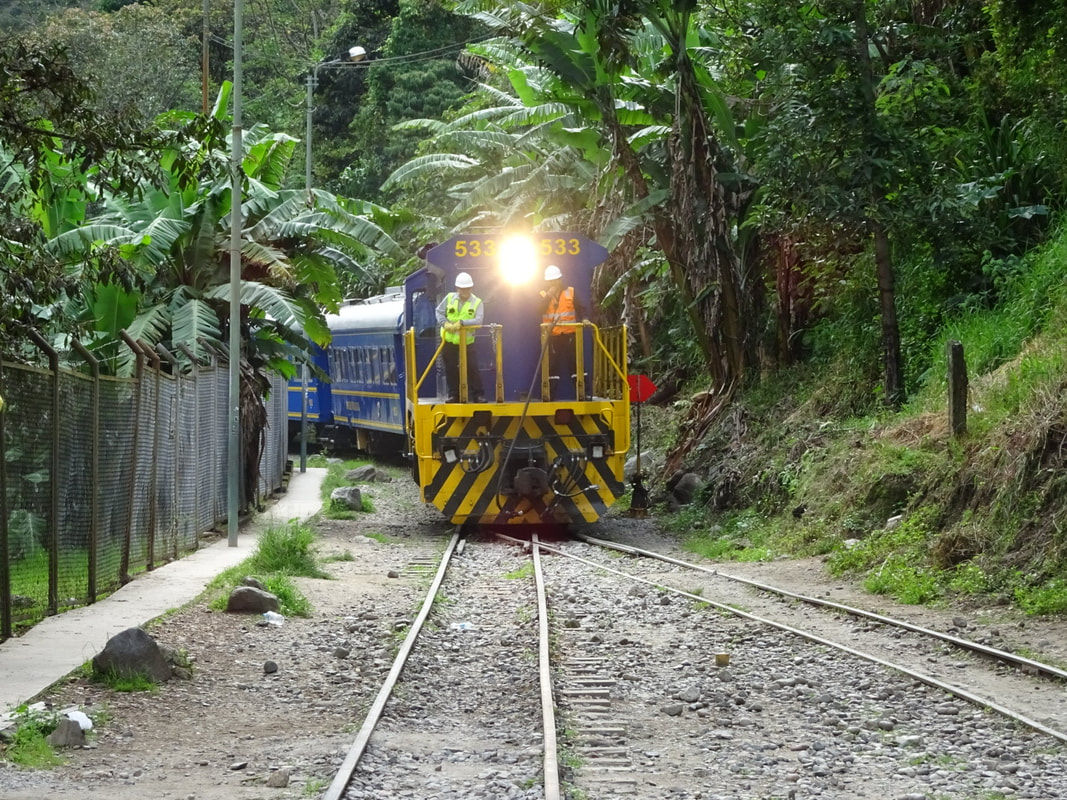
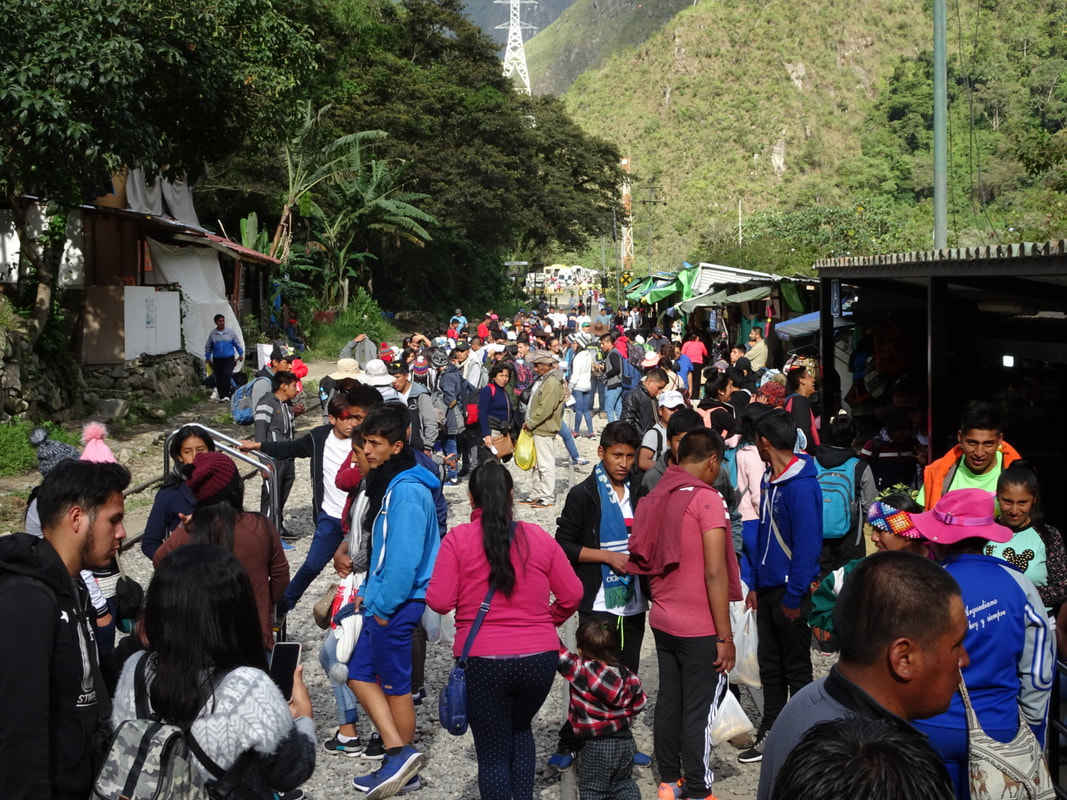
Our travel from Santa Teresa to Machu Picchu the next morning was easy peasy. A short train ride (with our group sitting a little self consciously alone in a first class carriage followed by half of Peru crammed into three local cars behind), and then a 20 minute shuttle bus from the town of Aguas Calientes up the hill to one of the seven wonders of the world – the almighty Machu Picchu.
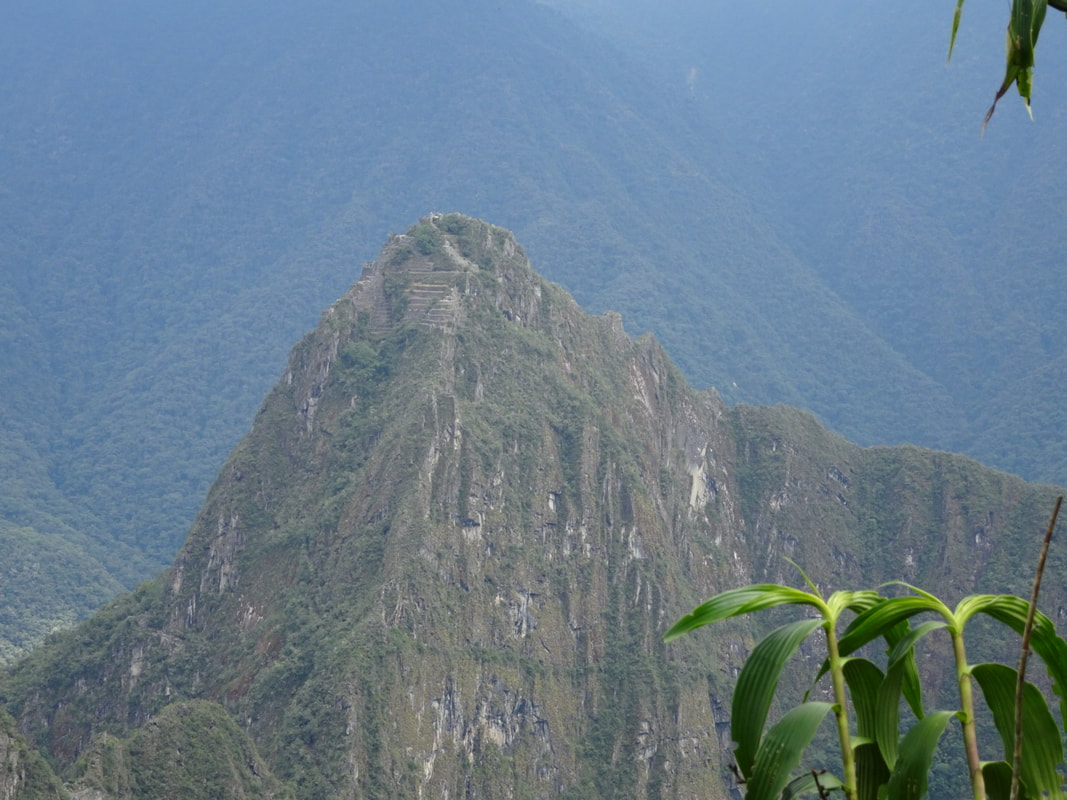
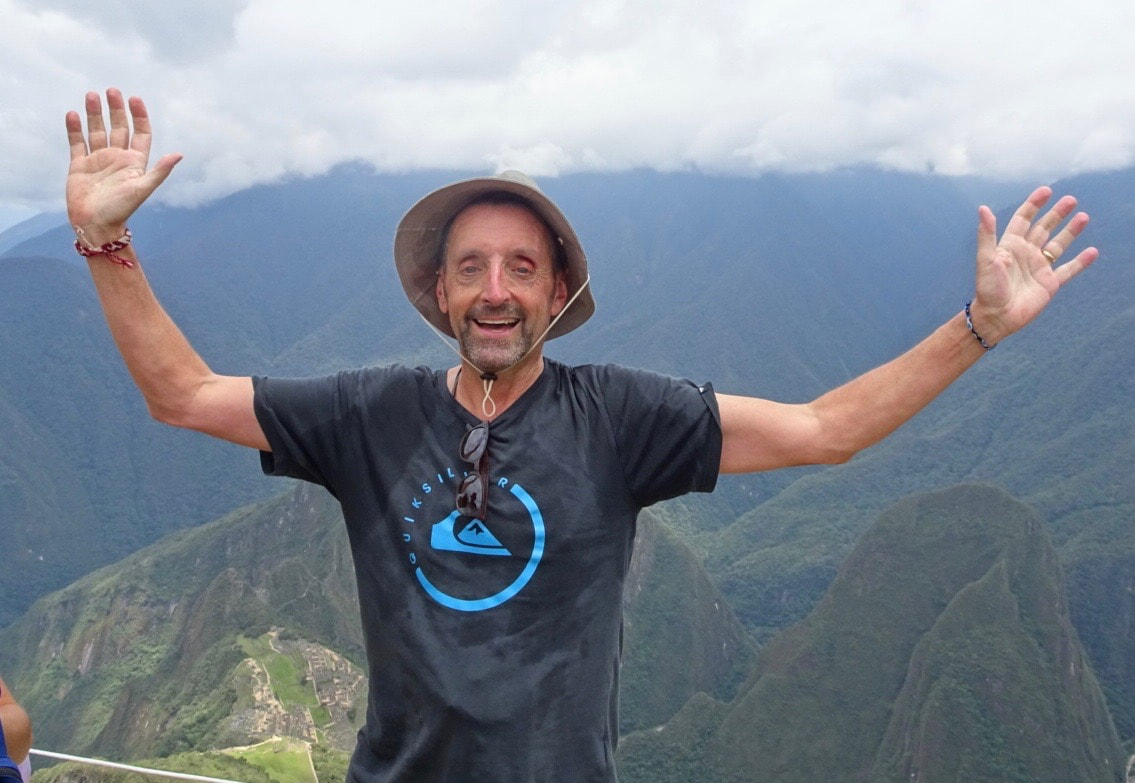
Again, never wanting to do things the easy way, our intrepid group decided to start the day by climbing Machu Picchu mountain which soars 650m above the ancient city. OMG was that a tough climb. Compared to New Zealand hill treks which tend to make use of switchbacks (and hence providing some welcome respite to catch your breath), this mountain walk just goes straight up in a series of steps which seem never-ending. For about two thirds of the climb I gamely kept up with my three fit (and younger I might add) companions: Michael of the long legs, Jenna our yogi will-o-the-whisp and Jeremy the fitness trainer – need I say more . . . I finally made some lame excuse, waited until they had disappeared around the next corner and then collapsed panting for what seemed like an hour but in fact was only five minutes. Yep that was a good lesson on the ego for me!
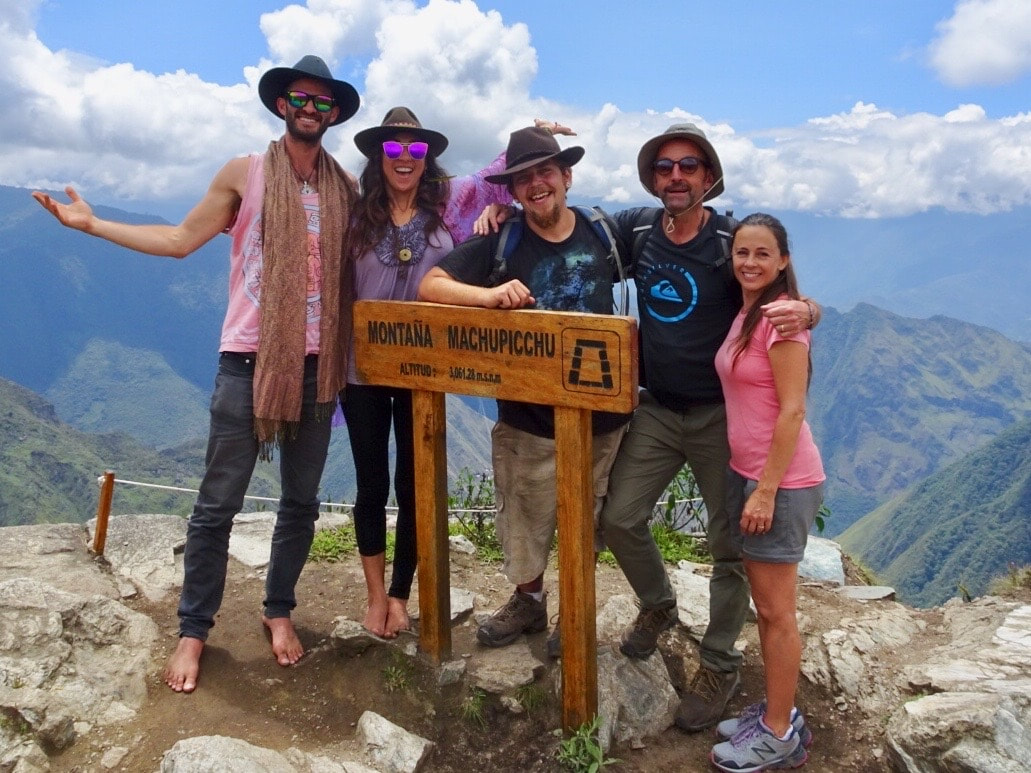
And so with our return from Machu Picchu to Cusco, so ended our Peru Yogaporvida adventure. If I had to sum things up, it was a trip of connections. Connecting with the land, its people and culture and, of course, our travelling companions. It’s not often that I click so immediately with so many people. Jenna, Michael, Scott, Denise, Jeremy, Melvin, Tatiana and Marita – thank you for your company, your laughs, your help and your hippy yogi ways. It was never dull and there was always someone to talk to and share. I miss you all already . . .
Namaste and hasta luego . . .
Days 226 to 229 – From Cusco to the Island of Amantaní on Lake Titicaca
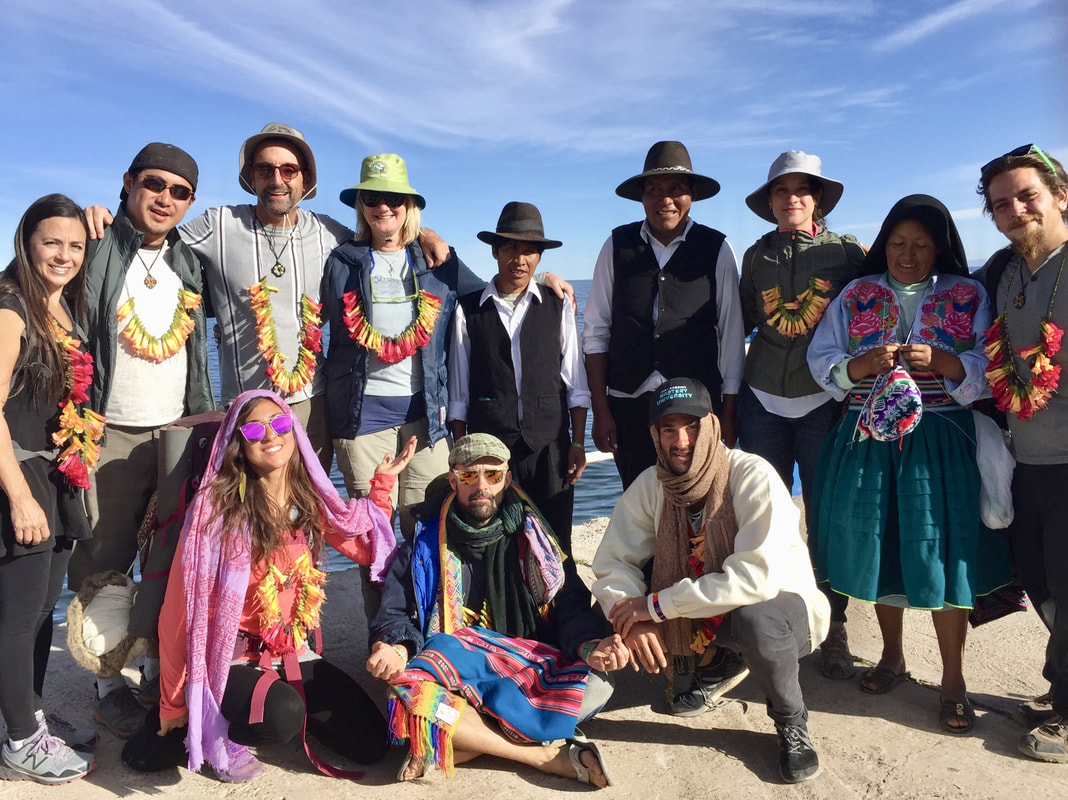
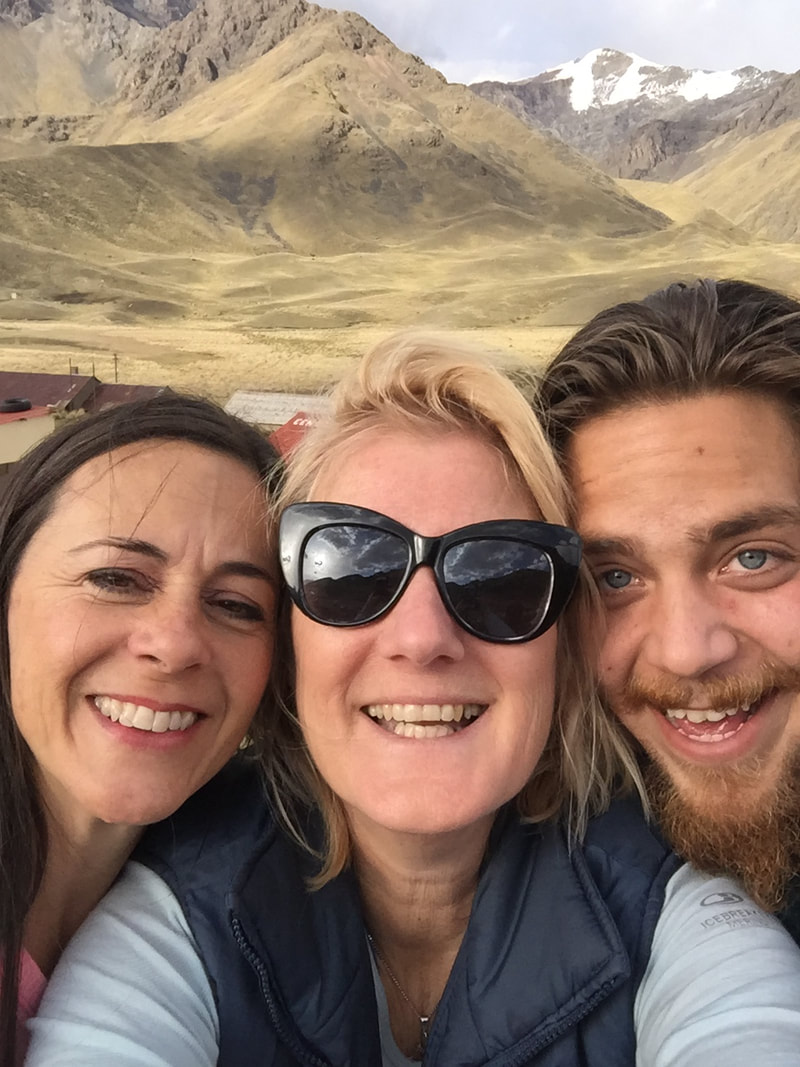
We decided to join a yoga themed experience of Peru organised by Jenna Jasso, an Austin Texas based yogi – and what a great decision it turned out to be. With 8 other like-minded people and our Peruvian guide Marita we are connecting with this country and people in a way we could never have done on our own.
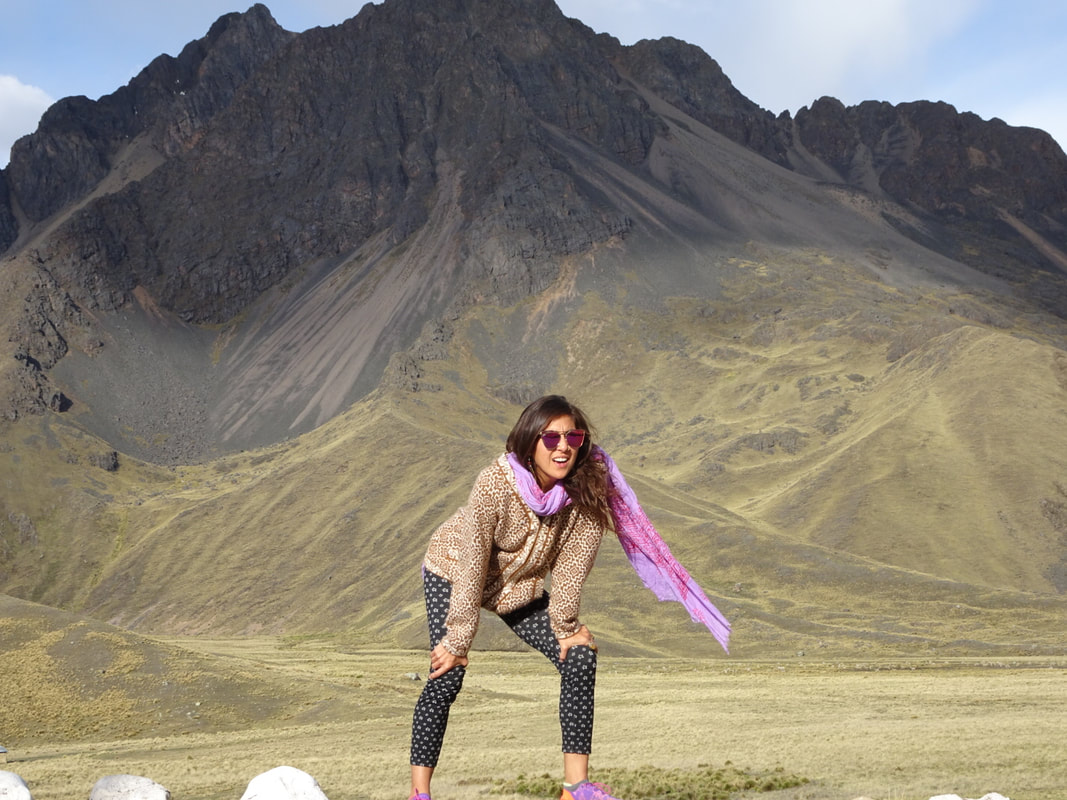
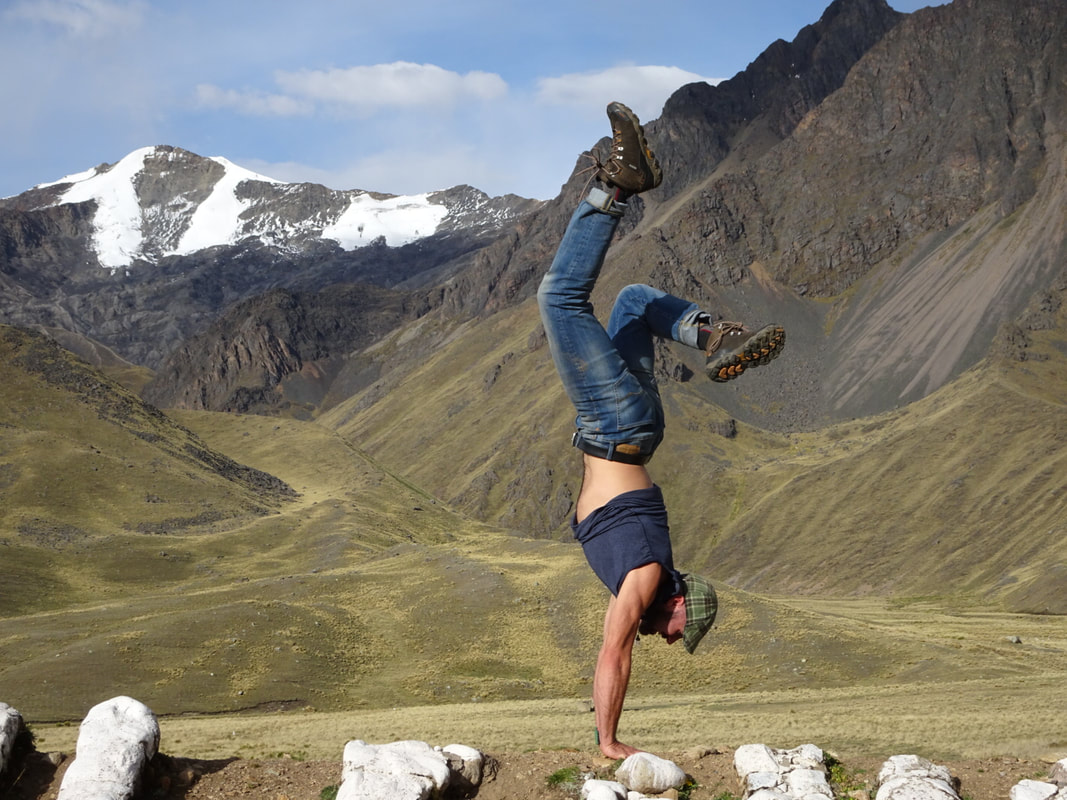
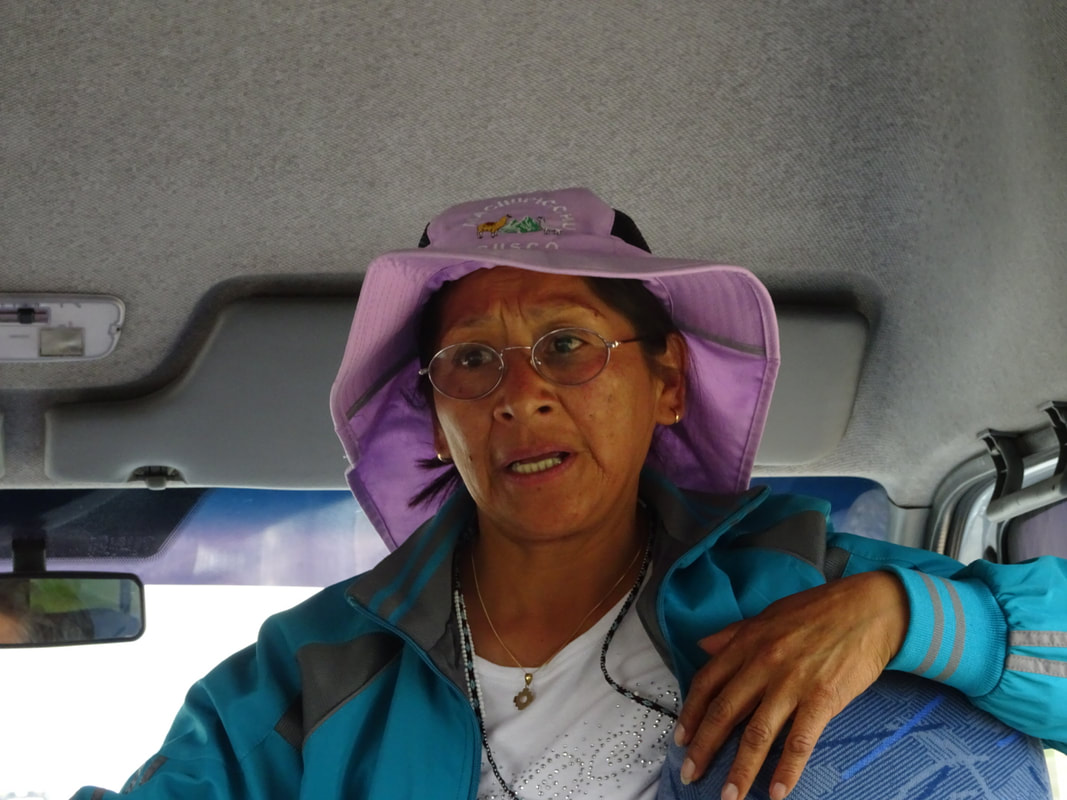
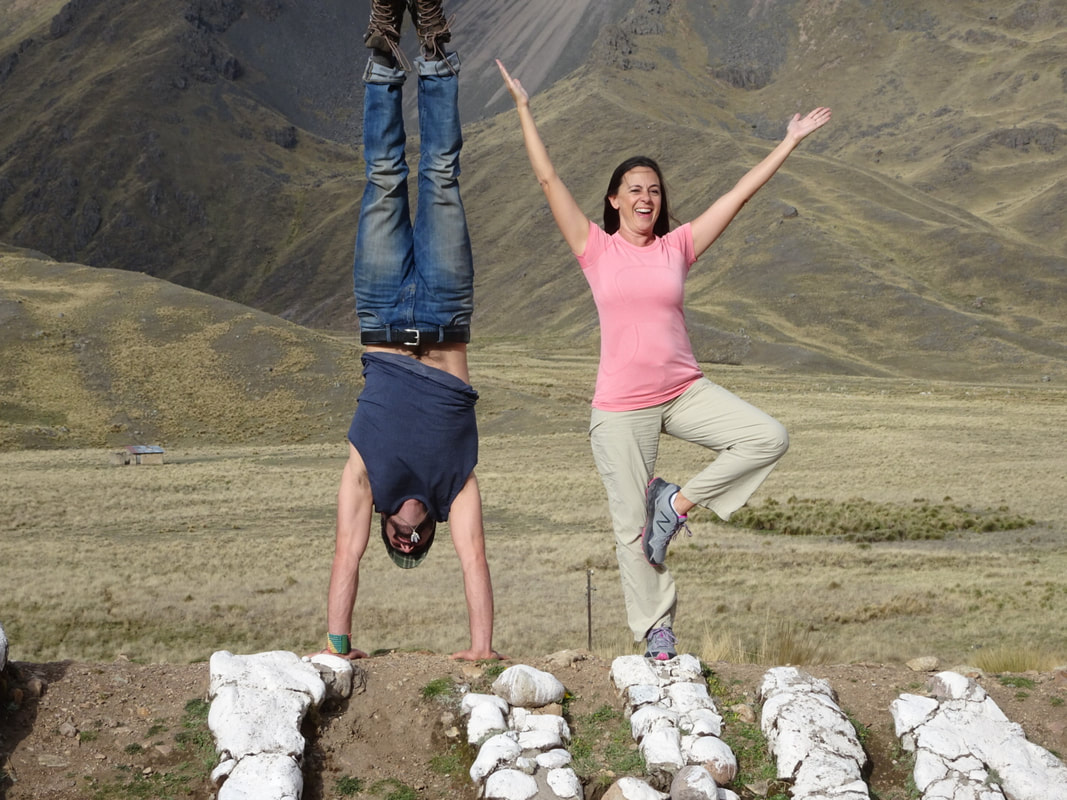
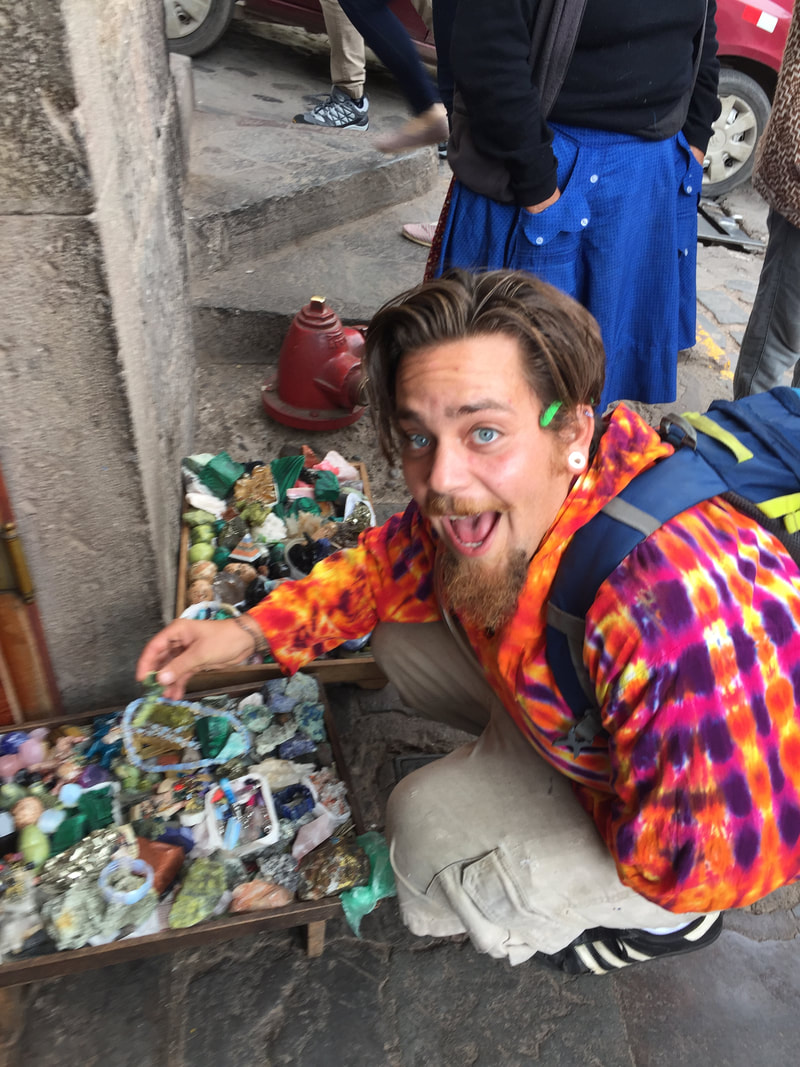
The group met on Saturday 18th in Cusco and within a few hours it was like we were family. From Canada; Melvin with an energy to just hike and keep on going, from Colombia; Tatiana on a 3 week break from her job but missing her Mum already, from the US; Denise from Louisiana with a smile that would stop traffic, Jeremy the nutritionist who insists on doing handstands in the most unlikely places, Michael with his own yoga and meditation business and a presence that lights up a room, Scott the chief dispenser of bear like hugs and the amazing Jenna, the group leader and organiser, founder of Yogaporvida and the absolute yogi bear of yogis. Last but definitely not least, the incomparable Marita – formerly from Cusco but now living in Puno. With energy to burn and a wicked sense of humour, Marita gave us heart-felt insights on her country and culture that I will never forget.
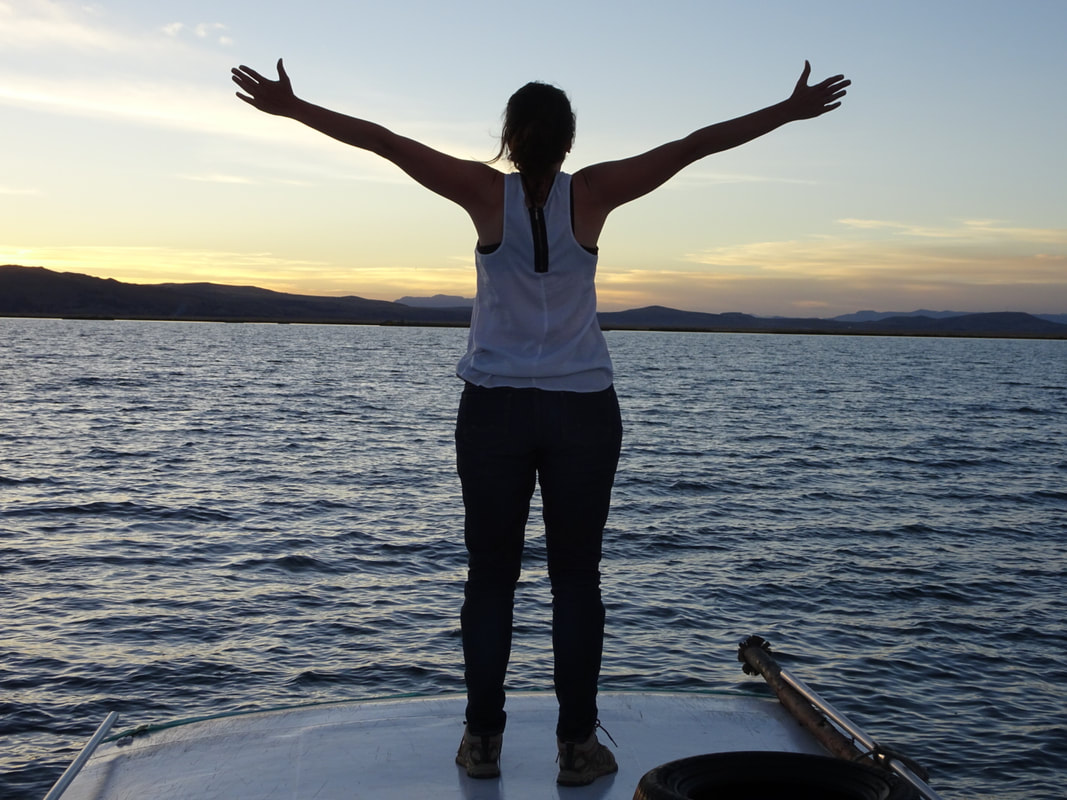
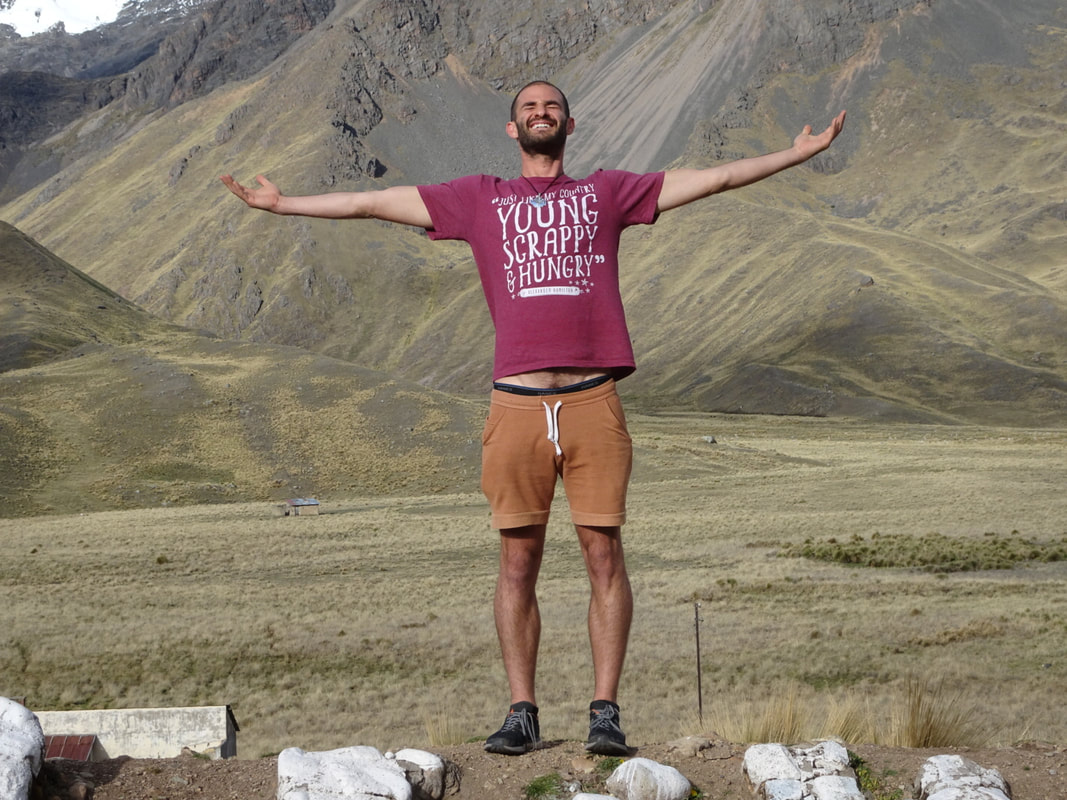
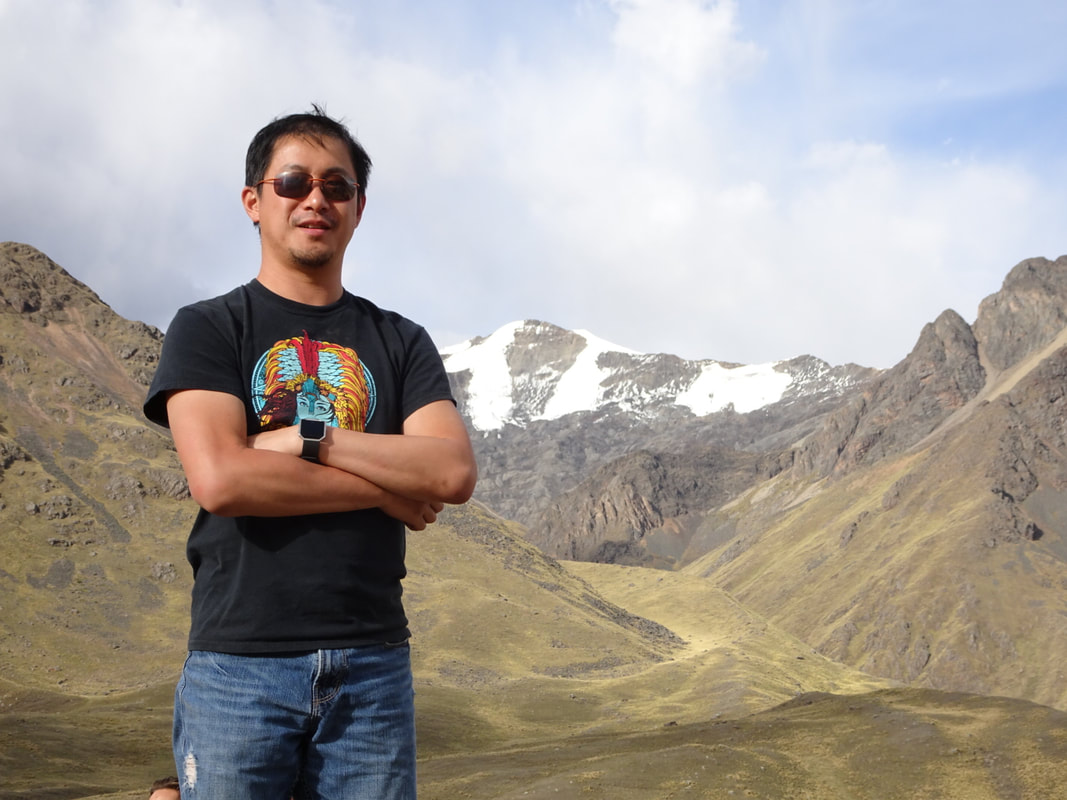
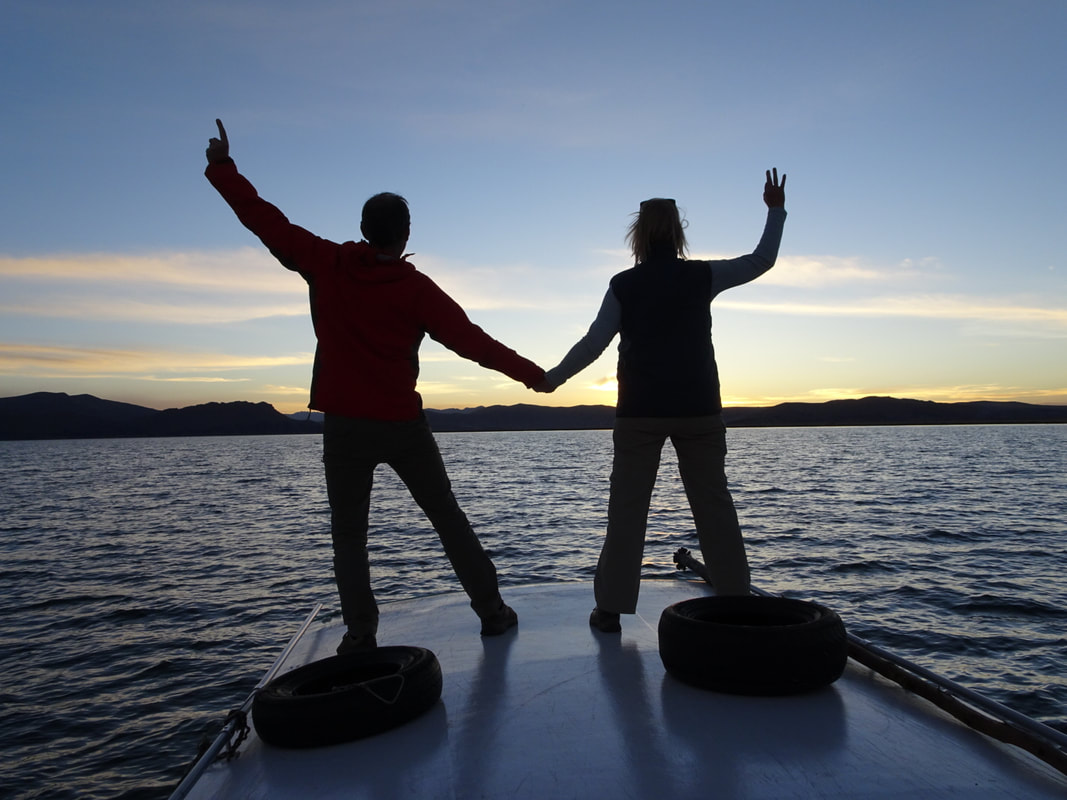
We arrived in Puno in the dark but woke to the view of Lake Titicaca – the world’s highest navigable stretch of water straddling the border between Peru and Bolivia. We loaded ourselves onto our own private boat (very posh I know) and steamed off to our first stop – the strange but fascinating floating reed islands just a few hundred metres from Puno harbour. We landed on one of the islands and were treated to a fascinating account of island building and culture by the island’s President. Around 20 voting citizens live on the tiny and slightly damp mass of closely packed reeds – their income seemingly coming mainly from tourism judging by the masses of woven blankets and other trinkets for sale. It was fun but not, I felt, terribly authentic. But authenticity was definitely to come at our final destination – the island of Amantaní.
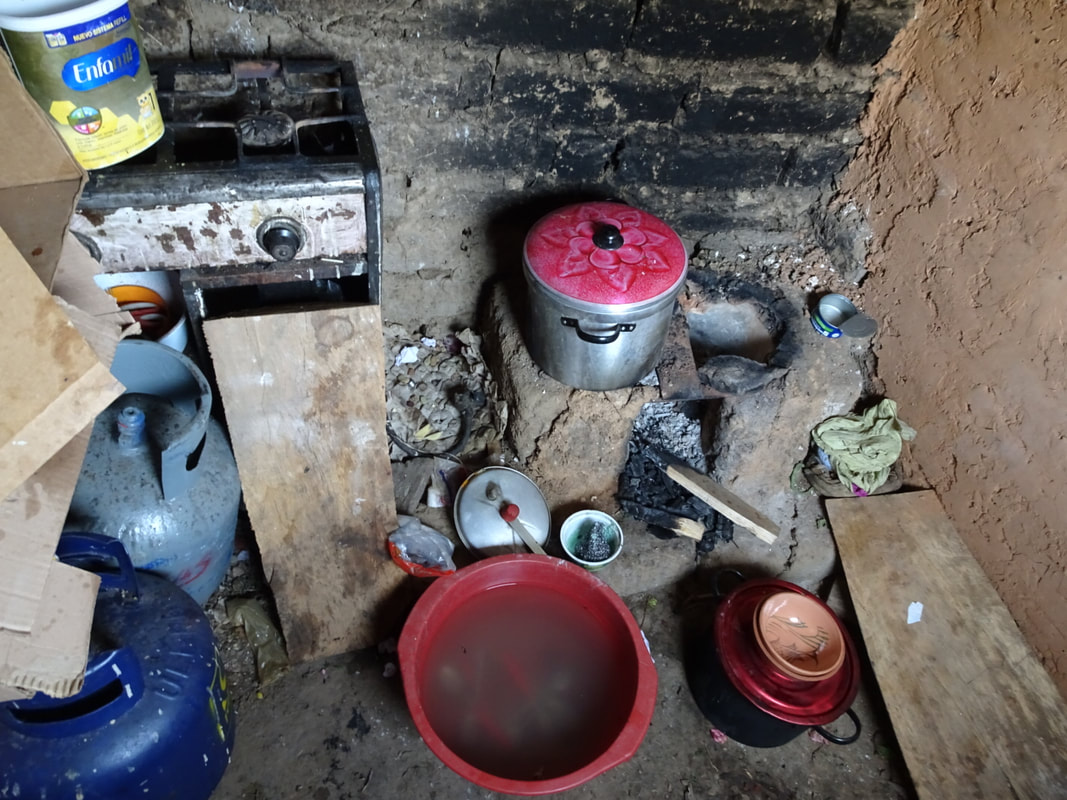
Amantaní is an isolated island – a decent 3.5 hours boat trip from Puno (although apparently you can do it in an hour in an emergency) with a population of about 4,000. Traditionally strongly agricultural based, the economy has been bolstered in recent years from tourism. There are no hotels, backpackers or hostels – instead you stay with host families. Ours put us up in their best rooms – we weren’t sure where the couple and their five kids slept …. Dinner was made by the family in the most basic of kitchens – by our western standards anyway.
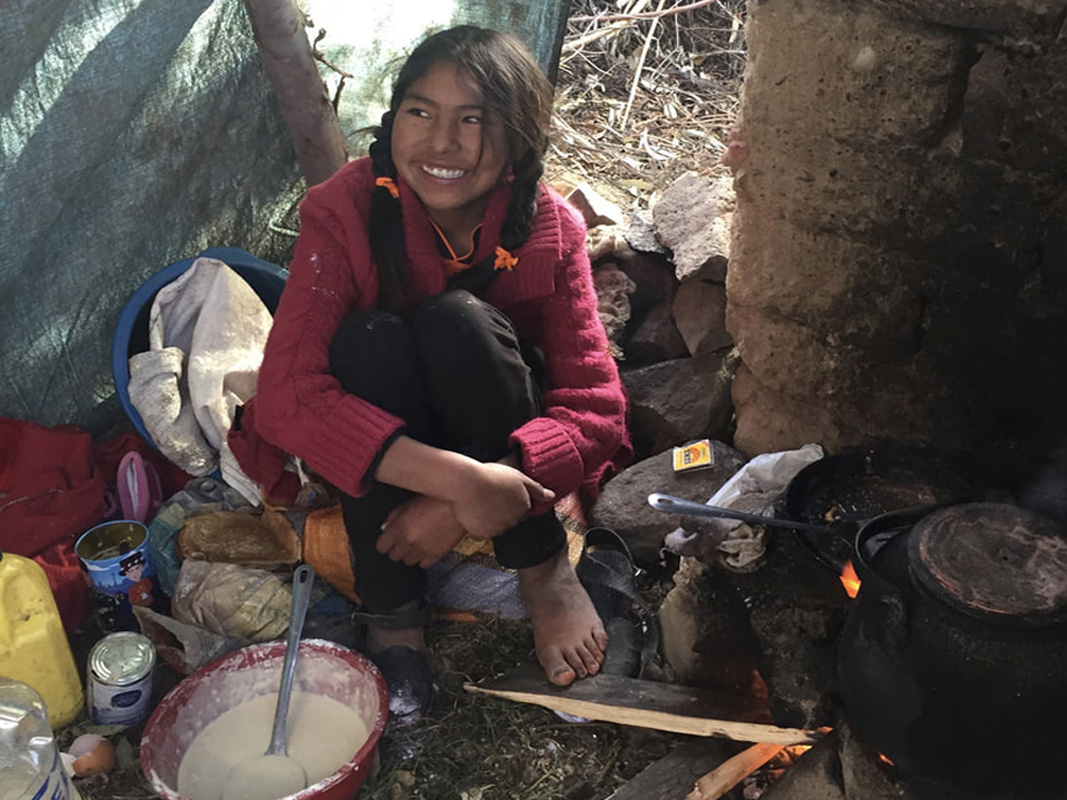
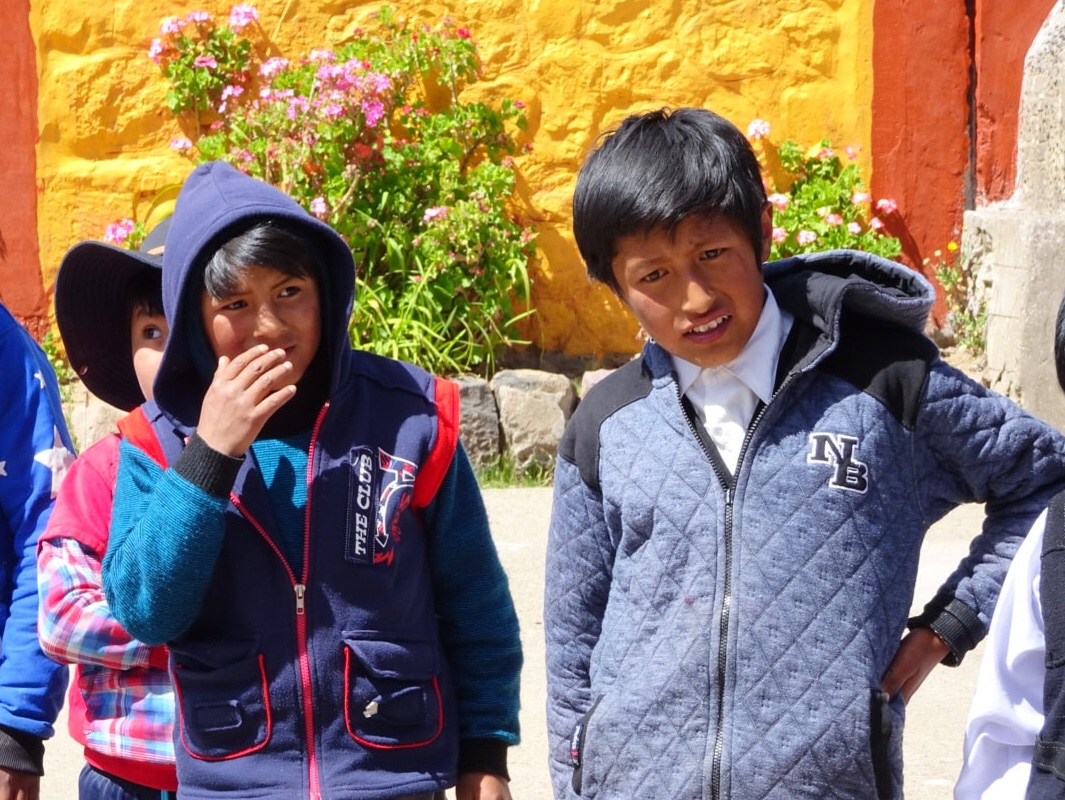
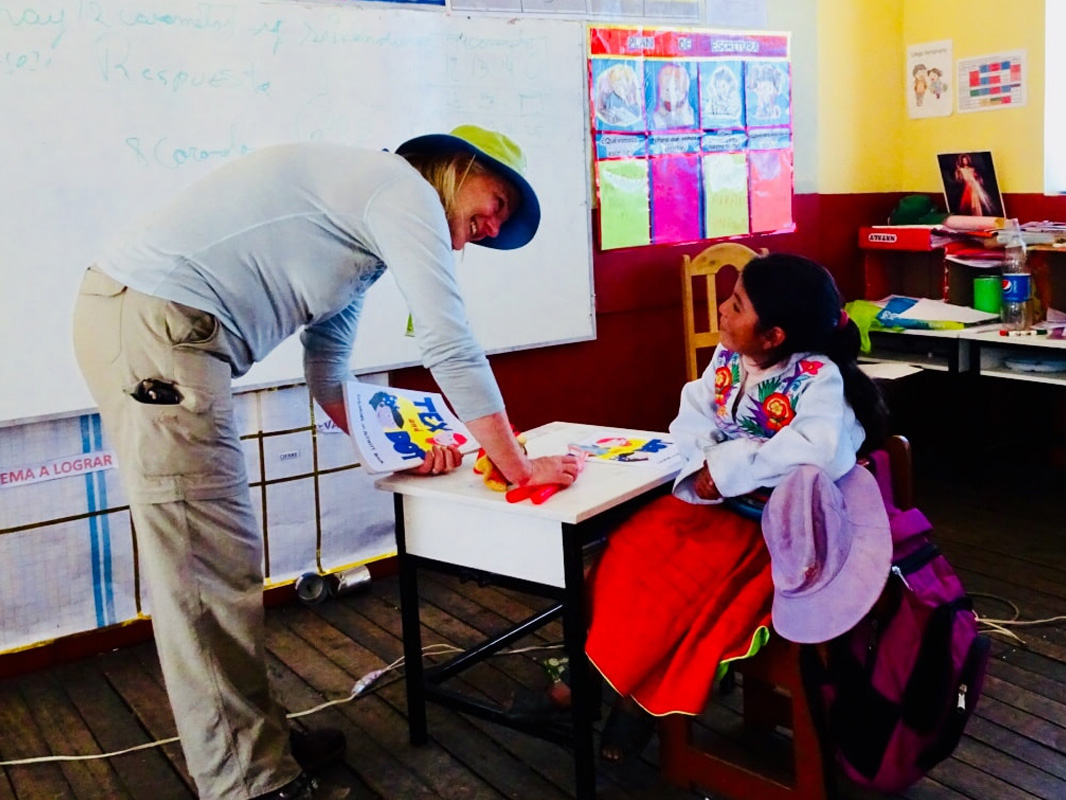
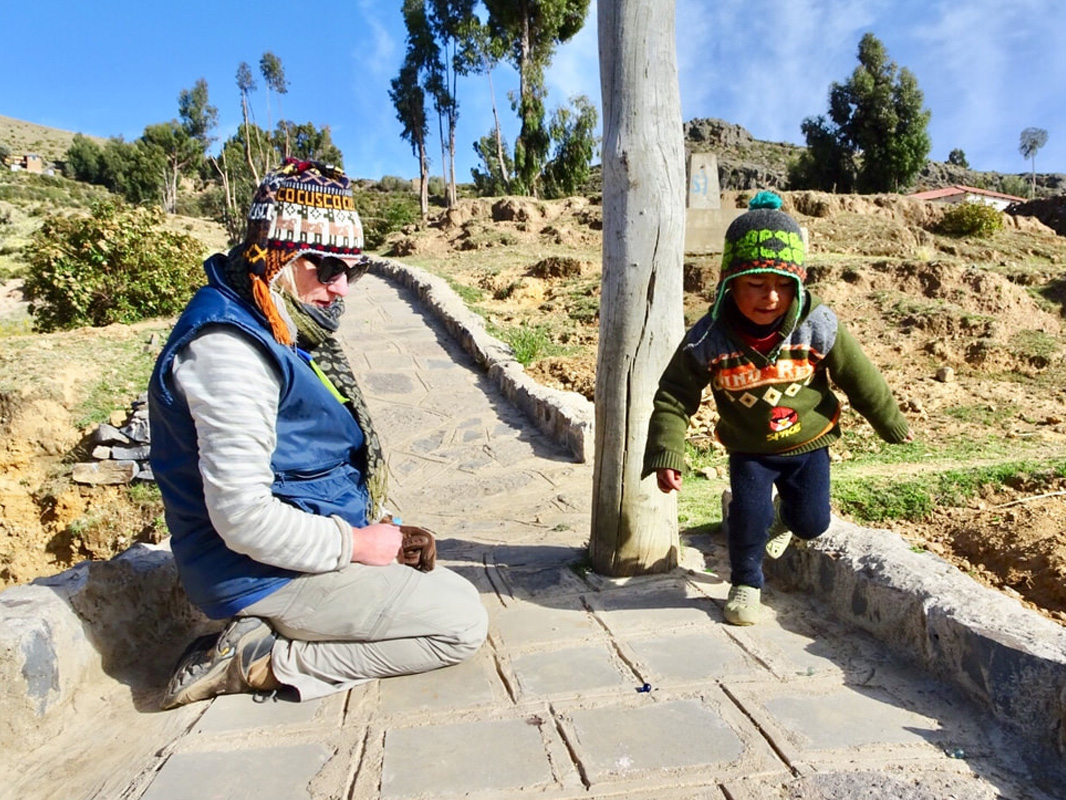
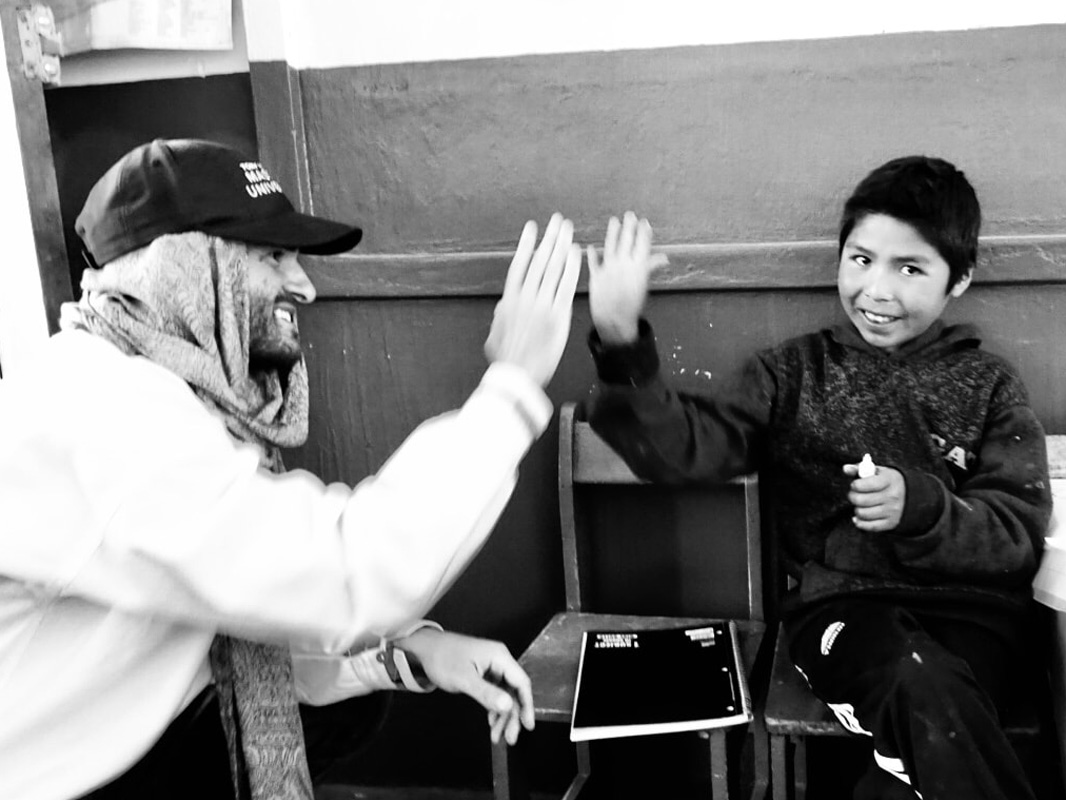
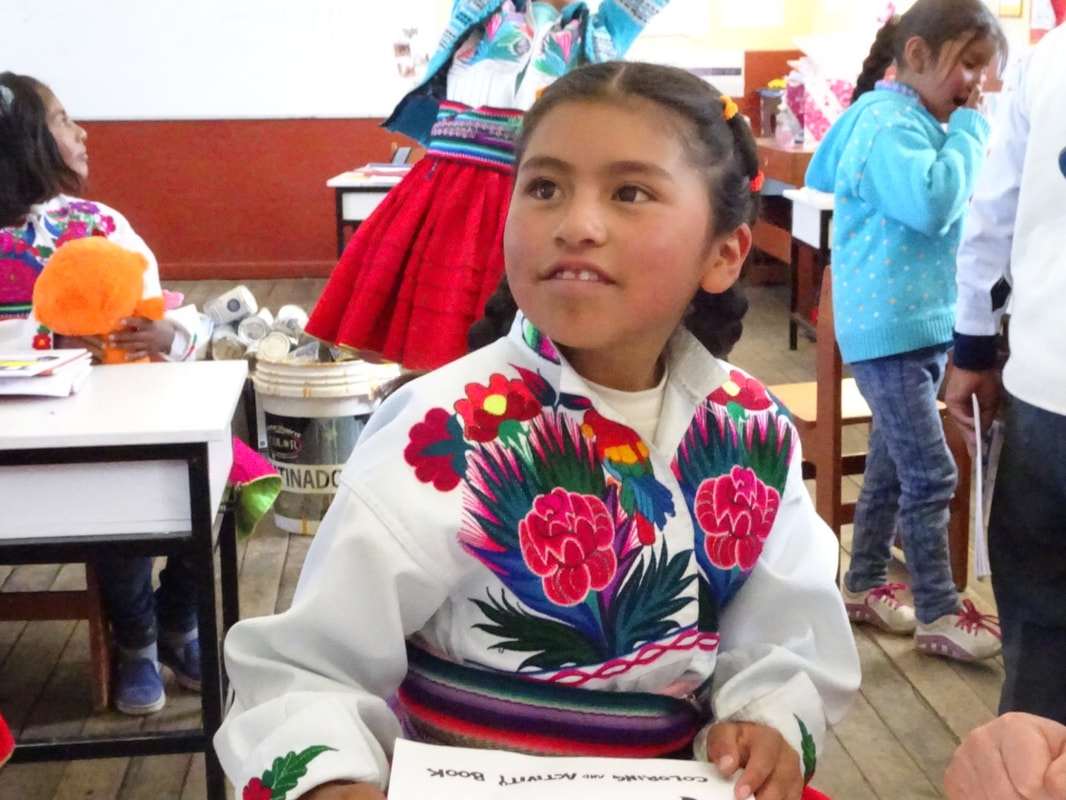
We visited the local school to play with the kids and to distribute much needed donations in the form of books, pens and even toys. It was a humbling and profound experience for me. These kids come from families with very little in terms of material possessions, but their outlook on life and their sheer joy at participating in the games was infectious. Just a “wow” moment …
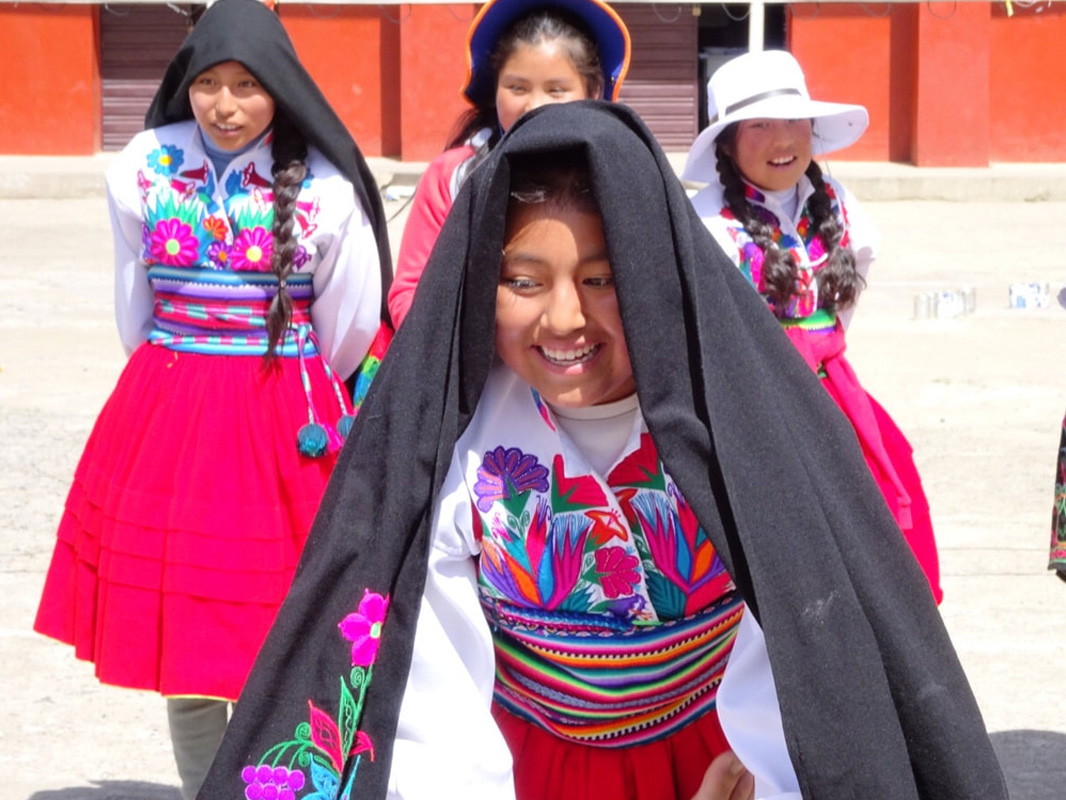
Surely the rest of the tour can’t get any better than this?
Days 223 to 226: Cusco and the incredible Jolanda van den Berg
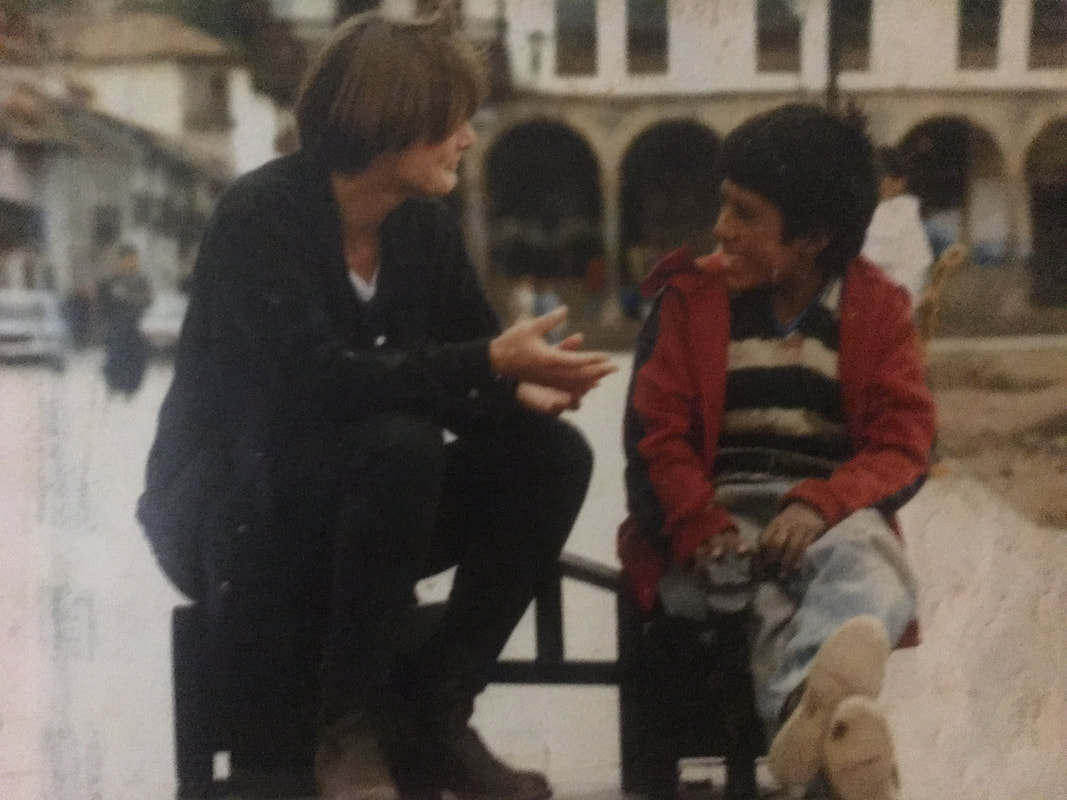
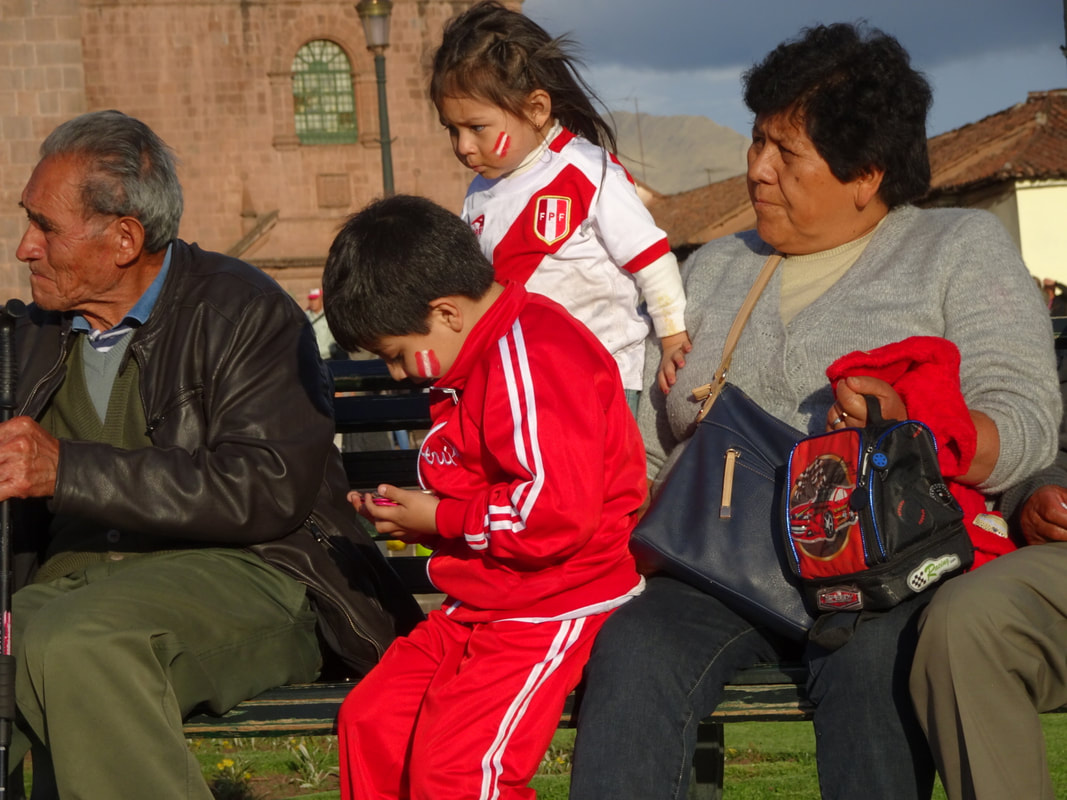
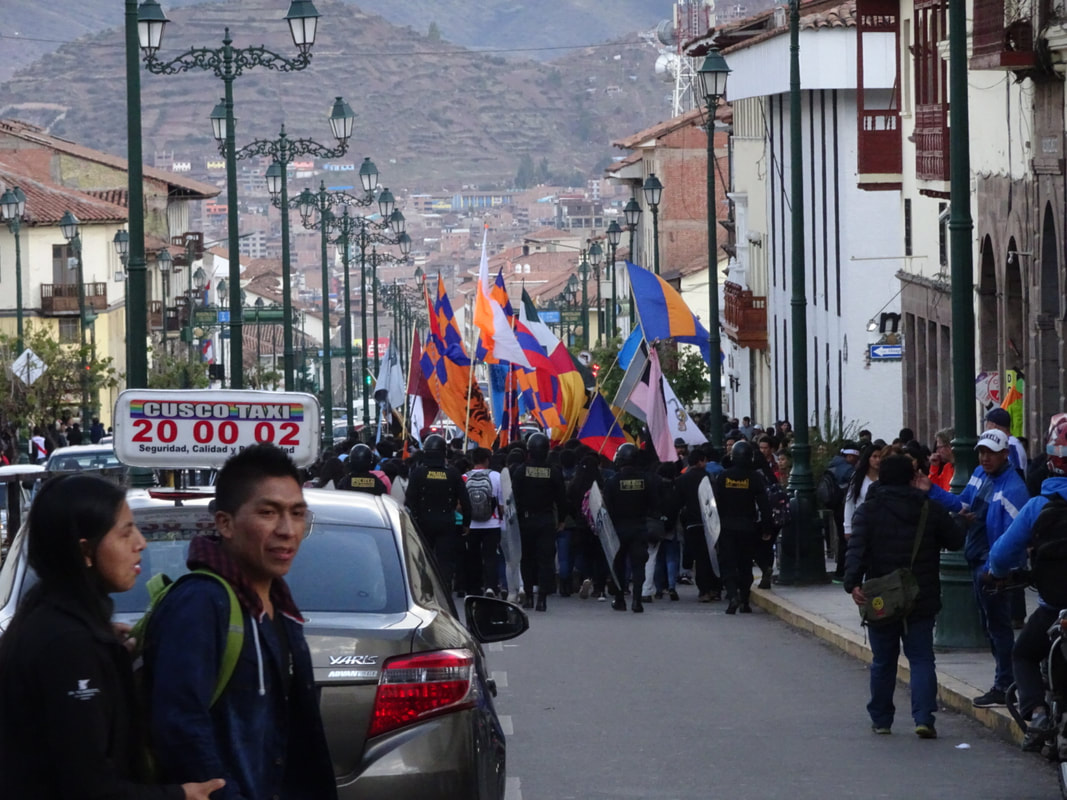
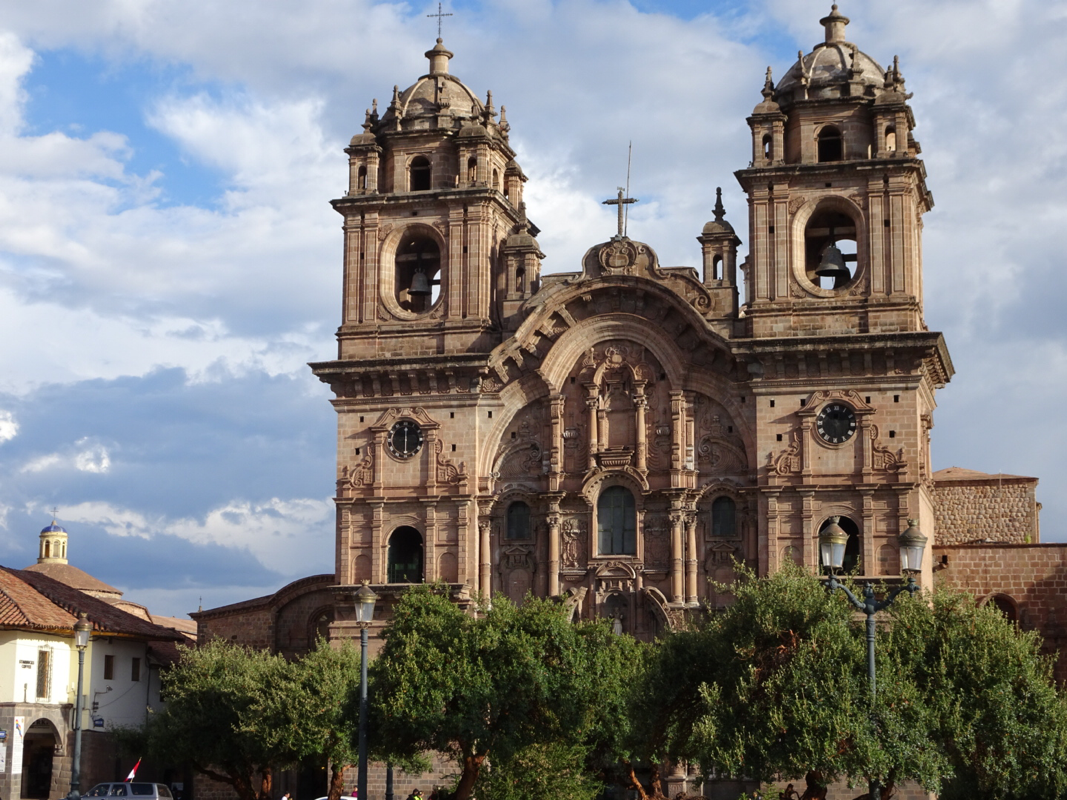
Cusco, once of the capital of the Incan empire, is a busy little city with a population of around 400,000. In the historical centre where we are staying you could be forgiven for thinking the economy is in pretty good shape. There are signs of affluence in many of the restaurants, shops and buildings – and the place is full of tourists. But in reality there is much poverty.
Which brings the amazing Jolanda van den Berg into the story. 21 years ago Jolanda came to Peru with no Spanish and little money but a desire to do something for the many children she had seen working and begging on the street during a trip to Cusco six months previously. We met and chatted with Jolanda at Cusco’s Niños Hotel, one that she had started for the benefit of the kids.
She started in 1996 by renting a small room and offered two of the children, who roamed the Plaza de Armas, the opportunity to come and live with her. The condition was they stuck to the rules, which included daily chores. Two boys quickly became 12 in a five-bedroom house with one toilet and shower for everyone plus limited running water.
Funding initially came from family and friends in the Netherlands but it was never going to be enough. And so with little knowledge of the hospitality industry, Jolanda and her partner hit on the idea of starting a hotel – the objective being to become financially independent and for the boys to learn a trade. Out of the blue one large Dutch sponsor provided the funding and the Niños Hotel Meloc became a reality in 1998. That is where we are now staying and it is just the cosiest little hotel I think I have ever stayed in. There are no room numbers; instead all the rooms are named after the boys.
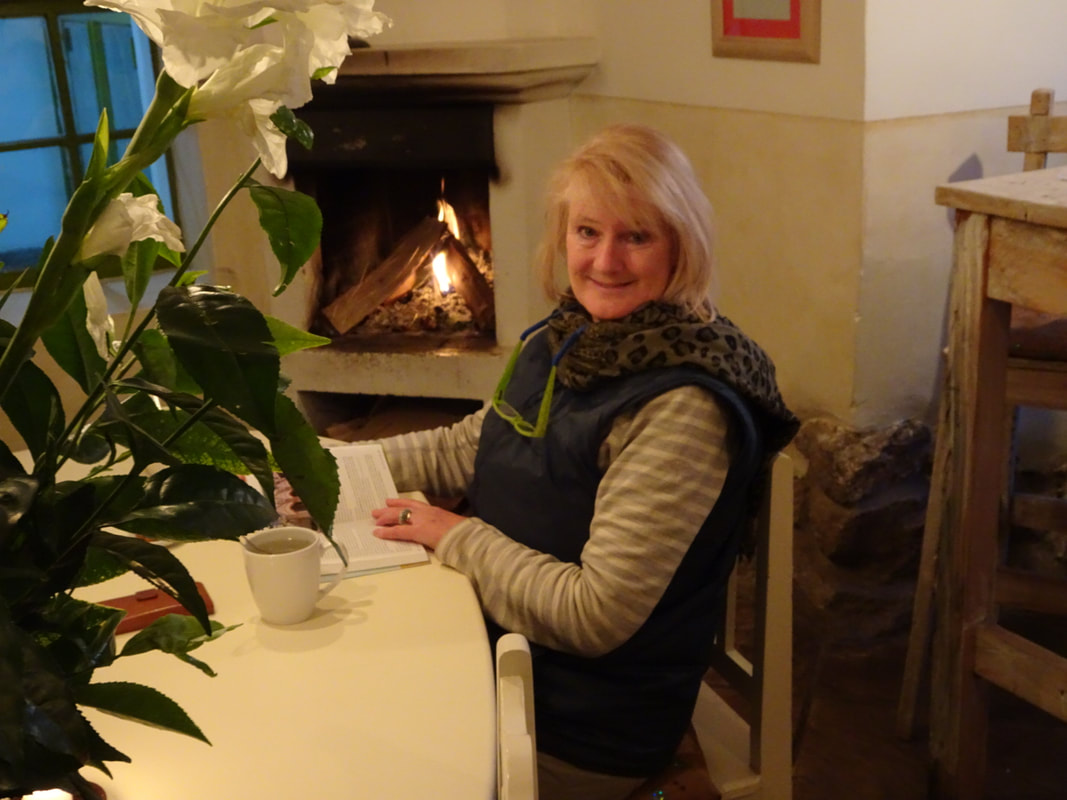
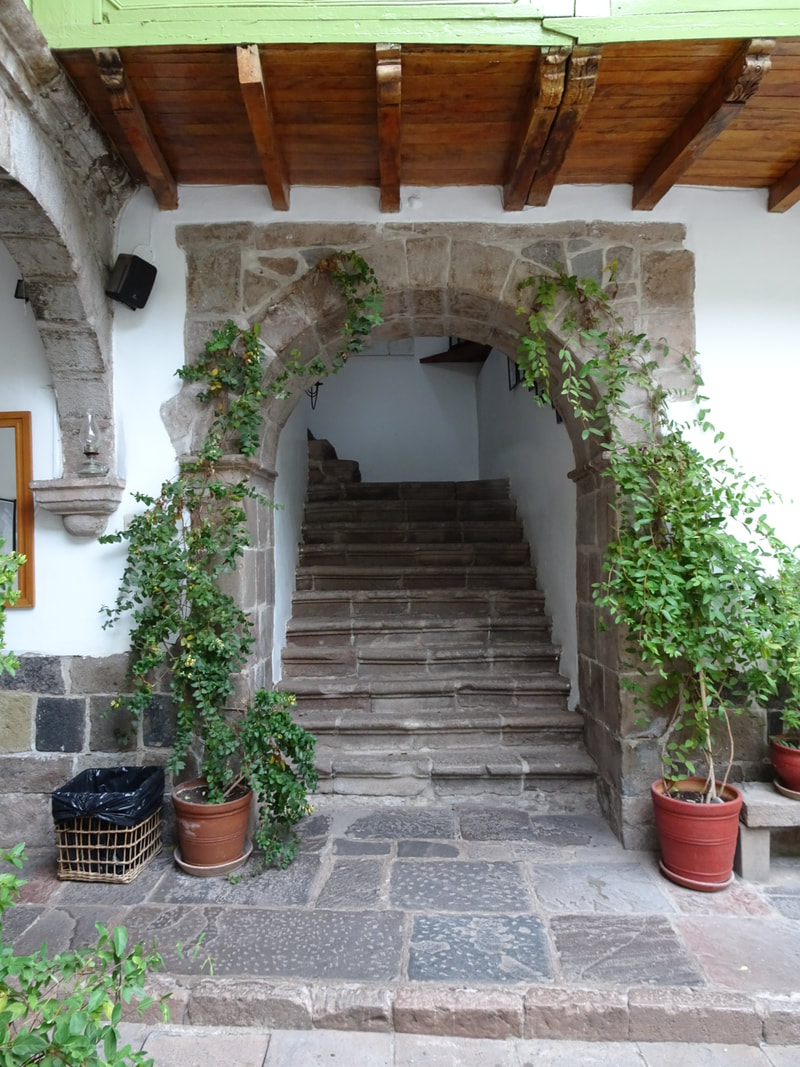
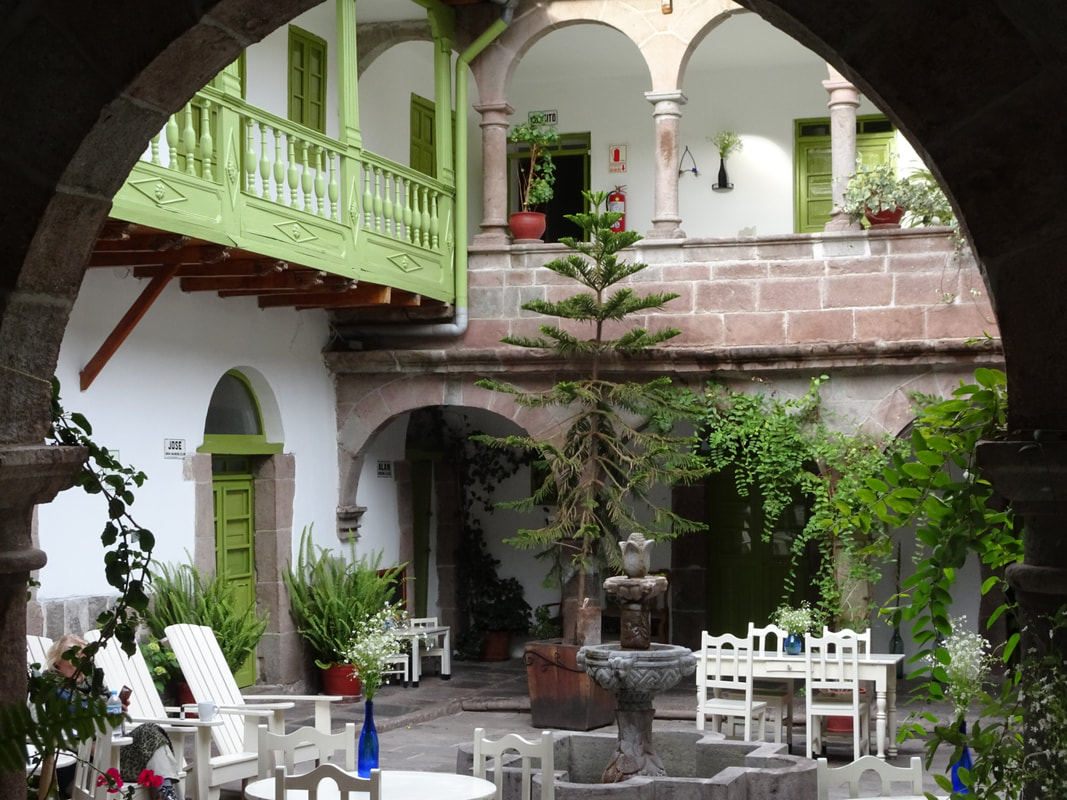
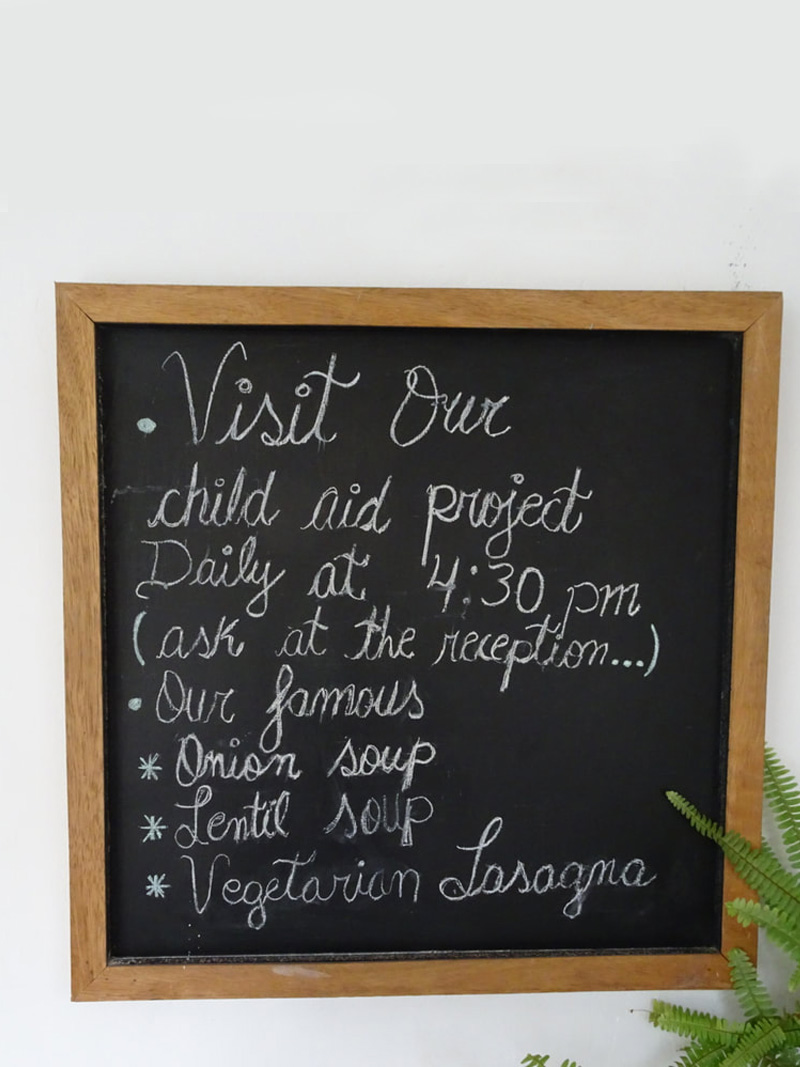
Jolanda van den Berg is just a gorgeous bundle of vibrant energy. She has the most sparkling eyes and if she has any regrets about her life over the last 21 years they are very well hidden. I think I’m a little bit in love (purely platonically of course!).
Her philosophy is that “there are no victims here”. She treats her relationship with the kids as a partnership – she gets just as much out of it as they do. The way you give is important. “giving has to be useful in the eyes of those who are receiving”, rather than satisfying ones well-meaning ego. That in turn has led her to continue to expand the hotel business (there are now three) and thereby rely less on sponsors, so many of whom want to be recognised and associated with a particular “gift”. Jolanda says she doesn’t need more refrigerators – it’s the money that is needed, given selflessly with no attachment.
If anyone is looking for somewhere very special to stay in Cusco, come to the Niño’s Hotel Meloc – it may just change your life . . . !
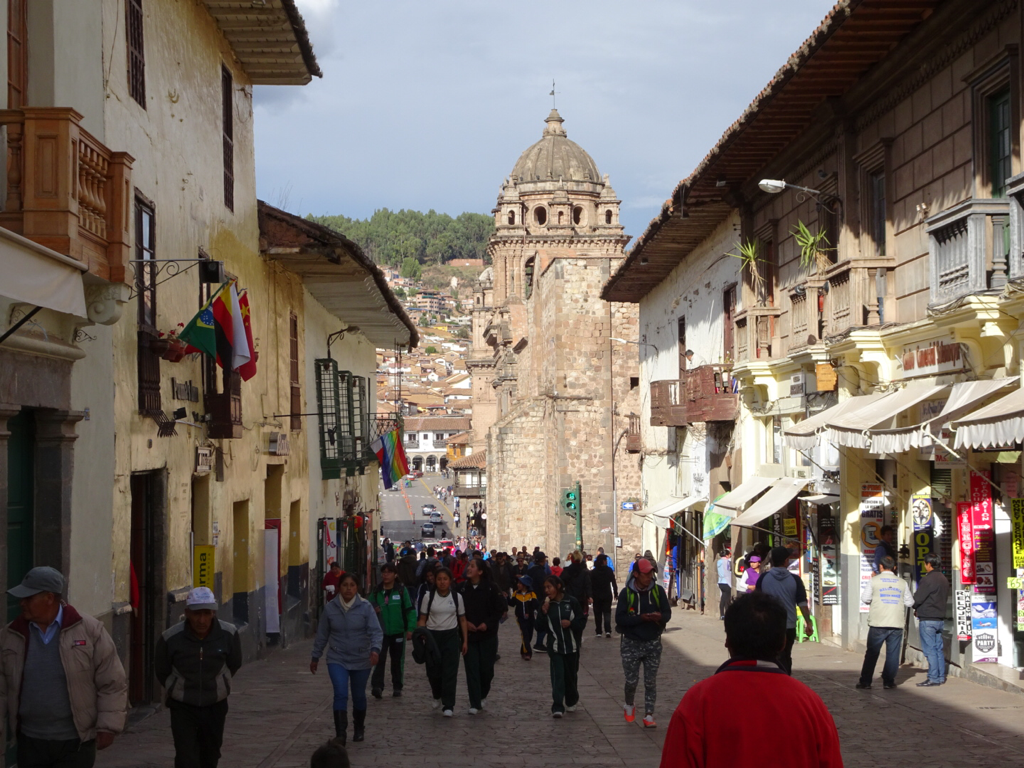
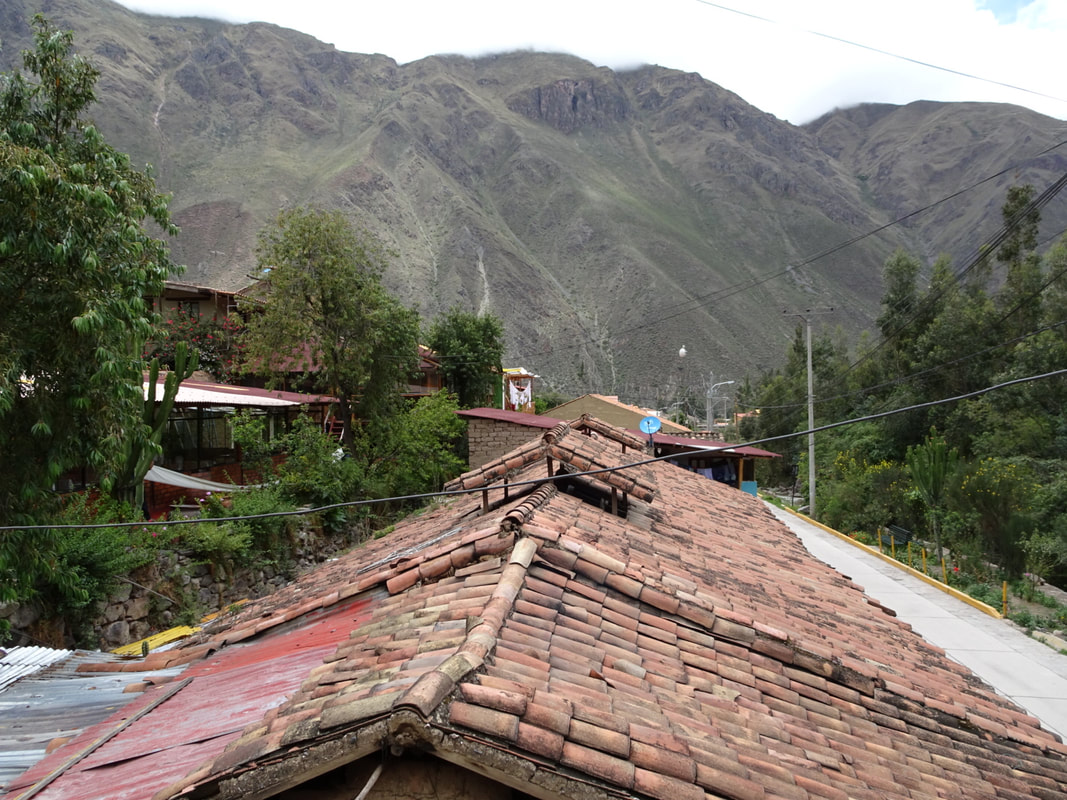
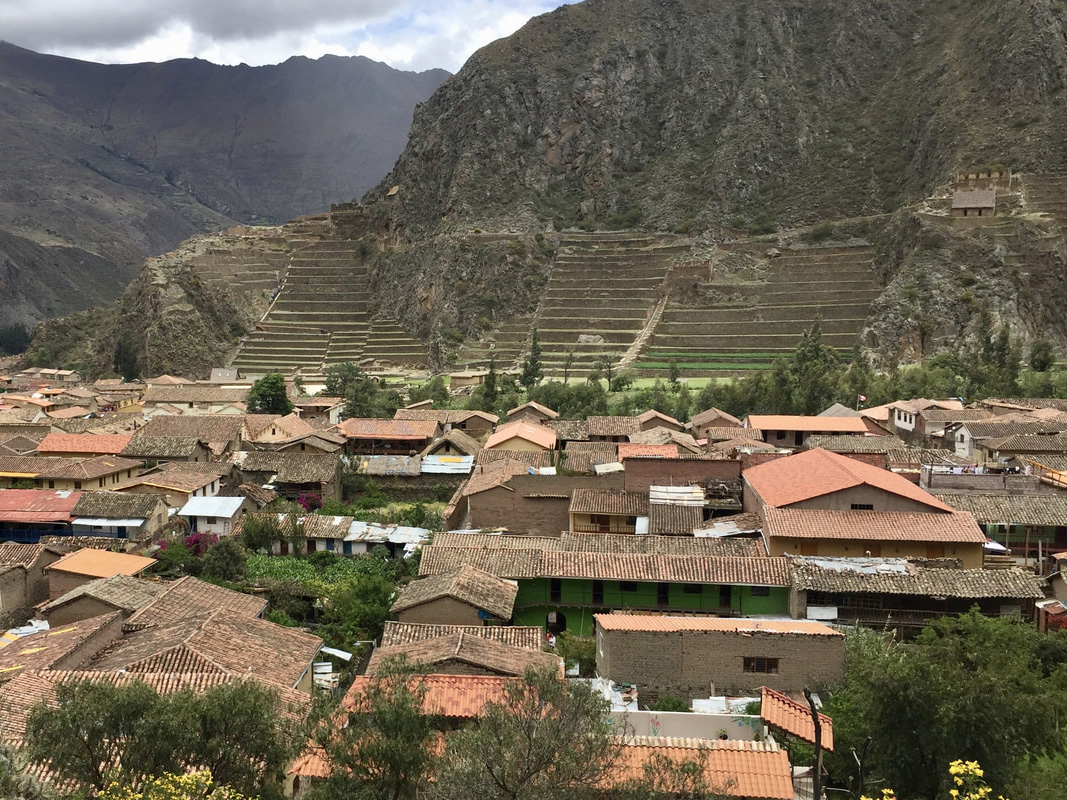
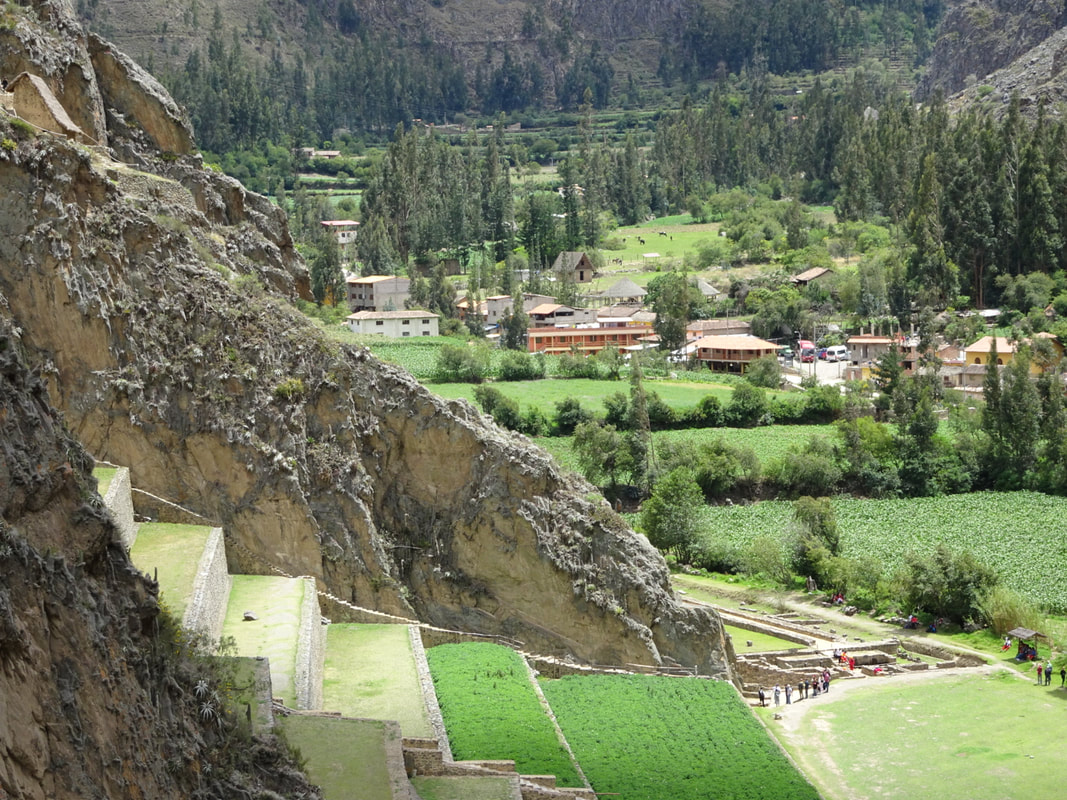
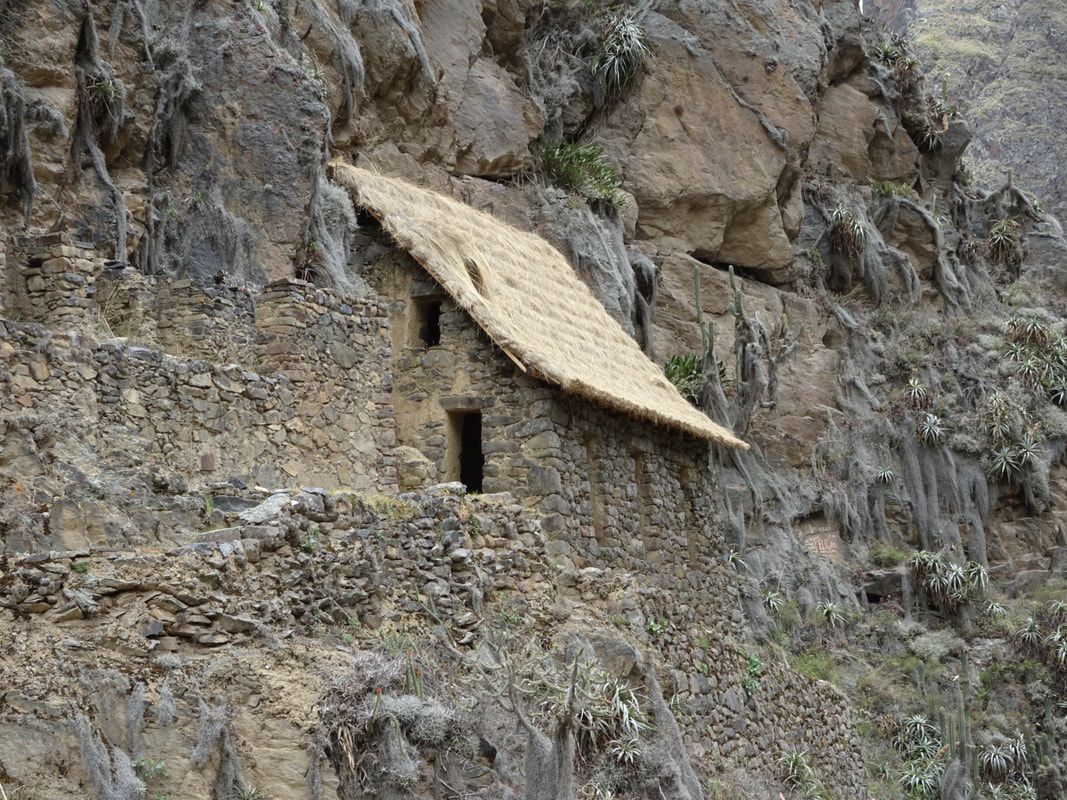
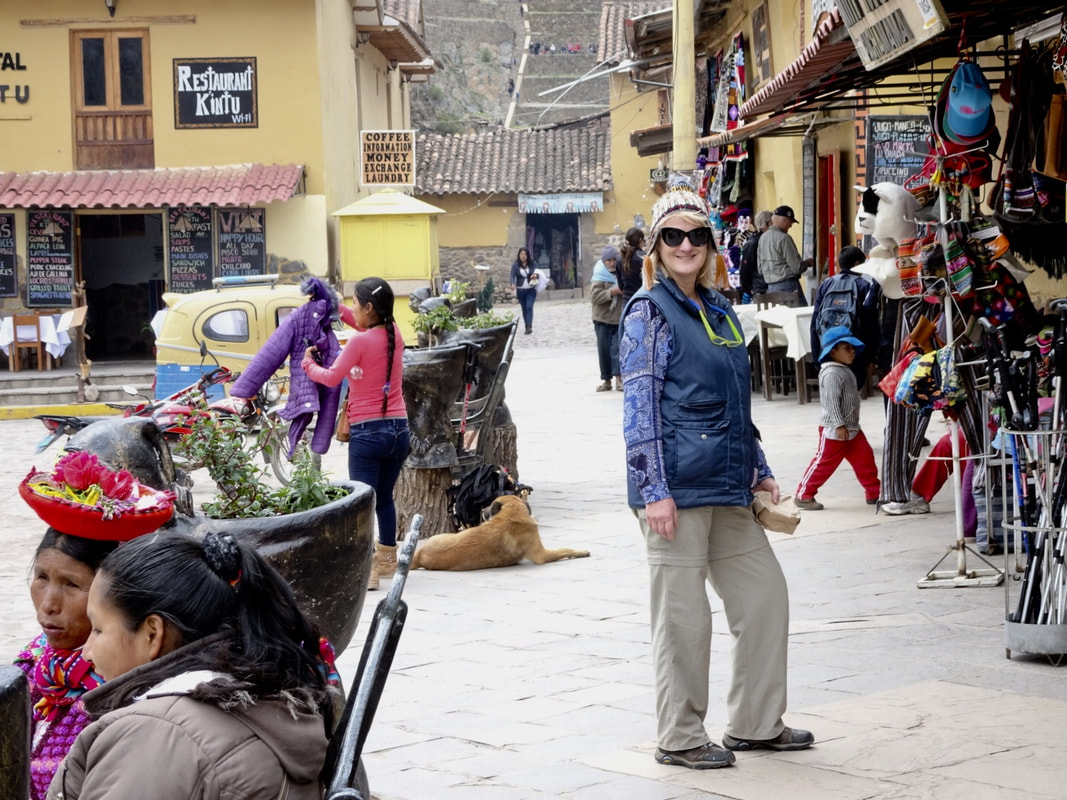
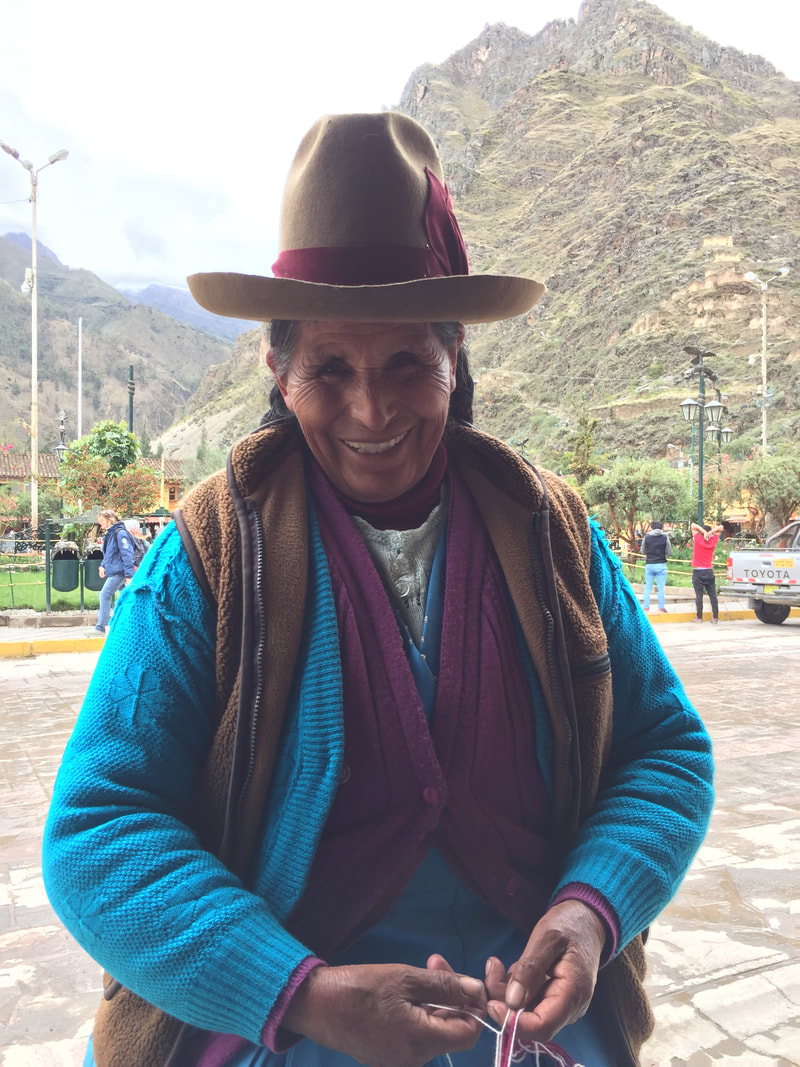
Days 216 to 222: Arrival in Peru – Lima and Ollantaytambo . . .
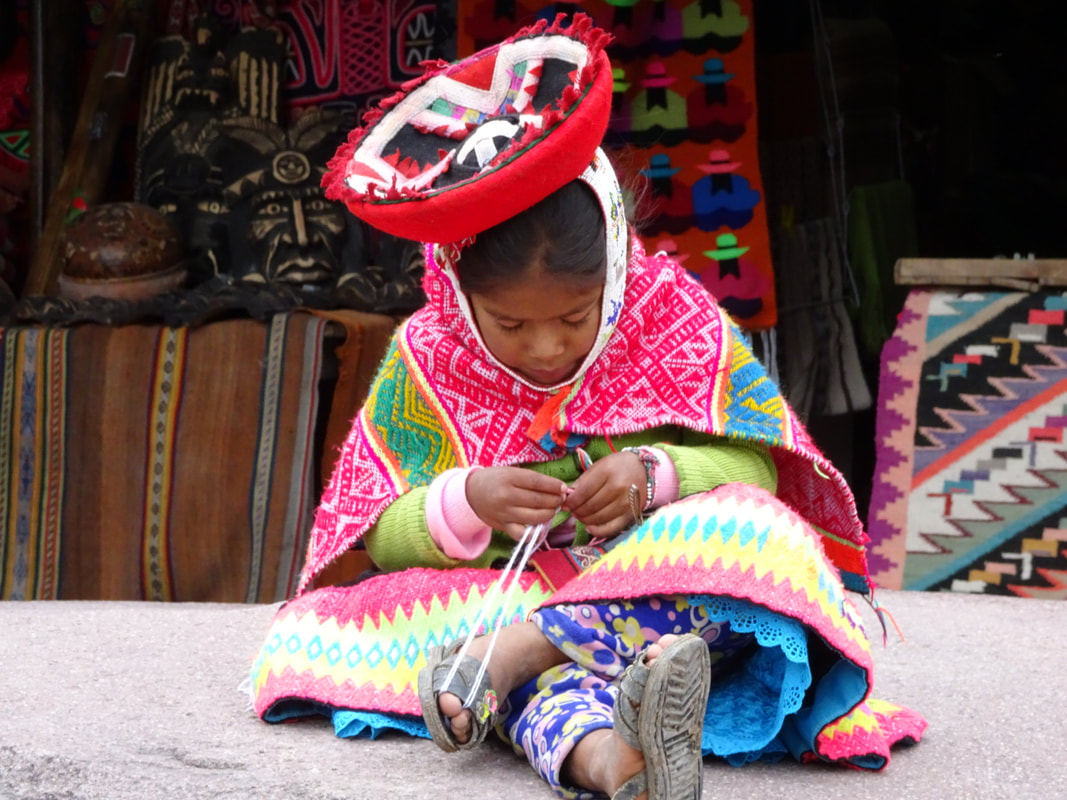
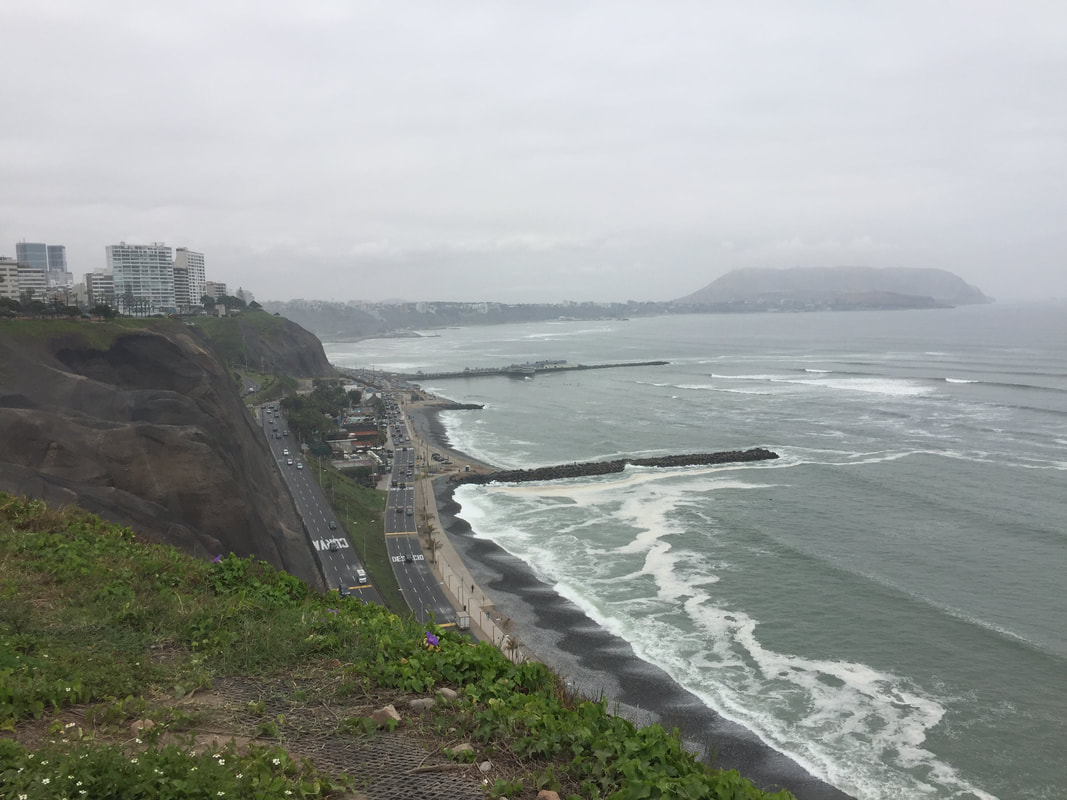
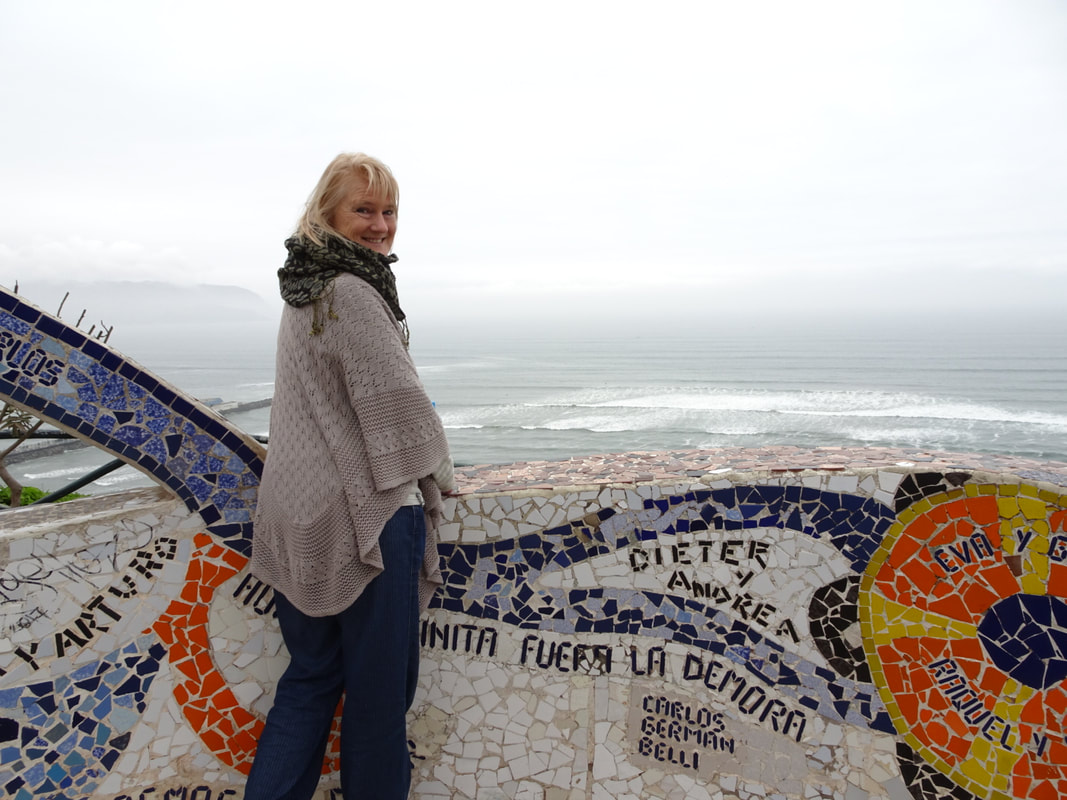
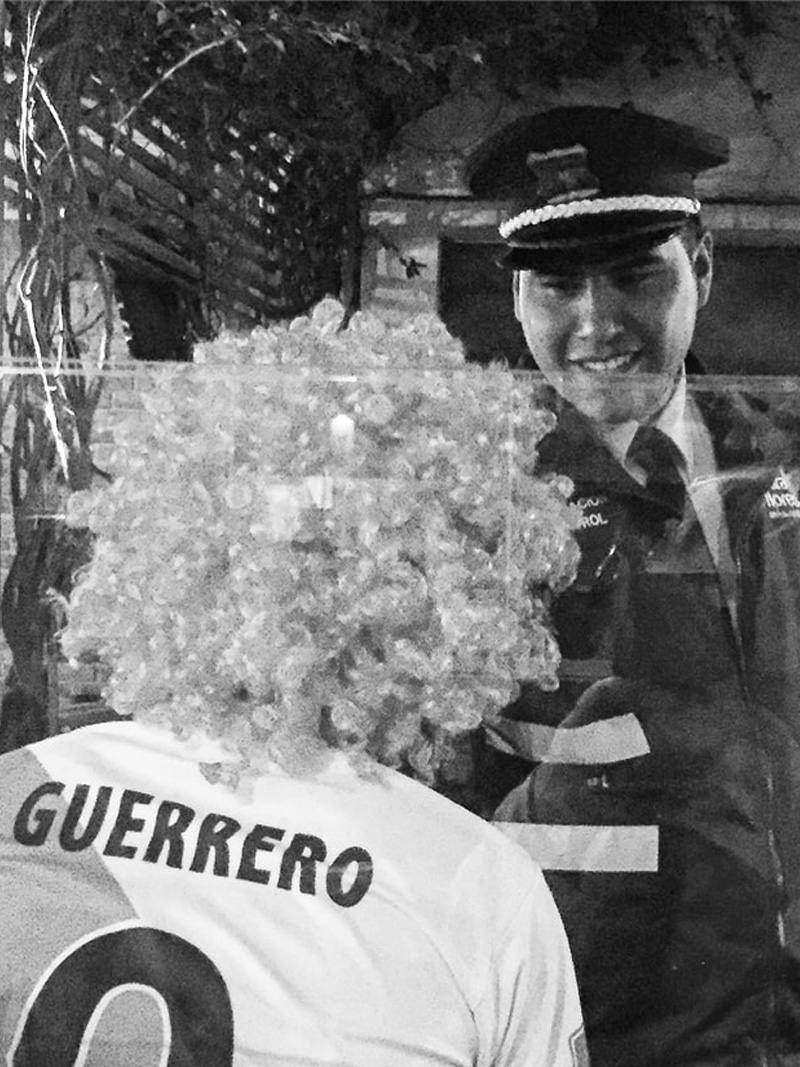
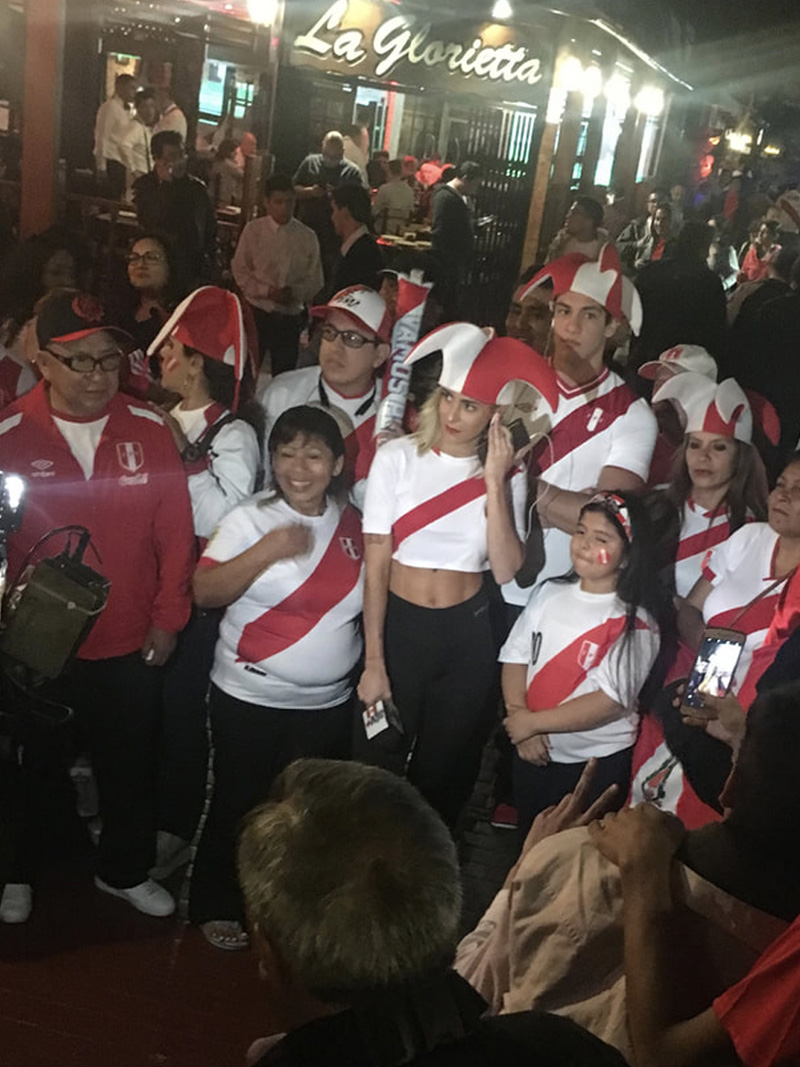
It has to be said that Lima, our first stop, was a little bit of an anticlimax. We knew from our research that this would not be one of the world’s most beautiful cities but we were unprepared for the sprawl of smog-drenched dreariness that is Lima. Our one bright spot was somewhat of a surprise for us having discovered that New Zealand was playing Peru in a world cup qualifying football match on our second night.
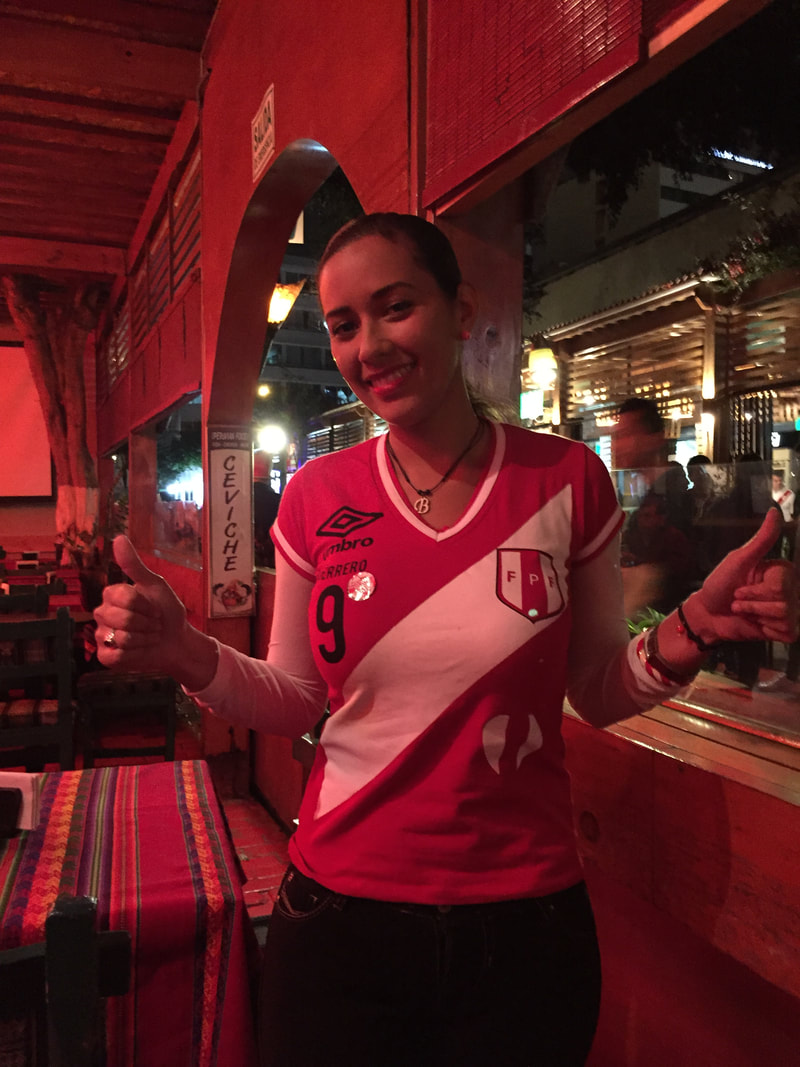
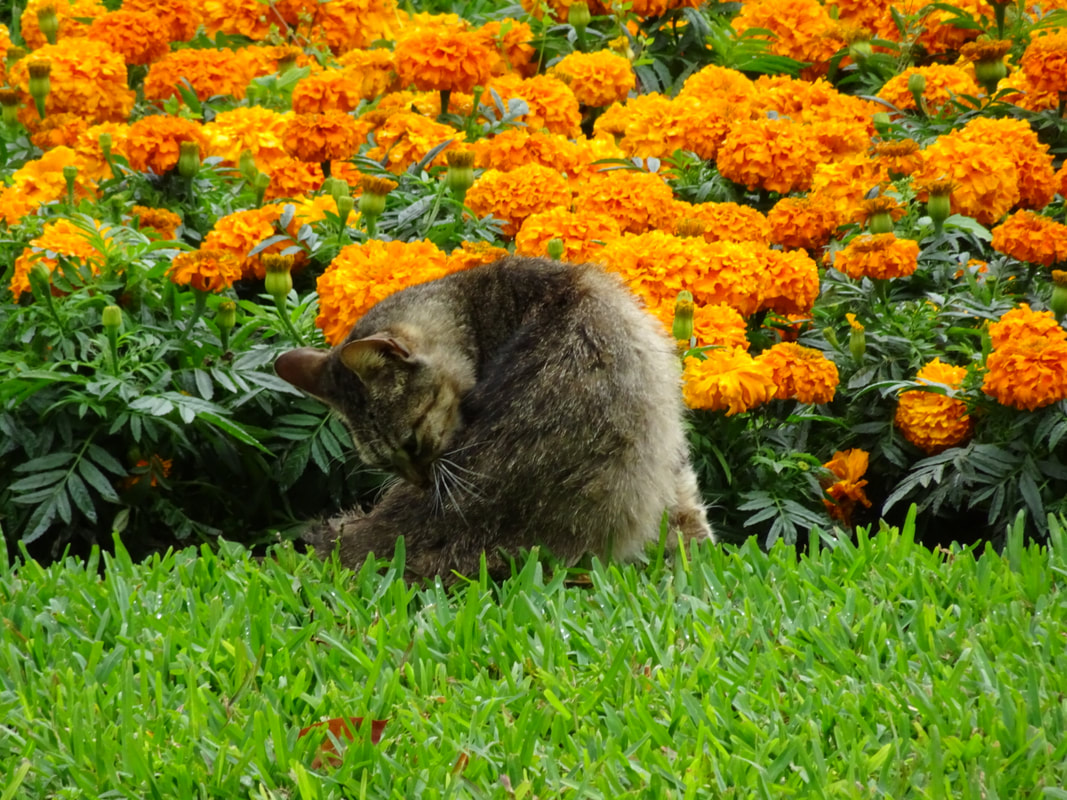
Man do those Peruvians love their football. Just about everyone in the city centre was sporting Peruvian colours, screens were set up in Kennedy Park (worth a visit by the way to see the 100 plus homeless cats protected by the local council), and the bars were heaving. We were interviewed by a local TV channel while walking towards a lively looking place for a beer – I think they were amazed to find out we were Kiwis. Nil all was the result by the way. The second leg is being played in Lima in a couple of day’s time which will be an absolute hum-dinger . . .
Living in the Hague . . .
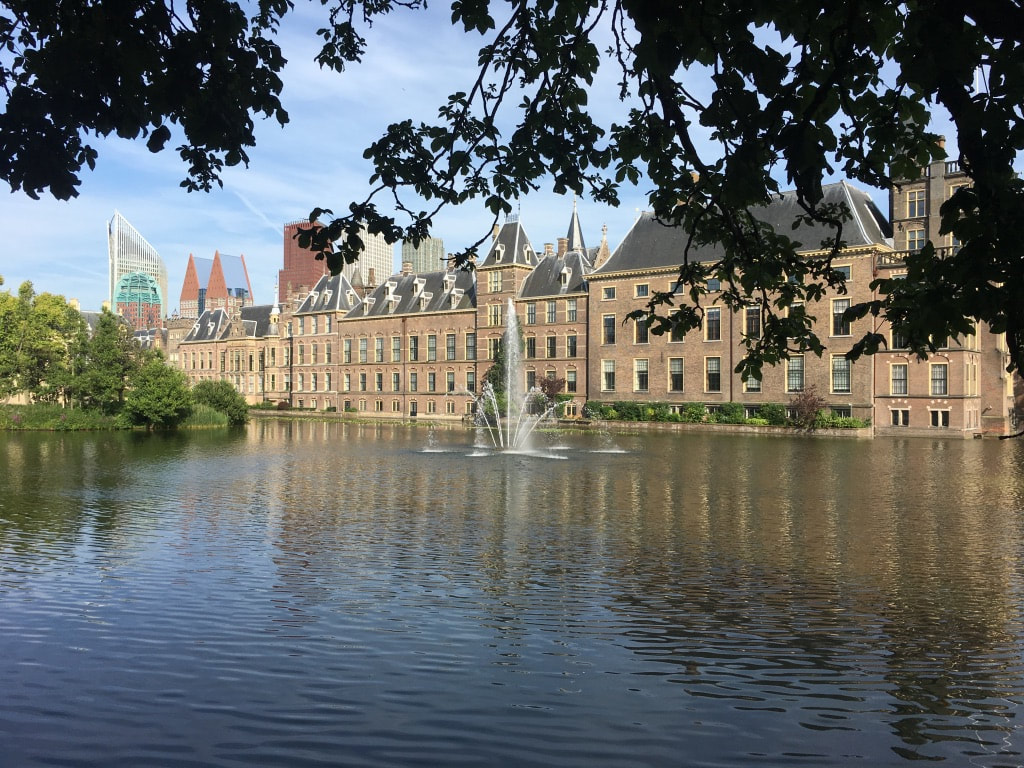
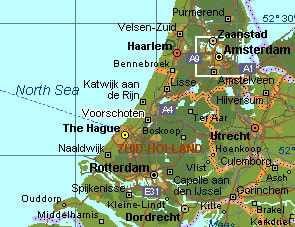
Like anywhere, the city is home to all types. People from Surinam (a former Dutch Colony), Morocco, Turkey, Poland, France, New Zealand (ta da) and various other ethnicities from just about everywhere. There is a large expat community – with even an “Expats in The Hague” newspaper, expat focused real estate agents and a large (and vocal) Hague expats facebook group.
The Dutchies of course are in the majority and you can usually spot them by way of their bike riding skills. If you see someone signalling their intention to turn left or right, gripping the handlebars with both hands, wearing a helmet or generally obeying the road rules – they definitely AREN’T Dutch. Dutch people are raised from an early age to ride bikes and they do so with consummate ease and panache. I do have to say though, at the risk of sounding like a fuddy-duddy, I’m really not at ease with the not wearing helmets thing – particularly when you see a Mum or Dad biking in heavy traffic with toddlers in front and at the back and not a helmet in sight. Nah that isn’t right . . .
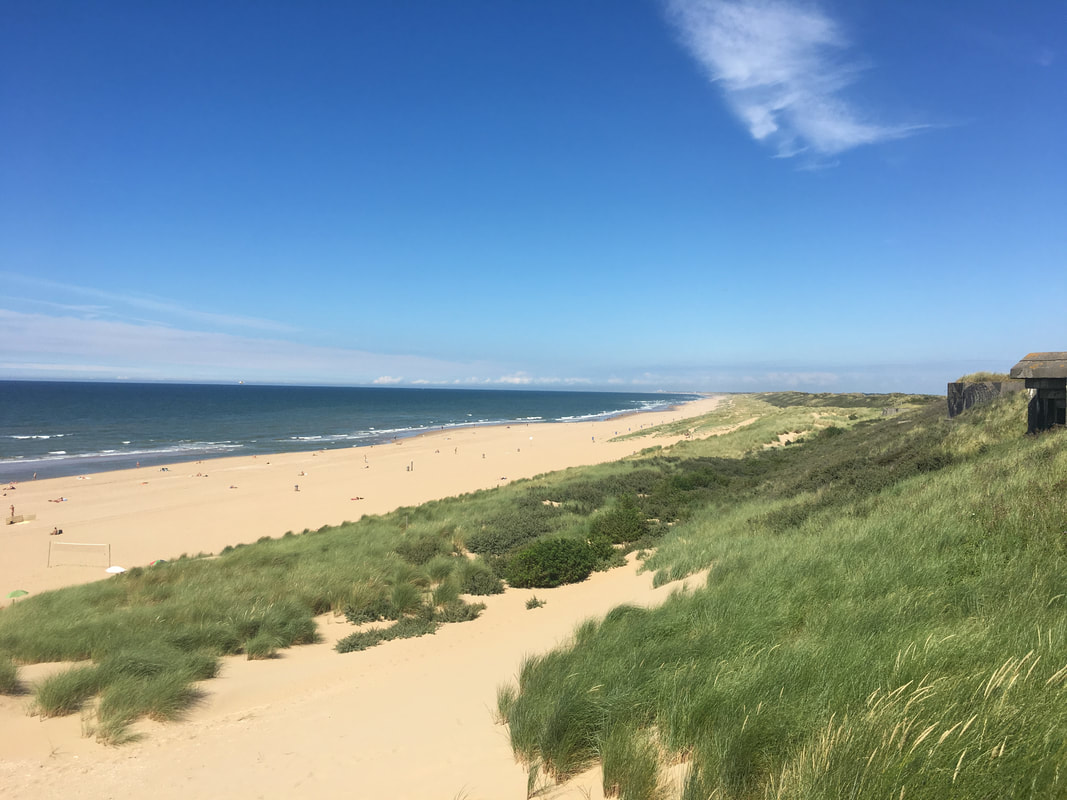
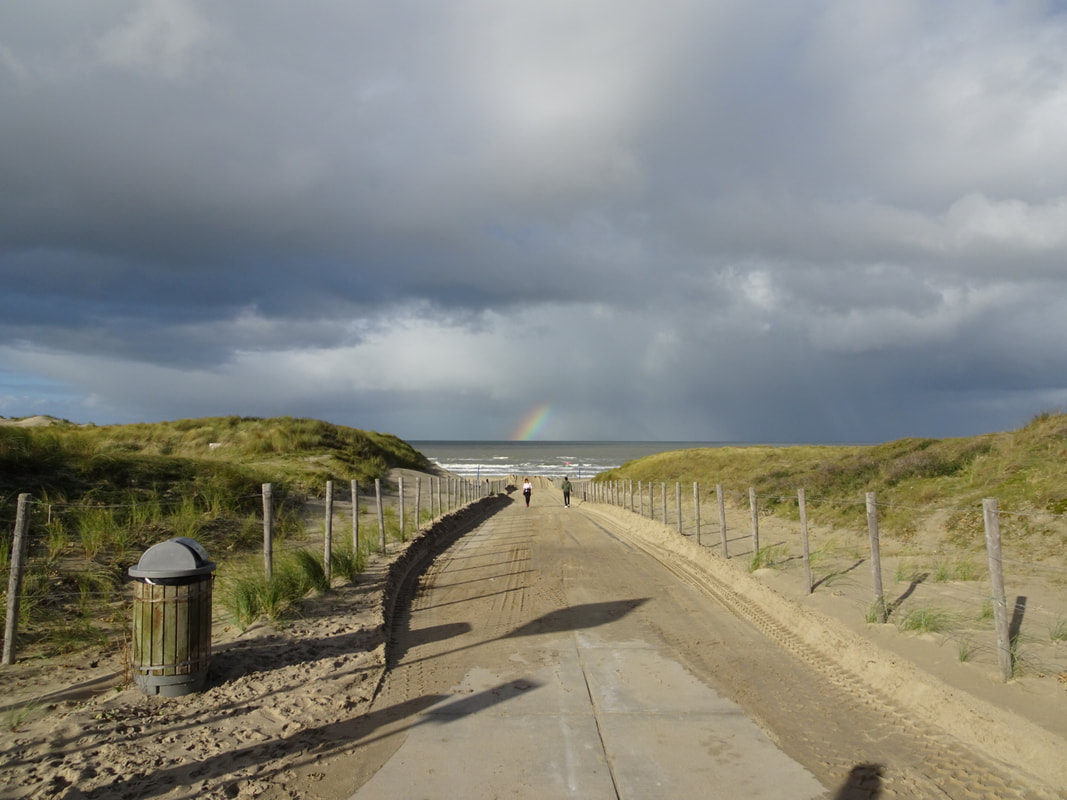
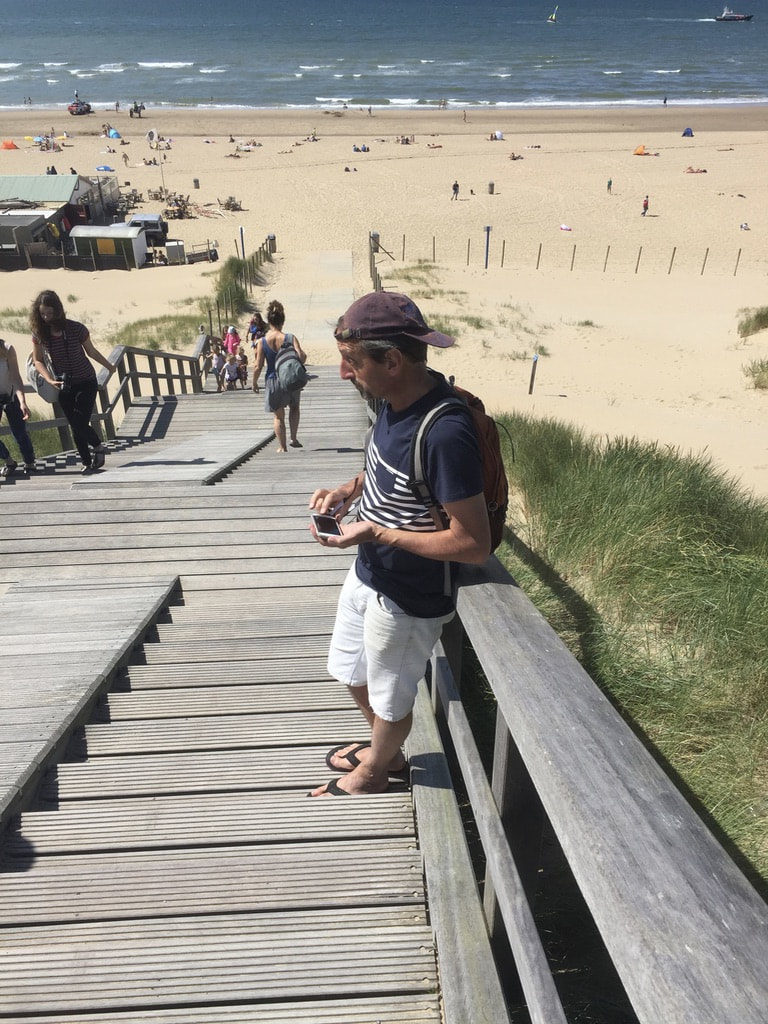
Jo and I have been based in the Statenkwartier, generally thought of as one of the more toffee nosed of the wider toffee nosed Hague. I love the area. Its close to the sea and the working harbour, enjoys many parks and dunes and has great shopping – a wander up the Frederik Hendriklaan on a sunny Saturday is just a whole lot of fun. There is actually a real mix of types – from your doctors, dentists and lawyers to the more working class back streets. Years ago the area was strongly focused on the sea where many earned their living from fishing or from the busy docks.
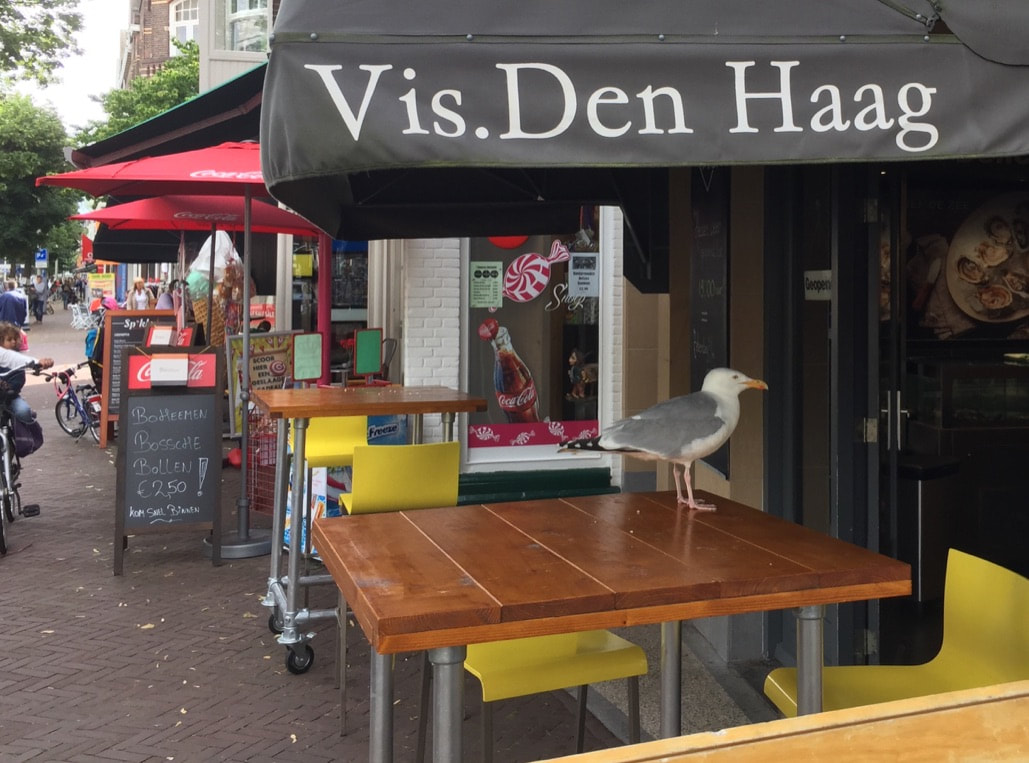
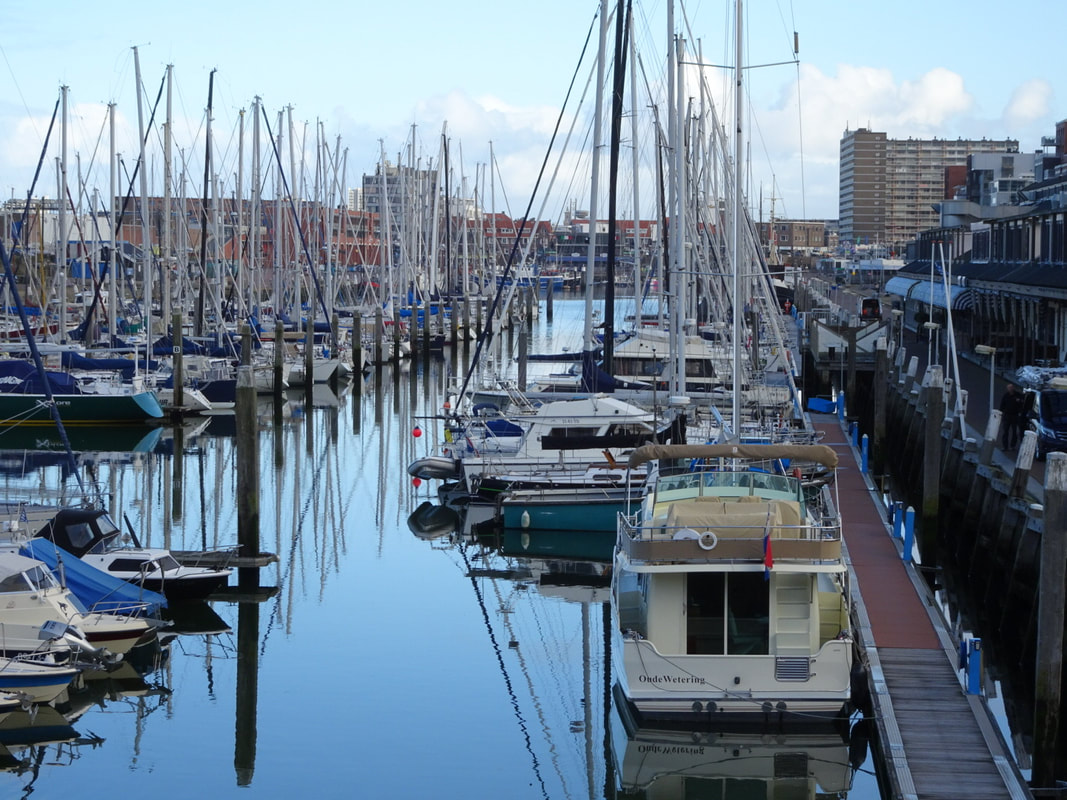
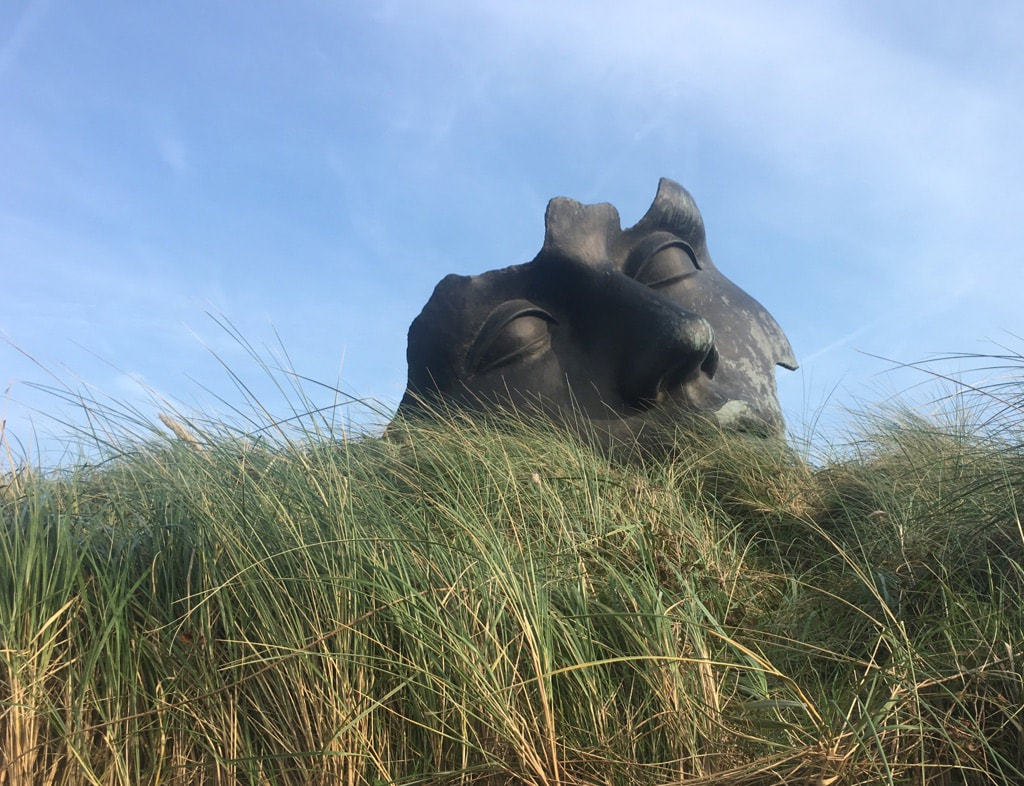
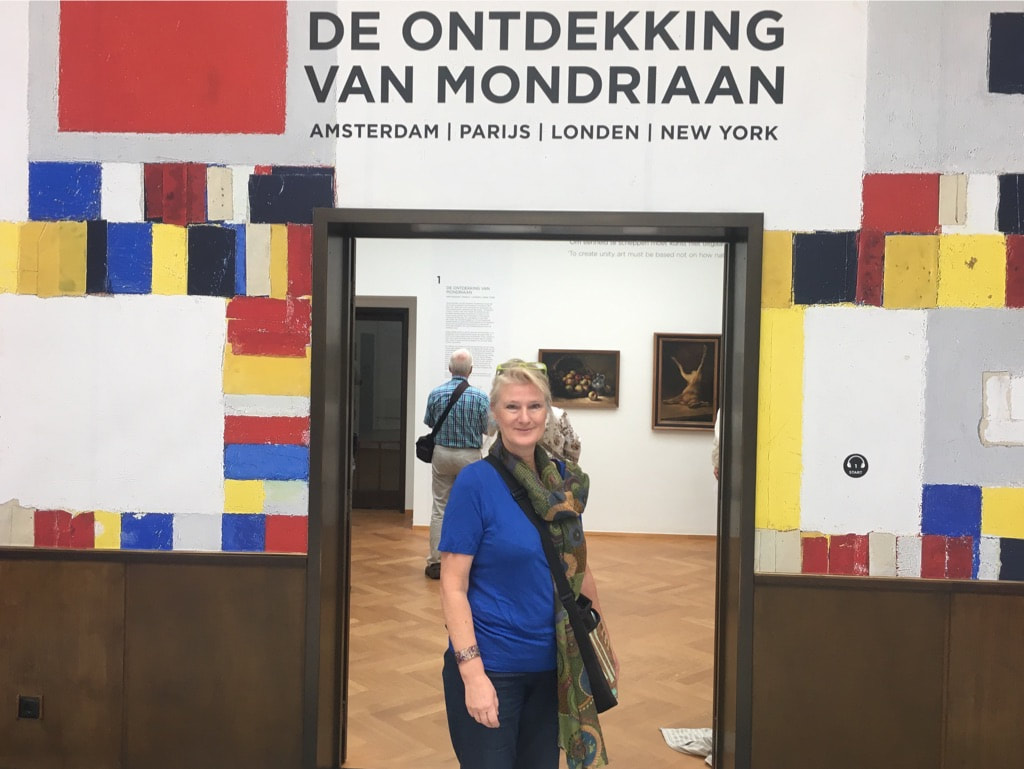
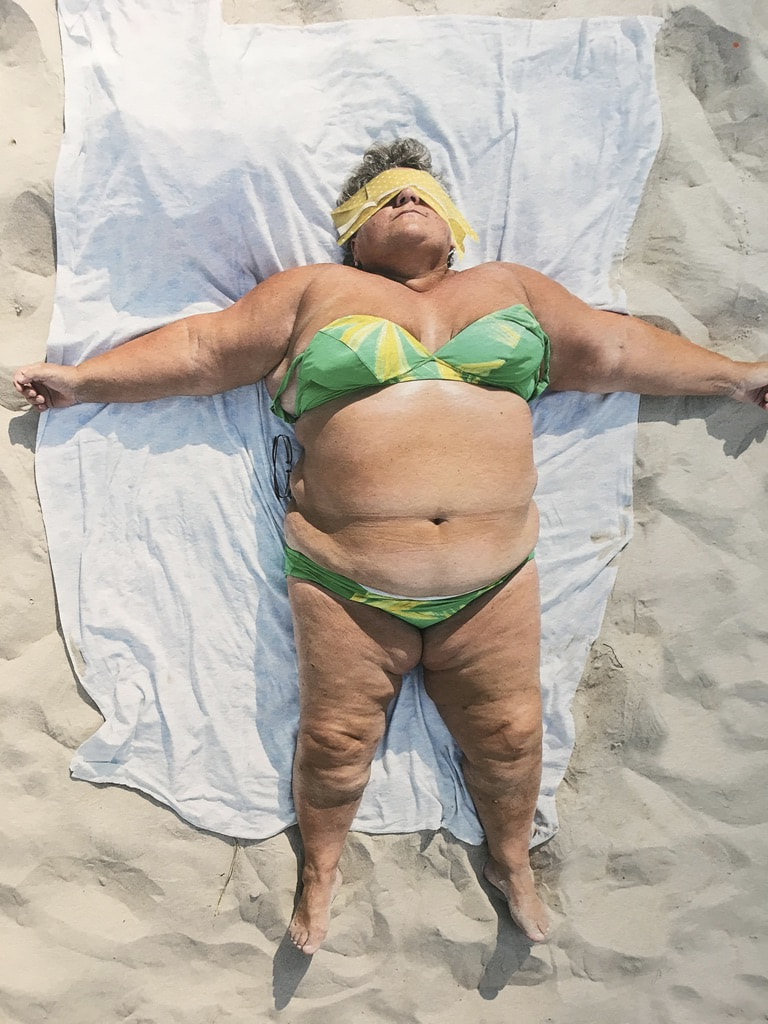
We saw some fabulous exhibitions in the Gemeentemuseum (Mondrian and Anton Heyboer) and the Museum Beelden aan Zee in Scheveningen. I think my favourite was a photo exhibition by Tadao Cern in Panorama Mesdag, which featured a series of people lying on the beach in all their “imperfectness” – blissfully unaware of the camera.