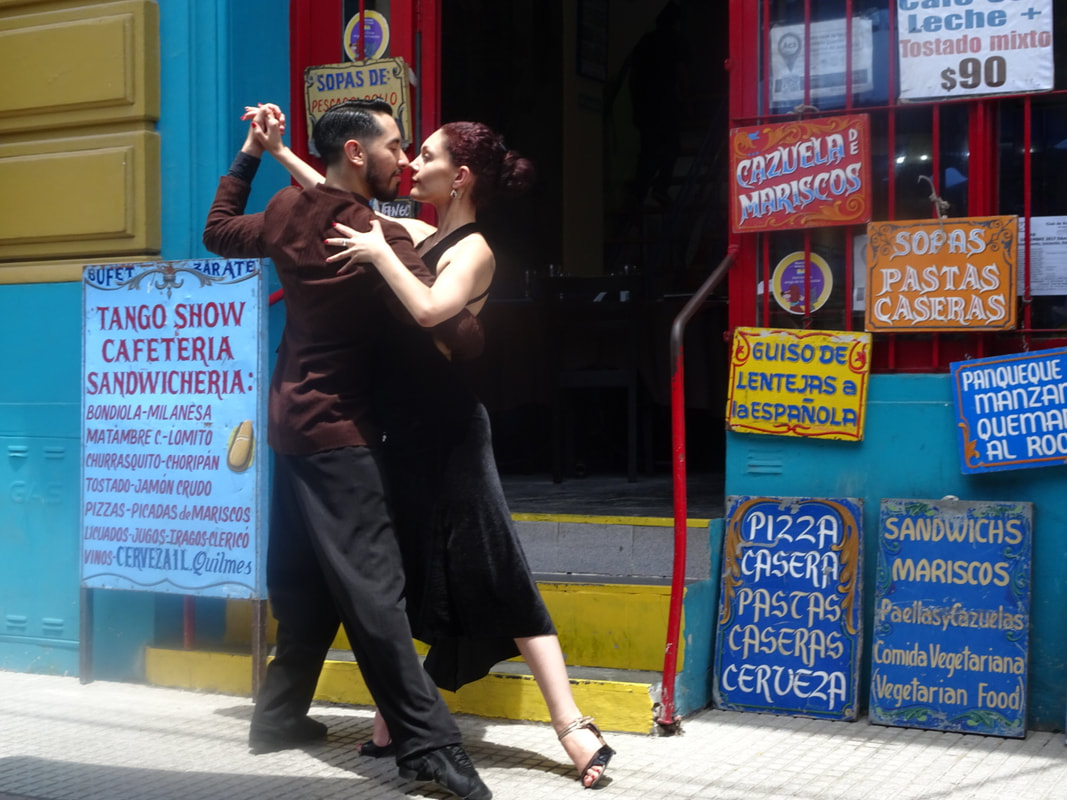
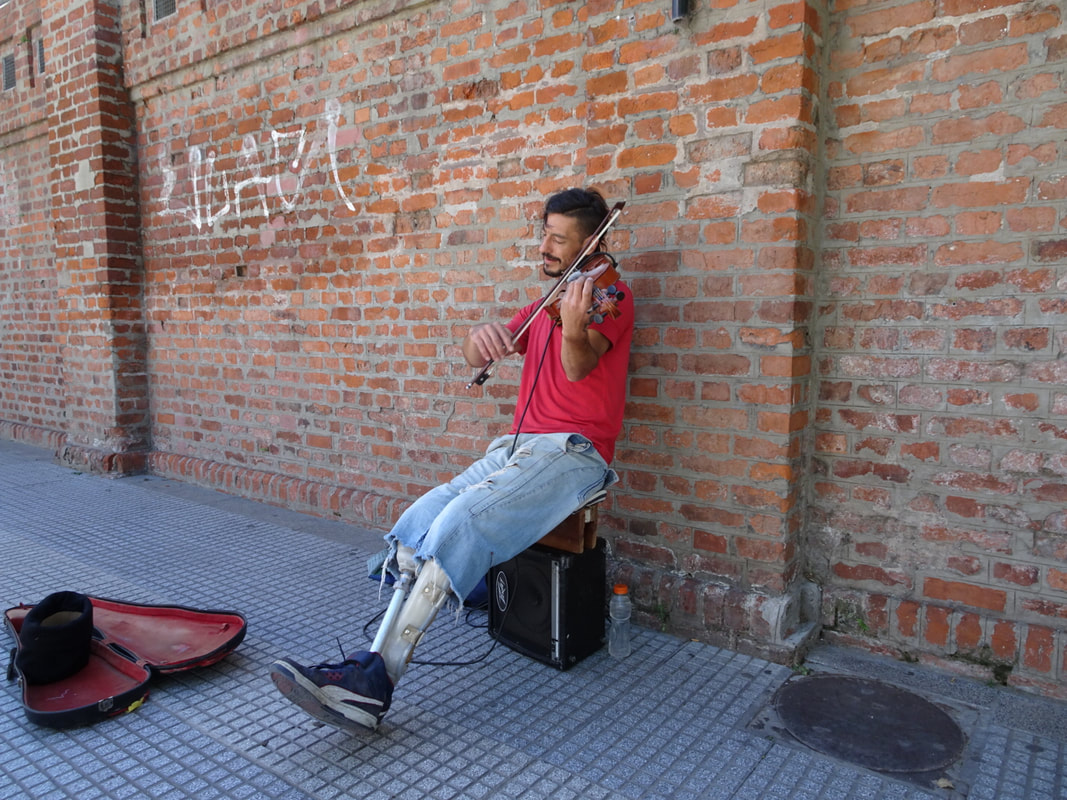
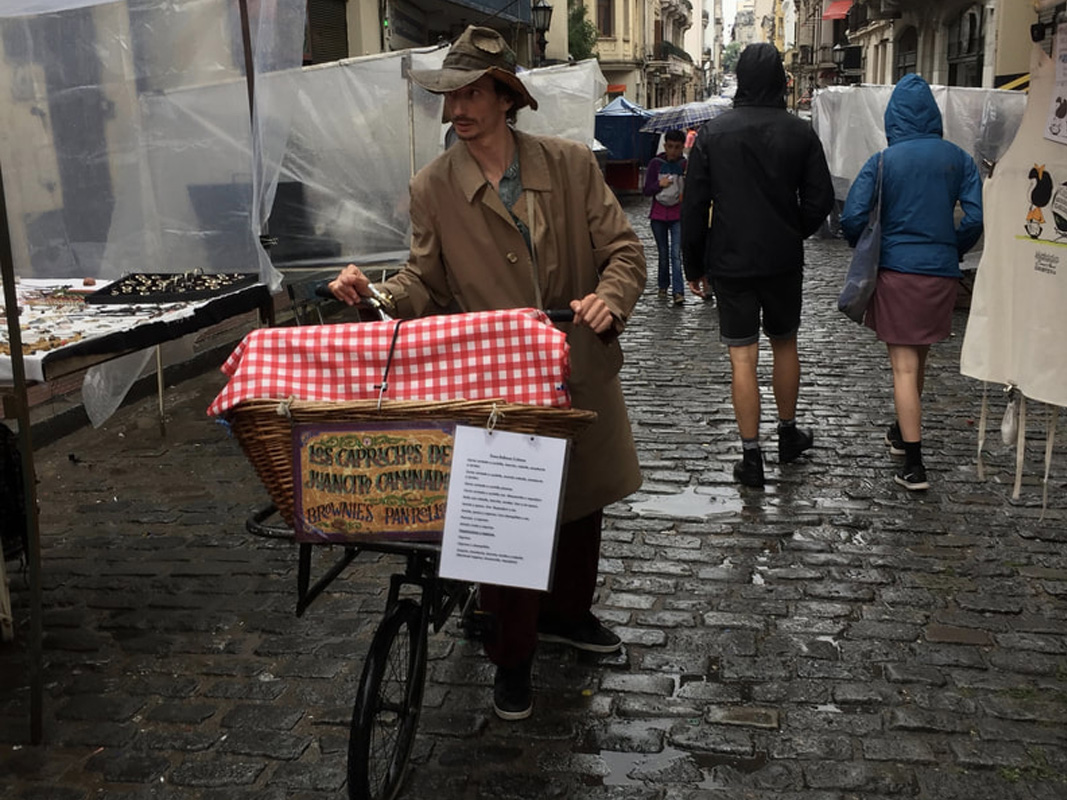
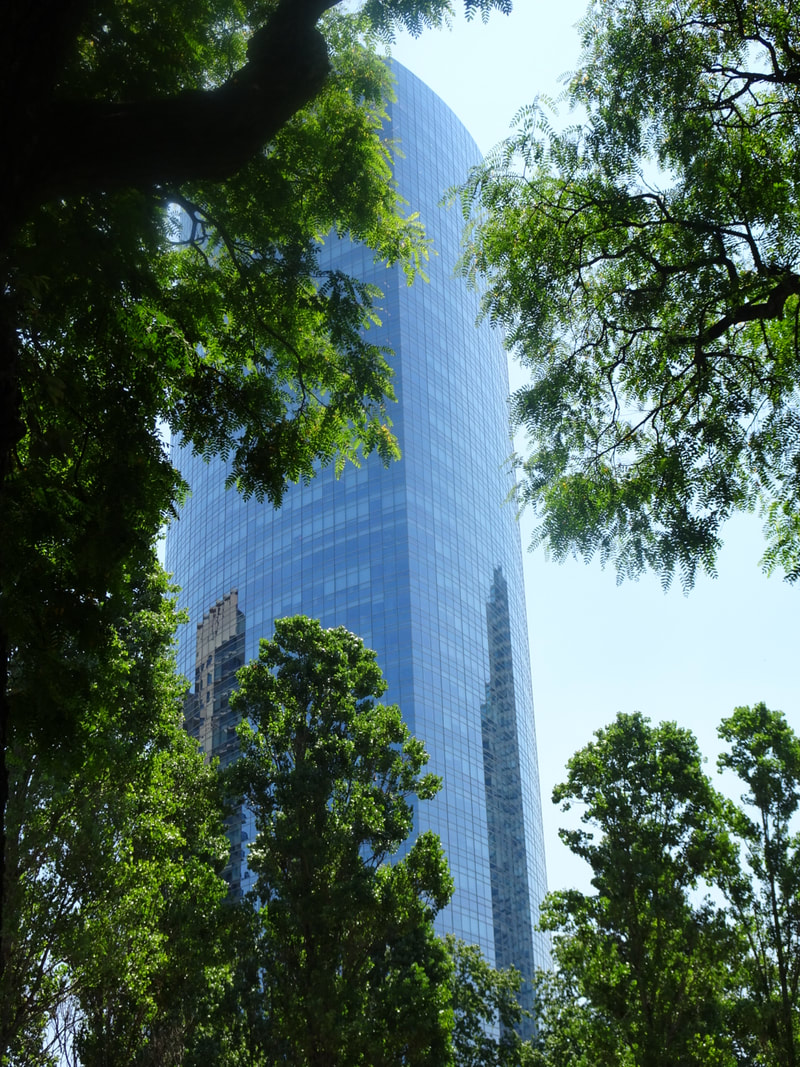
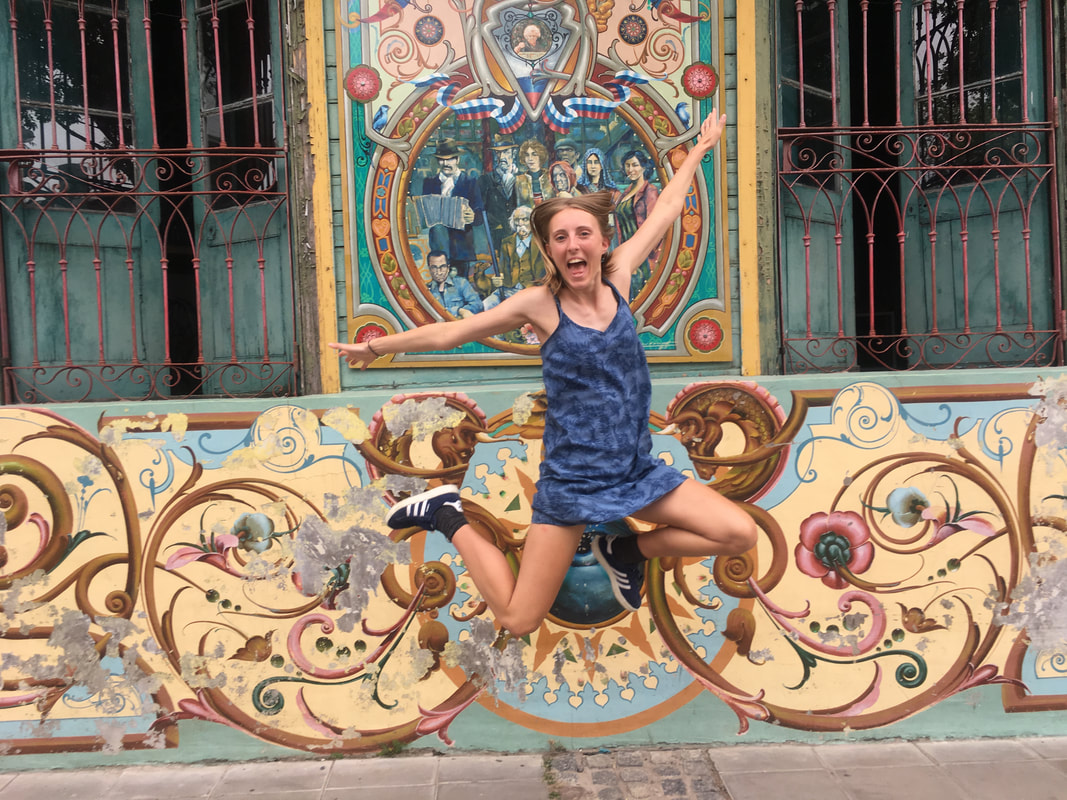
And it wasn’t until we arrived that I sort of got why so many had trouble describing the place . . . Buenos Aires is a city like no other I have experienced. Alongside rough and ready neighbourhoods tower grand old buildings, ornate and beautiful. Alongside barrios where tourists are warned against openly displaying cameras and backpacks lie streets full of designer and upmarket shops. And where you see chic young Argentinians sipping their morning lattes there will also be an endless stream of street sellers touting socks, paper tissues or simply after small change.
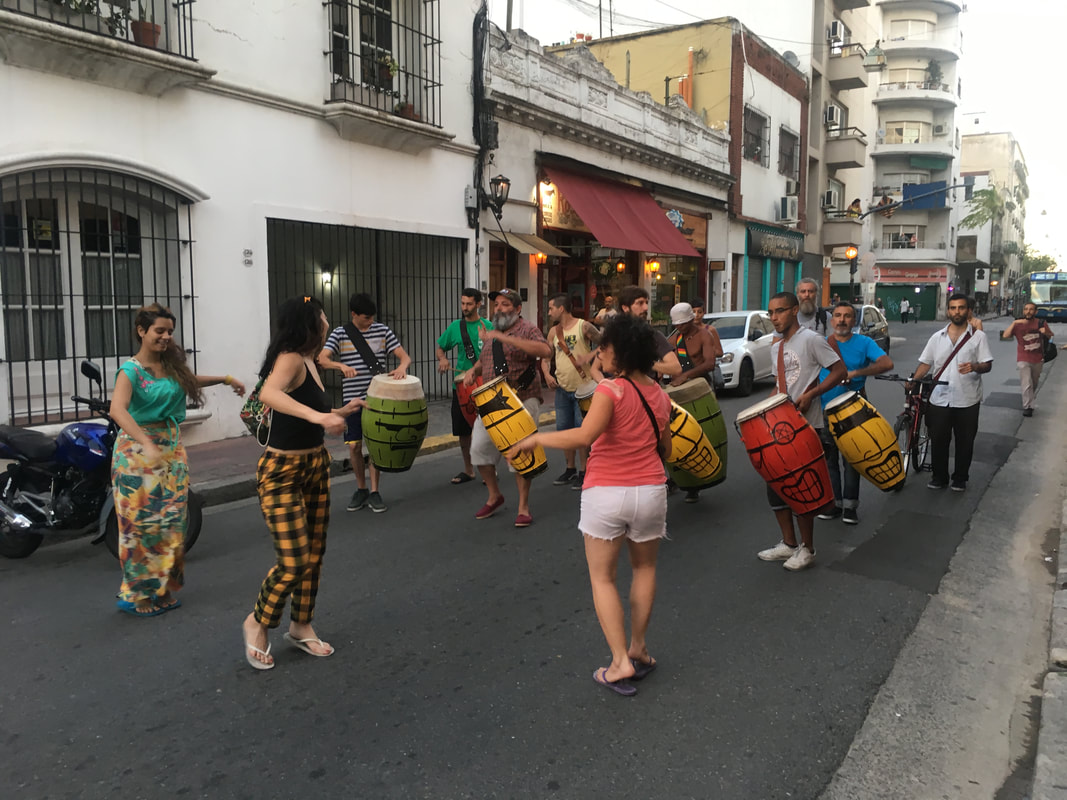
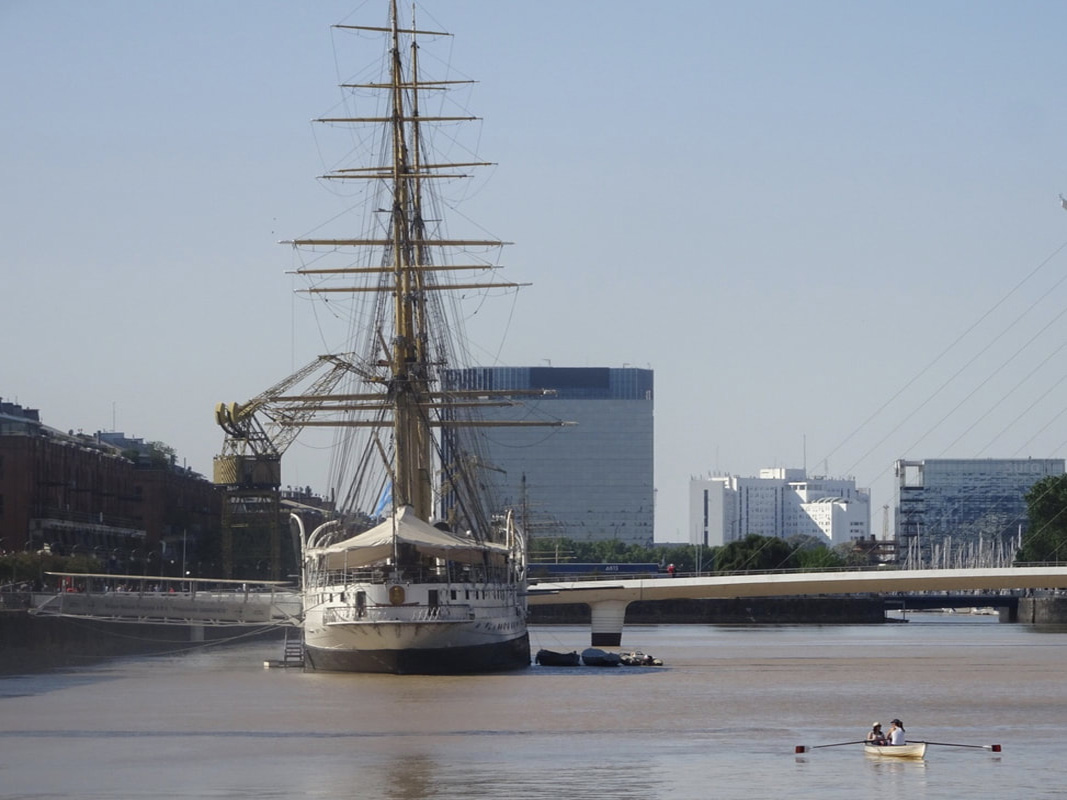
Buenos Aires is home to around 17 million inhabitants – in fact one third of Argentinians live here which sort of leaves the rest of this huge country feeling a little empty. I was astounded to learn Buenos Aires is only ranked 81st in the world for quality of life. Well whoever gave it that rank must like manicured lawns, white picket fences and being in bed at 8pm with a warm cup of cocoa because seriously – this city rocks. Its hard to go out on the streets without the senses being assailed by something going on: whether it be massive protests in the Plaza del Mayo, tango dancing and music on the streets or fireworks being let off indiscriminately (and that was just during the last 3 days).
One person who has always fascinated me, but of whom I have to admit I knew relatively little about (aside from being able to belt out some tracks of the Andrew Lloyd Webber musical), is Eva Peron. From humble beginnings in rural Argentina Eva Duarte travelled to Buenos Aires in 1934 in search of fame and fortune as an actress. It turns out she was moderately successful in her acting career, which may have continued had she not met and married Colonel Juan Peron who would become President of Argentine in 1946.
And this is where the extraordinary story really takes off as, with no official Government position and within six years, Eva Peron was instrumental in winning Argentinian women the right to vote, acted as the defacto Minister of Health and Labour and founded the Eva Peron Foundation which helped establish thousands of hospitals, schools, orphanages and homes for the aged. When she died of cancer at the age of 33 (incidentally she was apparently the first Argentinian to undergo Chemotherapy), the people’s grief was almost overwhelming. Flowers were sold out in the whole of Argentina – reminiscent of the passing of Diana, Princess of Wales. She was loved by the poor and working and class and is still referred to as the Spiritual Leader of the Nation. Quite a lady . . .
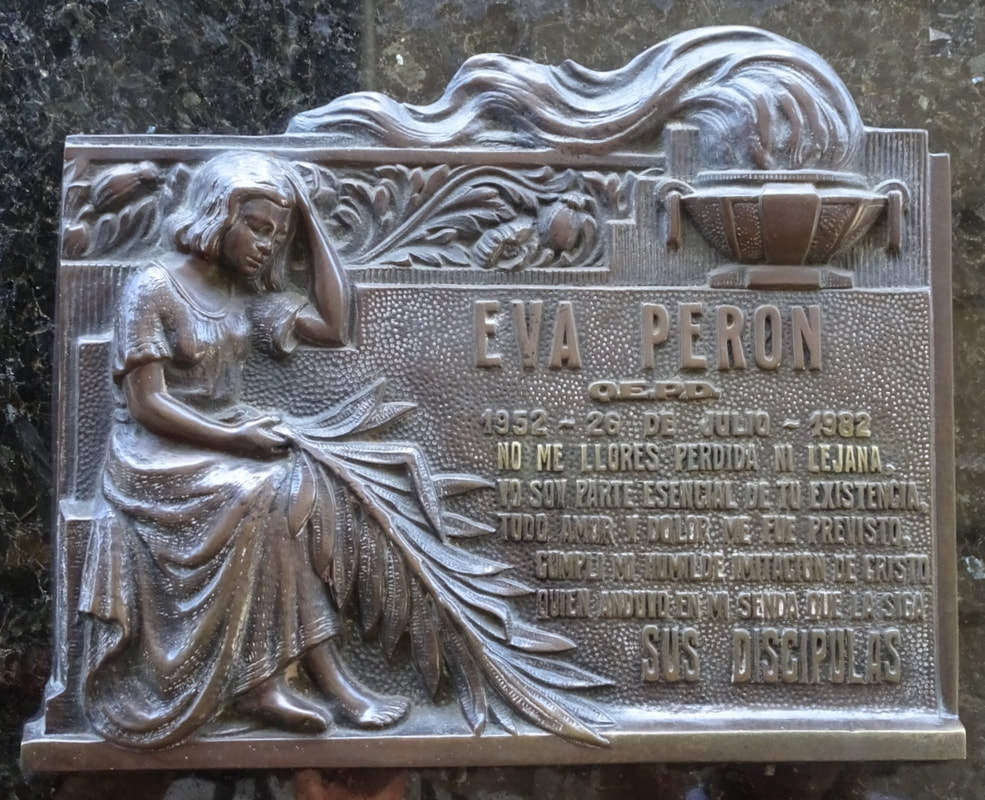
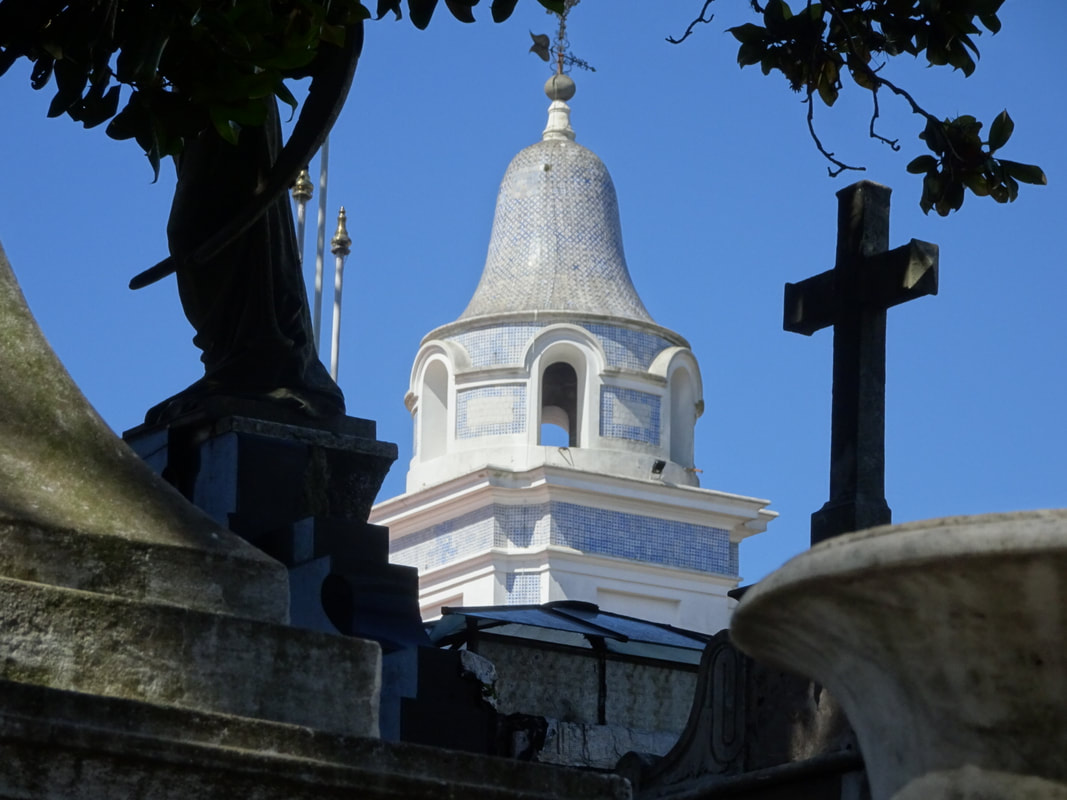
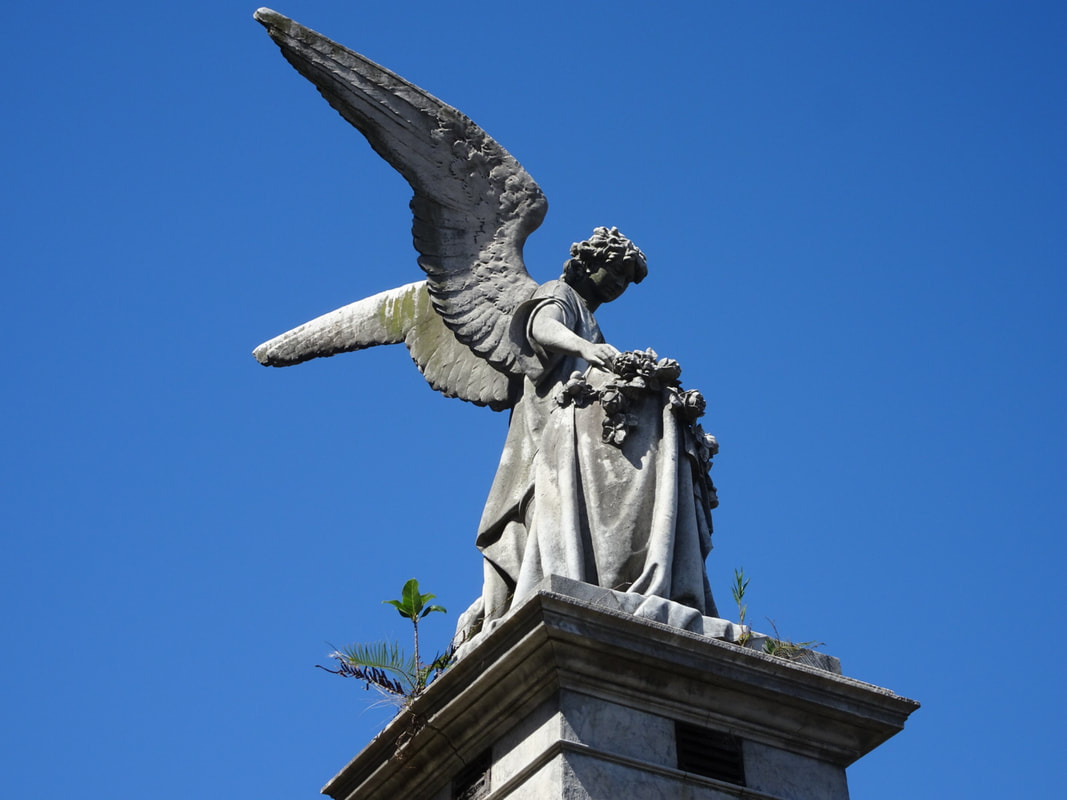
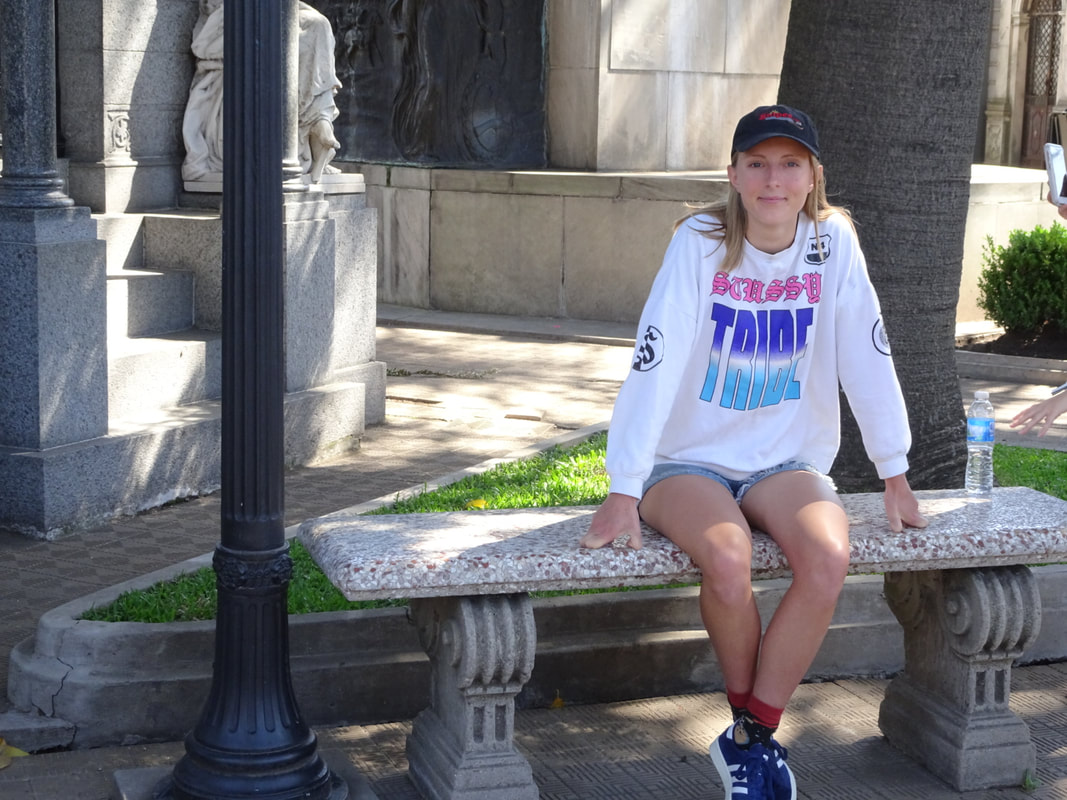
It was natural therefore that part of our Buenos experience would somehow involve Eva – and so it was with a visit to the Eva Peron museum and the Recoletta Cemetery. The latter was quite an experience, the Recolleta Cemetery being a surreal maze of over 6,000 mausoleums – most with ornate frontages and glass doors behind which stood anything from one to half a dozen coffins. Viv and I elected not to take a tour, where we would undoubtedly have learnt more than we would ever want to know about notable Argentinian internees, and instead headed straight for most photographed tomb of Eva Peron. I am pleased to say we added to the photography statistics.
0 Comments