Curious about New Zealand
Awesomely alternative Takaka
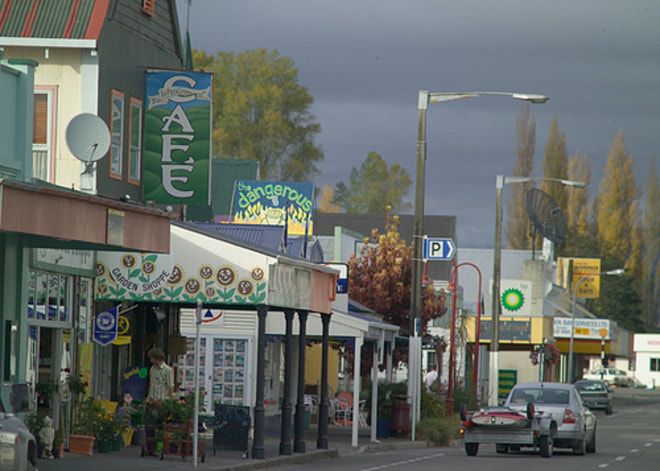
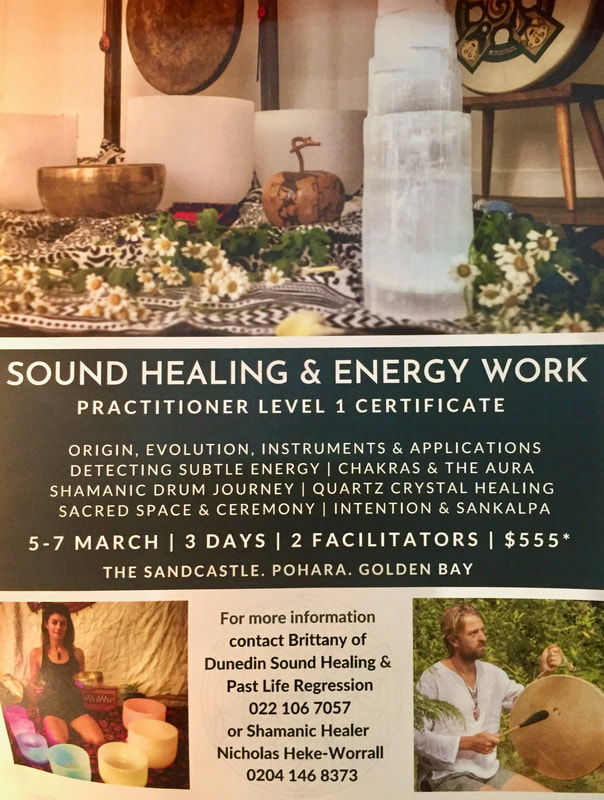
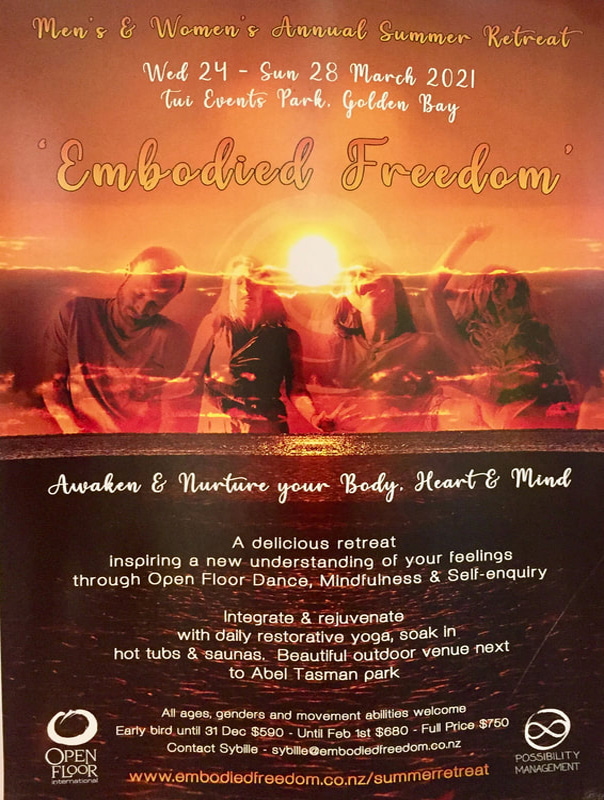
Takaka is Golden Bay’s main town with around 1500 permanent residents and probably my favourite town in New Zealand – maybe just edging out Whakatane in the Bay of Plenty. The demographics between the two are markedly different with just 10% of Takaka residents identifying as Maori compared to around 45% in Whakatane. However Takaka does boast just about the highest proportion of kaftan wearing, barefooted, dreadlocked, mindful hippy yogis of any town in NZ.
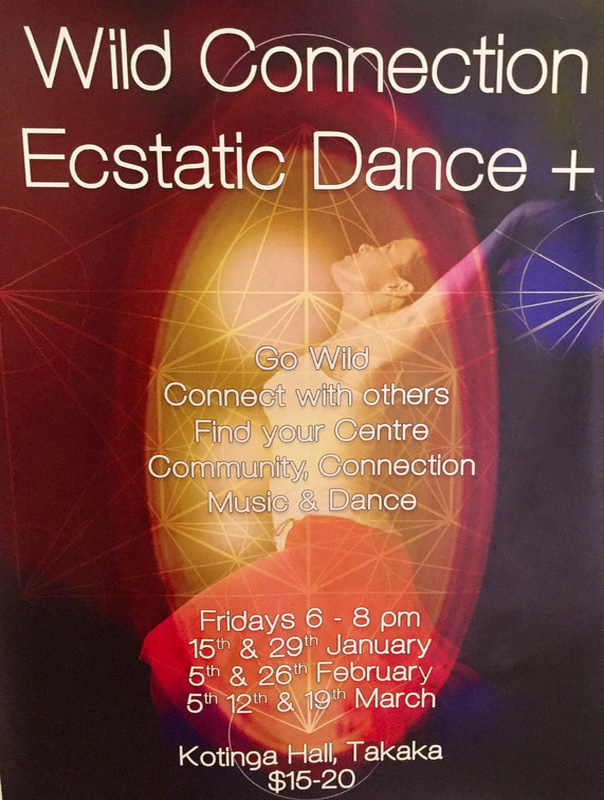
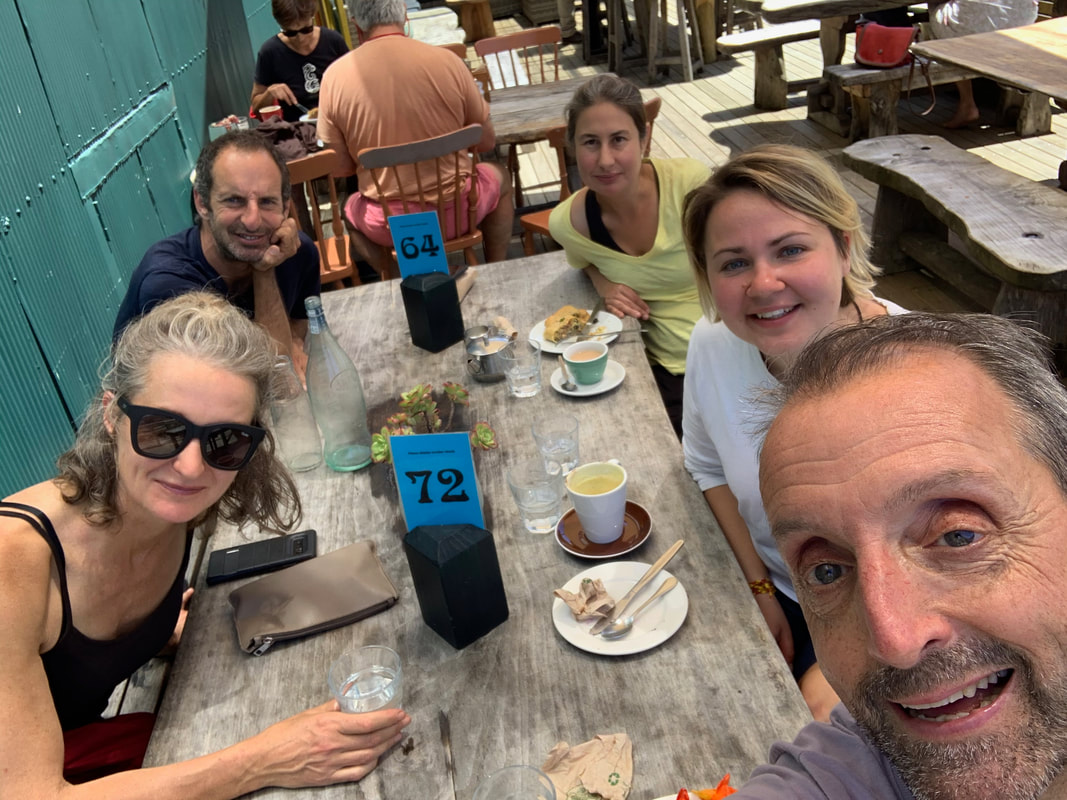
Takaka has some excellent cafes. The Dangerous kitchen is open from morning till late, serving truly excellent pizza but also a range of healthy stuff – focusing on organic and locally grown ingredients. There is often music in the evenings. The Wholemeal café, just a few doors along the main street was formally a cinema but now converted to a large café with two outdoor areas. The coffee is better than the Dangerous Kitchen but the food a little more traditional.
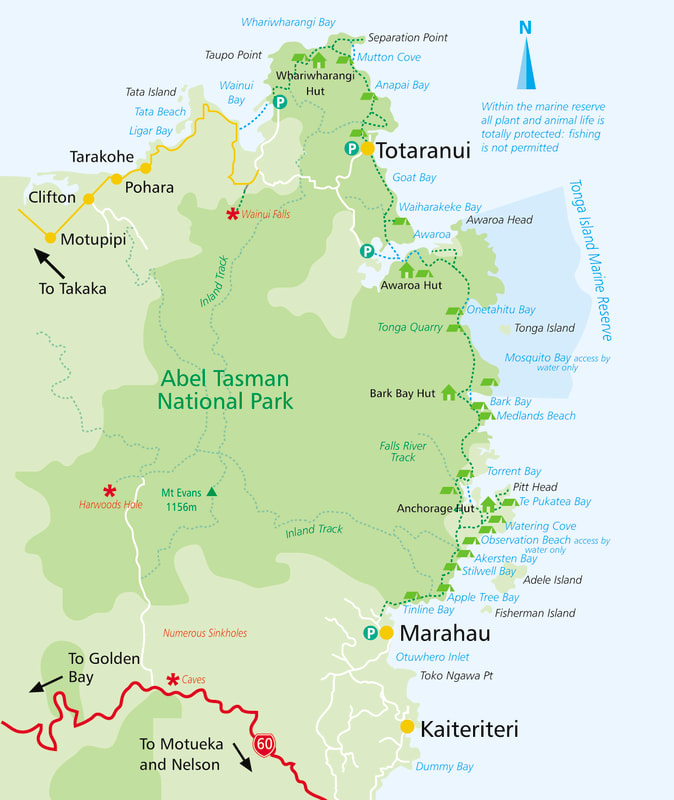
From Takaka our next stop is Totoranui in the middle of the beautiful Abel Tasman National Park.
Totaranui – heaven in the Abel Tasman National Park
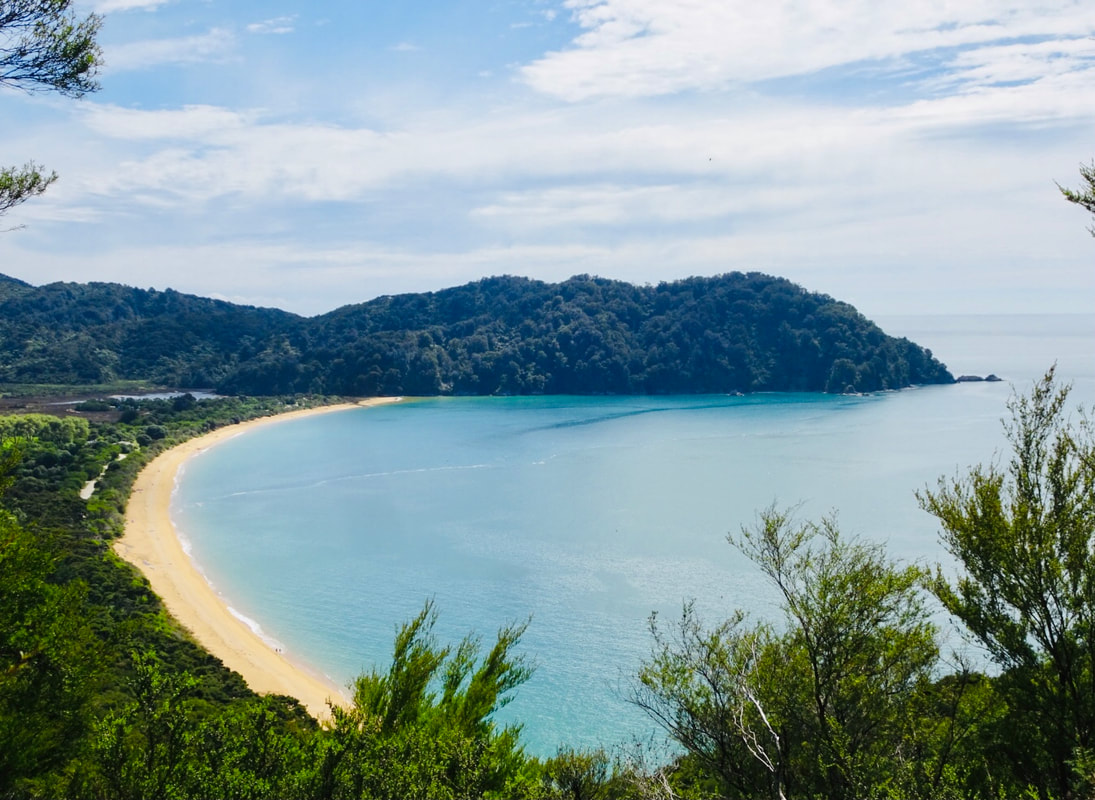
The campsite at Totaranui (the only accommodation available) is massive and can take up to 850 people – its full to busting over the busy Christmas period. The Department of Conservation (DOC) run the place as part of their mission to make conservation land accessible to visitors. How they balance that with their other obligations is interesting, but more on that later.
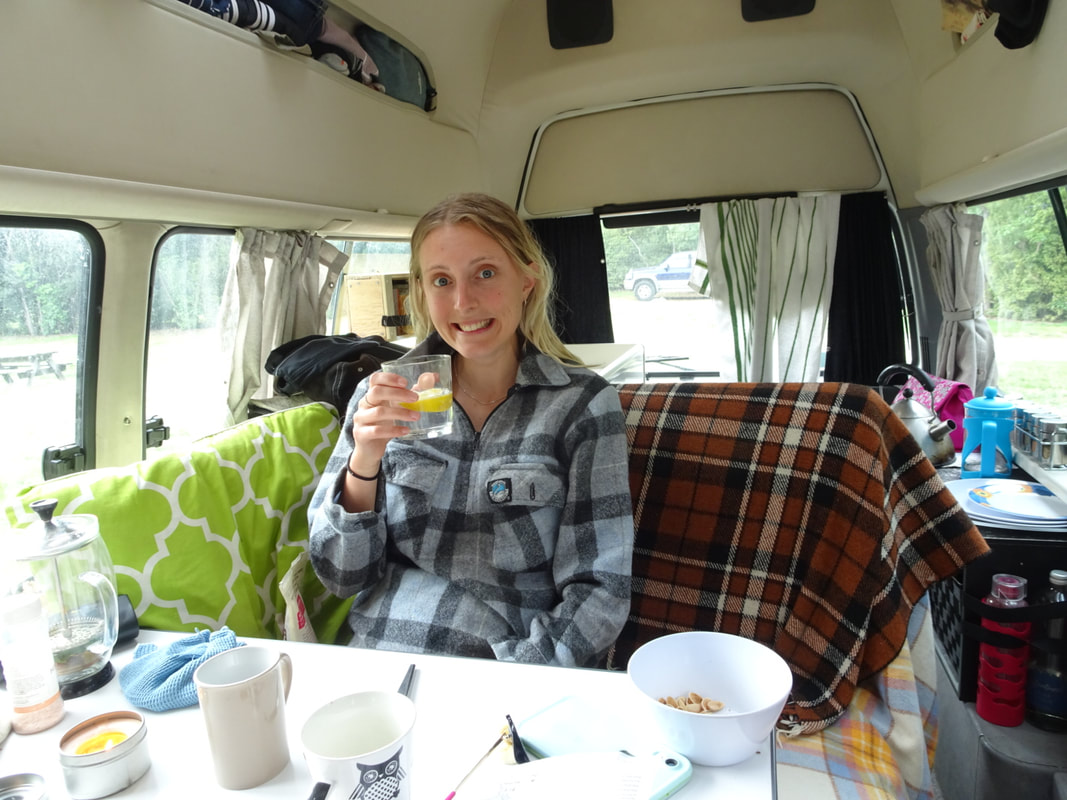
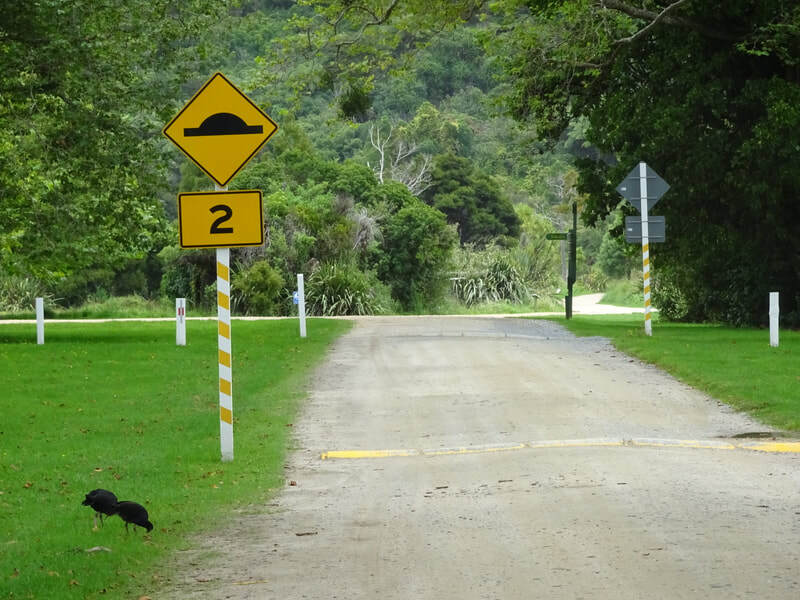
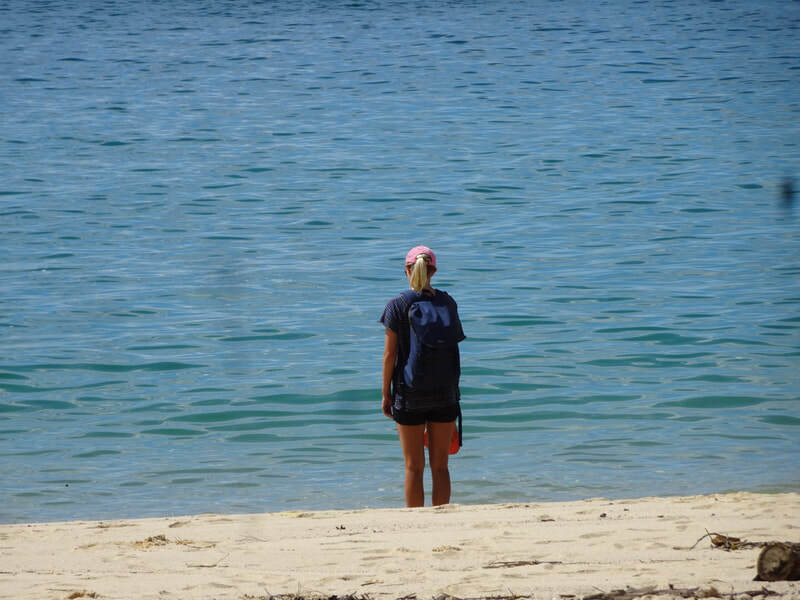
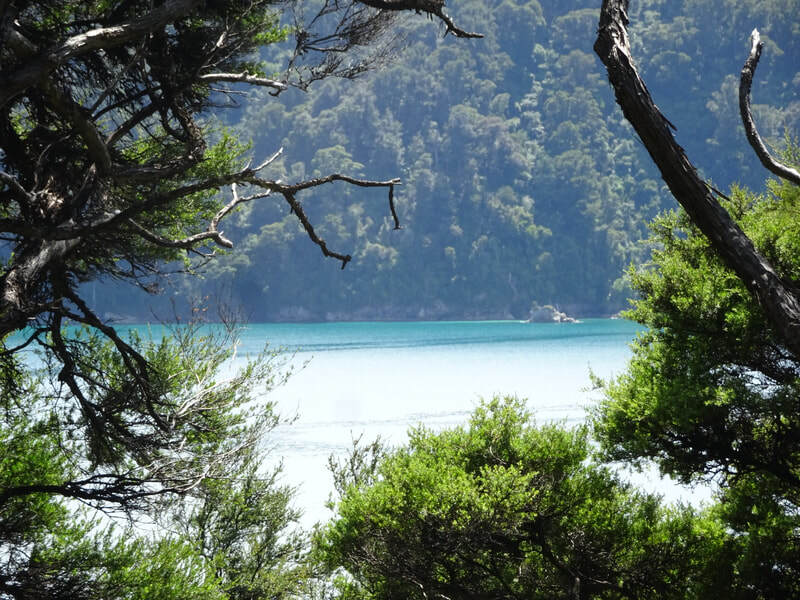
Arriving at the end of February we were met with the place largely deserted. We counted ourselves fortunate as the late summer days were still long and the temperature good for swimming. There is something about being in the middle of nature, with no motor vehicle noise, no shops, no phone reception and no rush. Eating in our camper with the door open, listening to the sounds of the sea and shooing off pesky wekas was pretty much ideal.
Te Urewera was formerly a national park, administered by DOC. Since 2014 however Te Urewera is now owned by and answerable to itself. It’s administered by a Board and managed by Tūhoe – which feels appropriate as it has always been their ancestral homeland. They think of Te Urewera as their mother – someone to care for, respect and love. For them the land is less about ownership and more about connection.
Their approach to managing nature is to turn conventional conservation practice on its head – in their view it is humans that need the managing, not nature. They don’t like making rules but rather encourage a spirit of reciprocity – asking us how we can give back to nature. And by this approach they hope to create an instinctive connection to the land, where humans “get” how to live in harmony with the whenua (land) and act accordingly.
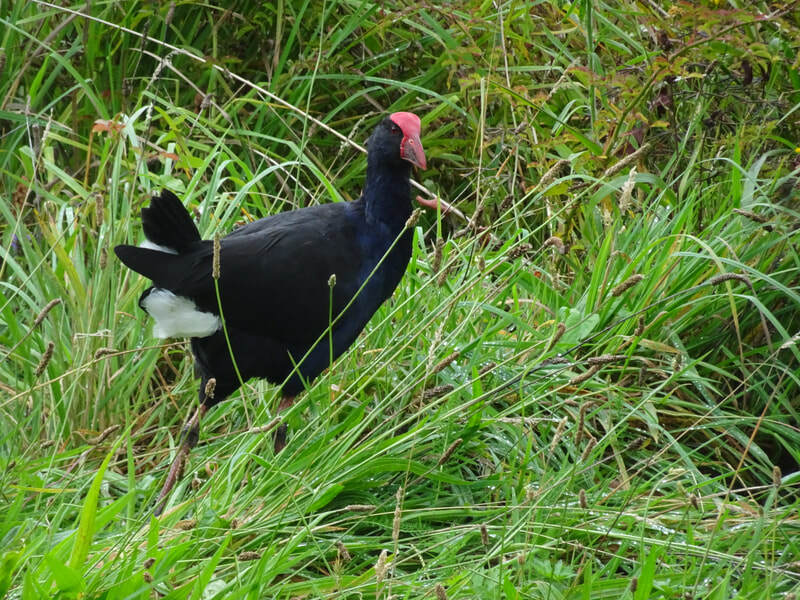
If DOC wholeheartedly embraced this approach I wonder whether we would see, at Totaranui, the large amount of plastic left behind by previous campers (would you leave litter on your mother?) – or the many weka and normally shy pukeko queuing up at open campervan doors begging for scraps. And I wonder whether 850 people at one natural spot is simply too big of an impact. I’m not for one moment saying DOC are failing – its more the potential for changing Kiwi hearts and minds that they are possibly missing out on.
Anahata Yoga Retreat – Ohming with the Wekas . . .
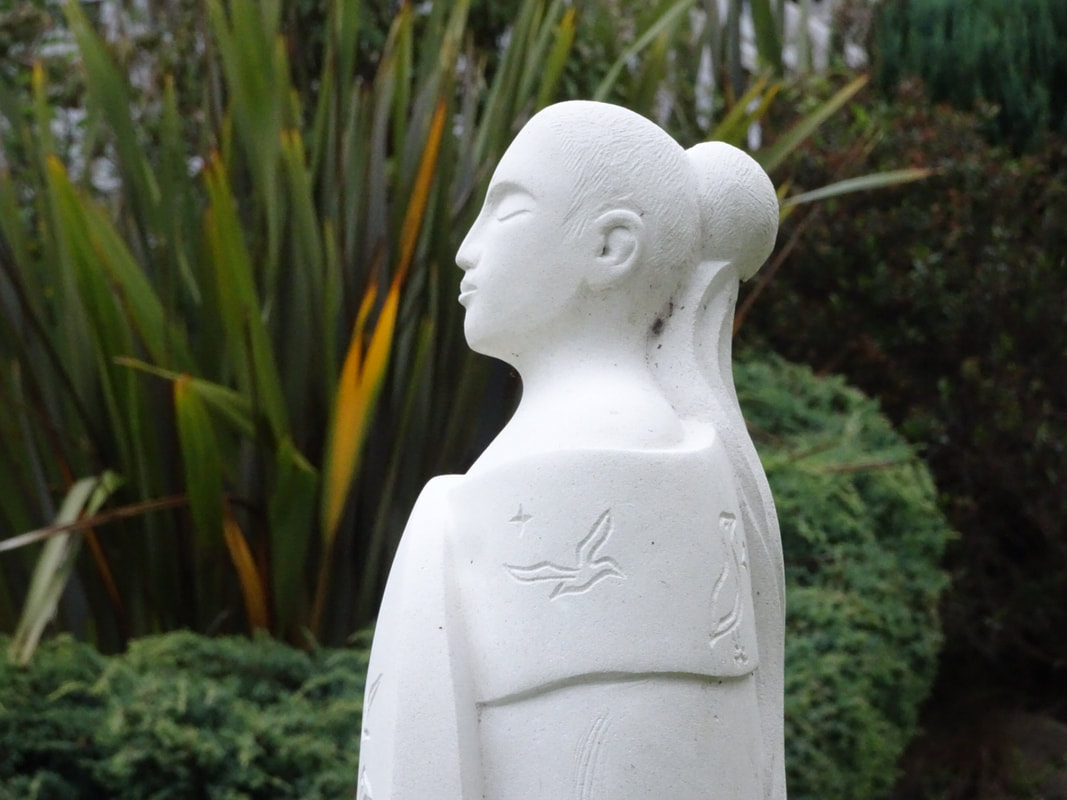
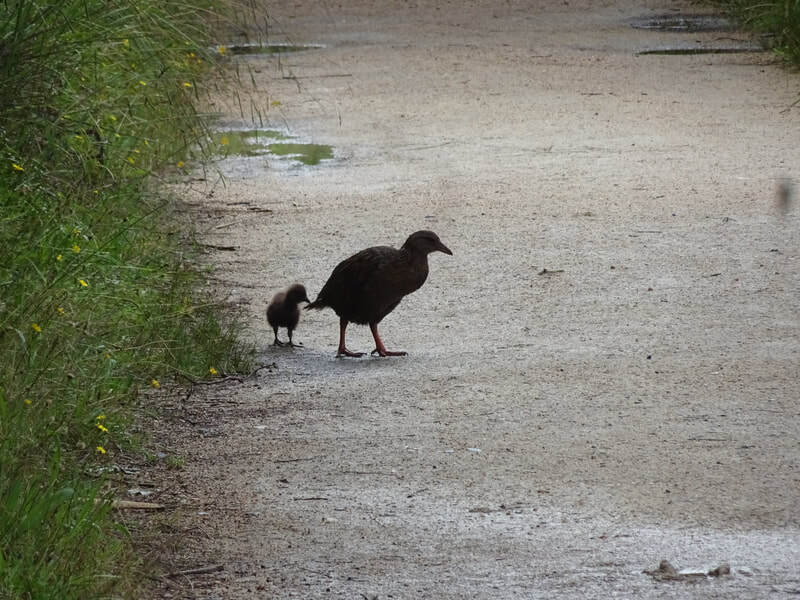
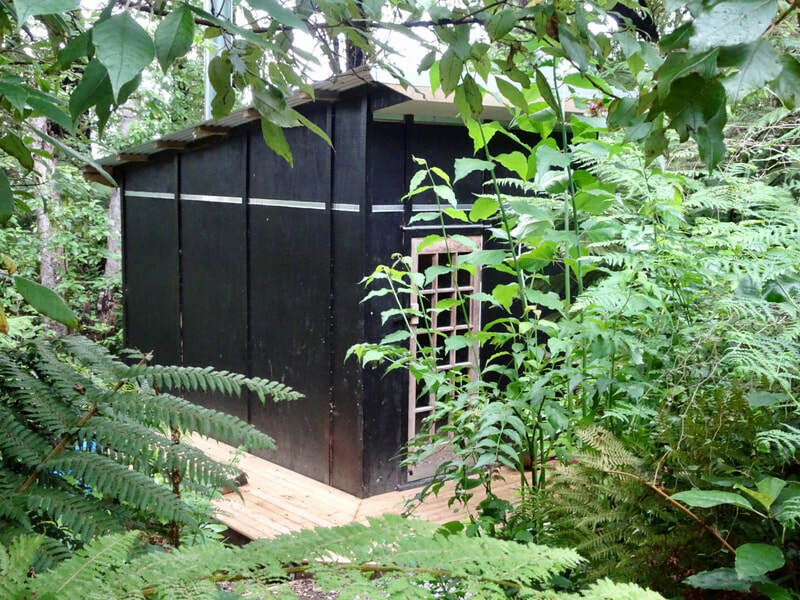
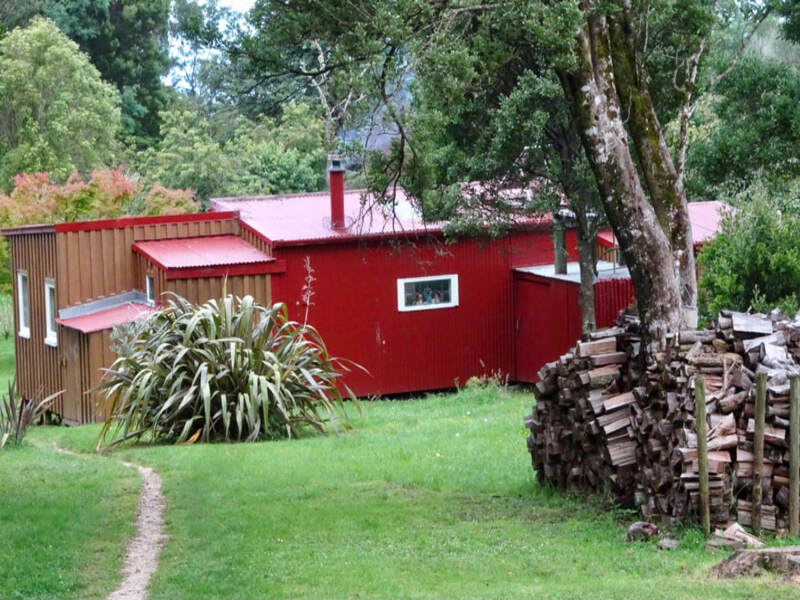
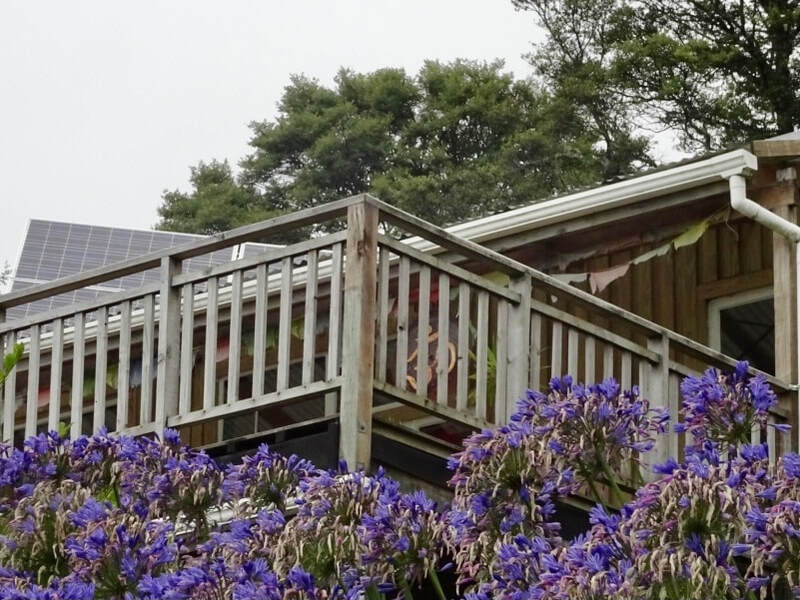
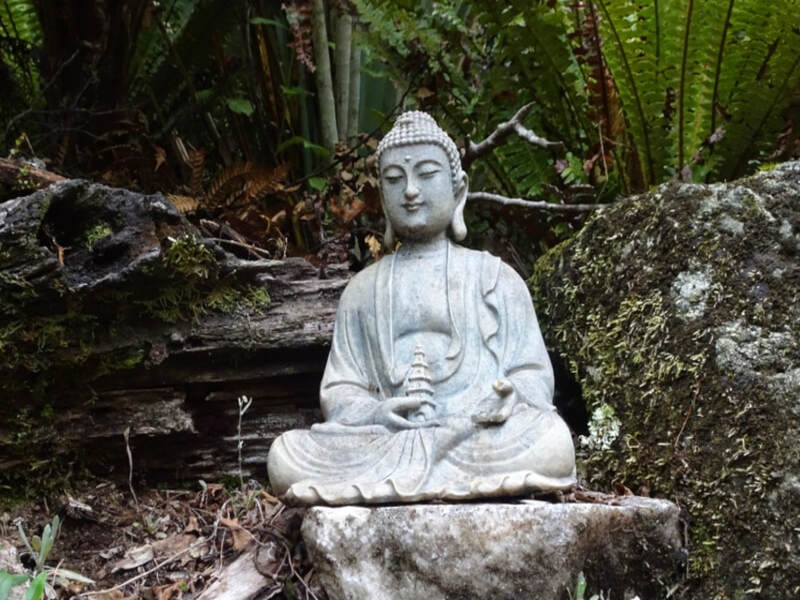
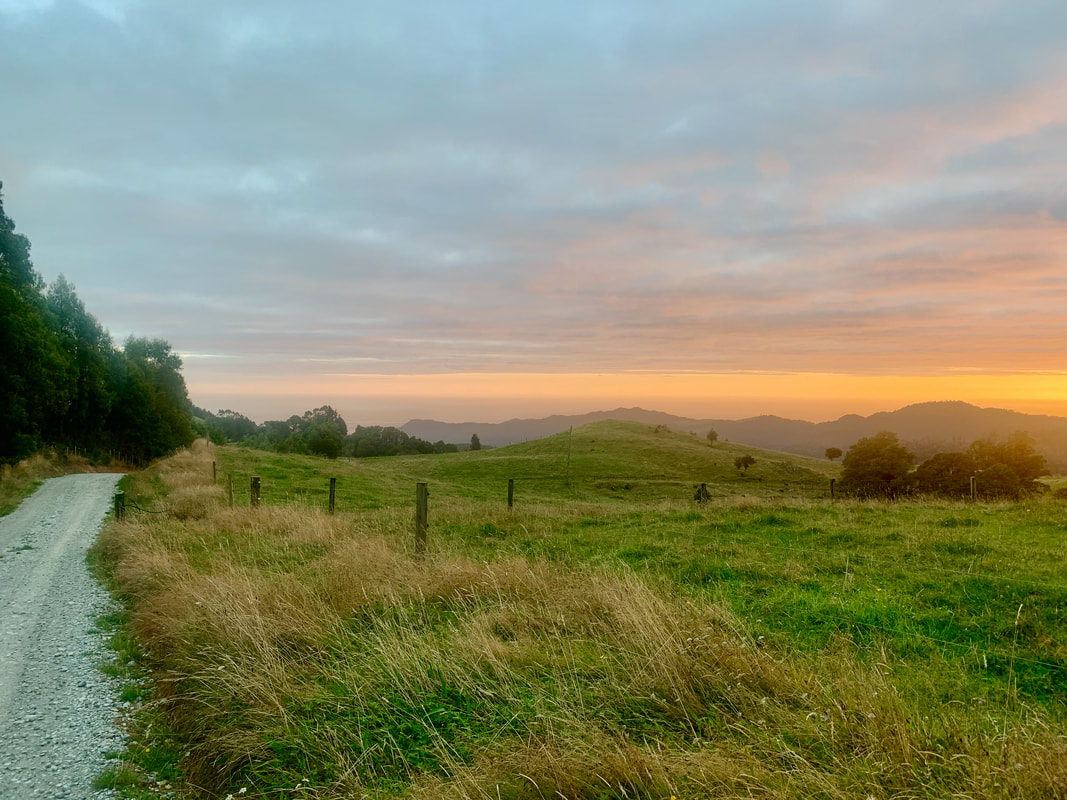
Founded by Swami Karma Karuna, around 25 years ago, Anahata is a truly peaceful place, surrounded by native bush and with stunning views over Golden Bay. The property is large, around 20 acres with houses, small huts and a yoga shala nestled beautifully into its natural environment. There is a sizeable weka population, wekas being close cousins of the Kea in terms of their inquisitiveness and opportunistic pinching of anything looking either shiny or edible.
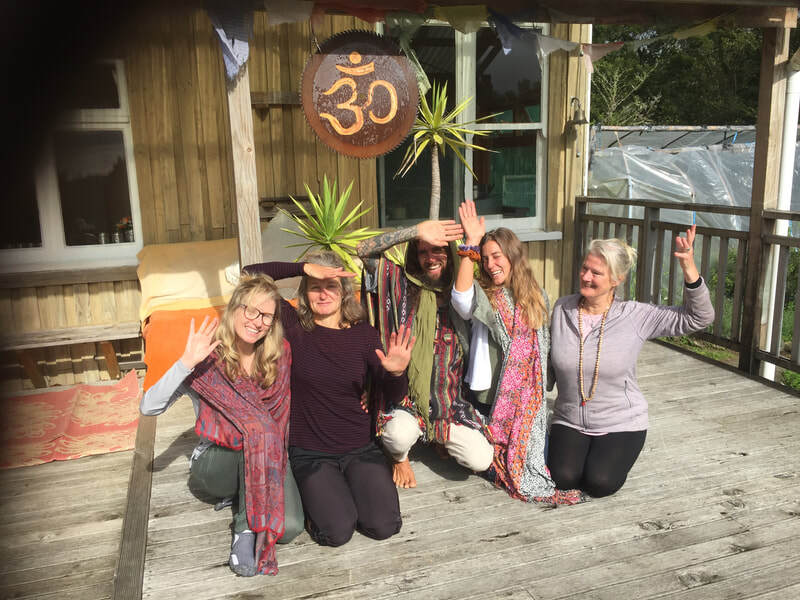
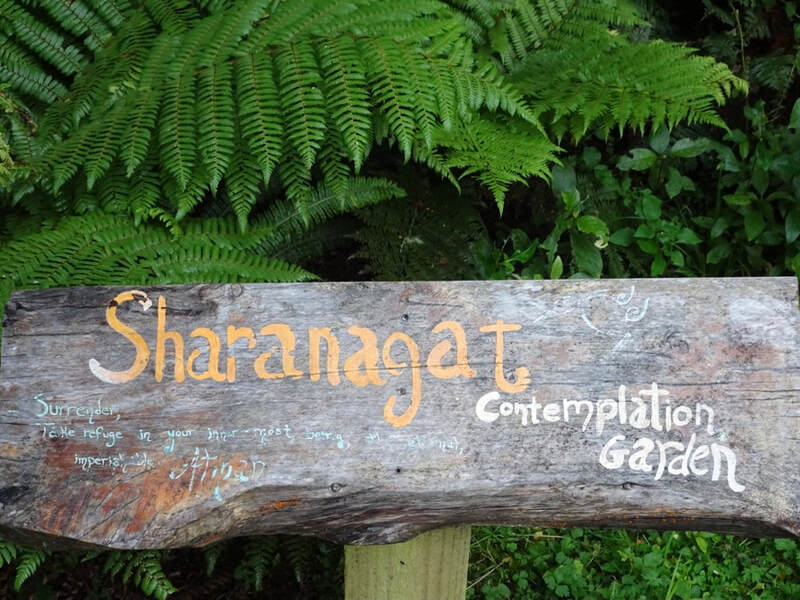
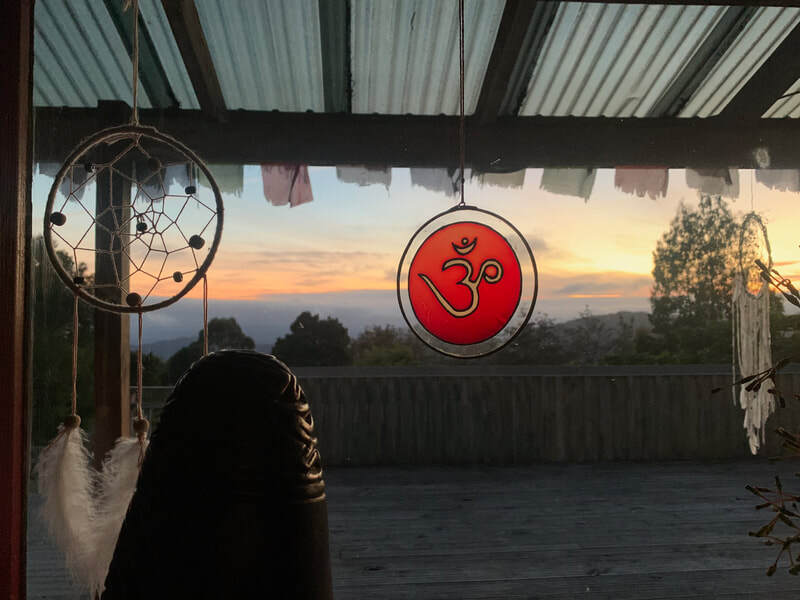
It is often called the “heart” centre, symbolising the qualities of compassion, acceptance, universal love, selflessness and devotion. That sort of sums up the place which is home to a constant (but ever changing) group of karma yogis and retreat guests. The karma yogis are the volunteer workers who keep the building and grounds looking clean, maintained and healthy. It’s not just about work as “action” but work with meditative awareness. Slowing down, being conscious and thereby seeing the world and our place in it in a new light.
Jolanda and I had been karma yogis for around 6 weeks prior to Christmas, staying in Karma Karuna’s house while she was in Australia visiting her Mum. This time our stay was shorter – around two weeks but a very different two weeks in terms of the experience. Prior to Christmas the place was quiet with no retreats and a skeleton crew of karma yogis maintaining the place. This time we were fortunate to experience both a yin yoga workshop for the karma yogi team (yin is where you basically hold each pose for a few minutes) and a chakra course where we able to join external guests to learn about the energy points and flows in the body. I was also on the end of both the weed eater and mower – and loved every minute of being outside and working a sweat.
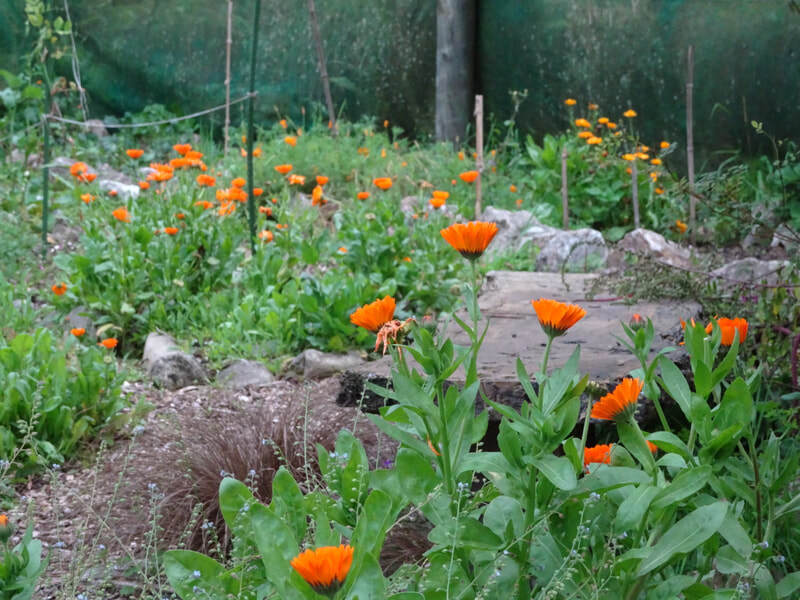
Anahata has strong eco principles. Everything grown in the extensive vegetable gardens is organic and based on permaculture principles, there is no reticulated electricity with solar panels providing light and power and water from the well is used with conscious awareness. However it’s the people that make the place for me. Everyone we met was different in terms of their background and where they came from, but all shared a bond of compassion, kindness and awareness that gives Anahata its real energy.
Namaste . . .
Campervan envy at Kaiteriteri Beach
Well “brand new” is maybe a little misleading – its 22 years old, but nevertheless a new experience for us. We had been talking about buying a camper for months and after much faffing around and endless visits to Trademe we decided to take the plunge – going for a Toyota Hiace selling in Auckland. Actually it’s a LWB and HT (campervan techo for “long wheelbase” and “high top”) which makes it roomier and with enough headroom to stand up inside. Max, the seller, had been running a small campervan hire business which had taken a Covid nose-dive and so, sadly for him, all his campers were up for sale.
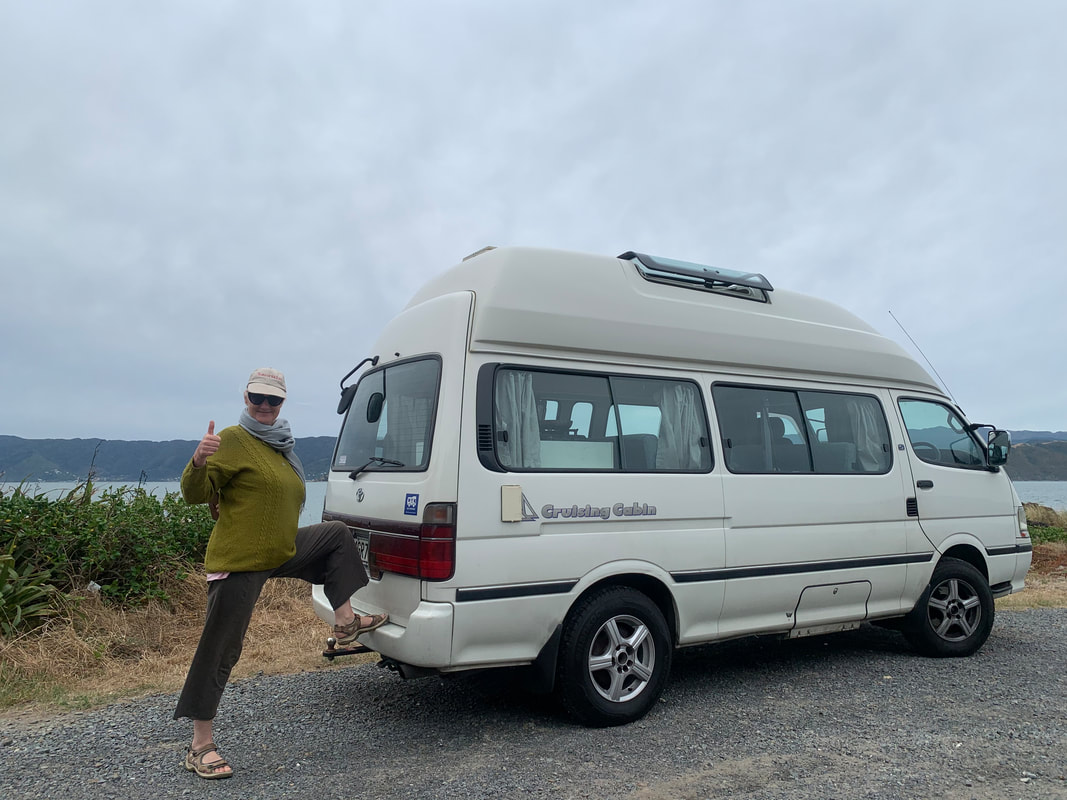
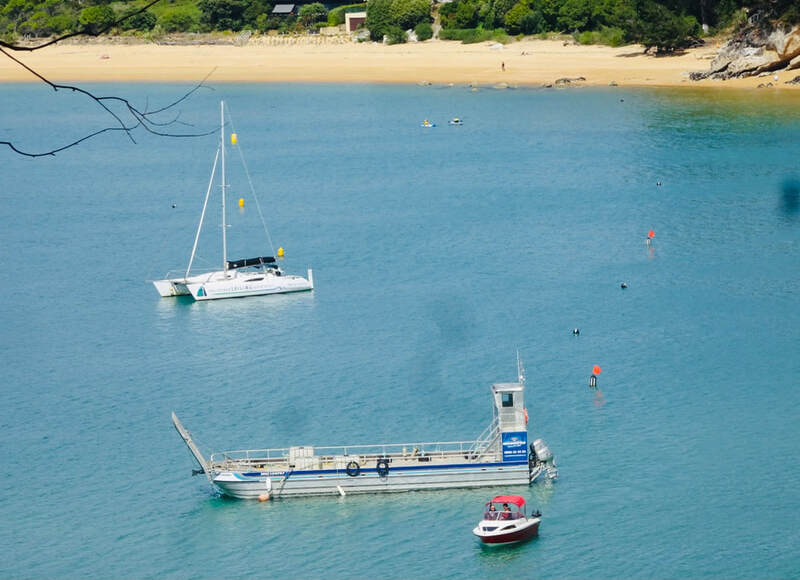
Anyway, back to our first destination – Kaiteriteri, a popular beach holiday destination on the top of New Zealand’s South Island. Home to just over 300 permanent residents and of course swelling to many thousand over the summer holiday period. Its economy is highly tourist dependent, being close to the start of the Abel Tasman National Park. The bay is full of sightseeing boats and water taxis of all shapes and sizes – my favourite was the “coffee cruiser” which looked more like a box with a deck as it bobbed disconcertingly in the morning chop.
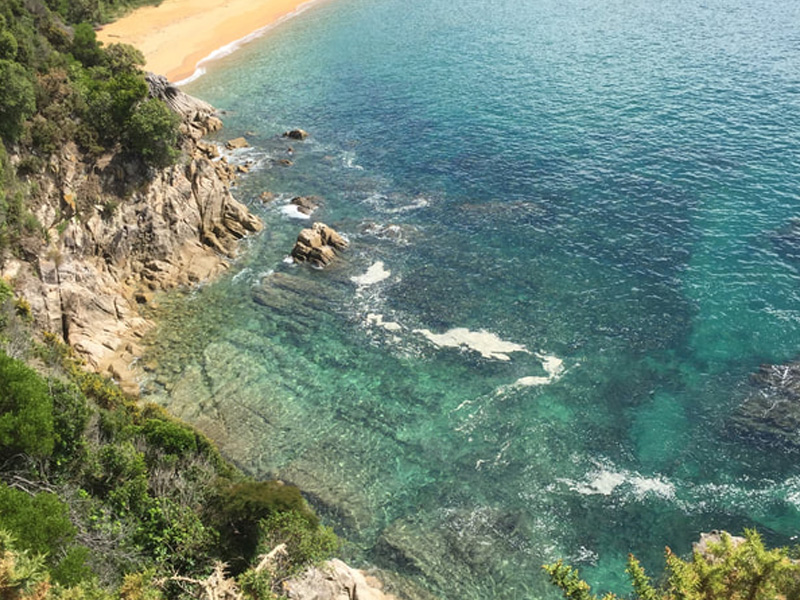
The weather and water temperature were sublime. We have not had a great Wellington summer and so being able to swim in the crystal clear waters without freezing your ass off and the absence of the ever present Wellington wind was marvellous. Kaiteriteri beach is nestled between two outcrops, both accessible by walks. Kaka Pah Point is at the northern end – a place of cultural significance to Ngāti Rārua and Te Ātiawa, the mana whenua iwi of Kaiteriteri. There are Pohutukawa and Eucalyptus in abundance and at the top of the walk you are rewarded with drop dead stunning views – Kaiteriteri beach to one side and Honeymoon and Breaker Bays to the other.
Our daughter Vivien turned up on our third day – she has been “Woofing” (Working on organic farms) in the Tasman area for the last few weeks. And when Mum and Dad turned up that was just too good an opportunity to miss . . . So Viv is going to join us for a few days of our South Island adventure starting with our next destination – Mārahau.
Chilling at Mārahau
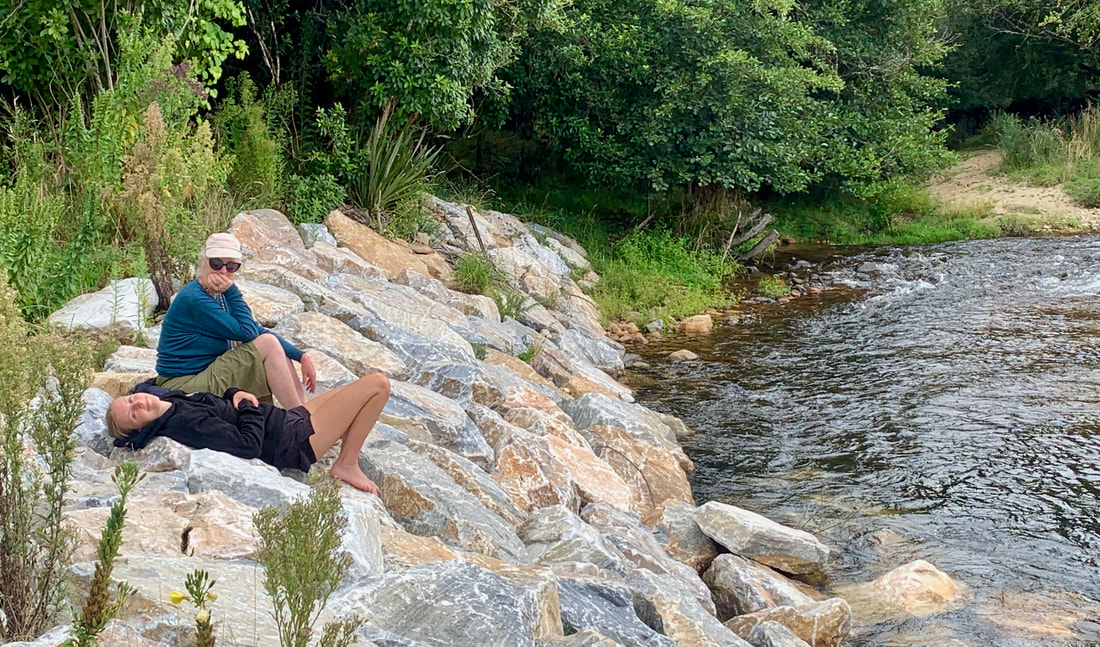
Vivien had just finished working for a couple of weeks at a small accommodation place in the Mārahau Valley run by a Frenchman called Jean Francois – two apartments, a cottage plus an organic vegetable garden. If you are a member of the NZ Woofing network you can apply to volunteer at any of over a hundred locations – the general arrangement being a requirement to work for 4-5 hours per day with one day off per week. Accommodation, food, new connections and a great experience are your reward.
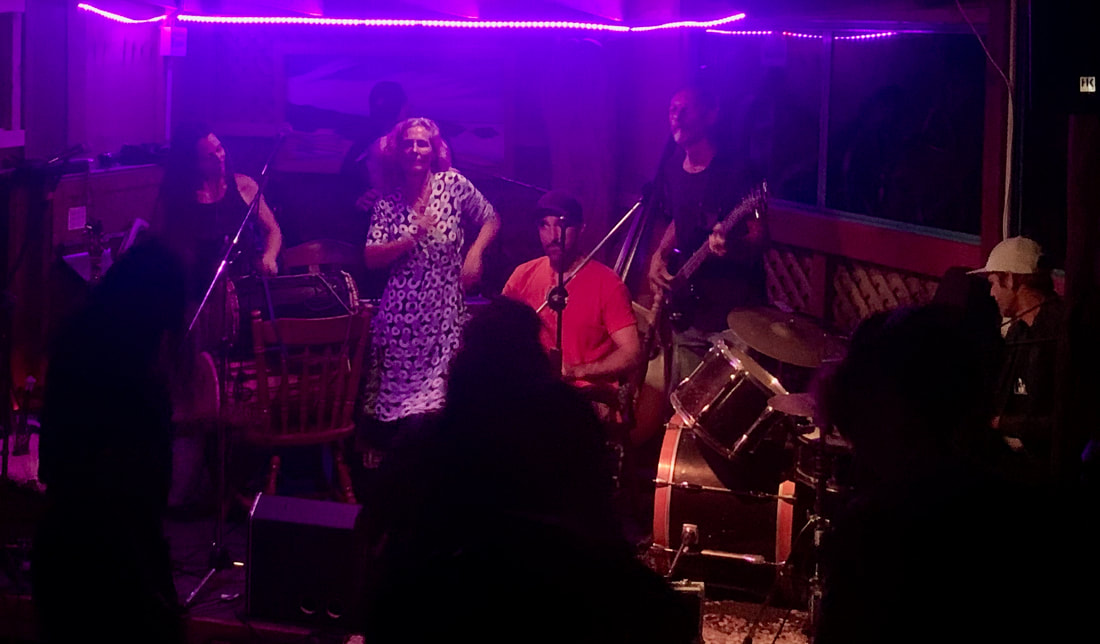
Thursday nights are open-mic nights at the café. These evenings where anyone can basically get up and perform are dominated by locals – their big social evening of the week, usually going through to around 2am. It was stunningly good. We had a decent pizza feed with some mood jazz going in the background, and then 8pm was where it really got going. The stage was filled with drummers, guitar, sax, wooden flute and vocals – all jamming to create a sound which swelled up from the ground, filled your soul and got you up on your feet. Whoever coined the phrase “dance like there’s nobody watching” probably experienced an evening like this.
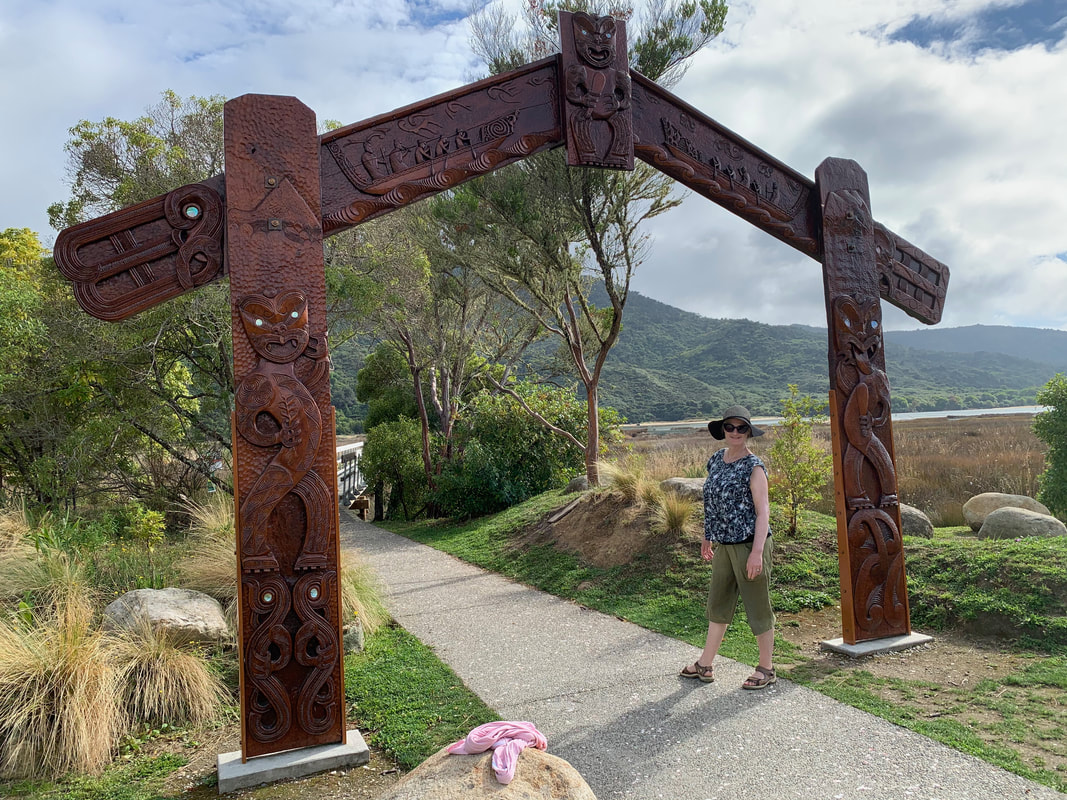
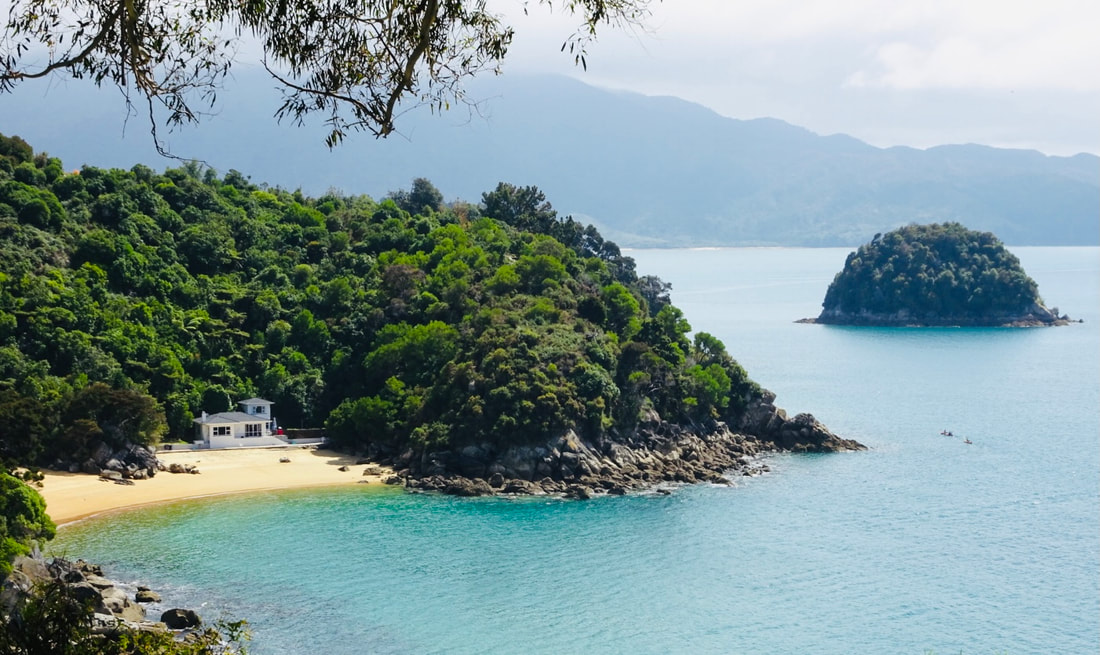
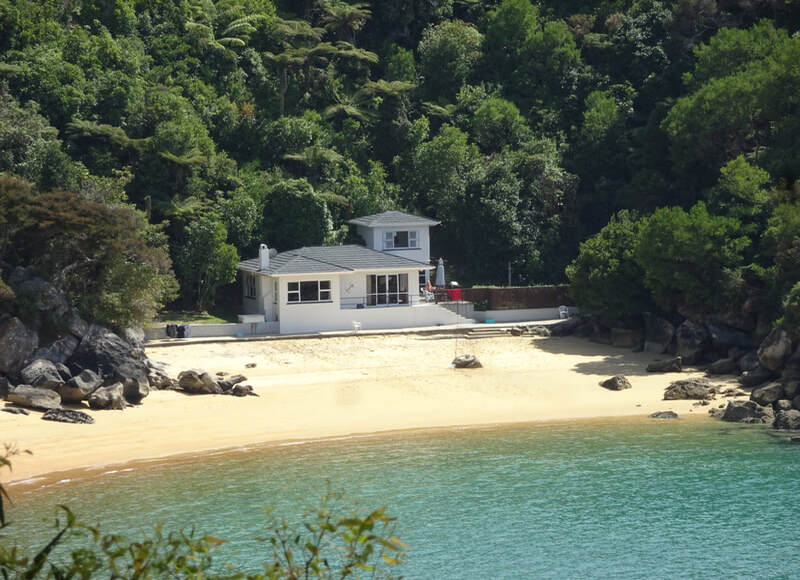
From the campground and café we followed an elevated path for a few hundred meters crossing the estuary, teeming with birdlife and small scuttling crabs. Meeting land again you meander along the coast taking in the views, passing small, sheltered bays and campsites until arriving at our destination. We didn’t spot any apple trees but incongruously we did come across a couple of beach-side holiday houses. These are two of a small number of privately owned houses erected before the area became a National Park, and thus being allowed to stay but with strict restrictions on any further building and only until the current owner either gives it up or passes away.