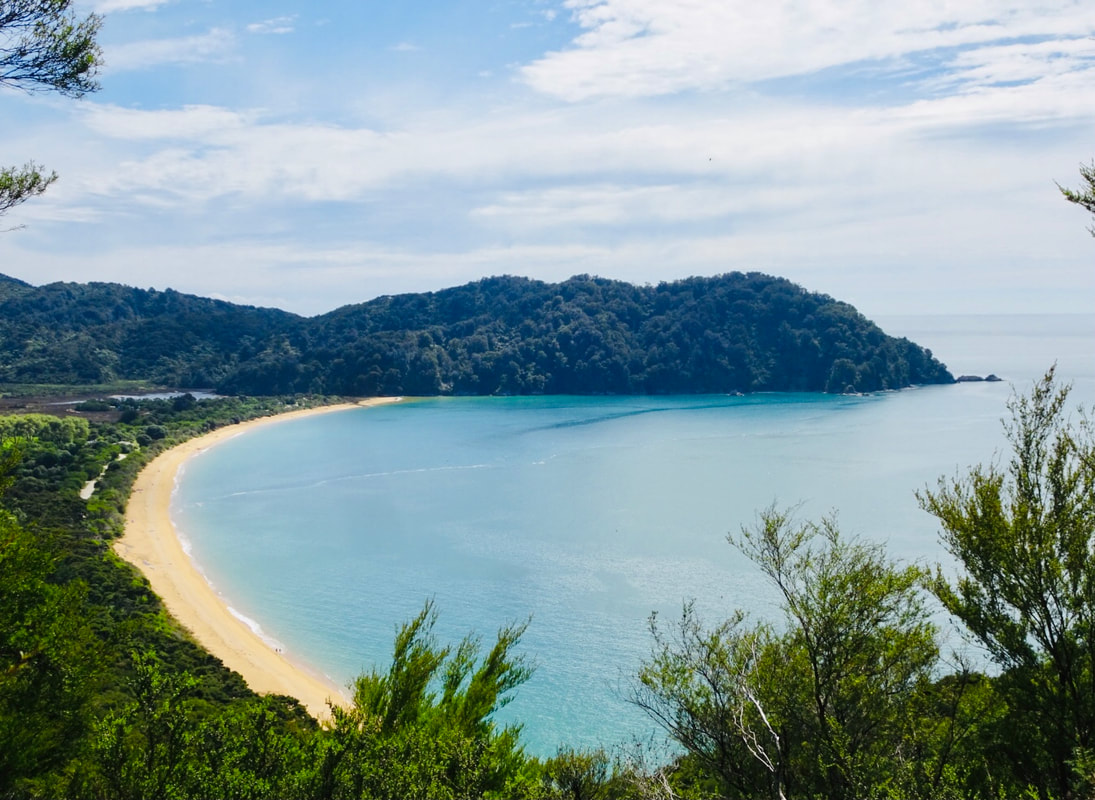
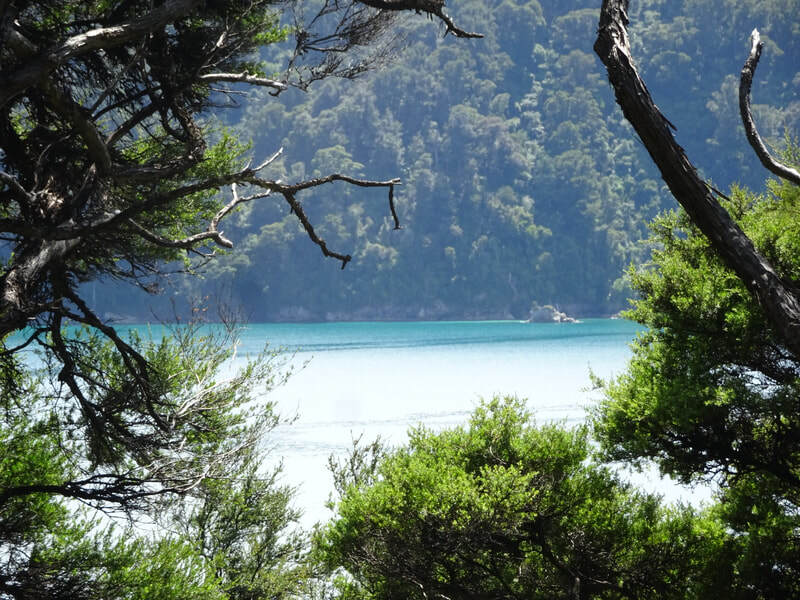
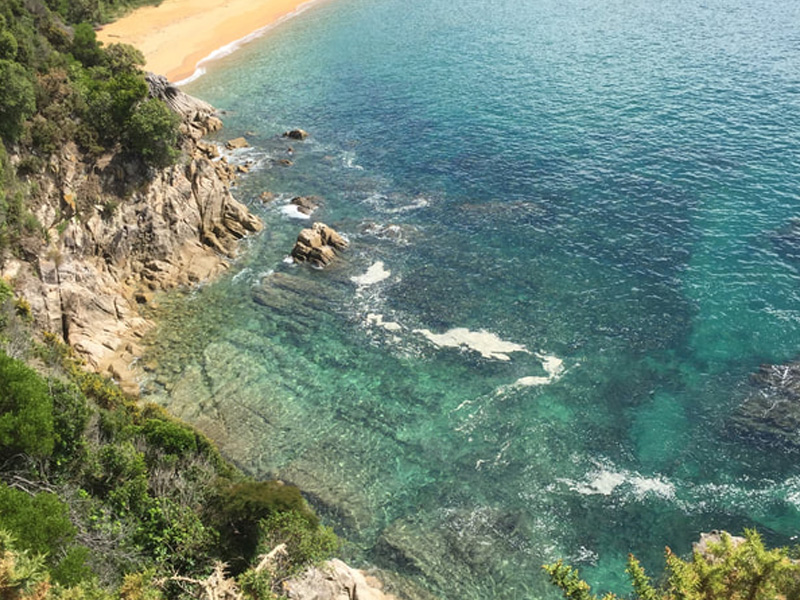
The campsite at Totaranui (the only accommodation available) is massive and can take up to 850 people – its full to busting over the busy Christmas period. The Department of Conservation (DOC) run the place as part of their mission to make conservation land accessible to visitors. How they balance that with their other obligations is interesting, but more on that later.
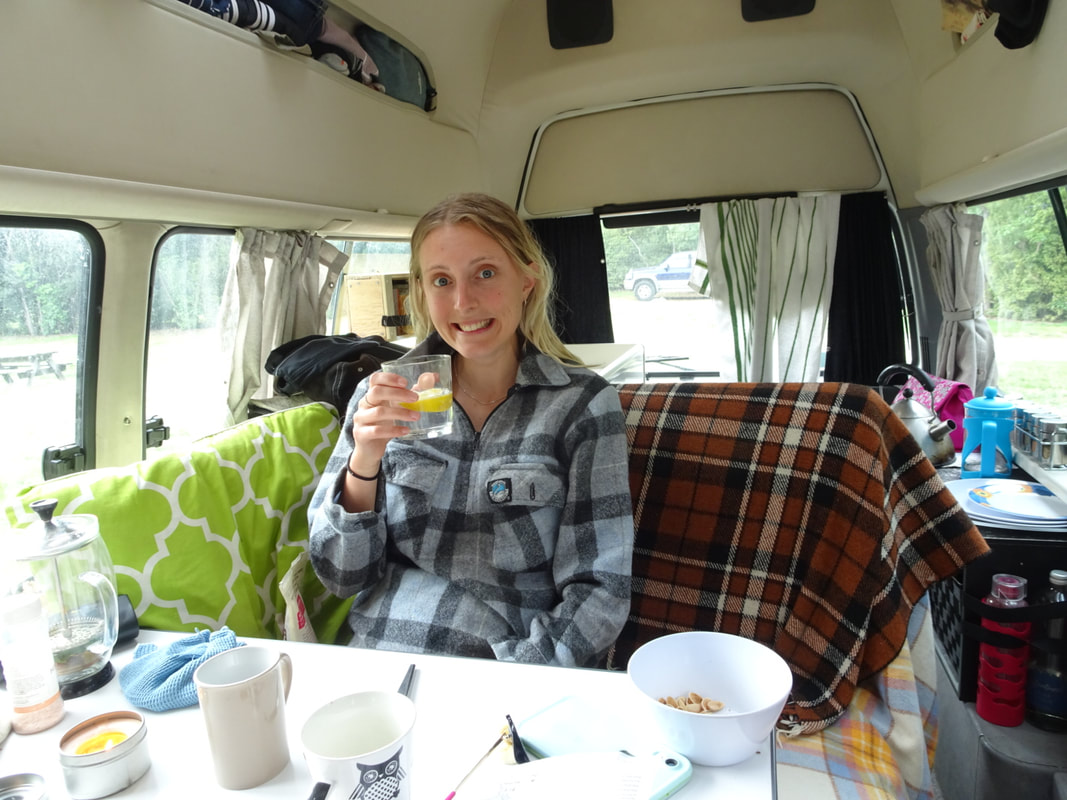
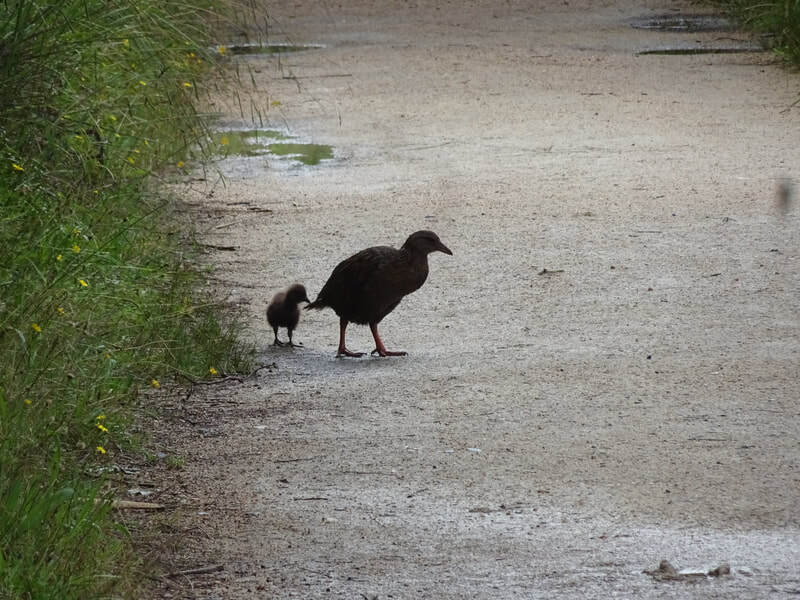
Arriving at the end of February we were met with the place largely deserted. We counted ourselves fortunate as the late summer days were still long and the temperature good for swimming. There is something about being in the middle of nature, with no motor vehicle noise, no shops, no phone reception and no rush. Eating in our camper with the door open, listening to the sounds of the sea and shooing off pesky wekas was pretty much ideal.
Te Urewera was formerly a national park, administered by DOC. Since 2014 however Te Urewera is now owned by and answerable to itself. It’s administered by a Board and managed by Tūhoe – which feels appropriate as it has always been their ancestral homeland. They think of Te Urewera as their mother – someone to care for, respect and love. For them the land is less about ownership and more about connection.
Their approach to managing nature is to turn conventional conservation practice on its head – in their view it is humans that need the managing, not nature. They don’t like making rules but rather encourage a spirit of reciprocity – asking us how we can give back to nature. And by this approach they hope to create an instinctive connection to the land, where humans “get” how to live in harmony with the whenua (land) and act accordingly.
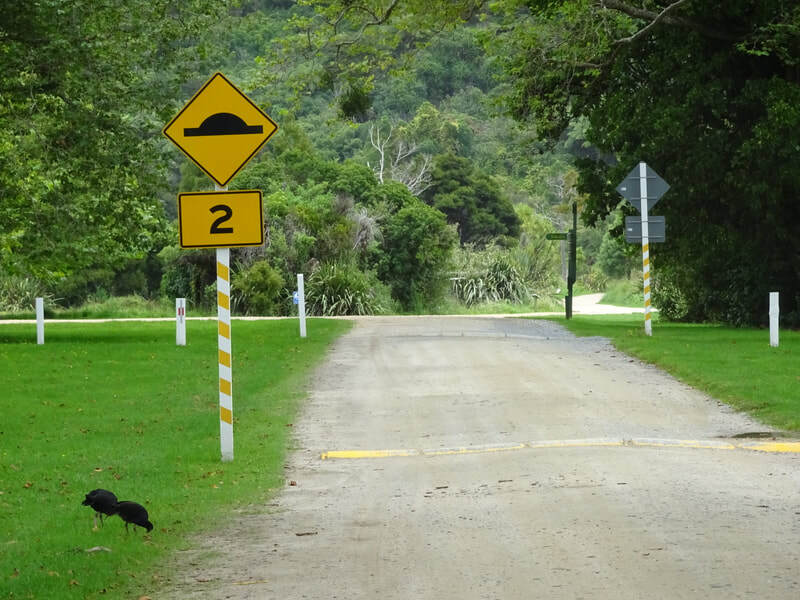
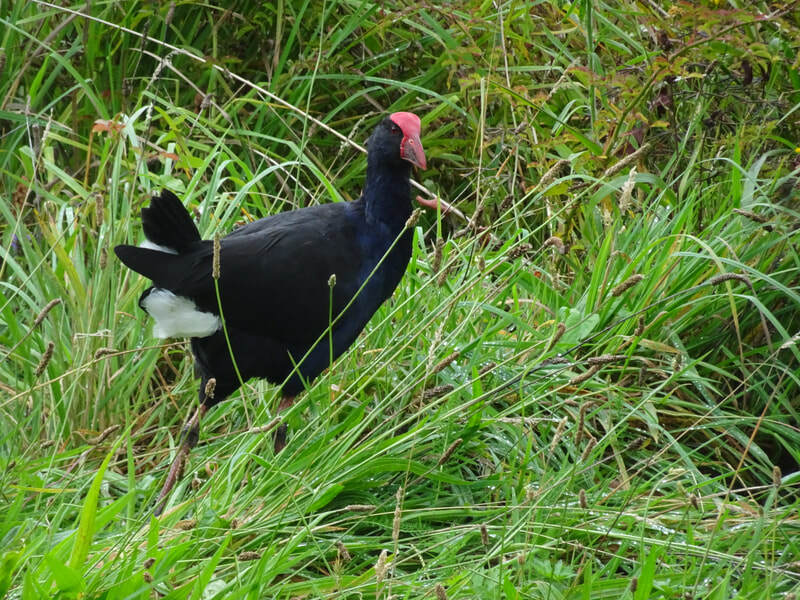
If DOC wholeheartedly embraced this approach I wonder whether we would see, at Totaranui, the large amount of plastic left behind by previous campers (would you leave litter on your mother?) – or the many weka and normally shy pukeko queuing up at open campervan doors begging for scraps. And I wonder whether 850 people at one natural spot is simply too big of an impact. I’m not for one moment saying DOC are failing – its more the potential for changing Kiwi hearts and minds that they are possibly missing out on.
0 Comments