Richard and Jolanda – our
journey 2019
From Palma de Mallorca to Lisbon
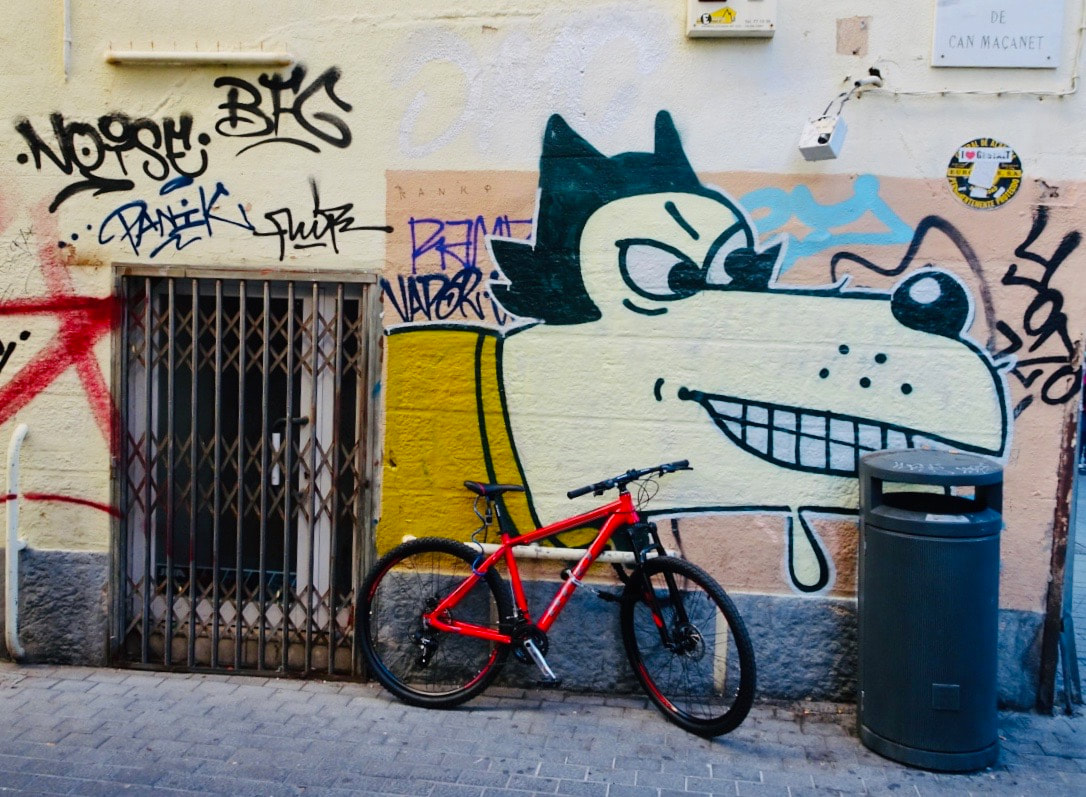
In 2015 the UK Sunday Times named Palma de Mallorca the world’s best place to live – and I can sort of see why. It really is a beautiful city – bustling without being crowded, full of history and positioned right on the coast. The old town is definitely the place to head for and so it was here that Jo and I found a room in a hostel. One thing for sure – if you want to stay in old town Palma it’s expensive, hence our decision to opt for the economy option for our four nights.
The New Art Hostel is in a reasonably decent spot – just 15 minutes stroll from the main tourist action. At around $NZ 100 a night for a room (tiny) with ensuite it was less than half the cost of staying in a hotel nearer the city centre – and so we thought what the hell. I did have second thoughts when we saw the many photos of various hen and stag parties that had used the hostel as a base in the past. Luckily there were a few other old farts like us staying and so all was pretty quiet.
Palma is one of those places that you can quite happily wander around without actually going anywhere. On two of our mornings we took a dog-leg route to the old town by wandering down to the sea and along the promenade. Like everywhere in Mallorca there are oodles of cyclists – but on this route less of the lycra clad variety and more cruisers taking in the view, and thankfully in their own dedicated bike lane.
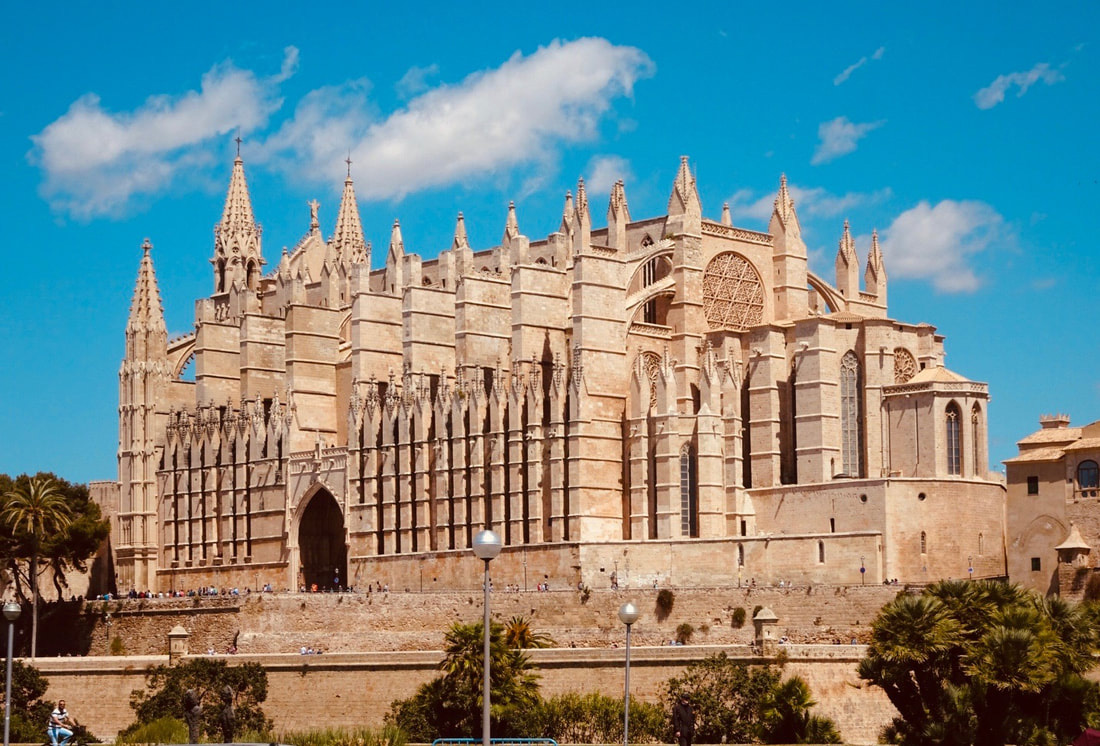
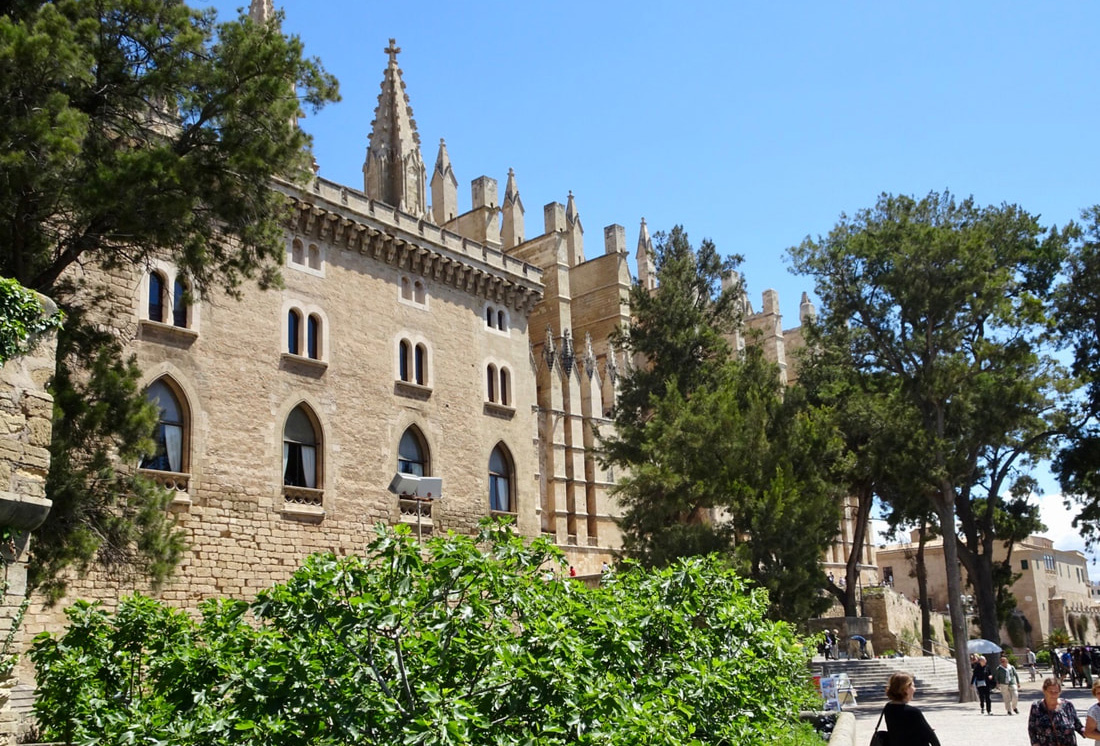
The Catedral Basillica de Santa Maria de Mallorca is simply spectacular, towering above the surrounding buildings on the Palma foreshore. Building began in 1229 but took until 1601 to complete – something to keep in mind next time I moan about roadworks. Like most other churches we have been to over here it was free to enter, albeit there was a brisk trade in candles which can be purchased and lit to remember loved ones. It was a majestic, light and overpoweringly peaceful place.

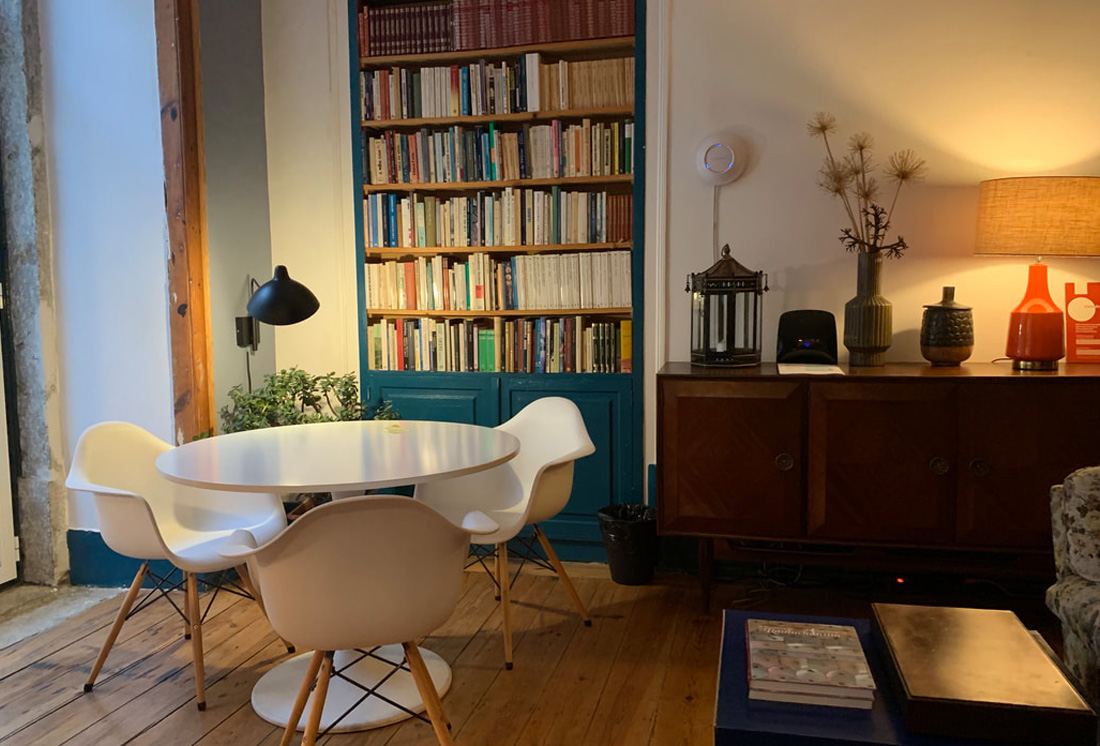
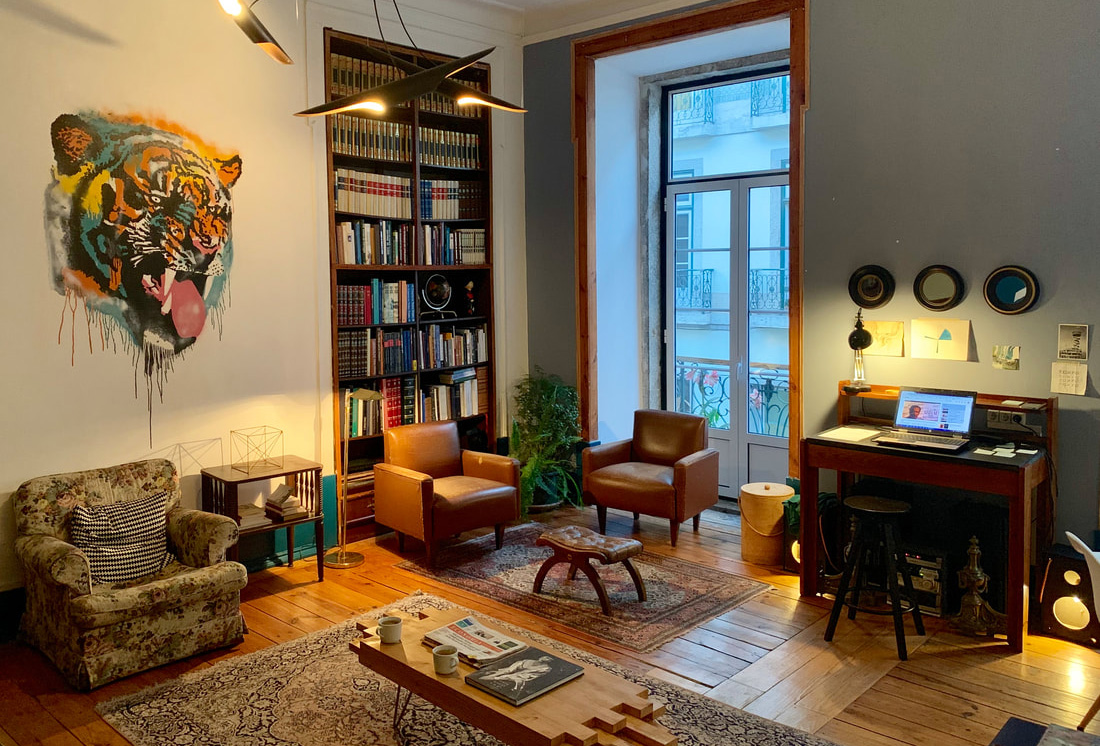
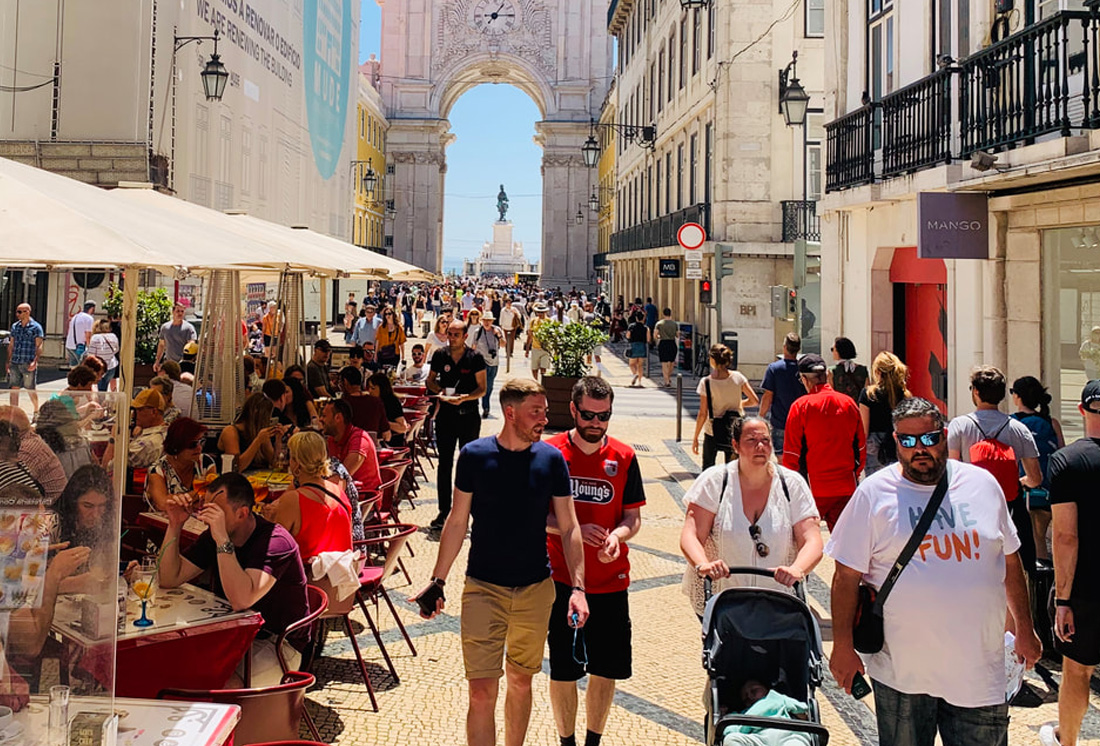
Lost Lisbon Chiado stretches over one floor on a quiet street in the uber fashionable district of Chiado. It is more of a guest house than a hotel – run and managed by the owner who I suspect has turned his family home into a business. It’s just amazing with older style rooms combined with cutting edge interior design. Picture a tiger’s face painted on to the wall of a classic drawing room – or old-fashioned metal desk lamps melded together into a central chandelier. It all works, and we were sad we only had two days in this beautiful place. Breakfast was provided via a help-yourself buffet – a dangerous proposition if you have a penchant for over-eating . . .
Yoga and Creative Writing in Mallorca
I have to say I am finding the chanting after dinner the most challenging. I am of course completely out of my comfort zone but, aside from that, mantra participation requires singing along in Sanskrit while at the same time performing quite complex movements. Last night I was defeated by one particular piece. I had to give up on the words and concentrated on following the actions which were surprisingly energetic. At one stage you are required to cleave the air vigorously downwards with clenched fists, as though you are chopping wood. Then follows some quick breast-stroke action before making some hand signs in the air. I was giving it my all when I realised my efforts were becoming the focus of some hilarity from Sophie and Louise. I have to admit playing up a little to my audience while at the same time being aware of some stern glances from Stella. It was a tricky situation . . .
Mantra chanting can be good for you with benefits such as lowering stress levels. I have to say I did find myself enjoying things and felt pretty chilled. I guess you just have to give it a go to experience what it’s all about . . .
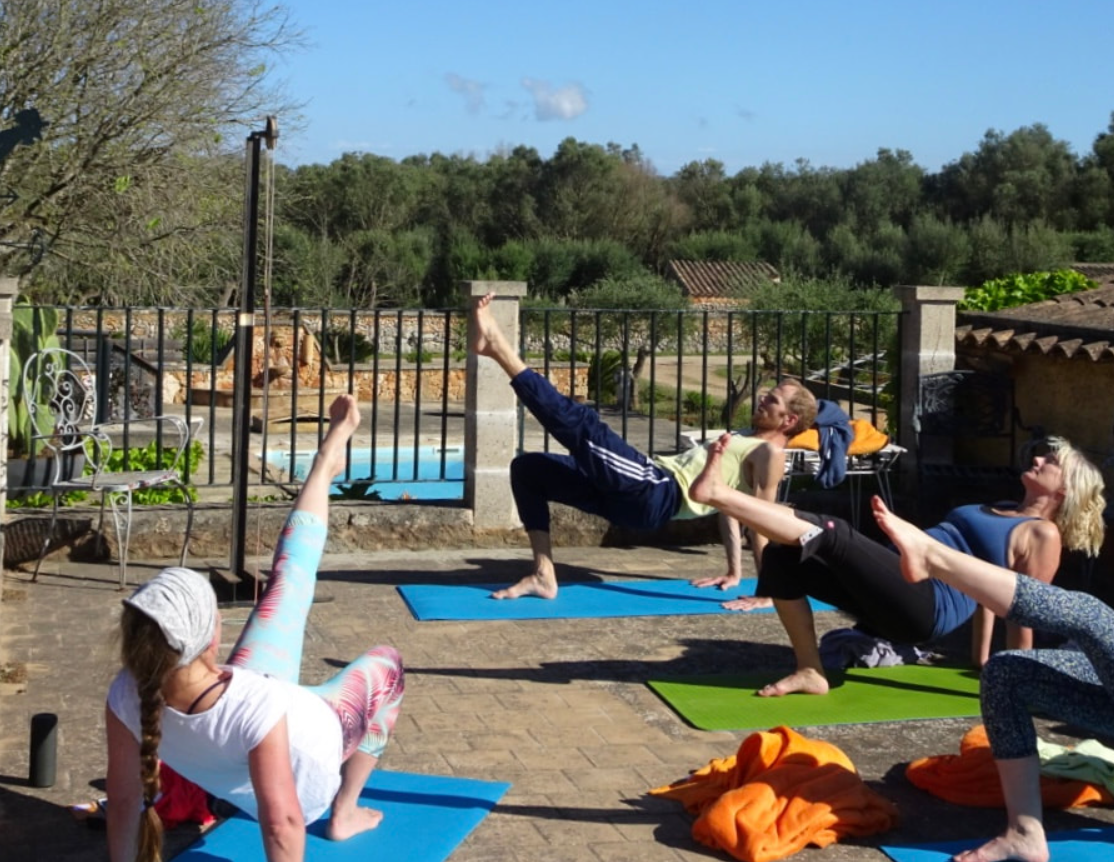
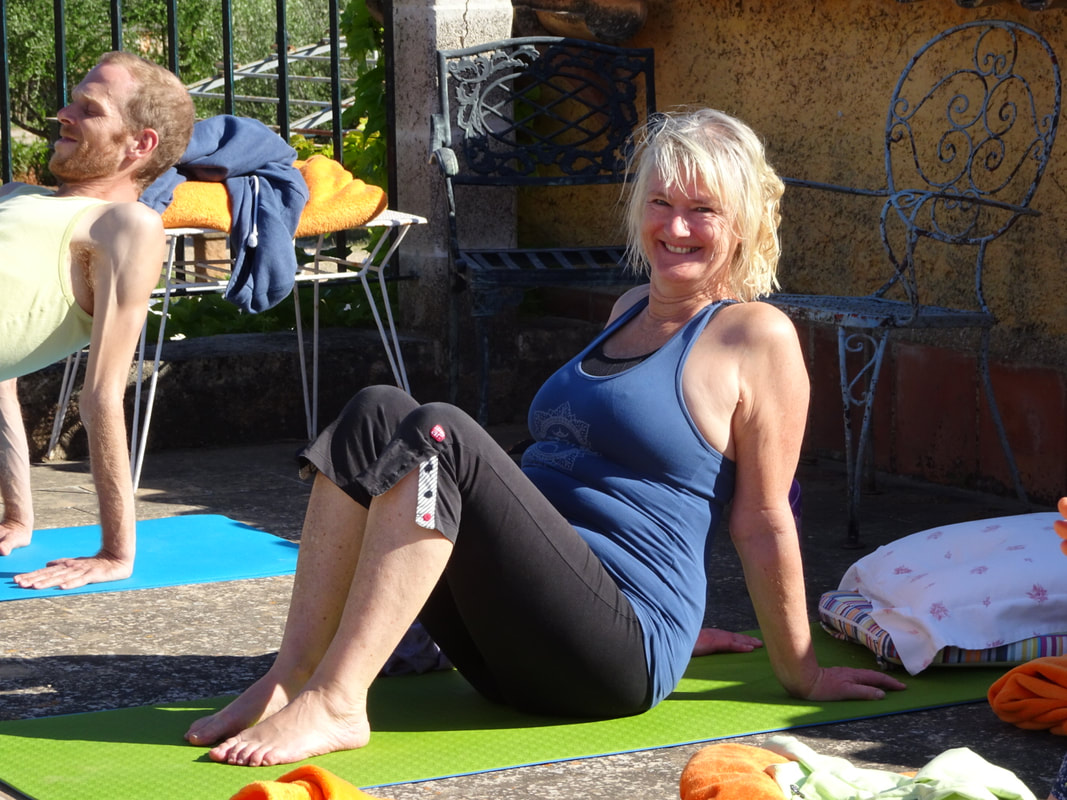
Our retreat is based at Finca son Artigues in Mallorca’s south – between the towns of Porreres and Felanitx. The owners have created a wildlife refuge here with donkeys, rabbits, frogs and one quite bouncy three-legged dog. For the guests there are various amenities – two self-contained residential houses with a total of seven rooms, a kitchen block and yoga shala. The grounds are beautiful – two swimming pools, outdoor patio areas – we are quite spoilt really.
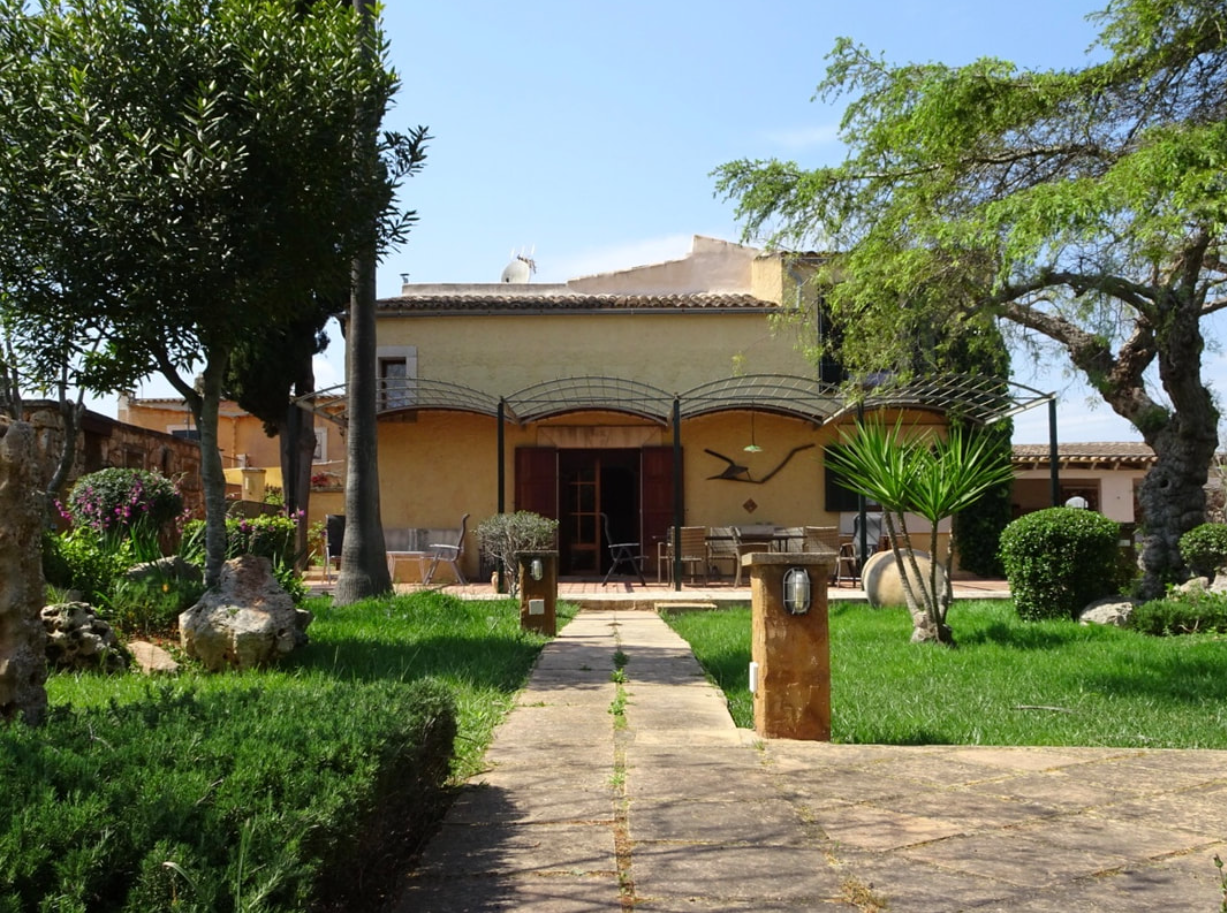
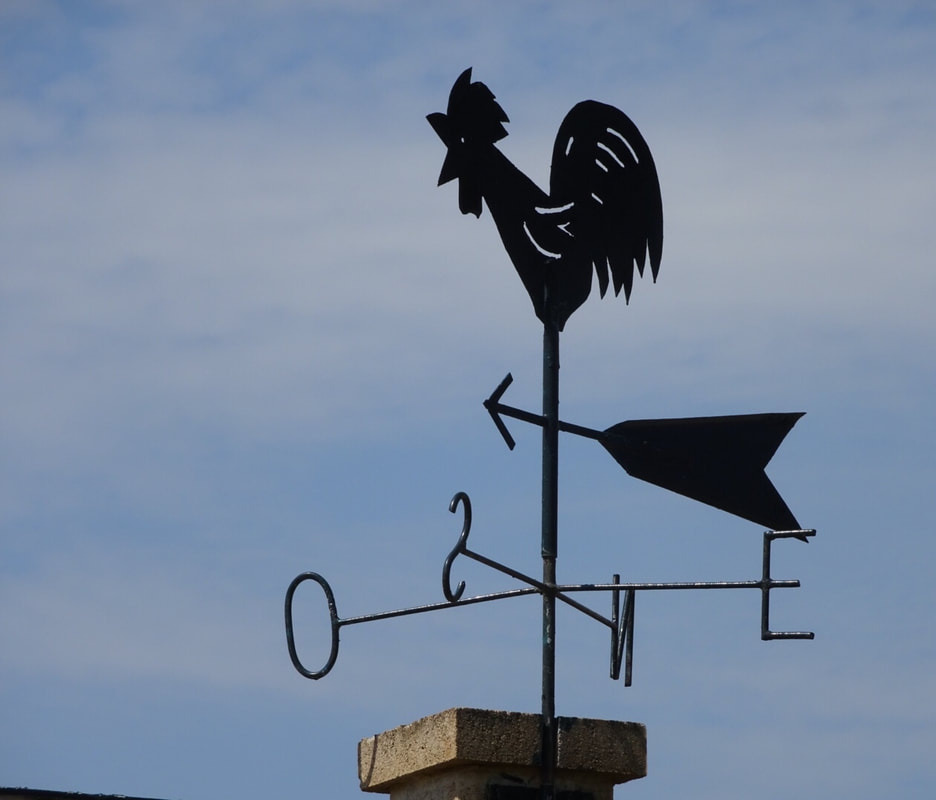
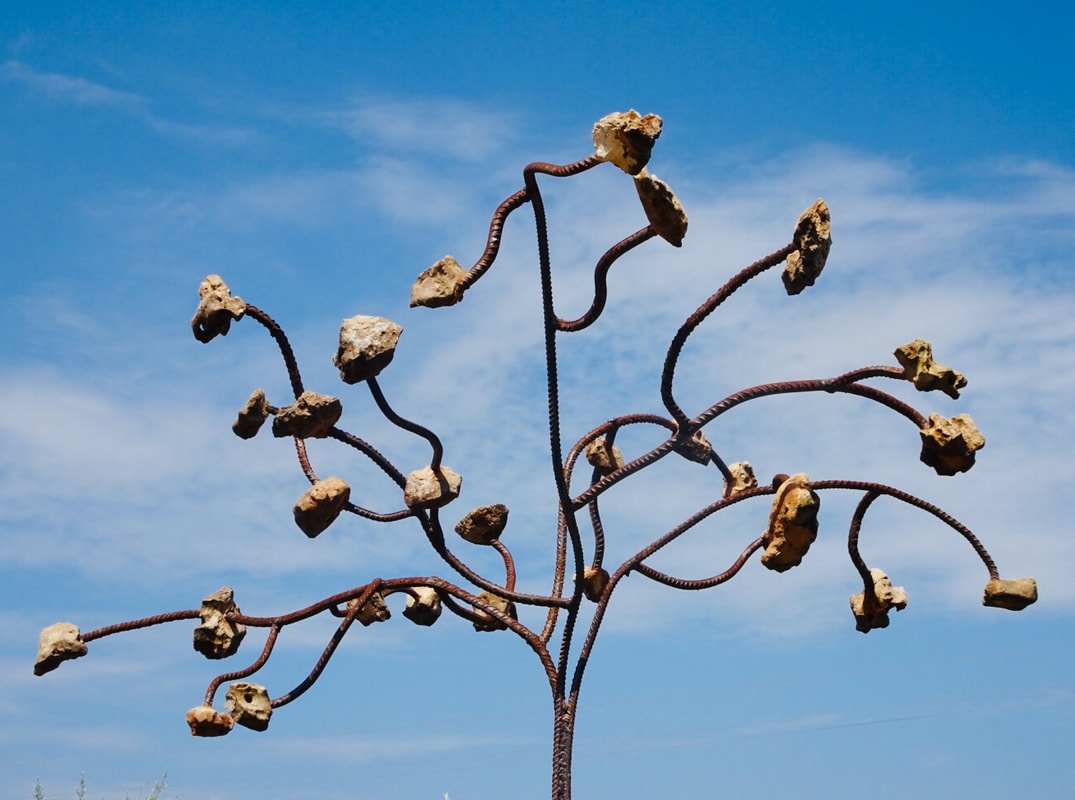
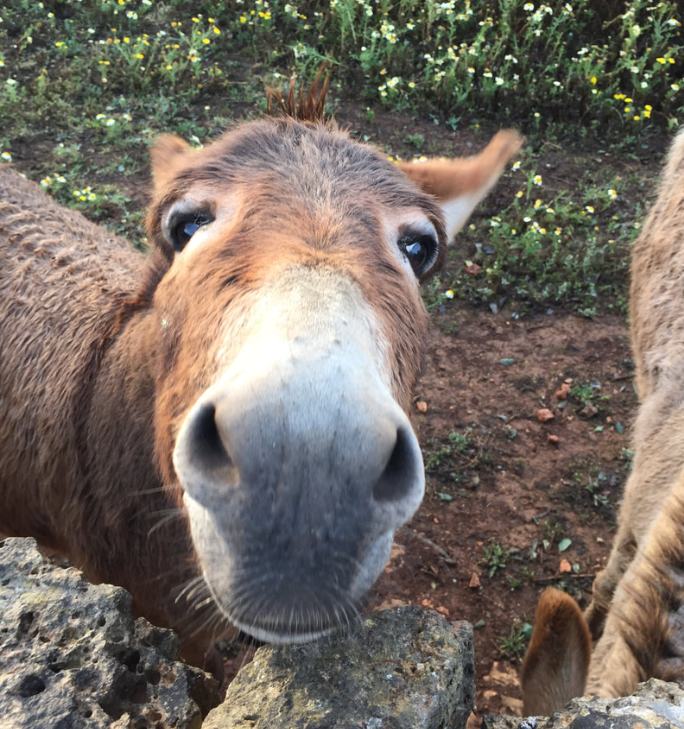
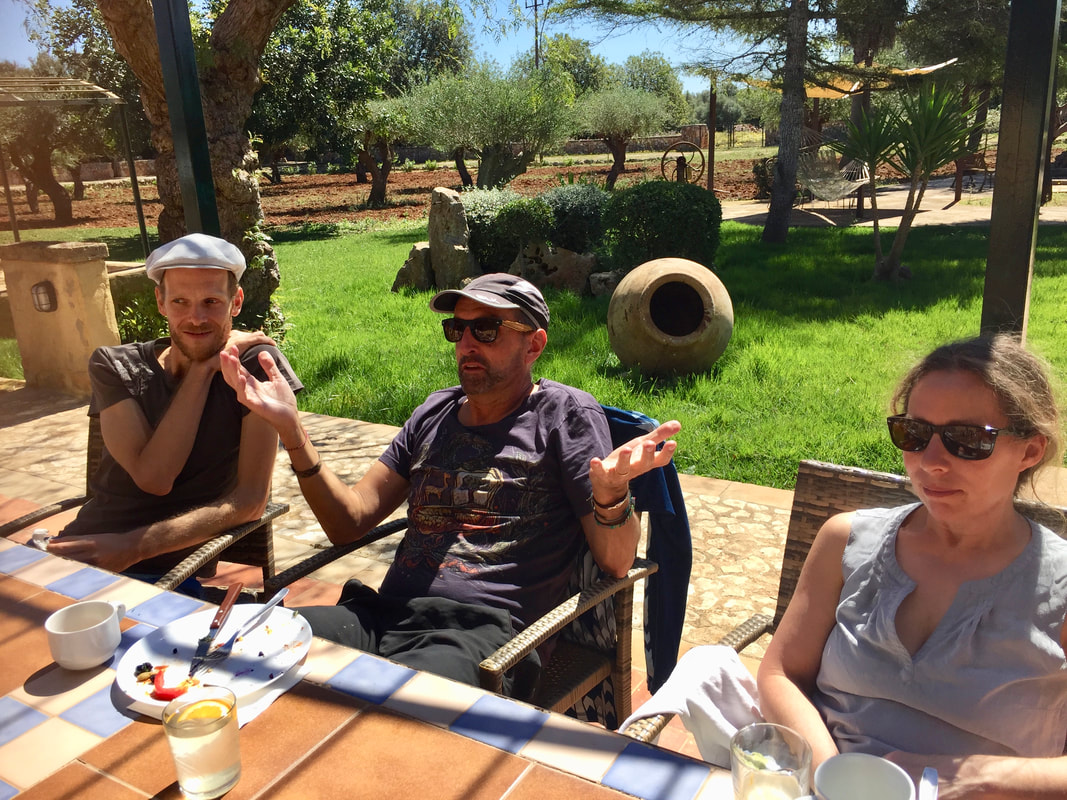
So how do I feel at the end of this week? Well I’m pretty sore, particularly in my shoulder. But I am definitely stronger, I feel more flexible and definitely have a quieter and calmer mind. I have hugely enjoyed the tuition and guidance from Chris and Stella – two extremely talented, kind and compassionate people. Check out their profiles https://www.chrisleuenberger.com/ and http://www.theyogabeat.co.uk/
And I have loved the companionship – laughing and talking about things that matter with some seriously cool people.
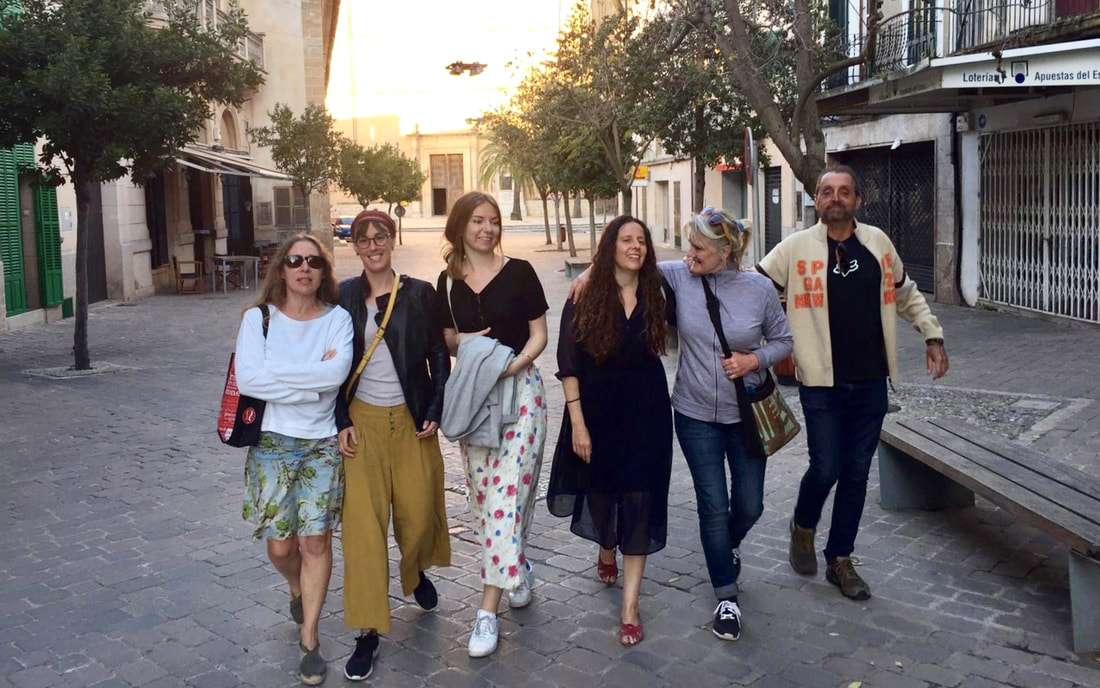
Cyclists, hikers and Easter processions of Mallorca
Rather than heading straight for the Capital, and largest city, Palma De Mallorca, we instead picked up a rental car and headed straight for the town of Soller – around 50 minutes from Palma airport. Nothing is very far on this island.
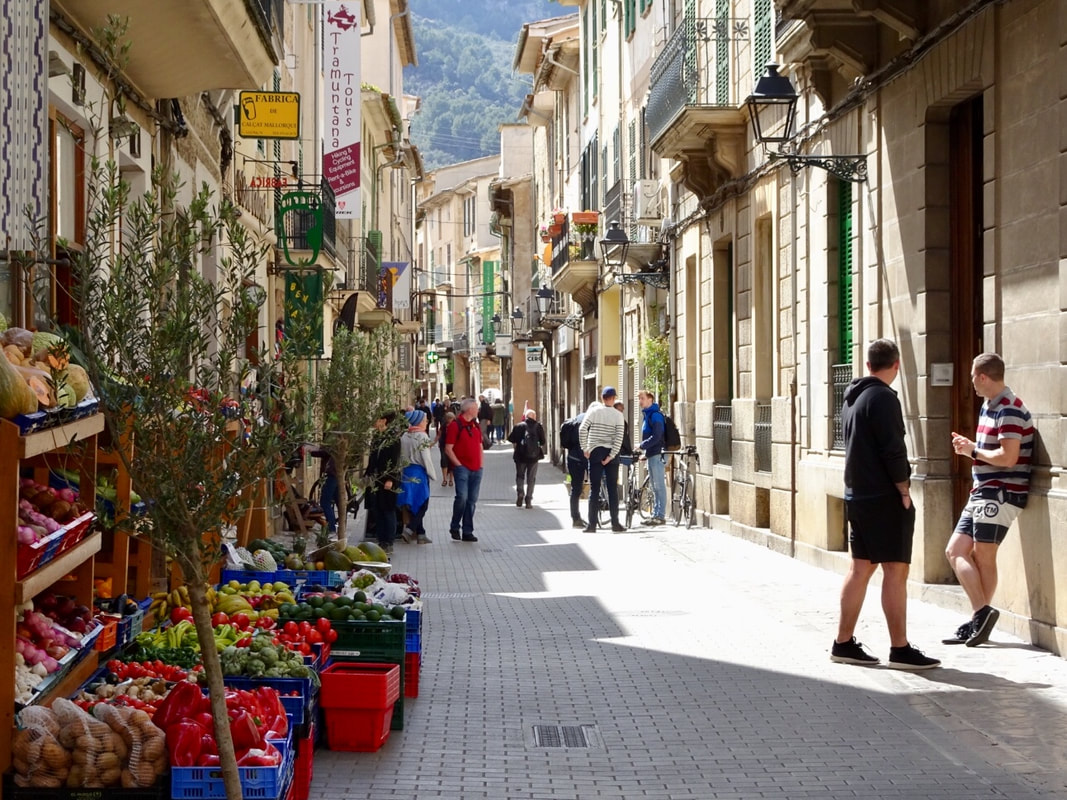
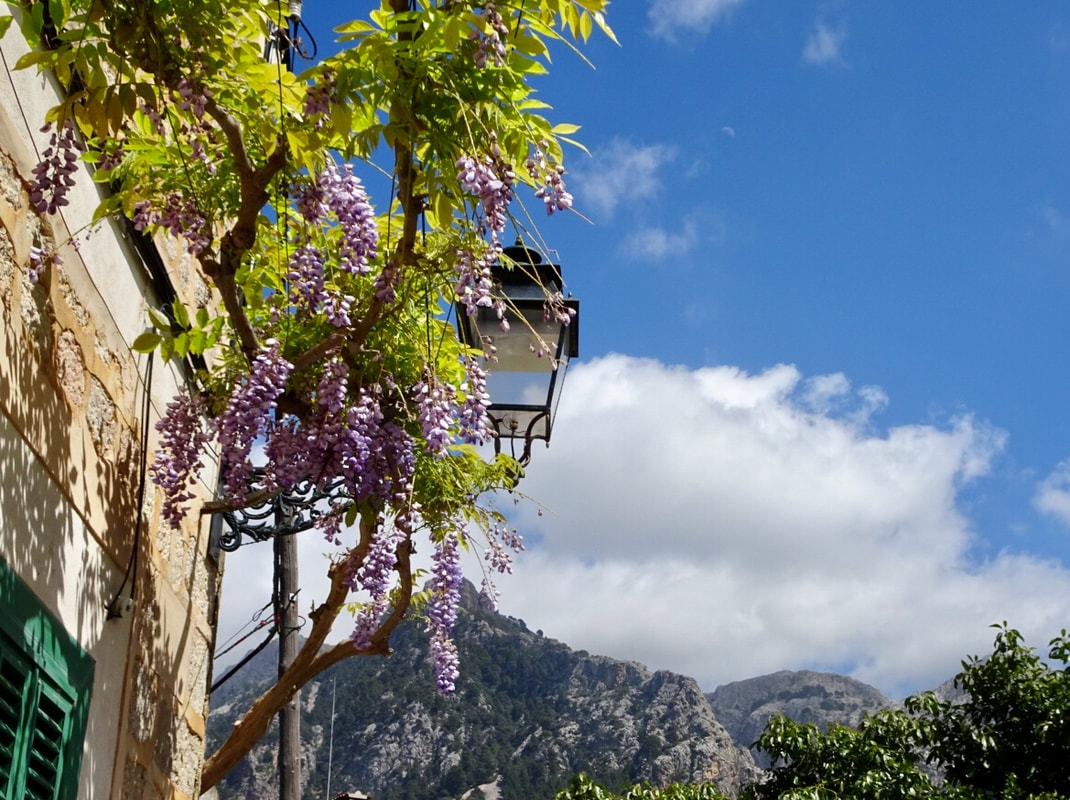
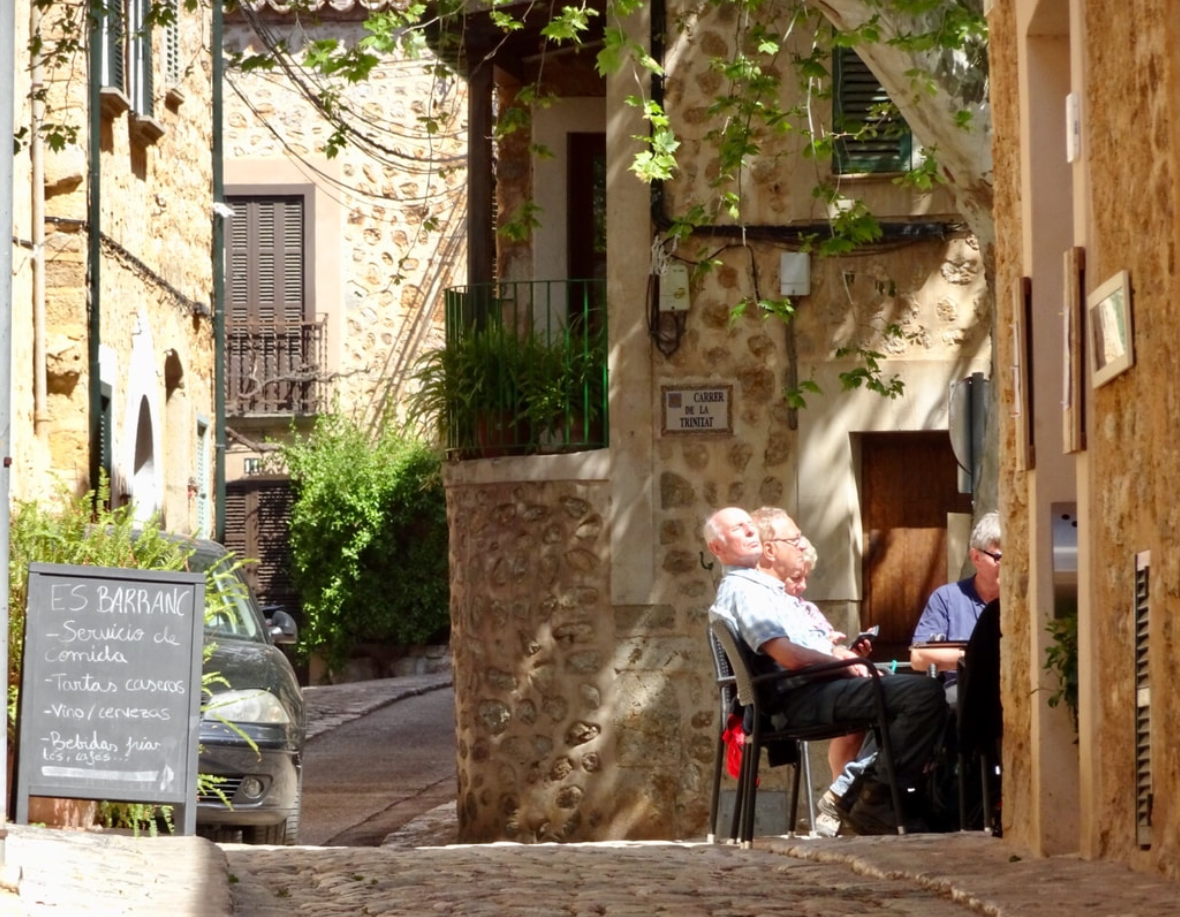
The “abcMallorca” website incongruously describes Soller as a modernist town. Well it appeared pretty ancient to me with winding cobbled streets, a bustling central square and beautiful old Church (Església de Sant Bartomeu) built at the end of the seventeenth century and looking anything but modernist . . .
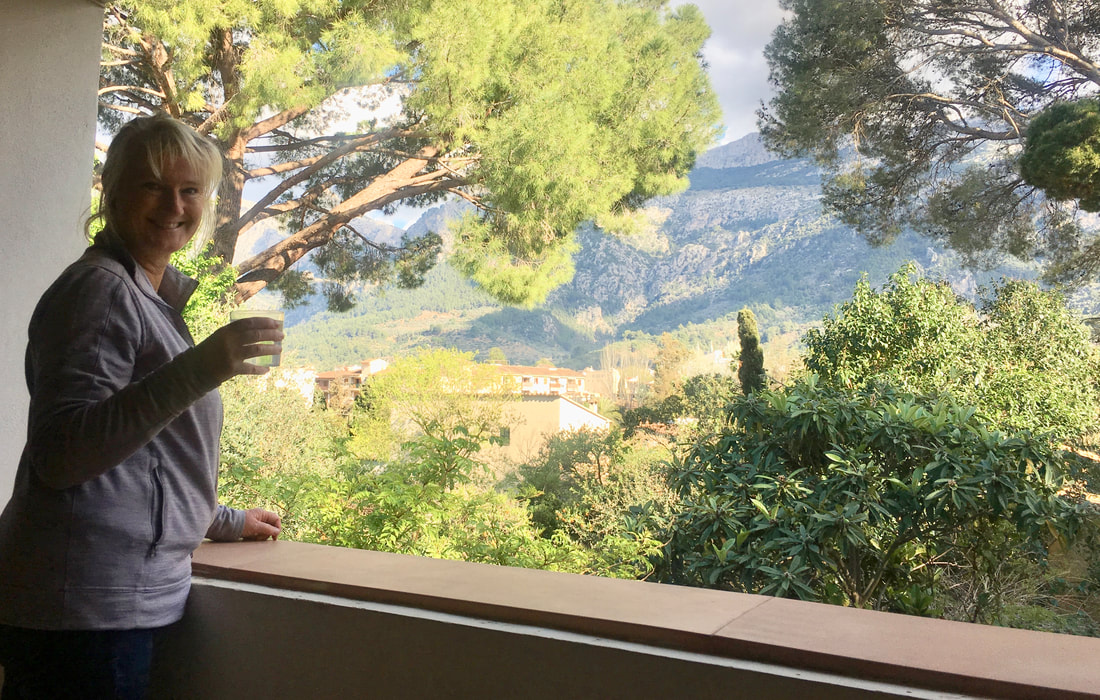
Our favourite spot, and one which we made a beeline to at around 5:30 each evening, G&Ts in hand, was a wonderful enclosed veranda with drop-dead gorgeous views of the surrounding countryside and back-drop of towering mountains.
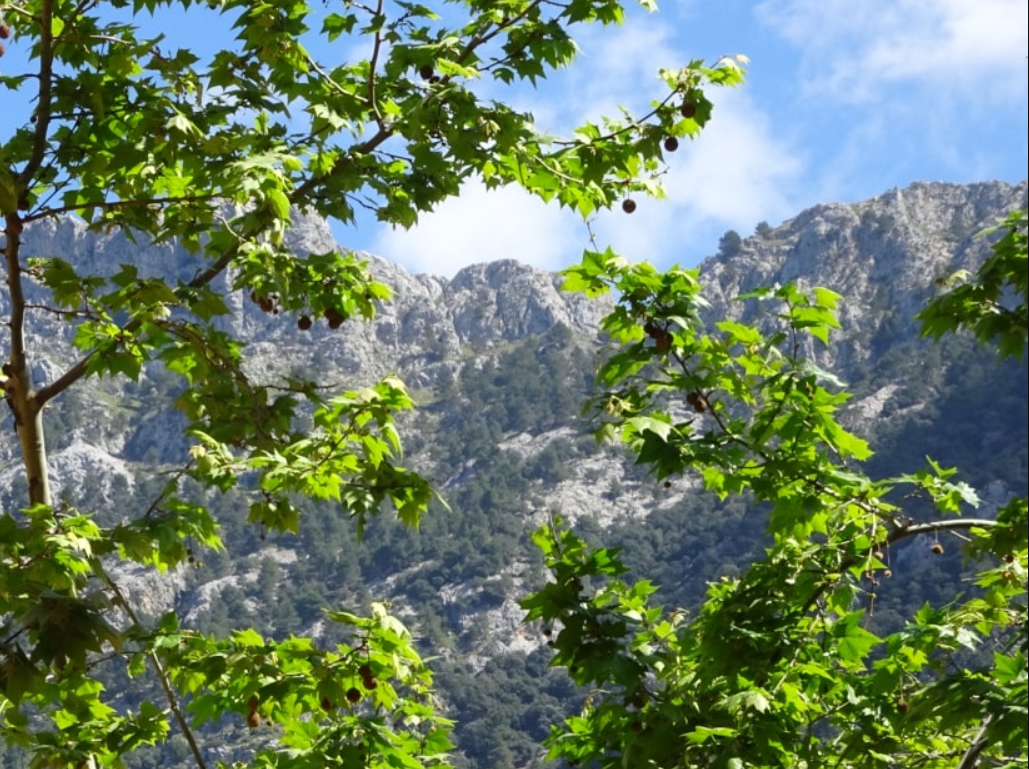
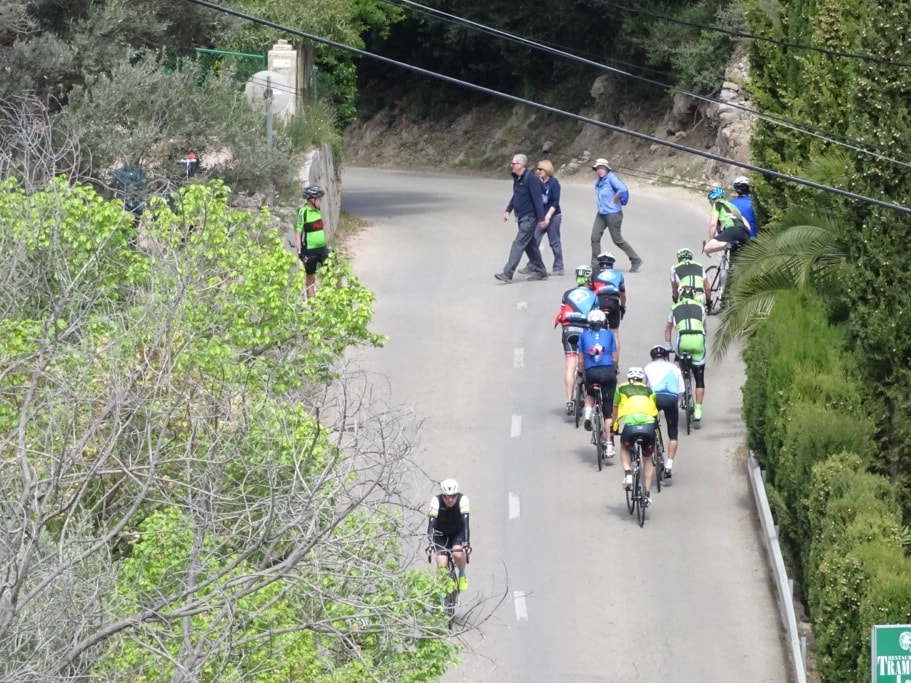
Mallorca, with its mountainous terrain, is an absolute mecca for road cyclists particularly so with pro-cyclists getting some training in before heading off to compete in the various events in Europe. Everywhere you drive you encounter bikers of all shapes and sizes – predominantly men for some reason. It’s not uncommon to join a long queue of cars following some group pedalling its way up one of many twisting mountain routes. Nobody seems to mind, and I witnessed some good careful overtaking – I guess the value of cycle touring to the Mallorcan economy is well understood. Or maybe you get chucked in jail if you knock a cyclist off his or her bike. Yep . . . maybe it’s the latter.
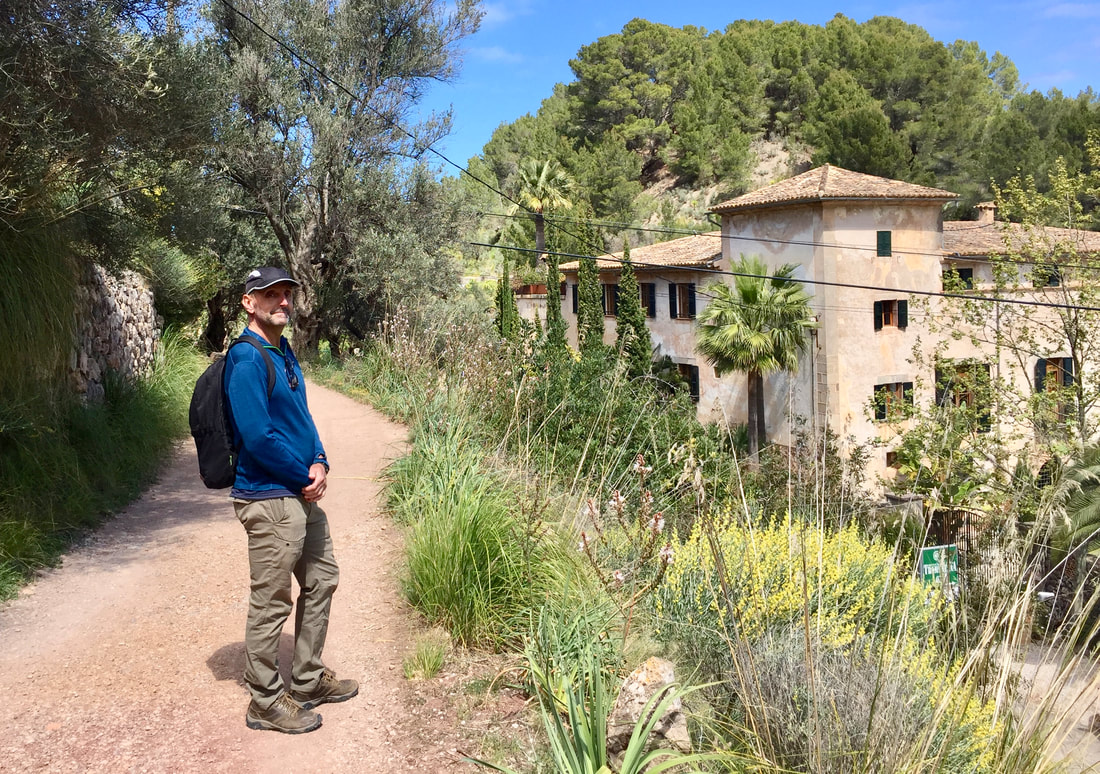
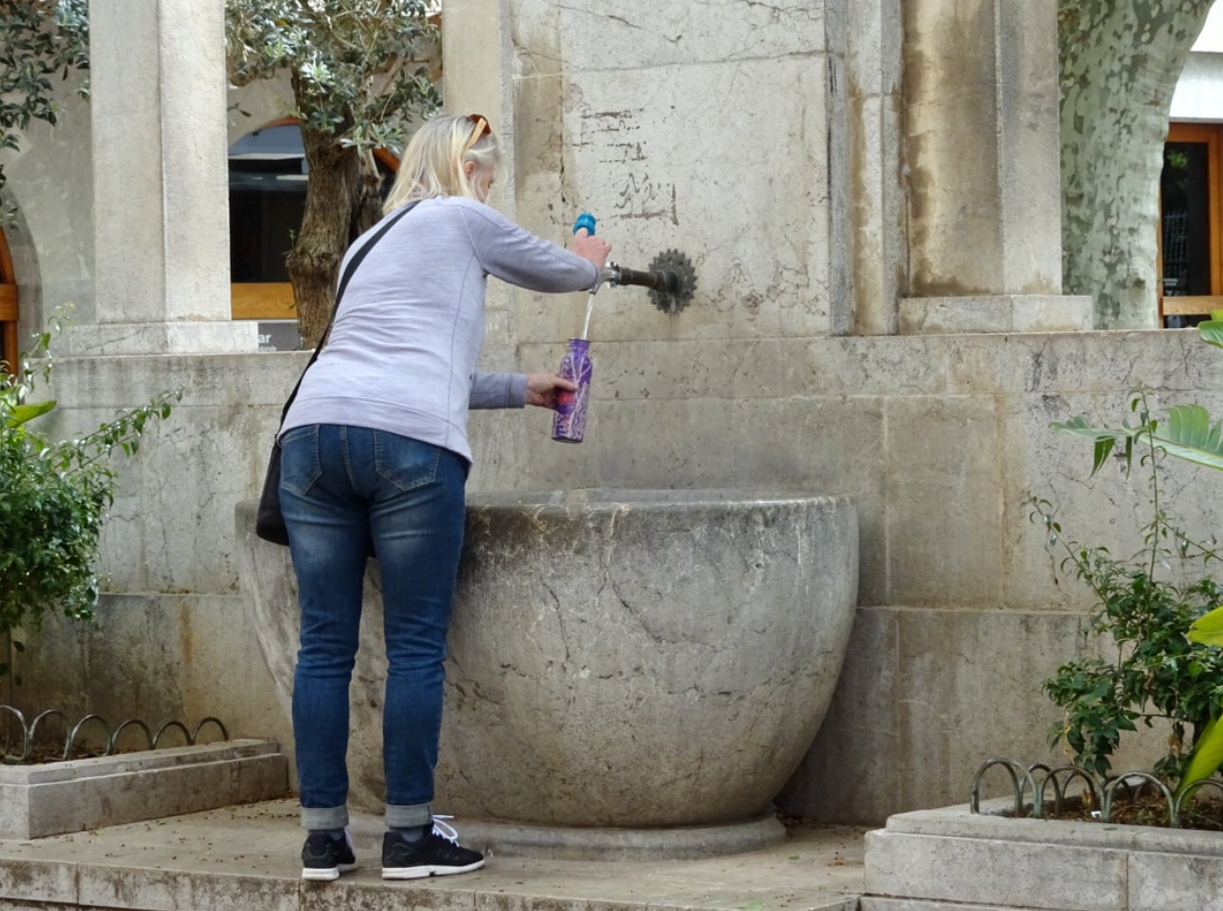
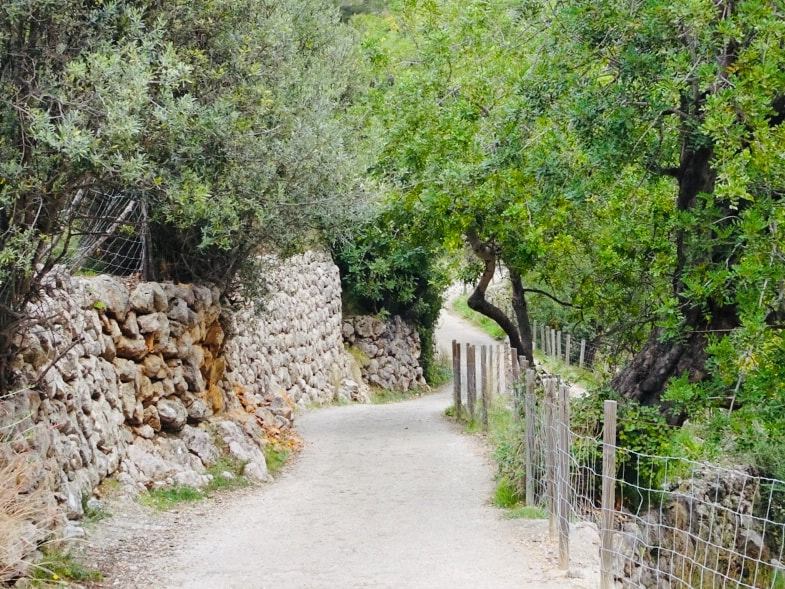
The other hugely popular tourist activity in Mallorca is hiking and so that’s what we did on our first day. We chose a route from the town of Soller to Port Soller which is about 4km as the crow flies but more like 10km on our route which meandered through some truly spectacular mountain scenery and picture-perfect tiny villages. We spotted a hotel at about the halfway mark and wandered up the drive to be greeted by smart looking waiters hovering round smart looking guests taking their elevenses in the gardens of what was obviously a smart upmarket resort. To their credit they didn’t seem to mind serving two sweaty trampers “dos espressos por favor”. Jo nicely capped things off by nicking a couple of lemons from the garden . . .
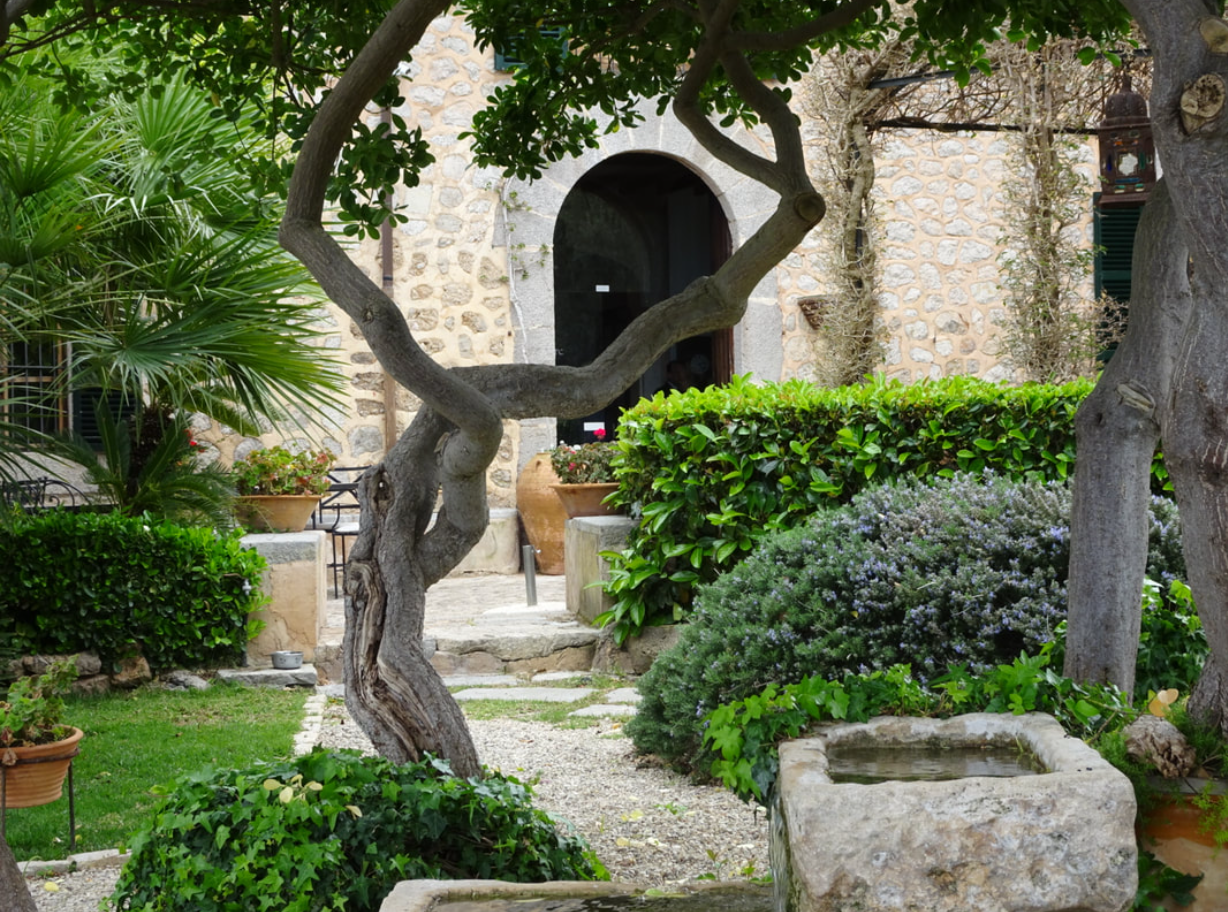
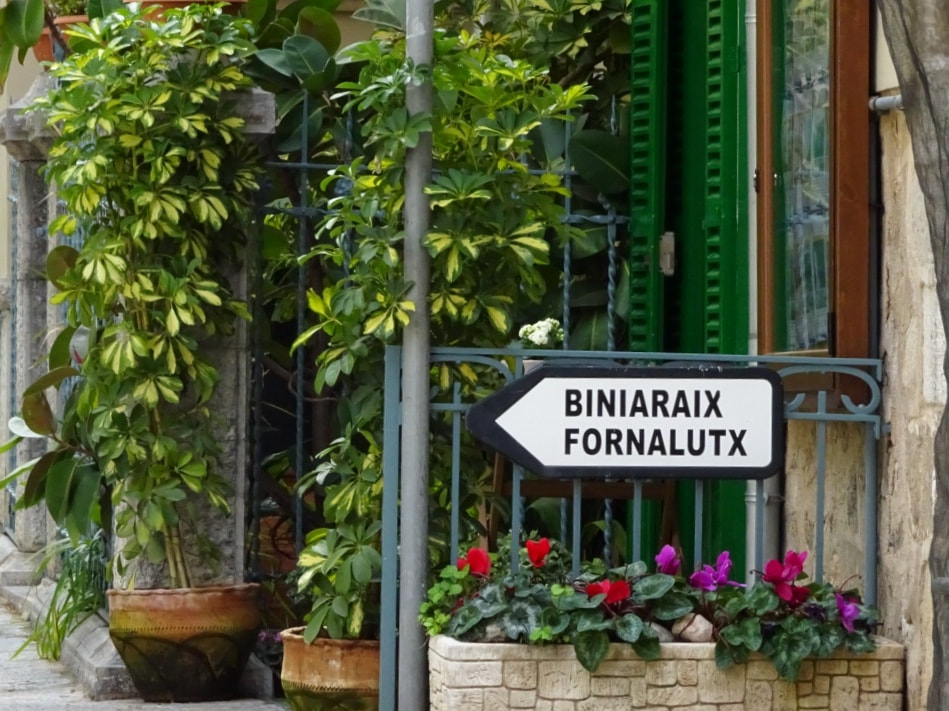
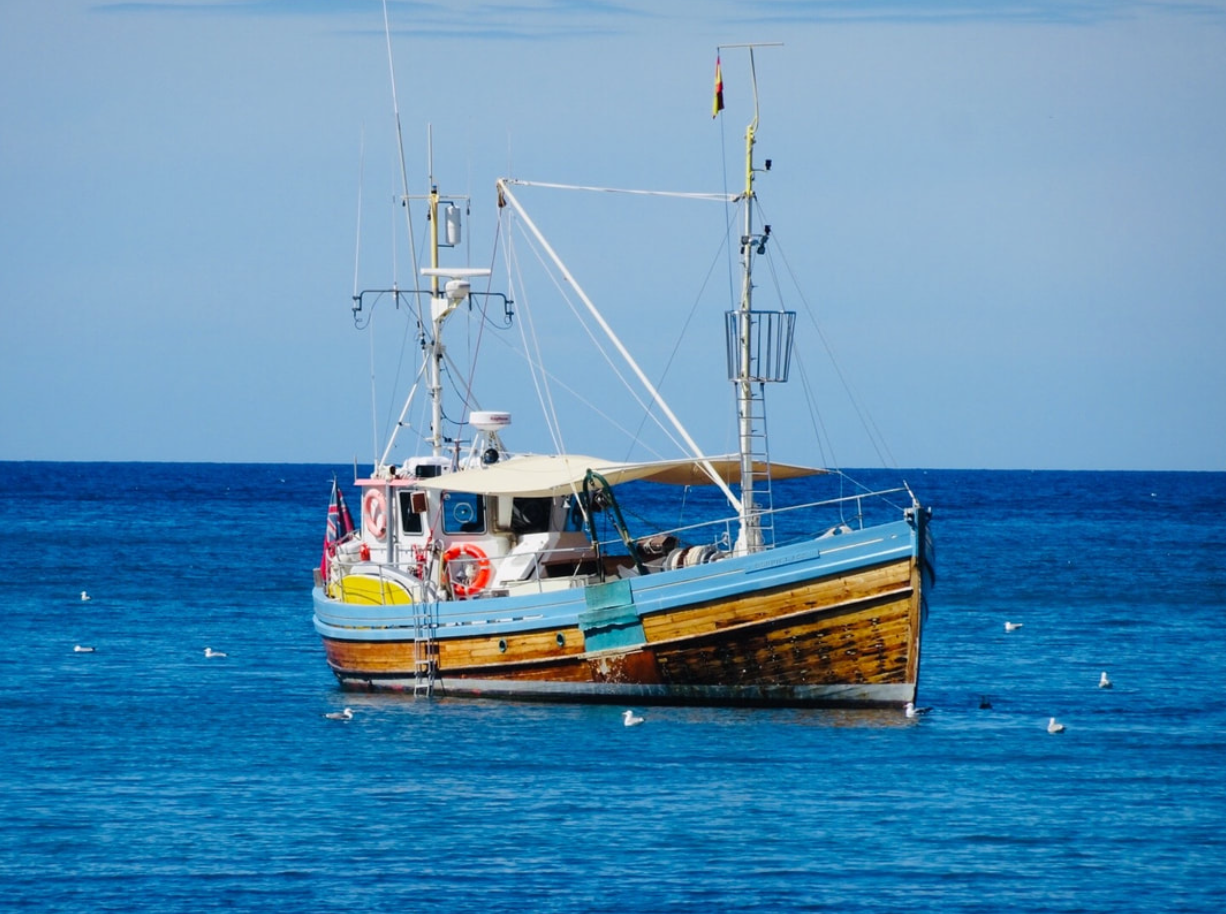
Following our week in Soller we sort of stuck a pin in a map and ended up, for the next six nights, in a place called Sa Pobla in the north. I had to admit feeling a little deflated when we drove through the place searching for our Airbnb. Sa Pobla is very much a working town – functional but not outwardly pretty. It’s apparently famous for its potatoes. I mentally kicked myself for not properly thinking through the implications of a potential tourist destination touting its potato credentials . . . But wait, this story has a twist to come.
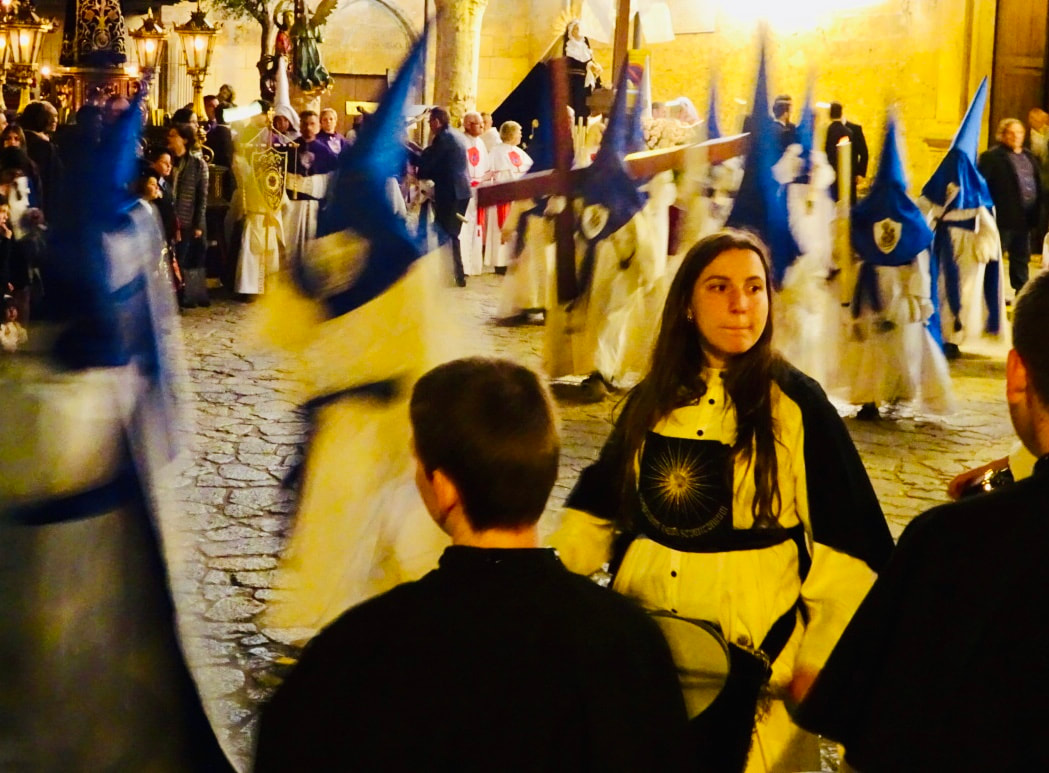
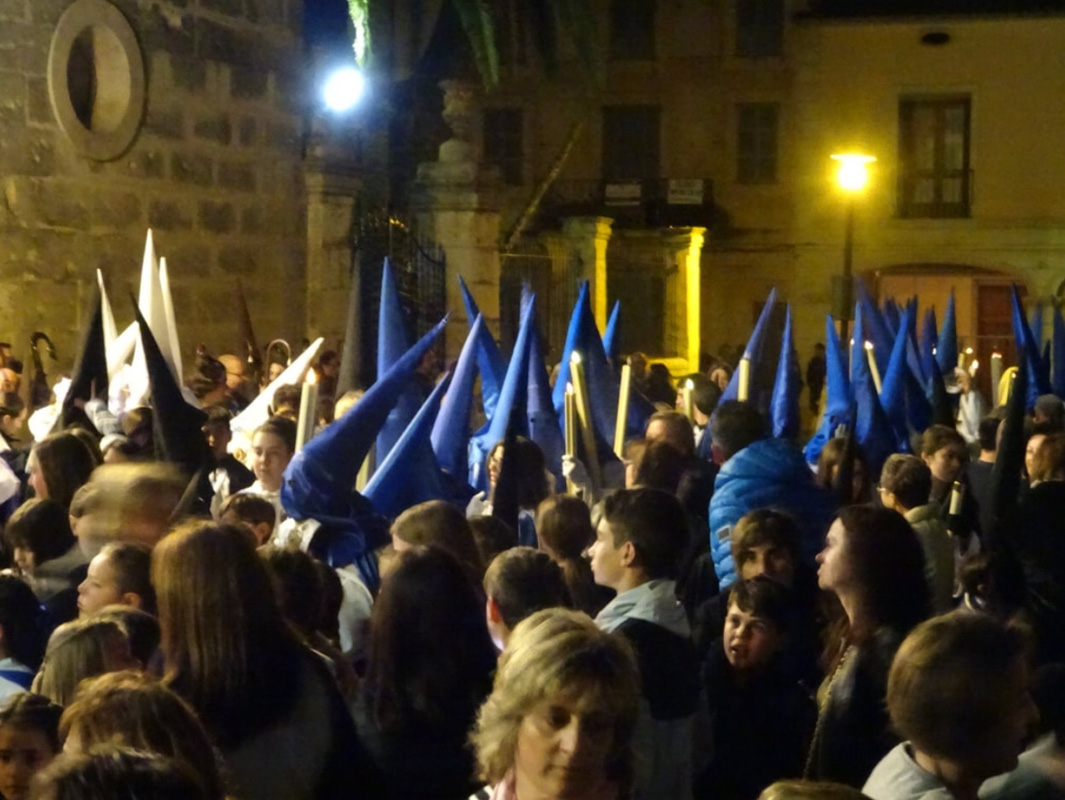
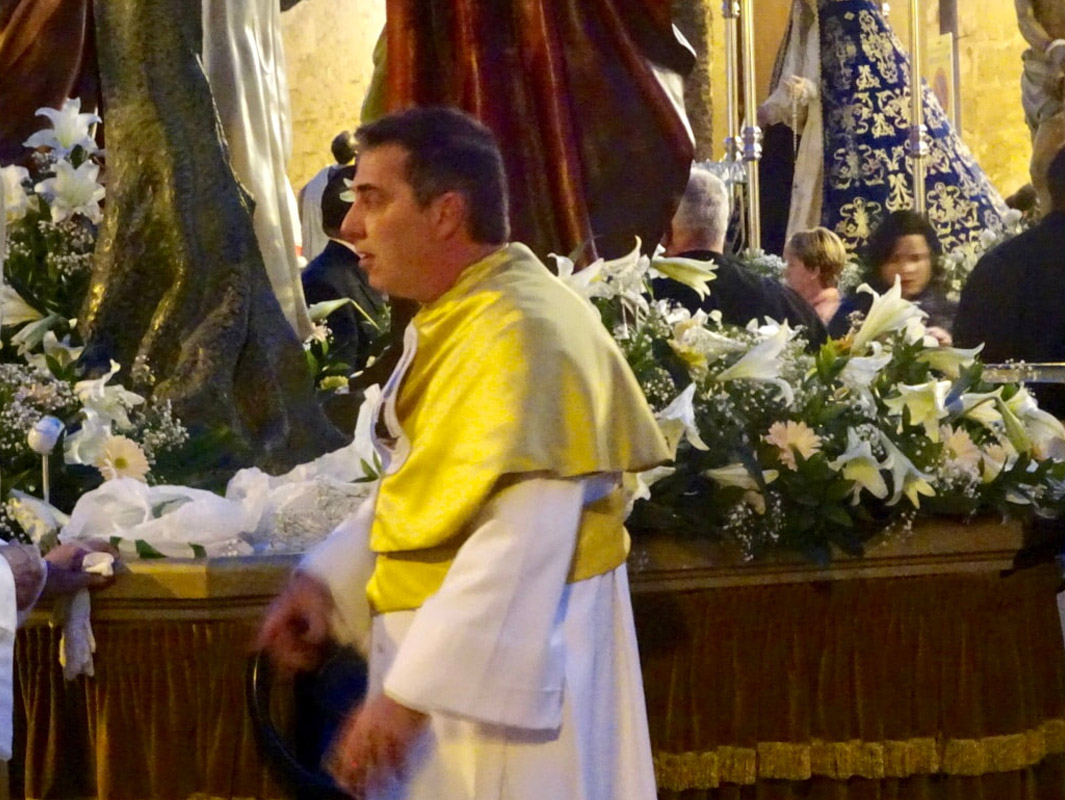
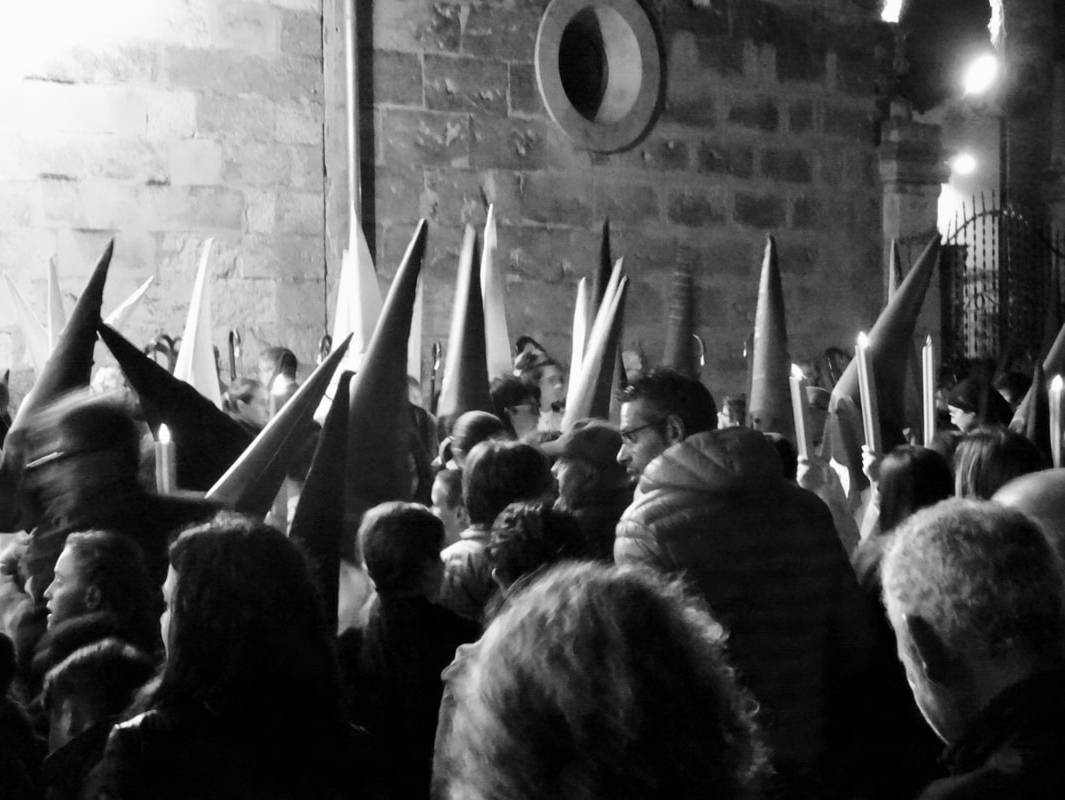
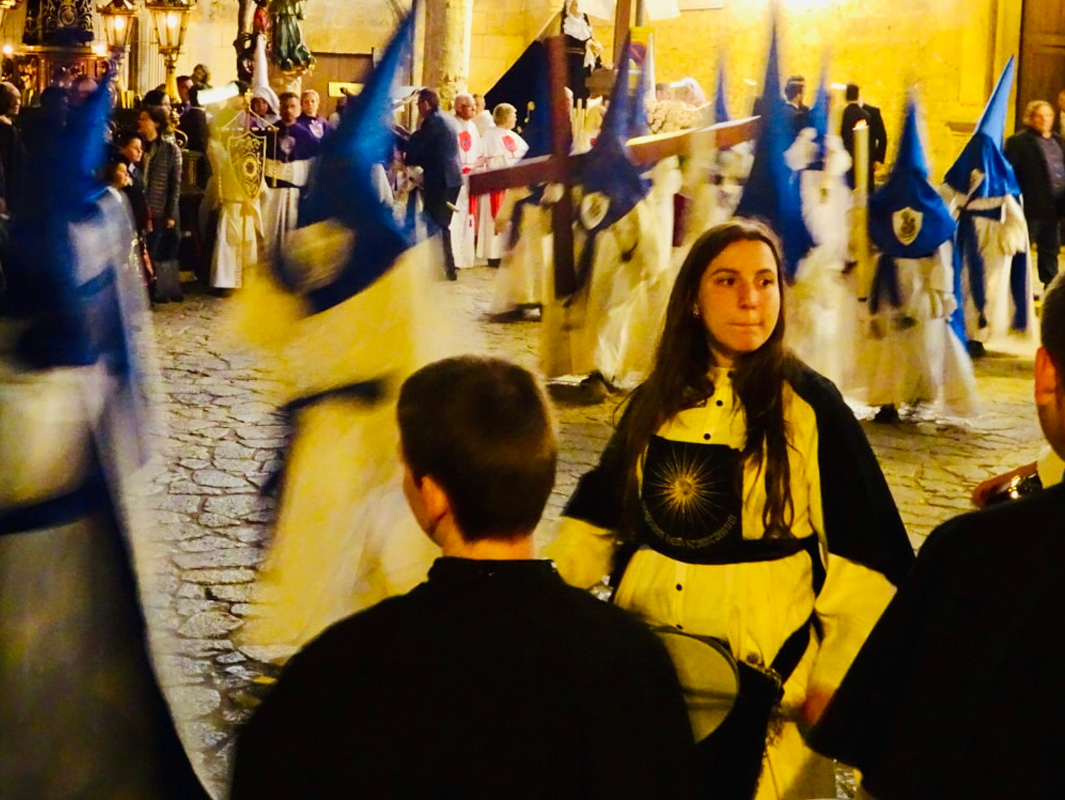
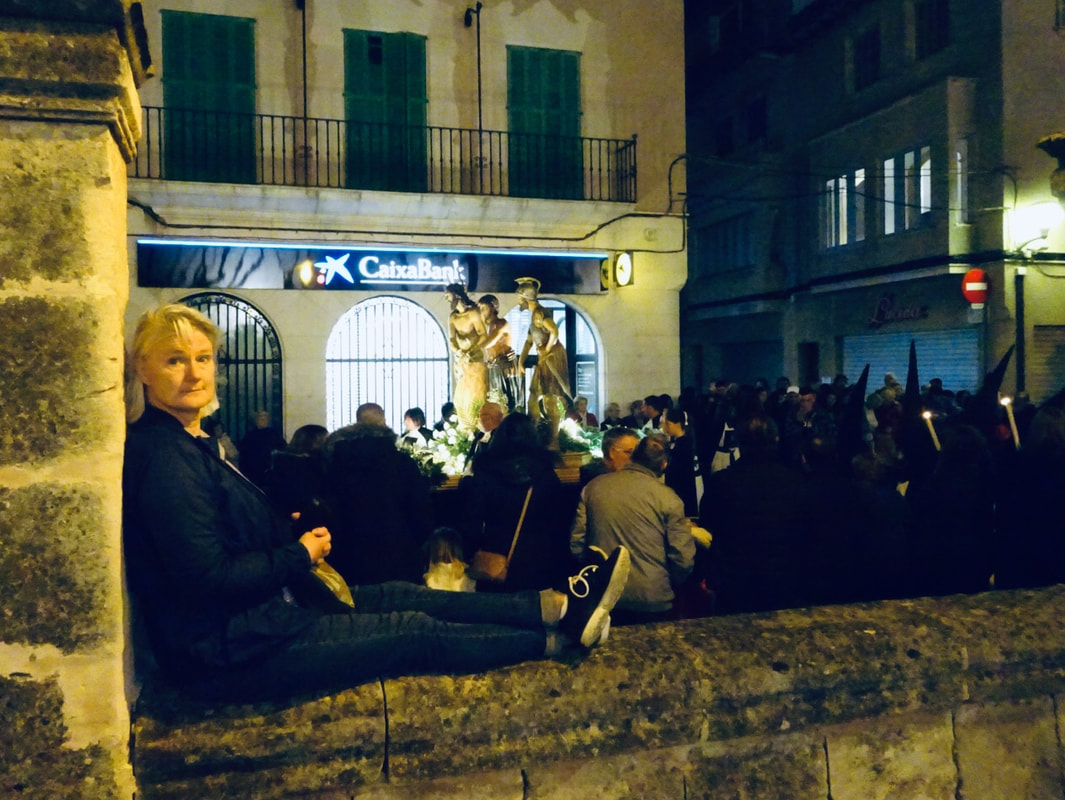
Jolanda had read there was to be an Easter procession on the evening of Maundy Thursday and so off we trotted to the central Church to be greeted by one of the most differently spectacular sights I have ever seen. Each church in the region seeks to outdo each other with costumes, trumpets, drums and a float, the latter being on wheels and pushed or carried by costumed men. We hung around the Church witnessing everyone getting ready for the off, marshalled by elderly gentlemen carrying electric candles. Somehow, out of apparent chaos, everyone seemed to have worked out their place and off they went at a slow march throughout the town. What a sight – just wow . . .





Bristling Barcelona . . .
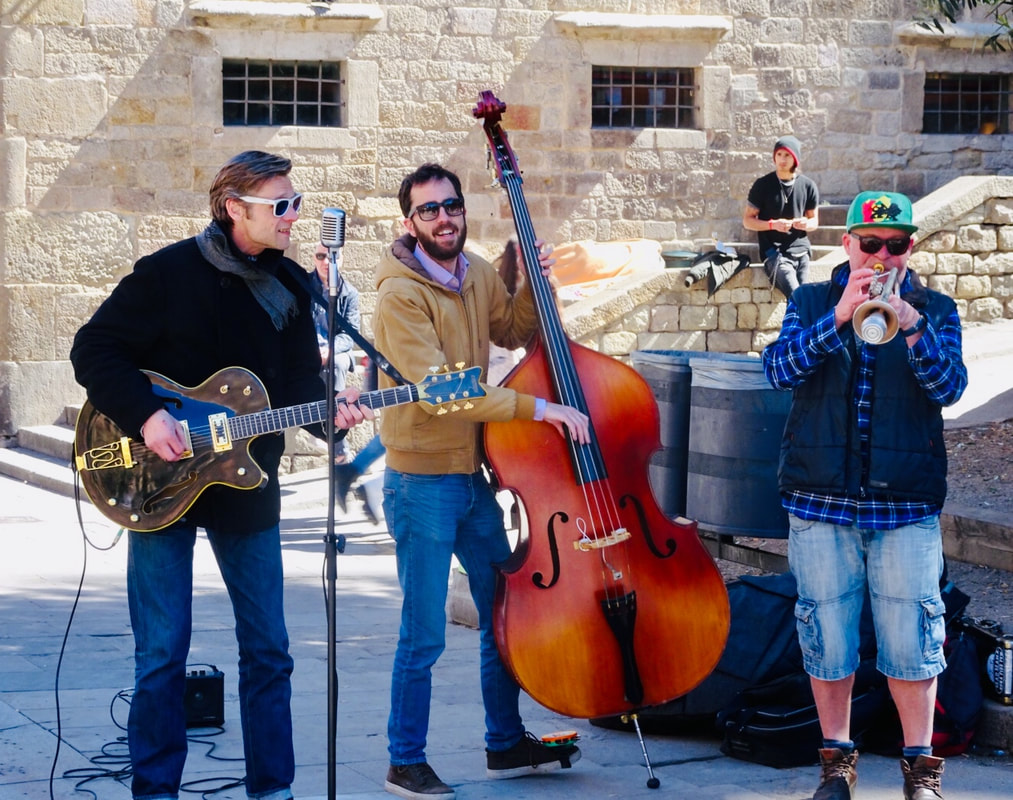
Jo and I flew straight from Bali via Qatar. It was a long haul but hassle free with Qatar Airlines. Great service if anyone is wondering. We had left our resort at Bali at around 6am and it was another 23 hours before we arrived via taxi at our apartment in Barcelona – about 10pm Spanish time. Somehow, we felt it the best idea ever to find somewhere to have a celebratory beer. And so there we were, in an English pub, in the middle of Barcelona drinking Belgian lager with 23 hours of travel behind us. Best beer ever . . .
I can’t begin to describe what a surreal feeling it was to leave our Indonesian way of life in the morning and arrive in this European city in the evening. From heat, bustling activity and beaches to centuries old stone buildings, tapas bars and relative calm. All I can say is that it’s very different here – and for now, in this cool Spring temperature, it feels perfect.
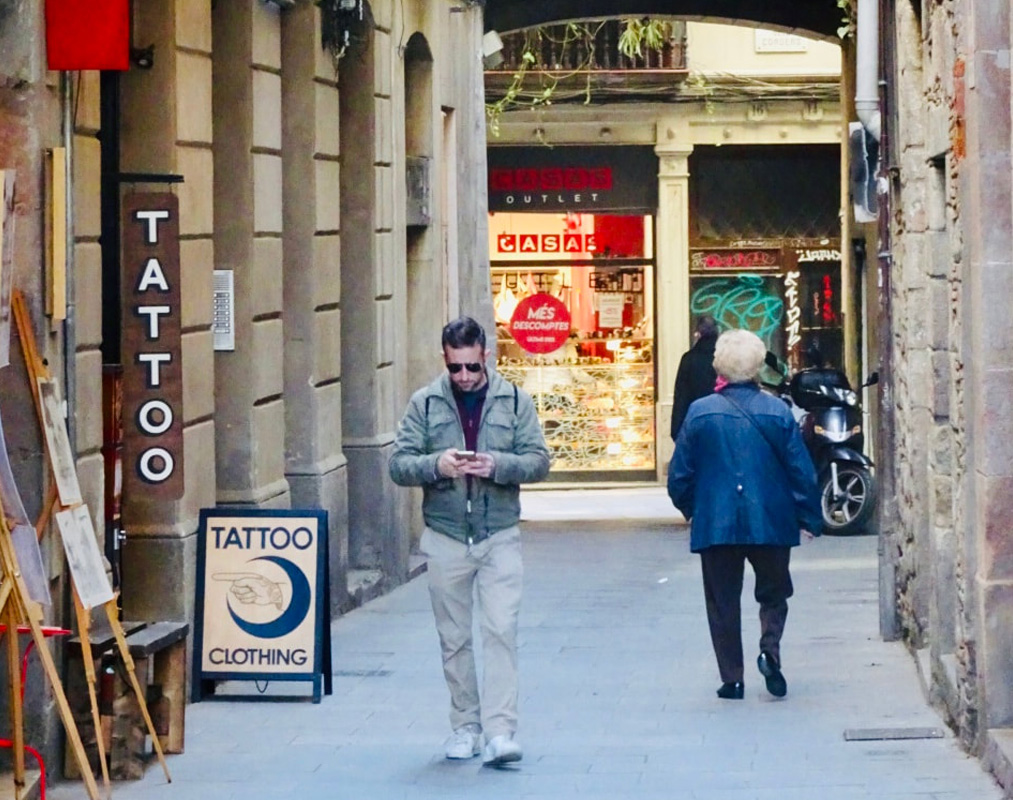
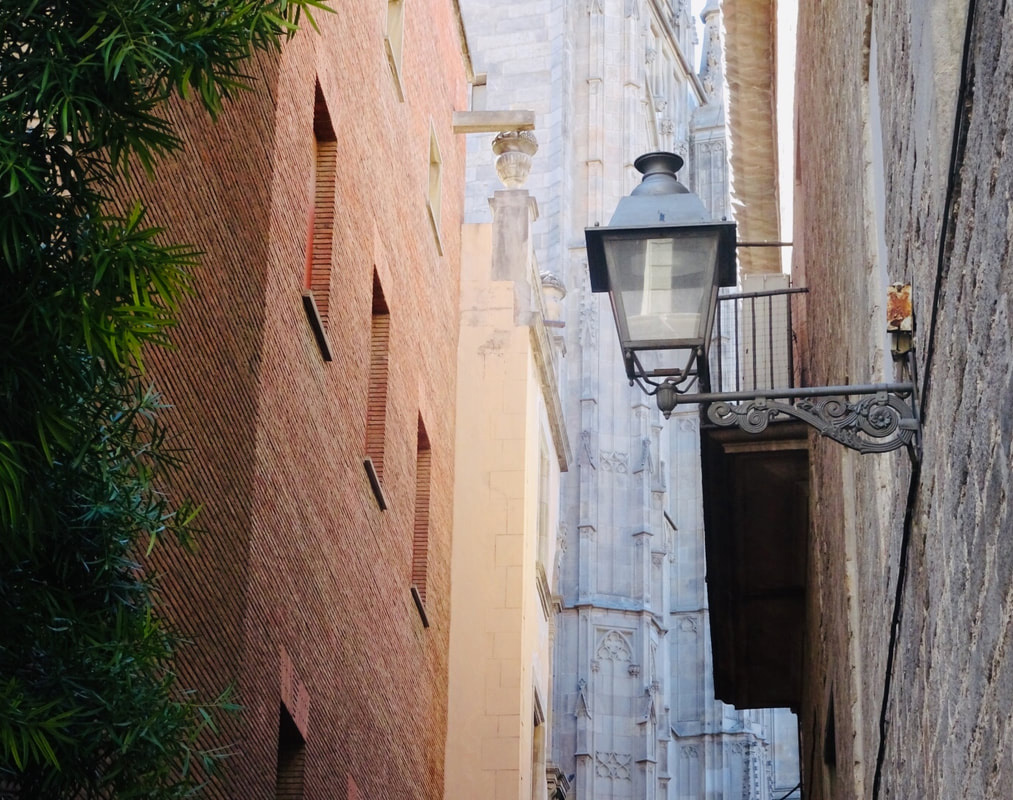
We are in El Born – first time for me and second for Jo. It’s centuries old and full of character with tapas bars and design stores everywhere. The area is made up of a virtual labyrinth of alleyways, many of which cars thankfully cannot navigate – and so is a delight to explore on foot. No chain stores to be seen.
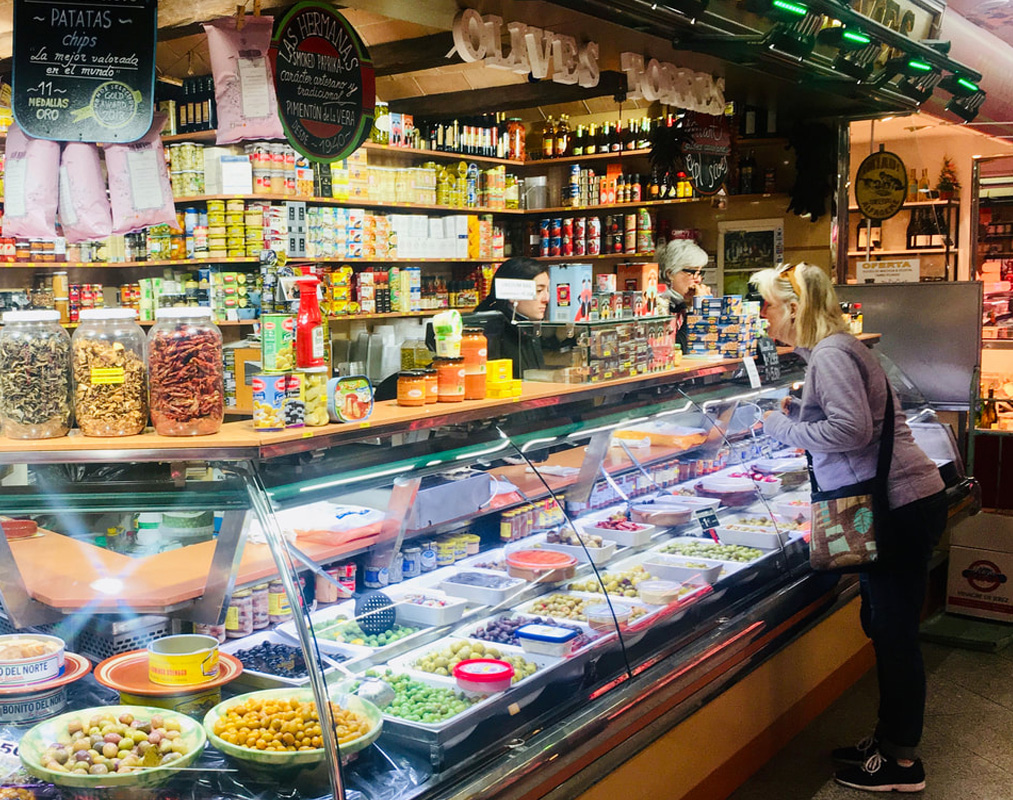
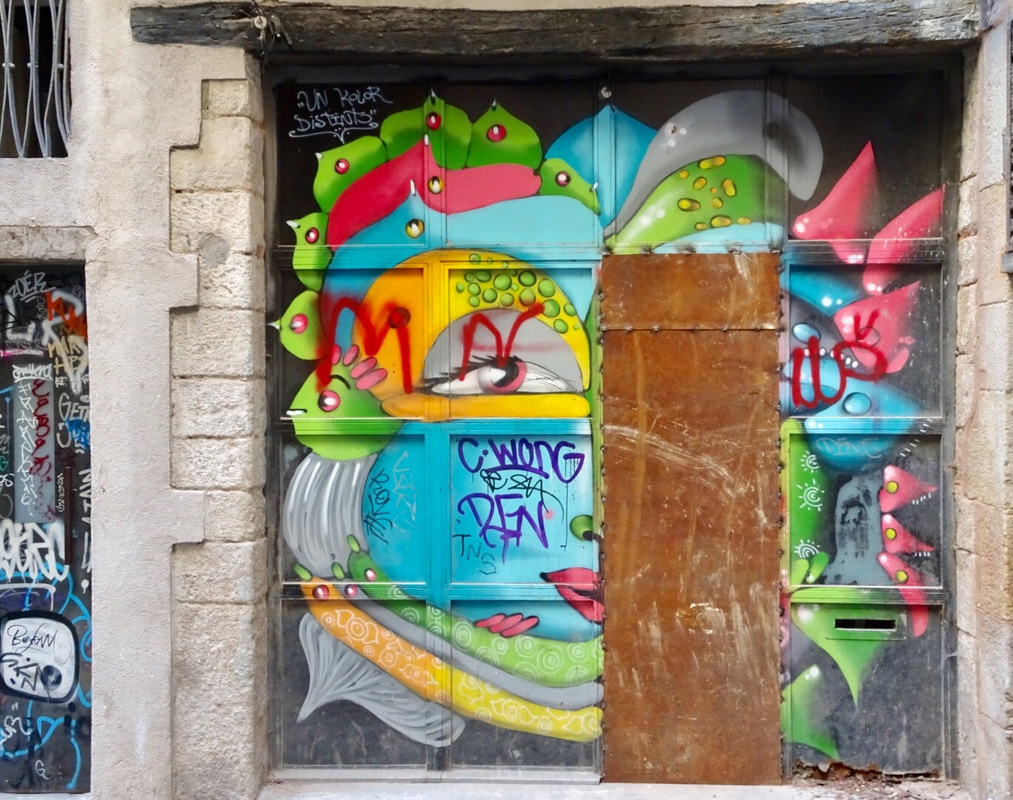
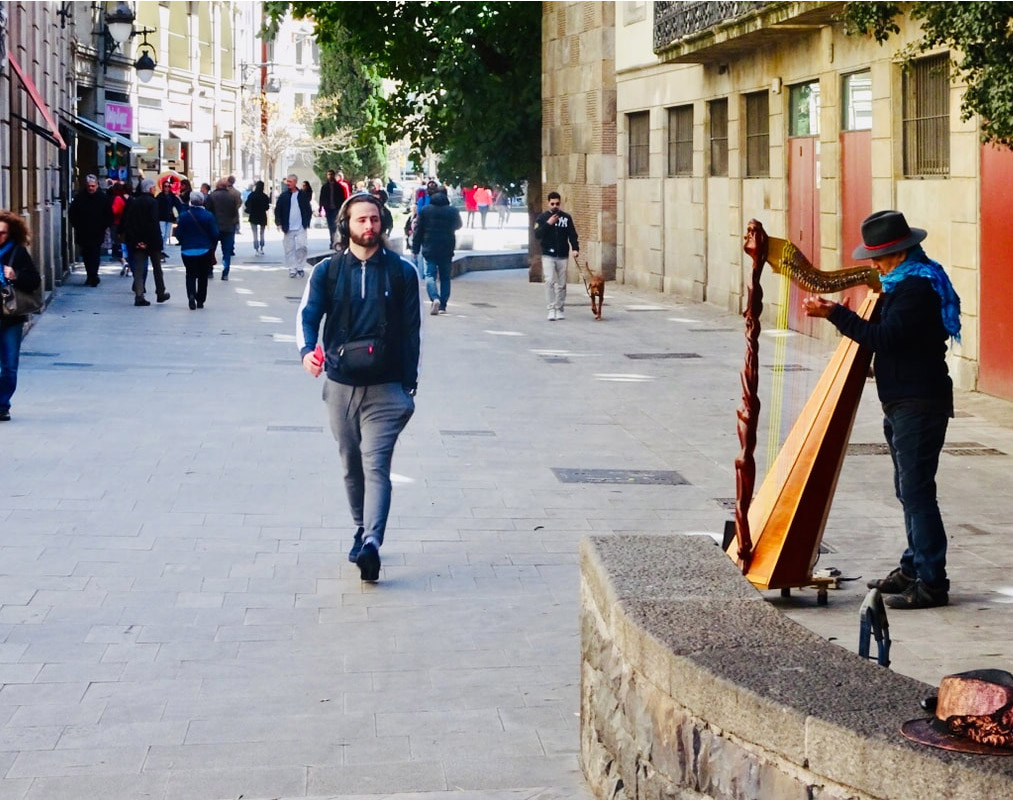
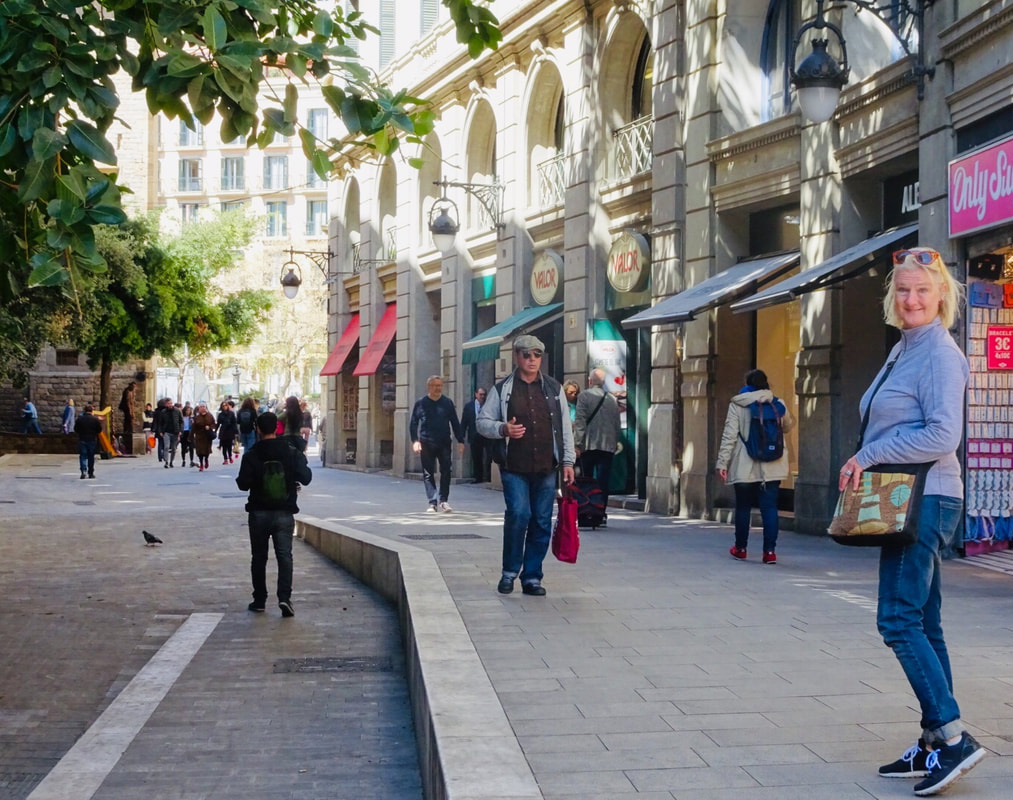
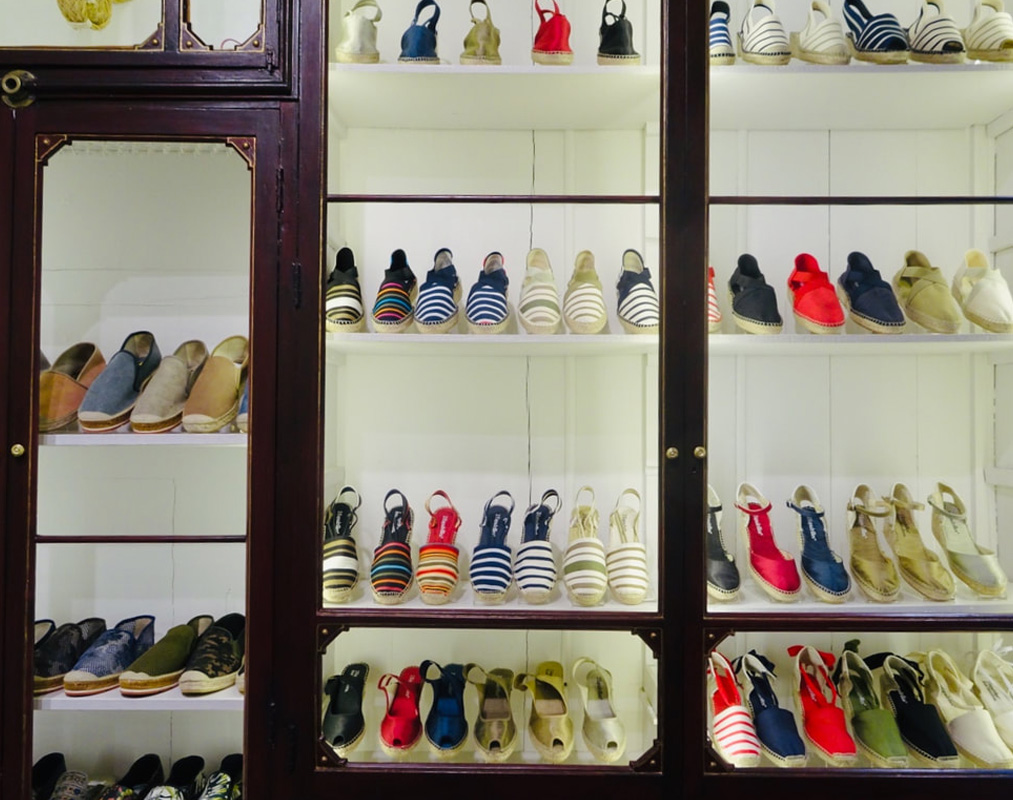
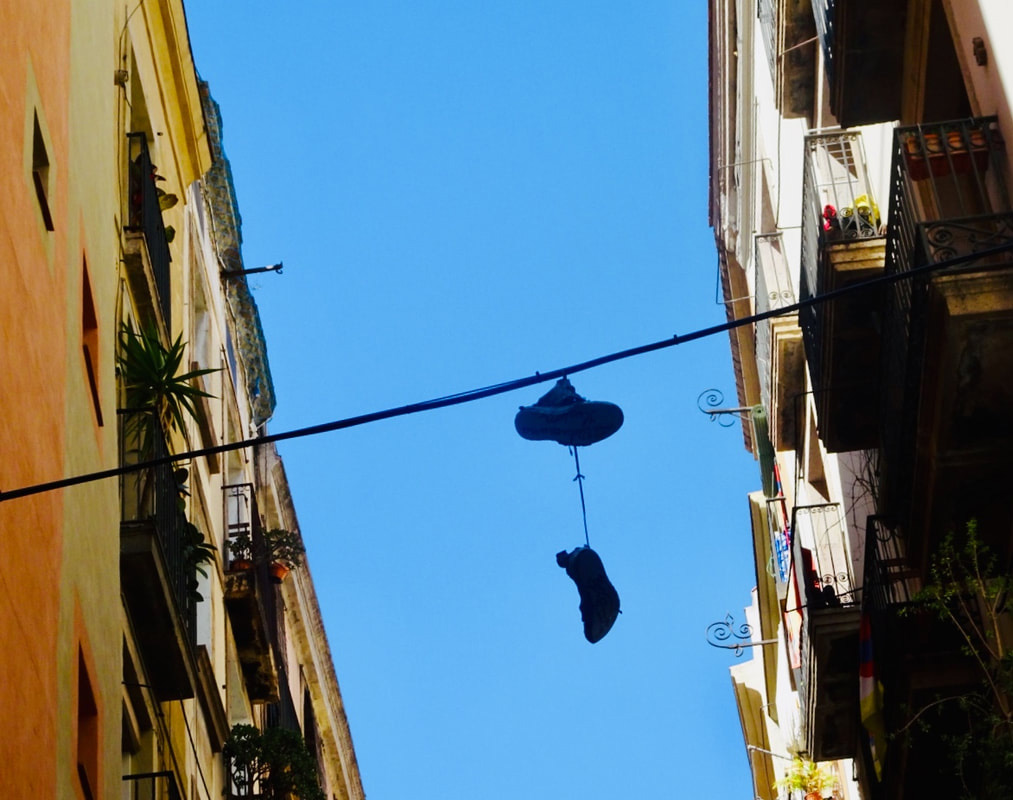
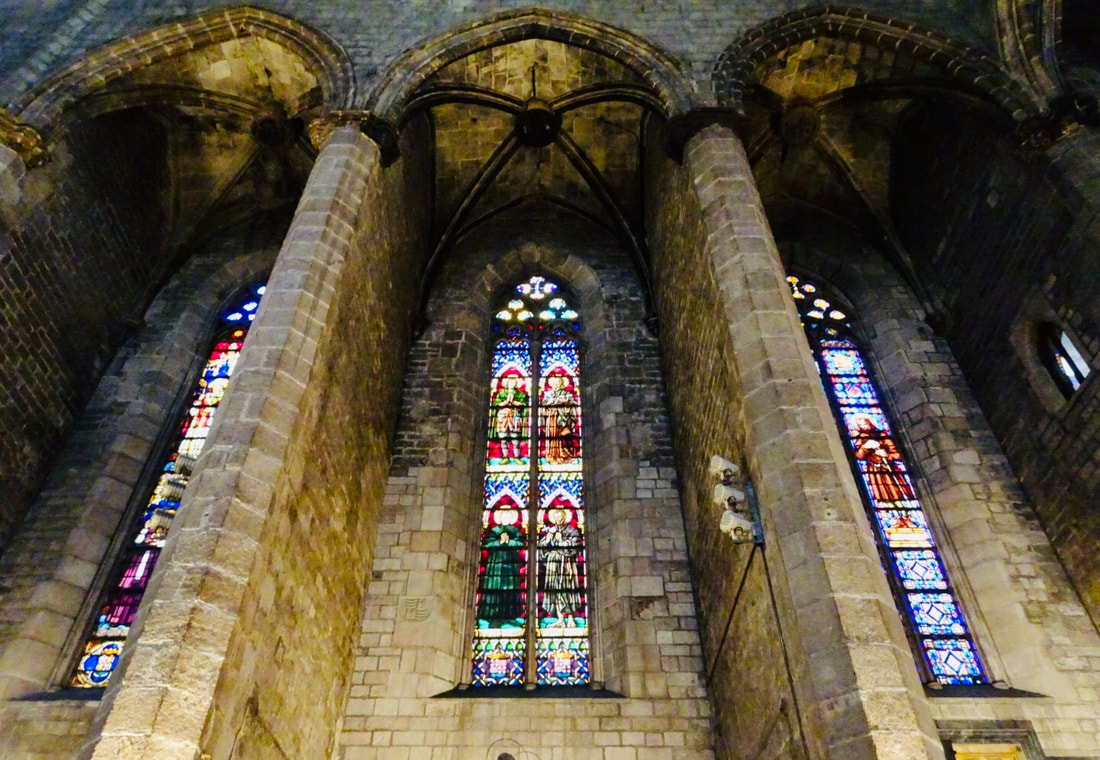
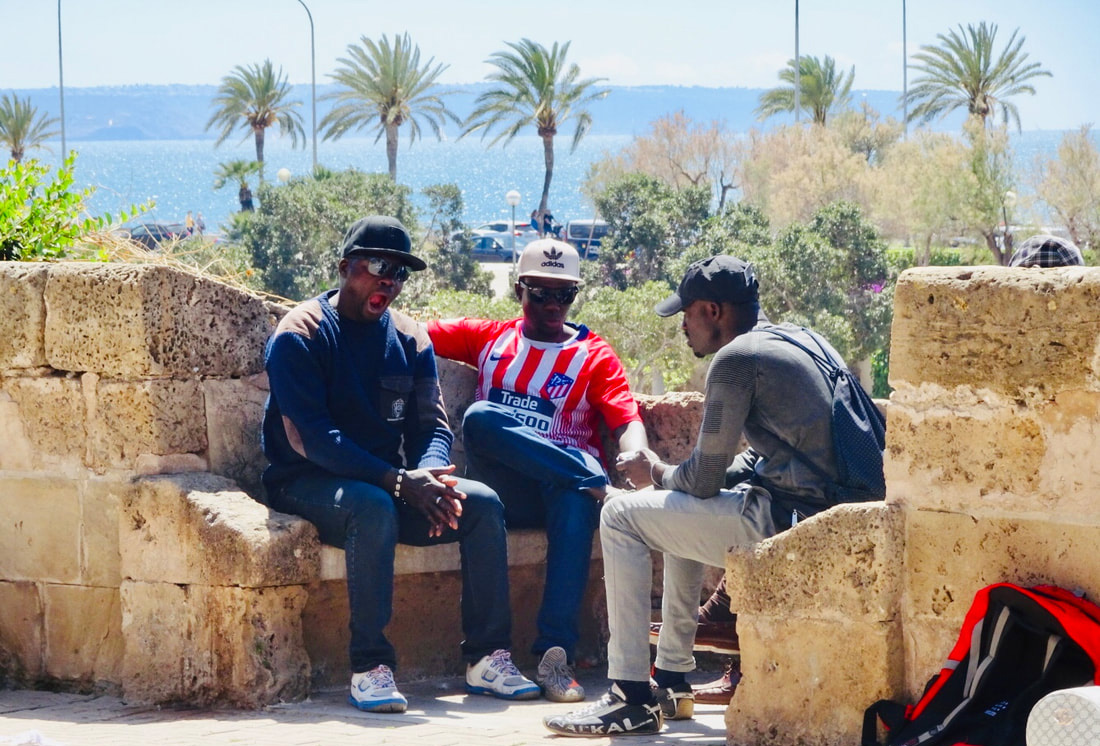
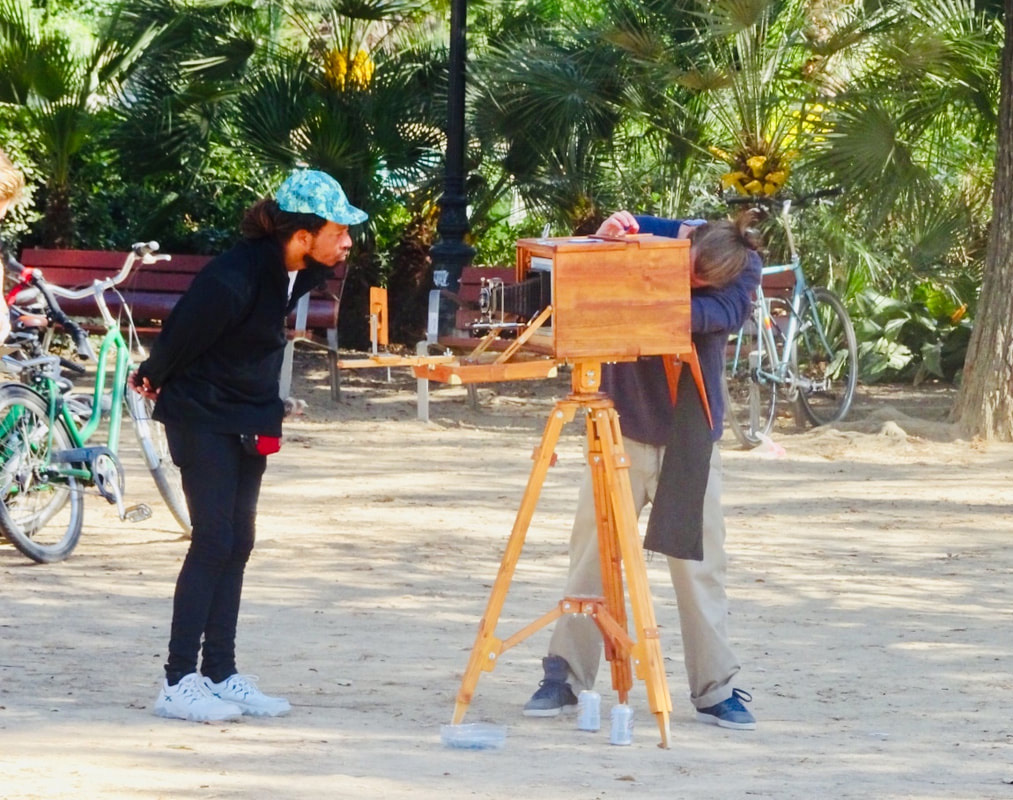
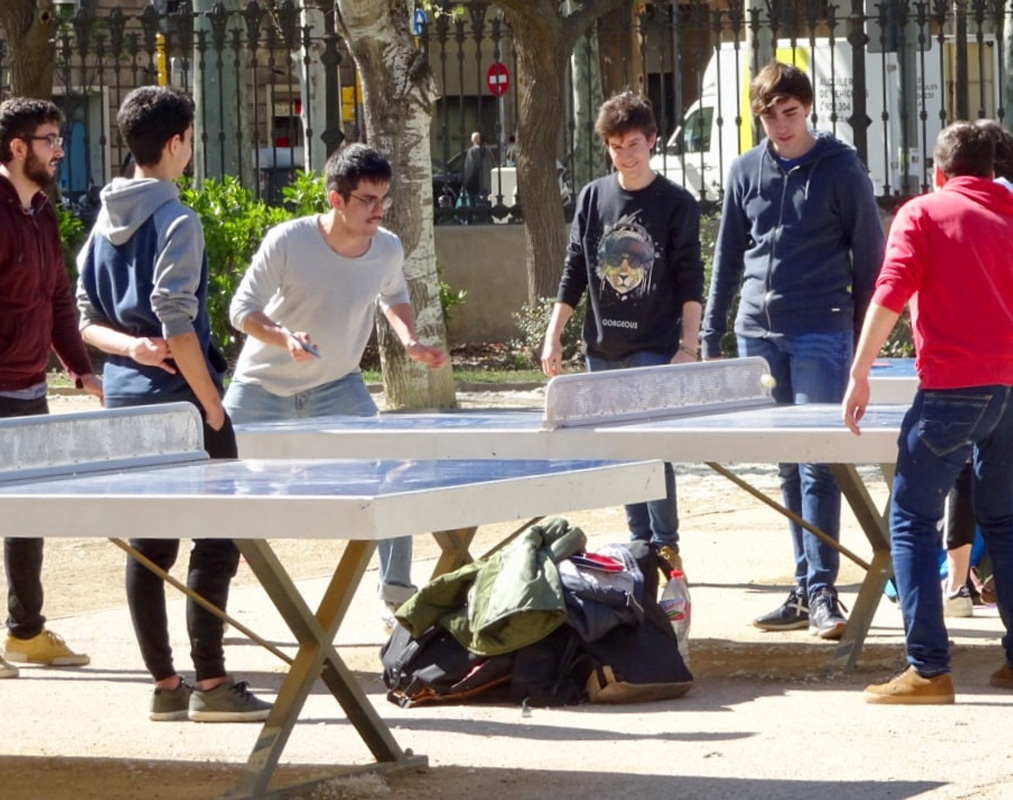
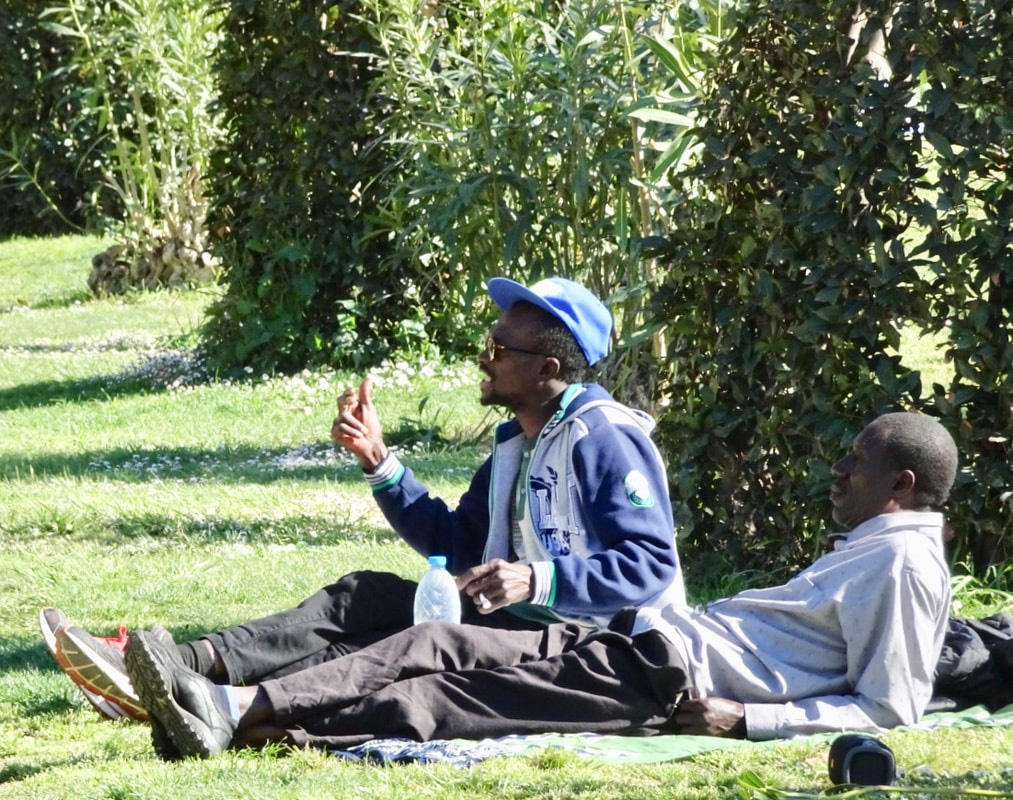
If you are in Barcelona and have exhausted your shopping, eating and museum agenda – then a visit to the Parc de la Ciutadella is well worth it. Its spacious, unpretentious and such a great people watching experience. I spotted a diverse range of Barcelona – young lovers, Africans selling street art, teens playing outdoor table-tennis, jugglers, oldies and a fair few who were just sleeping of their morning beers in the sun . . .
Next stop – a 30-minute plane trip to the Spanish Island of Mallorca.
Canggu and Bali’s battle with plastic
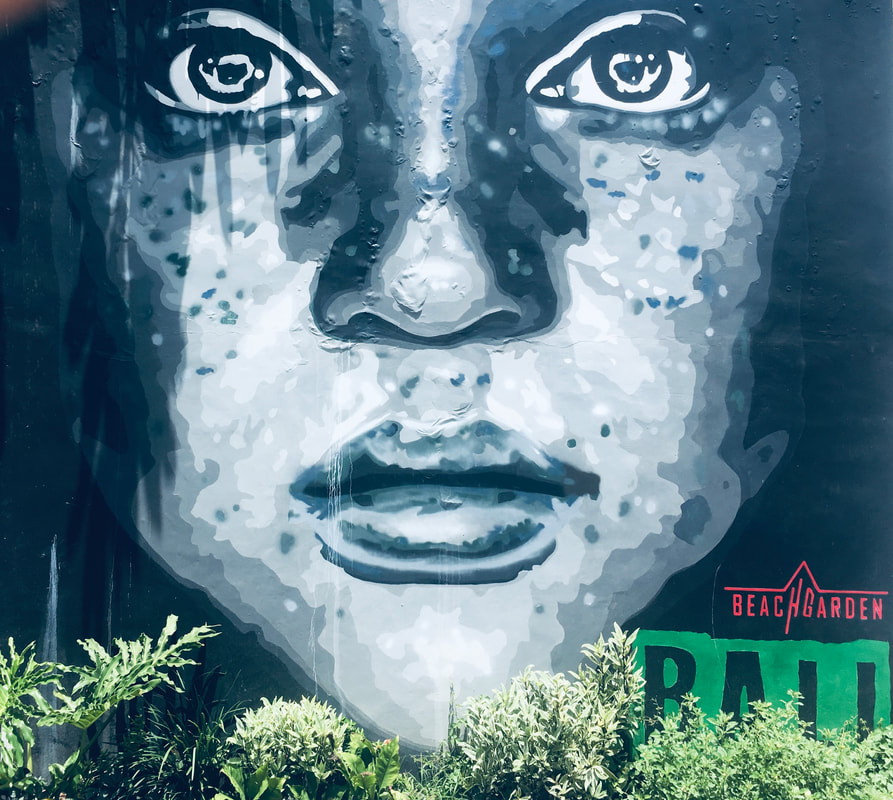
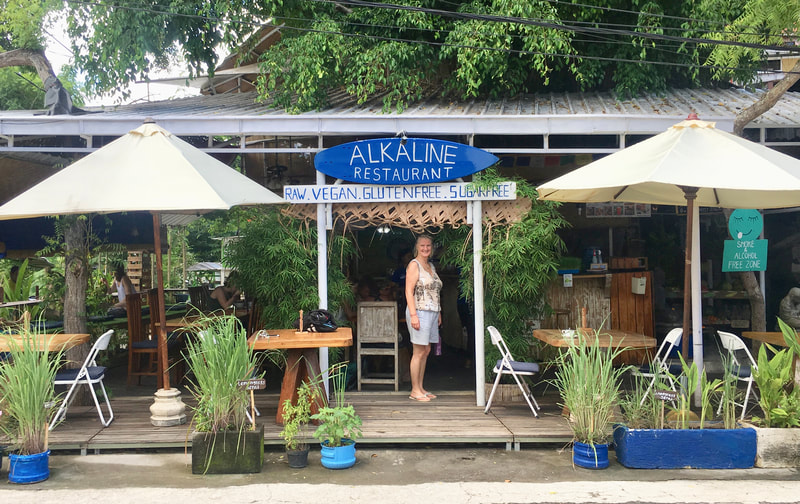
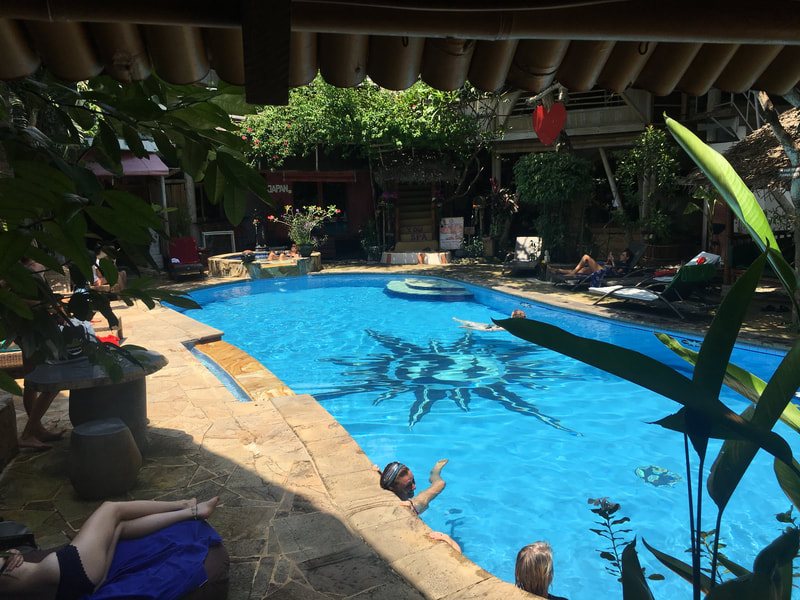
For $NZ 40 a night (25 Euros) Jolanda and I have a room at Serenity Eco Resort with ensuite, fan and air conditioning right beside the swimming pool. Breakfast also included. Guests here probably end up spending much more with the choice of eight different yoga classes every day, at $NZ 11 per class. Or there is the hugely popular Alkaline restaurant, attached to the resort, offering a massive vegan, gluten free and raw selection. The juices are amazing. If you are thinking of coming here, book ahead – its super popular.
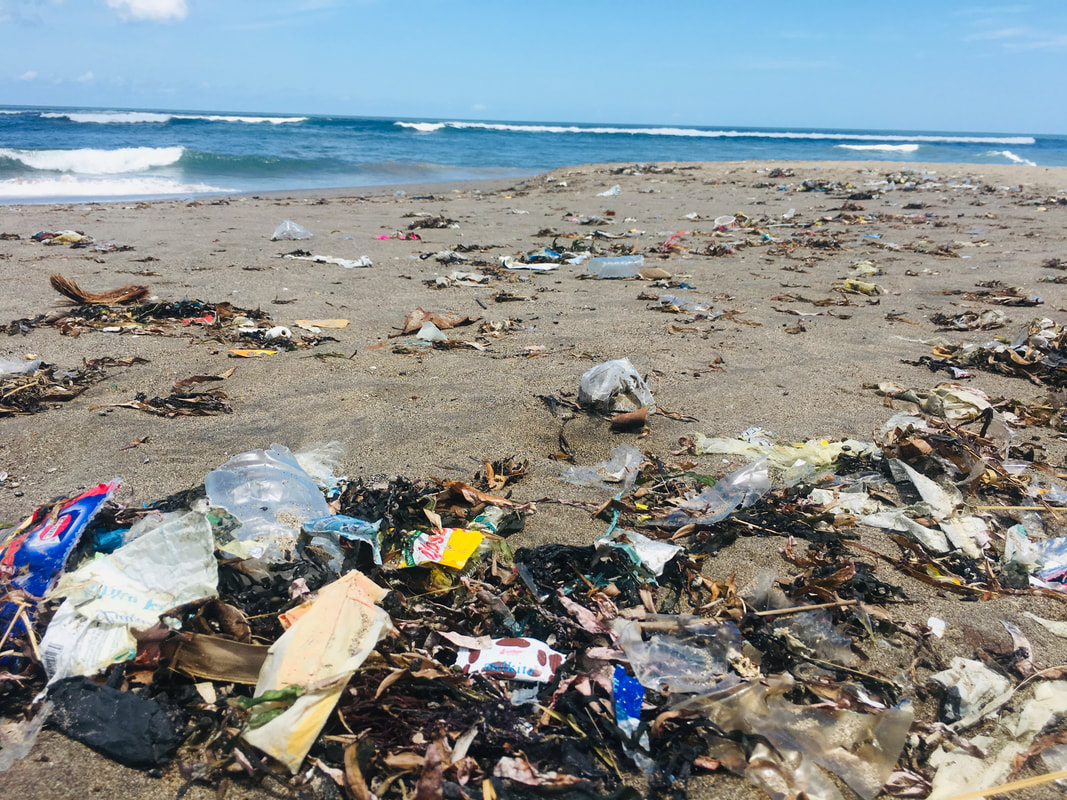
It’s beautiful here and the people, like everywhere in Bali, chilled, friendly and genuine. However, there is one negative in my view – and it’s a big one. And that is the vast amount of plastic pollution, particularly on the beaches. Perhaps it has improved marginally since our last visit, but it’s hard to tell.
By chance I spotted an article on Facebook the other day answering one of the questions I have always wondered about. Where does all the plastic in the sea come from. I know that we don’t willy-nilly chuck our rubbish in the sea and I’m pretty sure neither would the vast majority of New Zealanders. So, who does it?
The World Economic Form claims that 90% of plastic polluting our oceans comes from just ten rivers. And they are: the Yangzte, Indus, Yellow, Hai He, Ganges, Pearl, Amur, Mekong, Nile and Niger.
Eight river systems in Asia and two in Africa. If you went further to list the top twenty, four Javanese rivers would apparently qualify. The rivers reportedly had two things in common: a relatively high population living close to the river combined with a poor waste management process. Of the ten, the biggest culprit by far is apparently the Yangzte river basin, home to a staggering 500 million people. To be fair to China however, while they are the biggest polluter they are also (according to the UN Environment Programme) making major efforts to get better. Well I will believe it when I see it . . .
The amount of plastic in our oceans is, frankly, quite frightening. A 2016 report from sailor Dame Ellen McCarthur suggests that by 2050 there may be more plastic in the sea than fish. Incredible as it sounds, around 8,000,000 tonnes of plastic per year is finding its way to the ocean – equivalent to a garbage truck dumping its load every minute. In a 2018 article, published in Britain’s Daily Mail, plastic particles have been found in three out of every four deep sea fish in the North West Atlantic. That’s the stuff we eat and it’s not right.
I don’t want to be unfair on Bali. There are of course moves to do something about the problem – my personal favourite of which is the effort by two girls Melati and Isabel Wijsen who attended the Green School here in Bali. Check it out – I defy you not to be inspired by these two . . .
Off to Barcelona the day after tomorrow . . .
The awesome Shanti Toya Ashram . . .
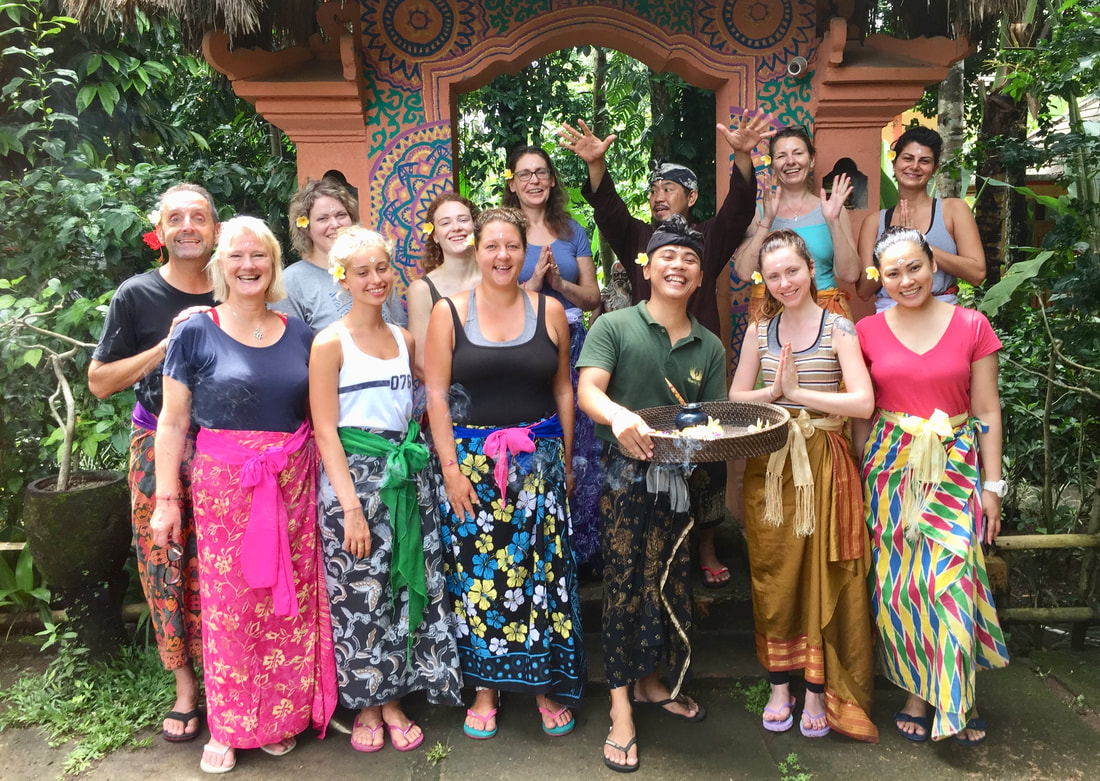
Actually, this was our second choice of yoga retreat in Bali. Back in New Zealand we originally had our eyes on another place at the top of Bali island. It looked amazing to our eager Western eyes – beautiful looking accommodation, delightful restaurant overlooking the sea and lots of great sounding yoga. Thing is though it was expensive – $3,500 for the week for the two of us.
And then came time for payment. Like so many places in Bali, they wouldn’t take credit card which meant I instead had to a transfer direct to their Indonesian bank account. Well long story short, the payment failed to go through. I had had a nagging doubt in the first place about this particular retreat in Bali’s north and so after some discussion Jolanda and I decided not to go ahead but instead to come to Shanti Toya on the outskirts of Ubud, at a price around 25% of that which thankfully failed to go through the Indonesian banking system.
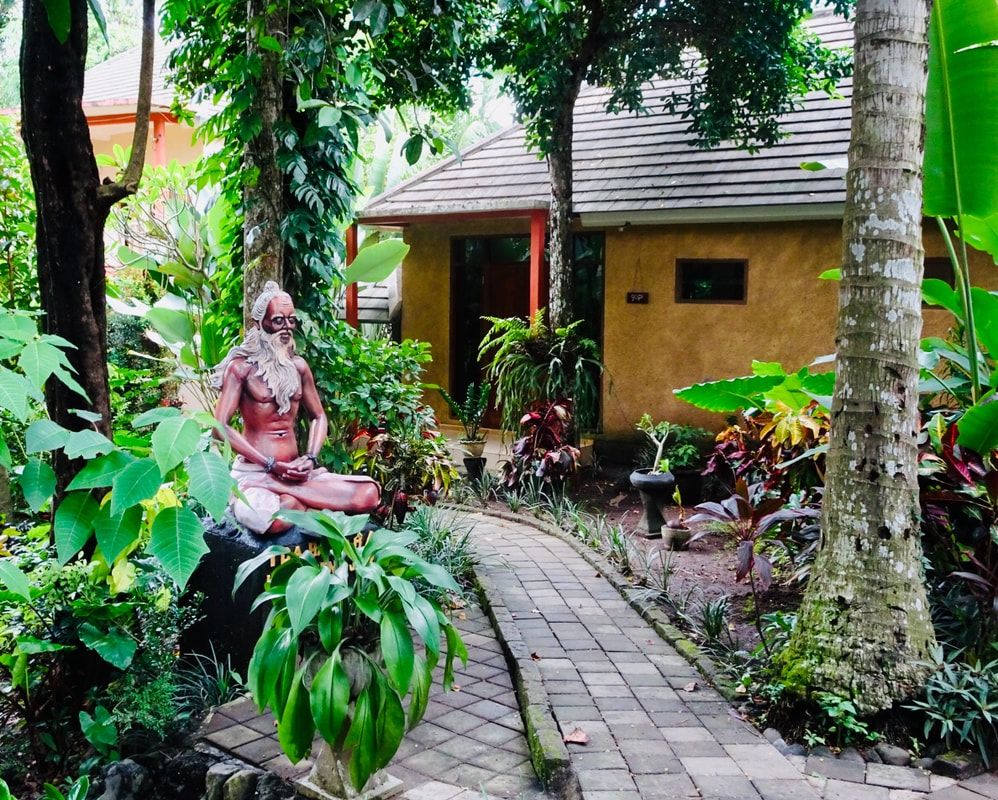
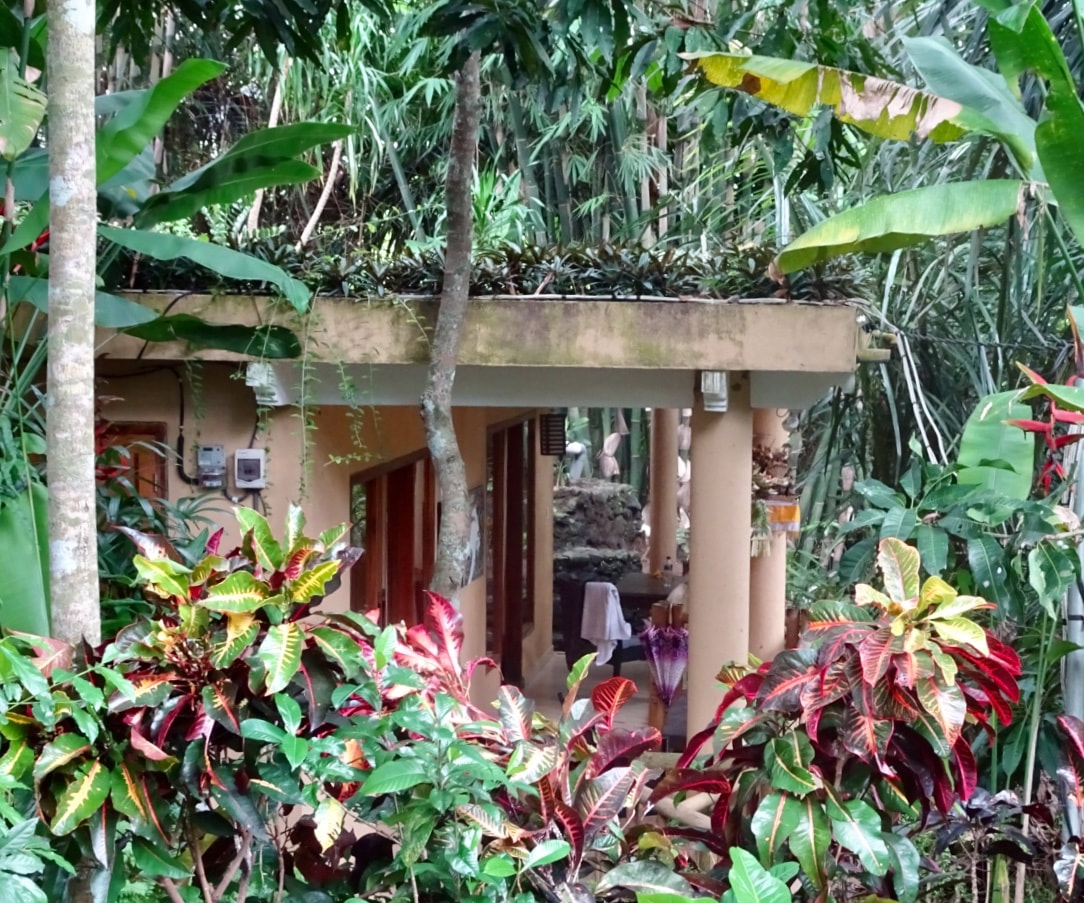
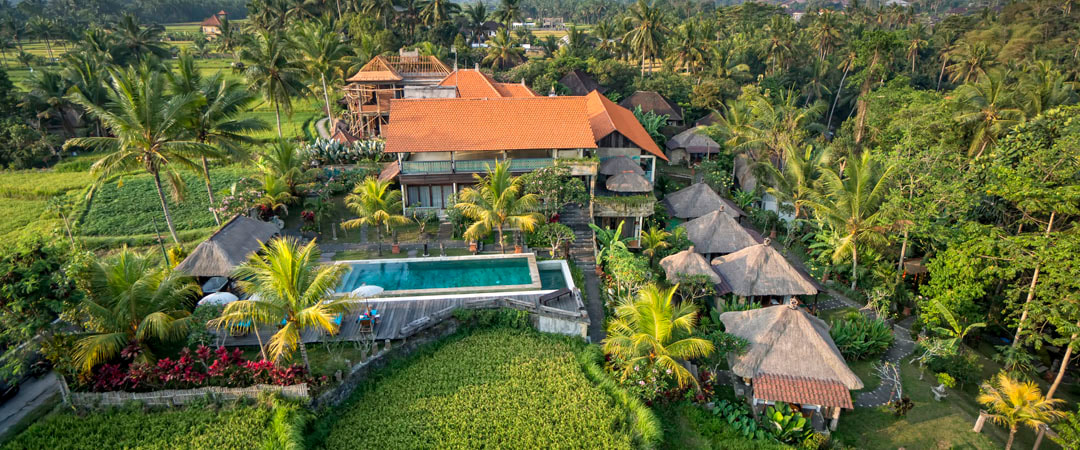
Which just goes to show how sometimes the world just wants to tell you something. In the middle of nature, Shanti Toya is glorious. It’s most certainly not pretentious – more old-world charm (perhaps a bit crumbly and decayed in some parts) and ultimately authentic. From the top of the property there is an administration block with a restaurant sitting on the top with views of the surrounding rice paddies – serving non stop vegetarian food which just tastes divine. The villas then descend down the path to the river, each one different and slightly quirky, with the yoga shala sitting atop the bottom-most villa, open to the surrounding bush and with the sound of the river running past. At the very end of the property is a grand old swimming pool, resplendent with a few cracks and fed by a natural spring.
All in all, it just goes to show that, in Bali anyway, authenticness is very rarely determined by price alone.
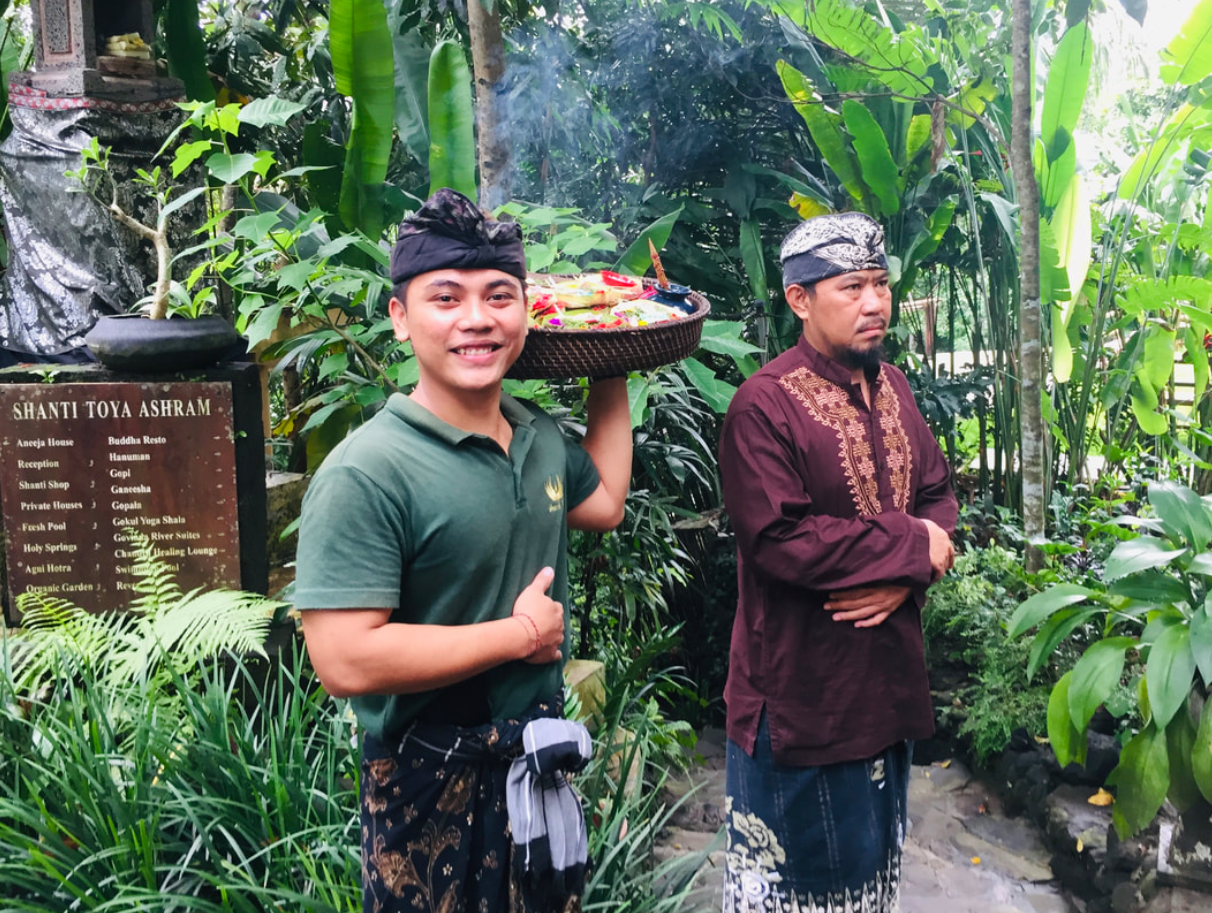
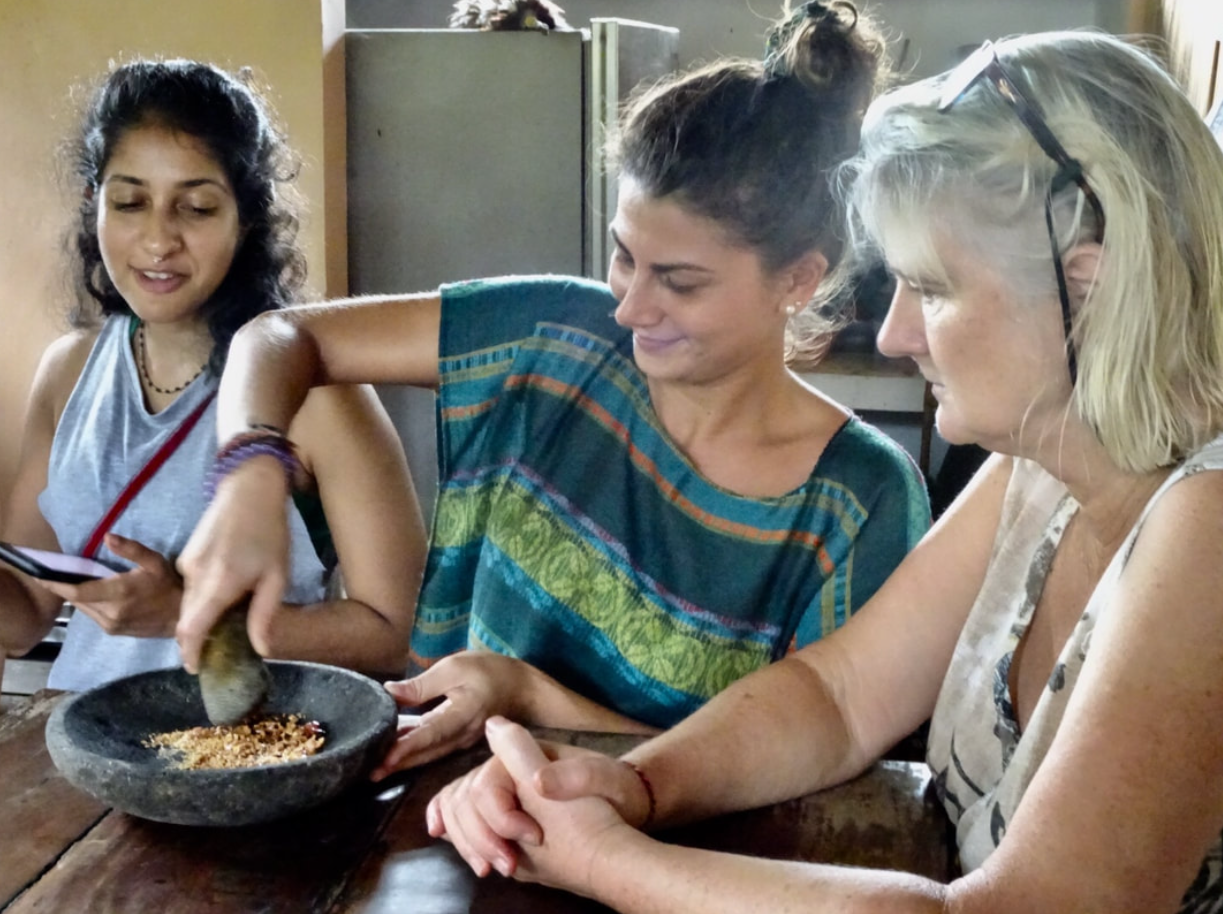
So much about travelling is the people you meet, and I think that yoga really does attract the most interesting, varied and laid back people. In no particular order there is Oena from Romania and living in London, Madhu from India living in Singapore, Amy from Pennsylvania living in China, Valeria from Italy living in Holland, two Lauras from London, Mika and her daughter Clara from Surrey, Marieke from Holland, Jessie from the Philippines and Krishna from India. Krishna and I are the only blokes by the way. Such a nice group of people to connect with, share life stories that mean something – and of course laugh a lot about shit.
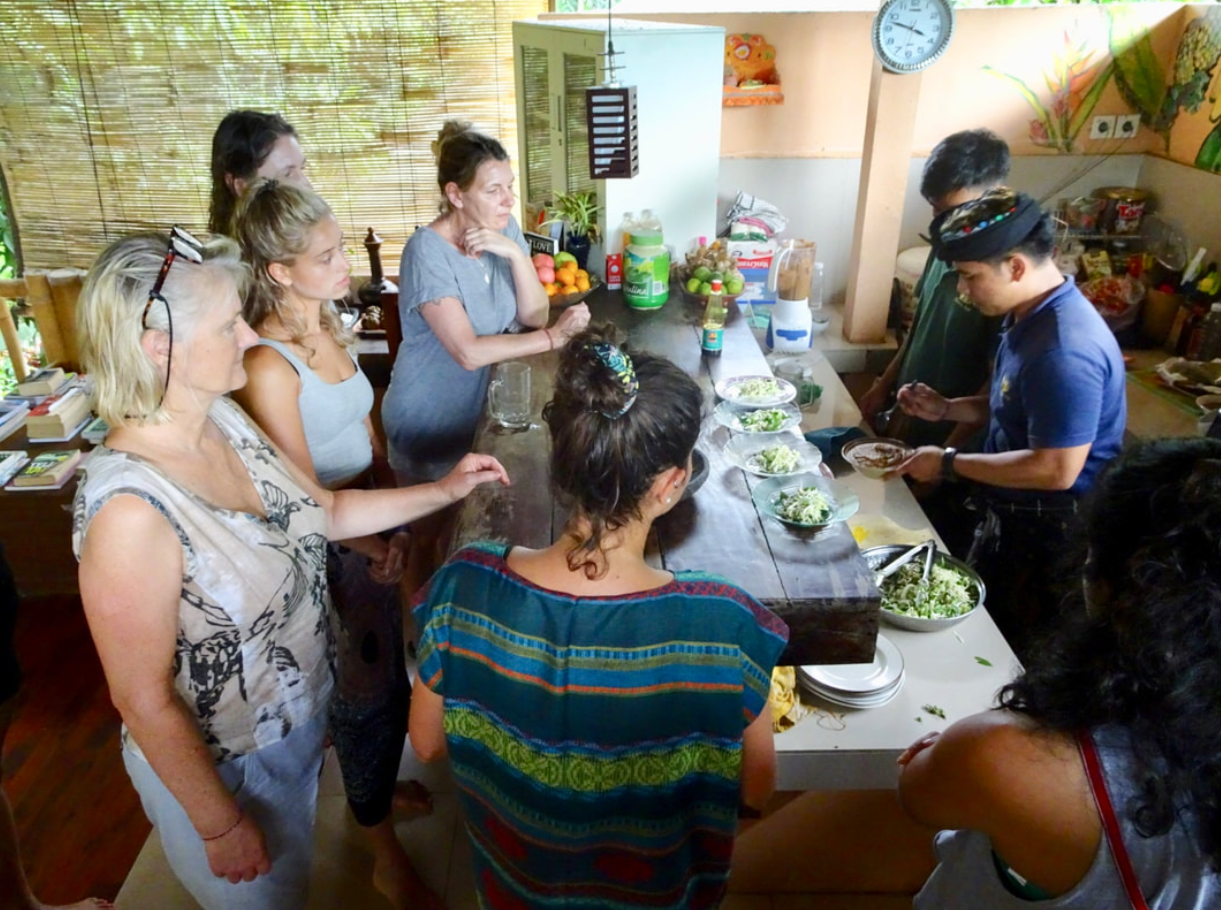
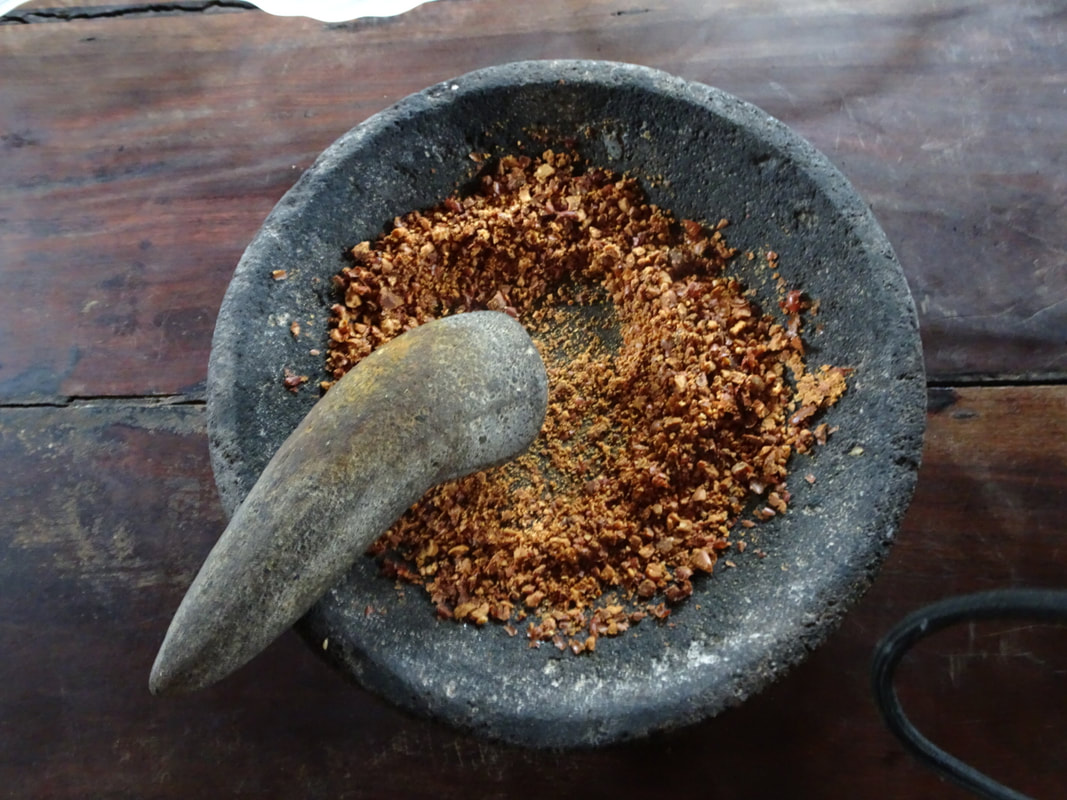
Tomorrow Jolanda and I head off again for Canggu on Bali’s south coast for four nights before departing for Spain . .
Ubud and the Fair Warung Bale

We have stayed before at Ubud Sari. It has an ideal location – around 200m up a relatively quiet street from the supreme busyness of Ubud’s main thoroughfare Jl Raya Ubud. All in all, its very good value for money. The grounds are beautiful and the buildings authentic Balinese, however if I was being critical, I would have to say it’s getting a little tired. Eating at the restaurant will make you feel virtuous courtesy of its uber healthy menu, but it’s soulless. And so, it wasn’t long before I was champing at the bit to eat out.
It’s a small restaurant, ten or so tables, on the first floor with views over the street. The food is great, the staff friendly and there was some decent 80’s music playing . . . But what is really unique about the Fair Warung Bale is that all profits are used to provide free healthcare for Balinese people who otherwise couldn’t afford it. By buying one meal you are providing healthcare to two people in need. Three probably if you throw in dessert. The medical centres funded by all those meals have apparently treated thousands of people. They have even funded the construction of a new children’s hospital, opened in 2018.
The Fair Future Foundation, the organisation behind the restaurant, was set up by a Swiss man called Alexandre Wettstein who seems to be one of those people that sees something wrong with the world and actually does something about it. Malnutrition has long been a problem in Indonesia, particularly in children. According to the World Food Programme, Indonesia has the fifth-highest number of stunted children in the world with more than nine and a half million children under five described as malnourished.
We spent some time perusing the various newsletters and articles that are available in the restaurant. Mr Wettstein doesn’t mince his words when describing the incidence and impacts of poor health on the local population, and also doesn’t hold back imploring us relatively wealthy and “overweight” tourists (obviously not taking Jolanda and my trim physiques into account) to chip in with some money to help. Which of course we duly did.

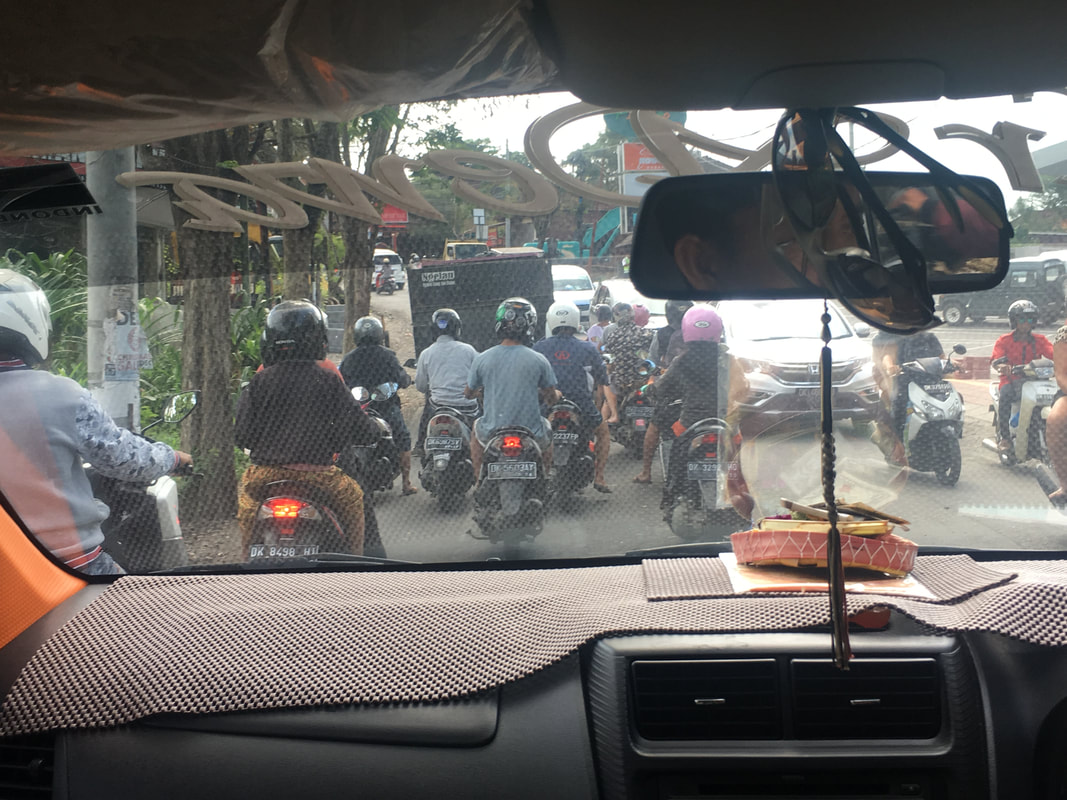
Like elsewhere in Bali, there seems to be little in the way of public transport and you are left thinking how many cars, bikes and petrol fumes could be taken off the road if there were a fleet of electric buses servicing the main streets. And if you are one of the many pedestrians that have chosen to ignore the honking of the ever enthusiastic taxi drivers you are forced to share a footpath roughly 12 inches in diameter – and that is when there aren’t gaping holes or a motorbike taking a cheeky shortcut.
Now I know I am being a bit moany, but for goodness sakes, where is the Government in all of this. Since Julia Roberts portrayal of Elizabeth Gilbert in “Eat Pray Love”, Ubud has exploded. What was once a string of smaller villages has now become a congested jungle of shops, restaurants and up-market yoga retreats. It’s simply bursting at the seams with tourist numbers projected to keep on growing and therefore placing even more pressure on infrastructure that just can’t cope. Something has to change . . .
A sobering beginning . . .
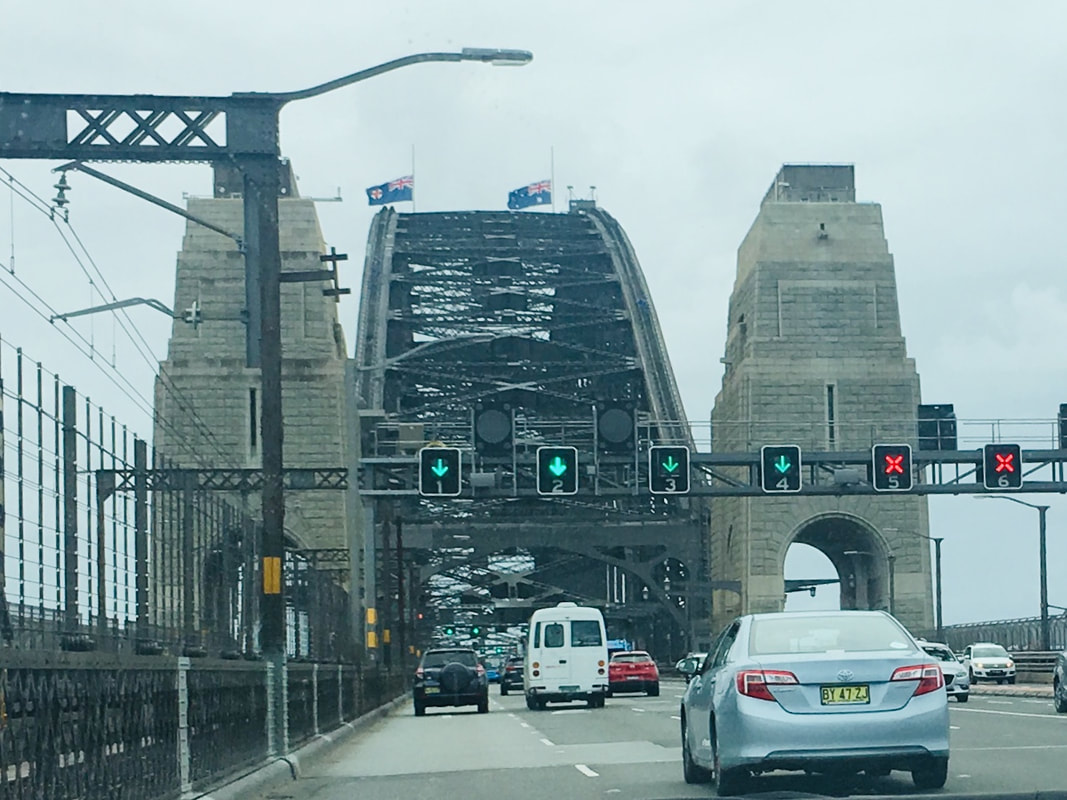
Logging back in at Sydney airport three and a half hours later to learn 49 people had been killed and many more injured. We didn’t know what to say. And what could you possibly say that could make any sense of such a sickening act of cruel violence – perpetrated against people in the peaceful act of prayer in a country where they should have felt safe.

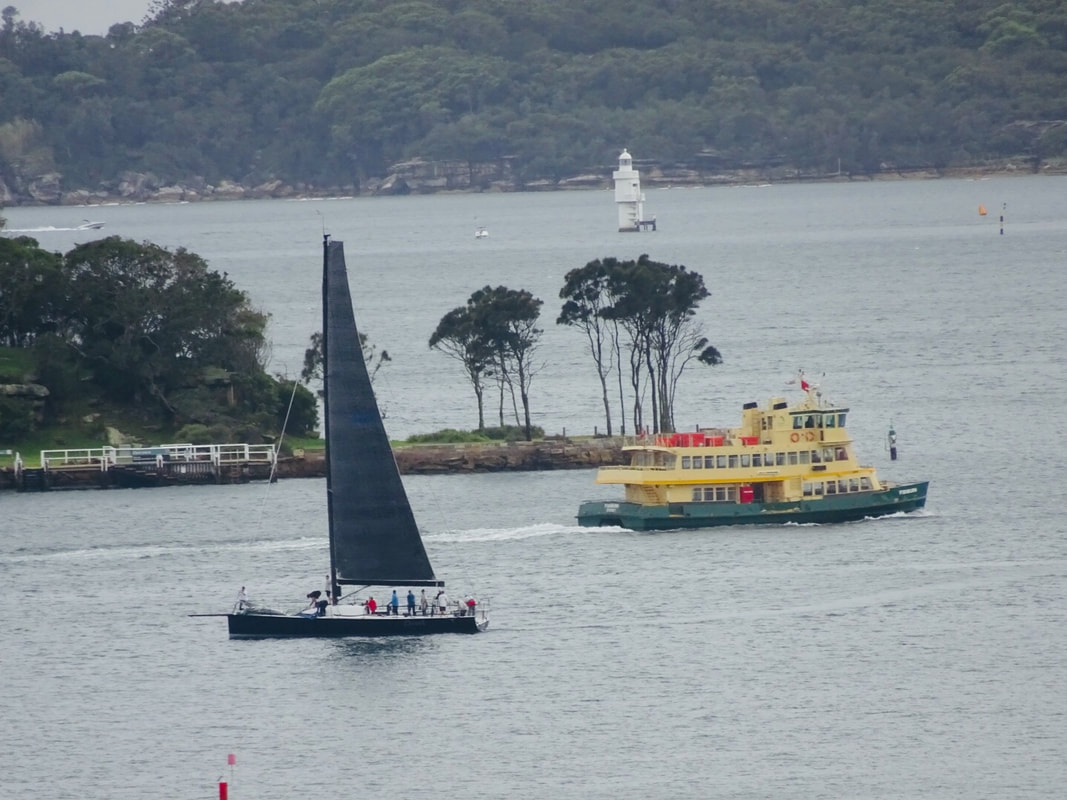
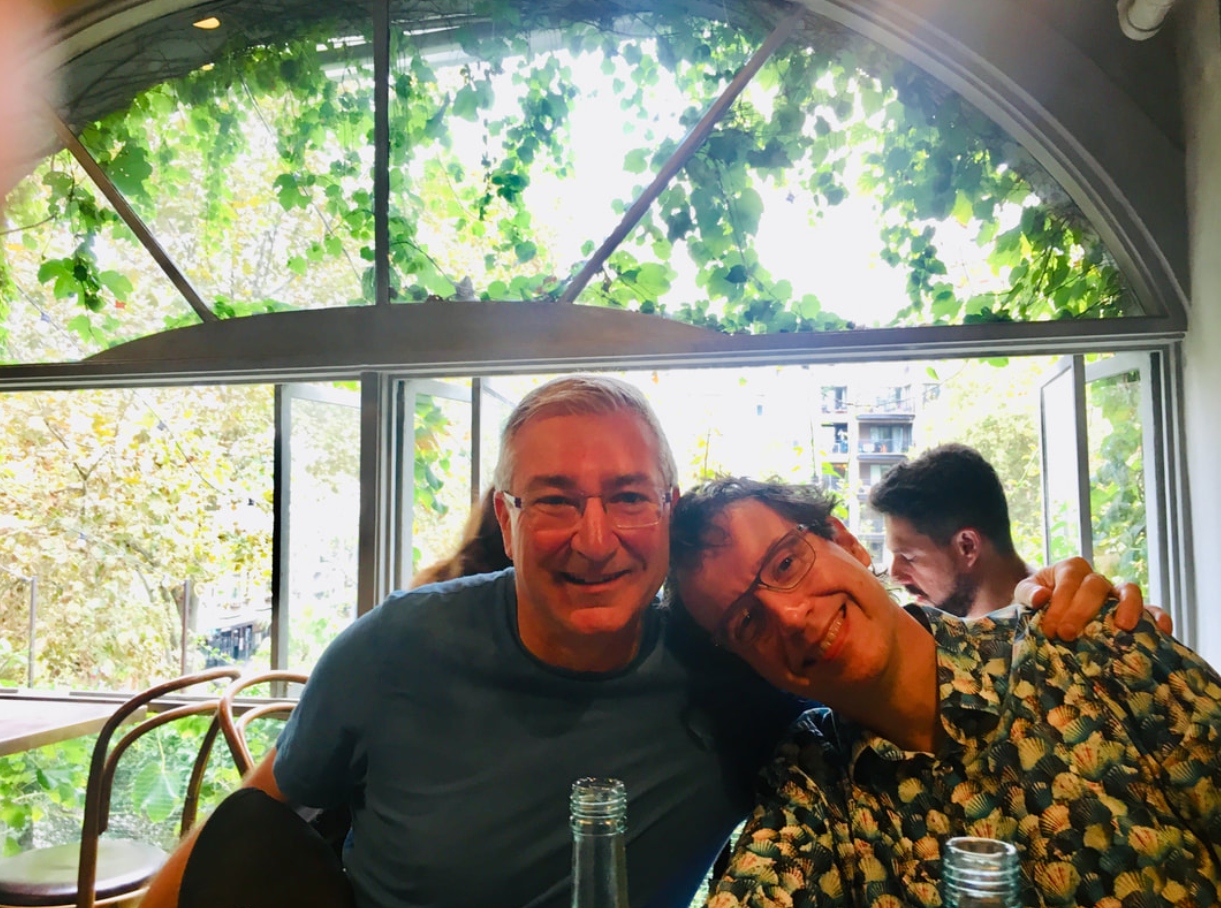
Our old friend Terry and his partner Tim are based in Sydney – our first chosen stop. I have worked with and had a close friendship with Terry for around fifteen years. We tackled energy efficiency in New Zealand for the first few years before Terry moved off and focused more on Appreciative Inquiry – a concept which basically forces you to confront what you are good at and do more of it. Anyway, after several invitations to just come on over to Sydney for a visit we finally said yes. Funny isn’t it – how things just seem to get in the way of spending time with friends. Why is that?
Terry and Tim live in Elizabeth Bay with an awesome view of Sydney harbour. The apartment building dates back to the 1950s – and so it’s full of character. Walk out of the main door and you are on MacLeay Street in Potts Point (more on Mr McLeay later), full of trendy restaurants, bars and shops. It’s an affluent area and beautiful, but I wonder how much of a community the place engenders. Hardly any families to be seen – it’s not a place for kids I suspect.
I decided to adopt an attitude of just saying “yes” to stuff when Jo and I travelled for most of 2017. And so, when Tim and Terry suggested a day’s trip to a place we had never heard of, Dangar Island on the Hawkesbury River, of course it was an affirmative. Just do it. For those who don’t know (including us of course), Dangar island is about an hour’s commute north of Sydney’s CBD with a population of around 300 and zero cars. Yes, you read that right – not one car on the island (oh except for a ute which belongs to the council and an electric buggy which is communal and carries heavier loads from the ferry).
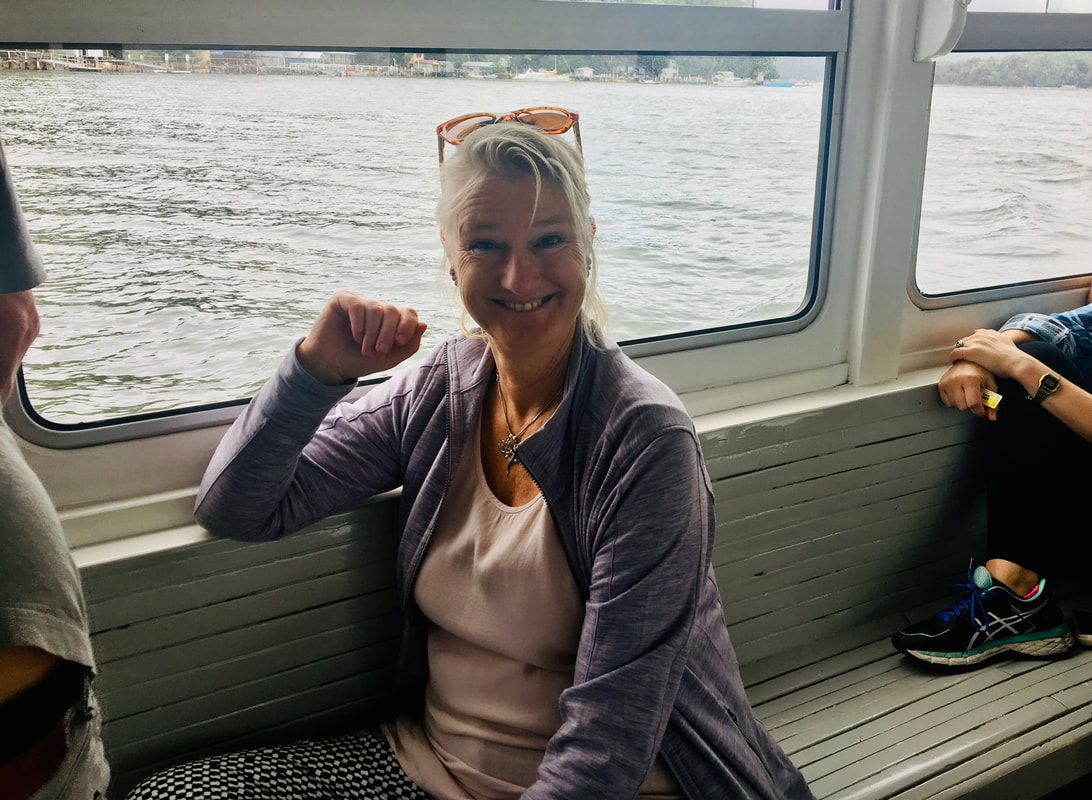
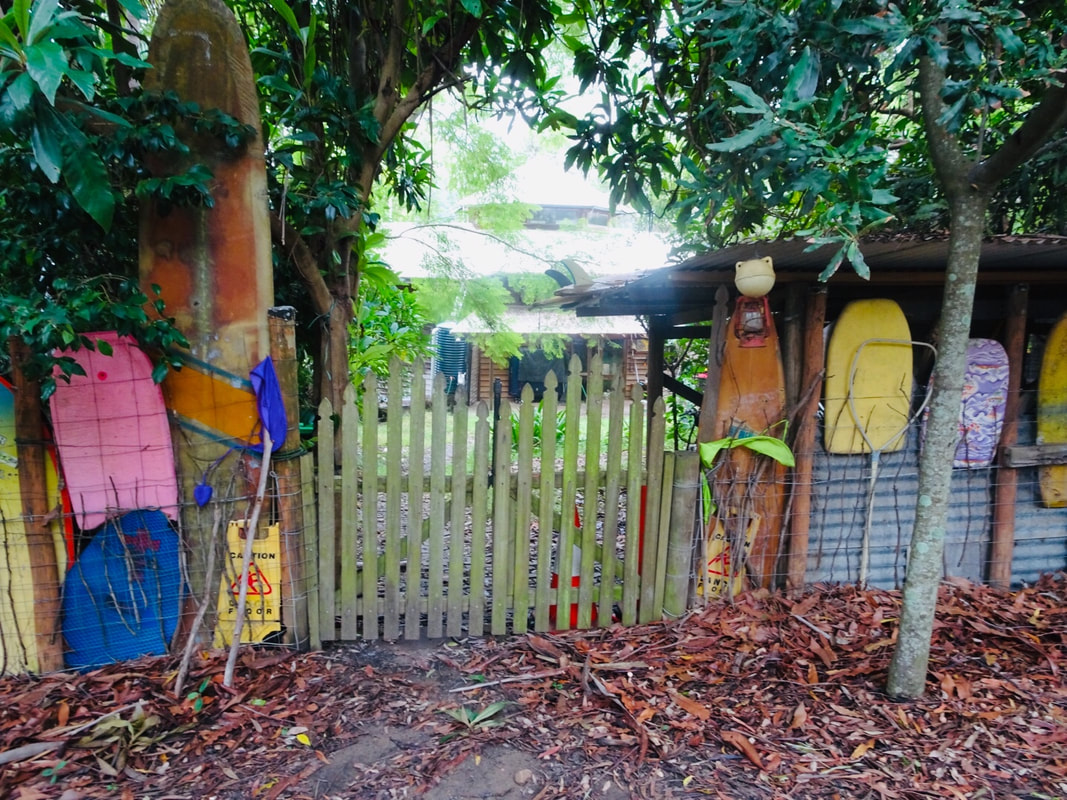
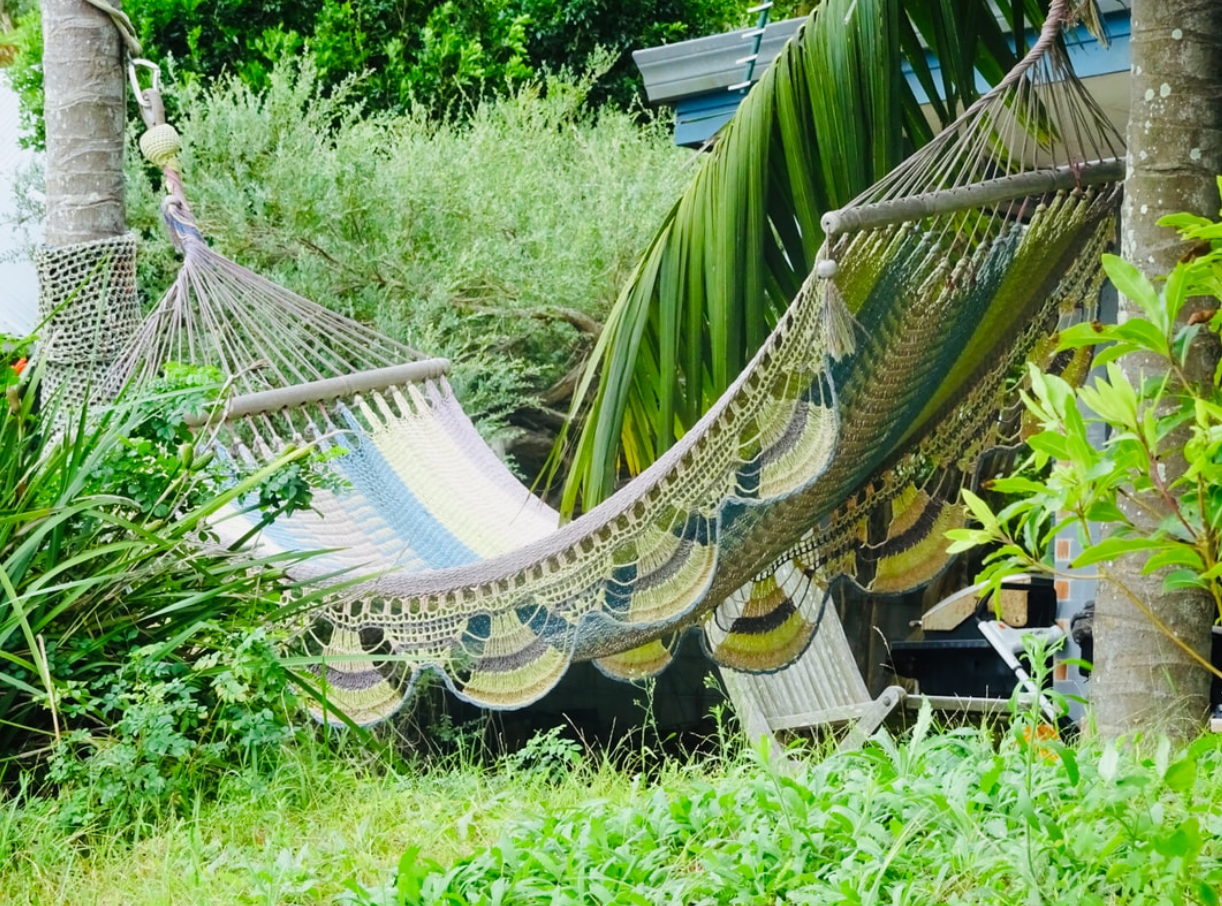
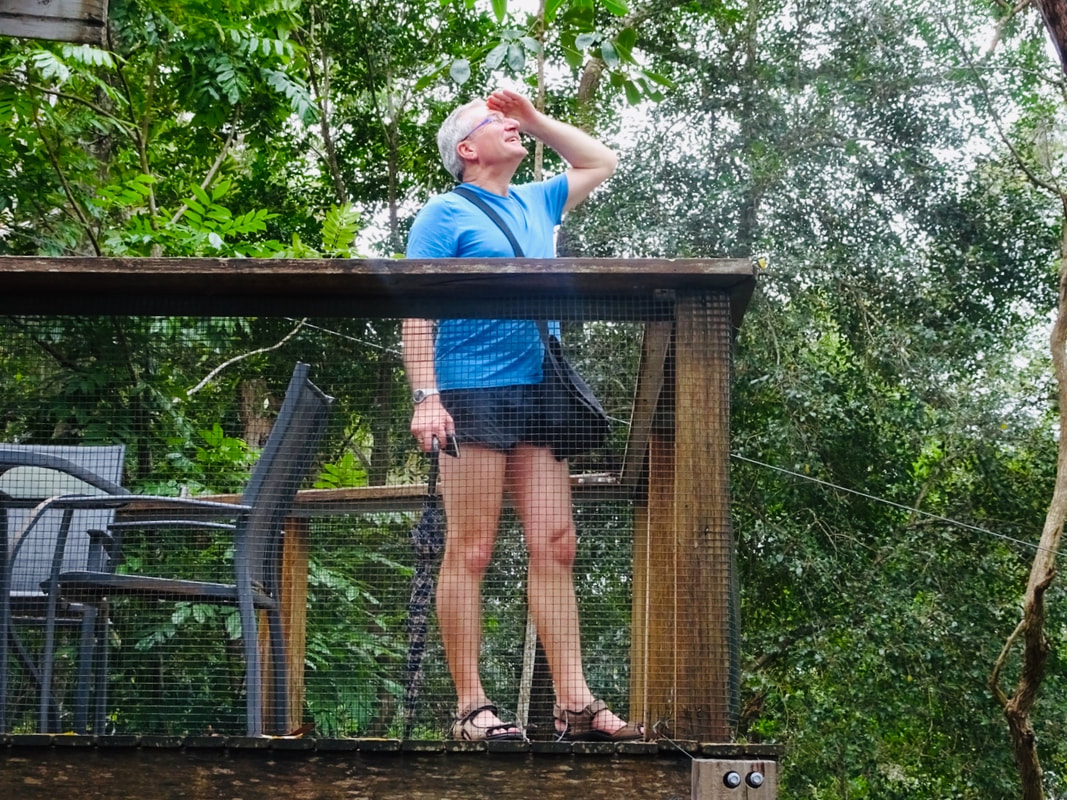
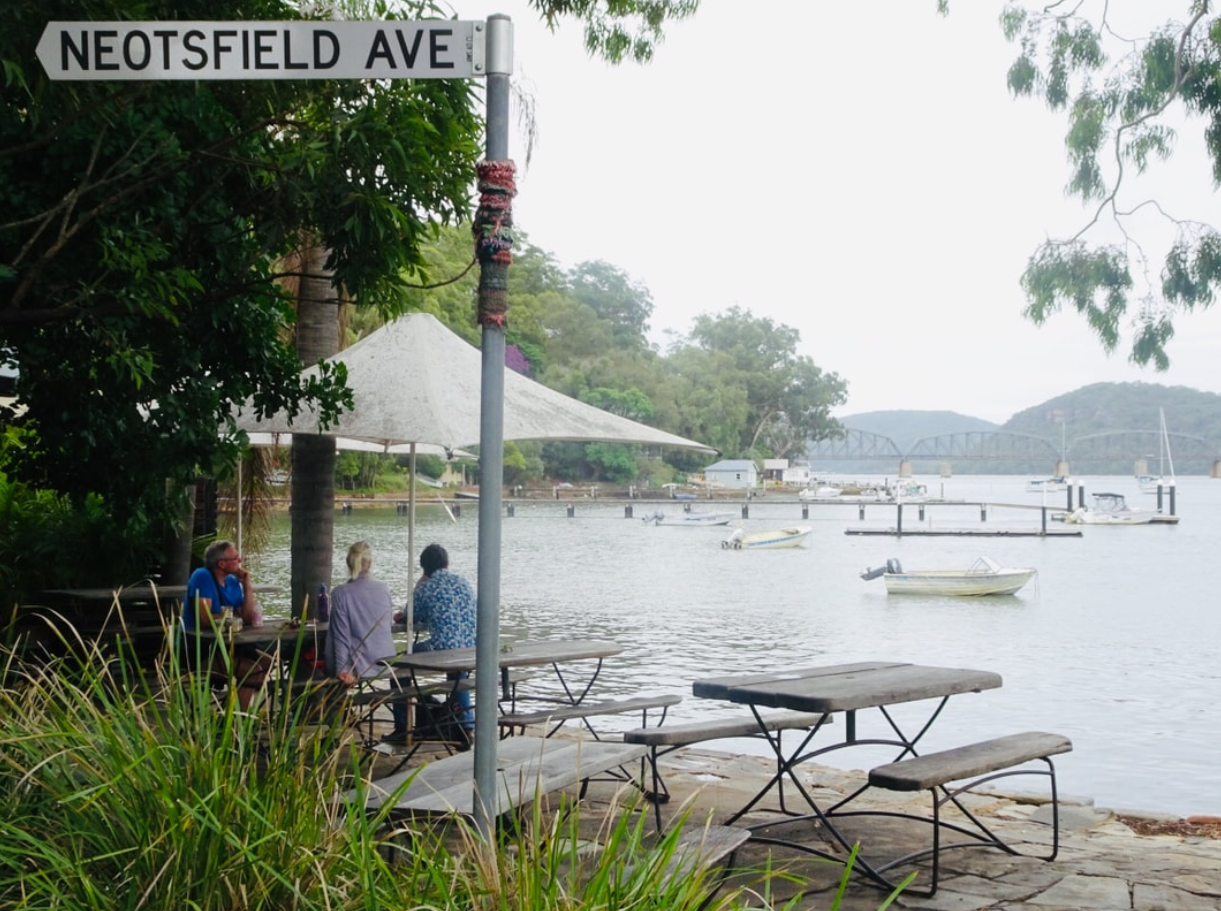
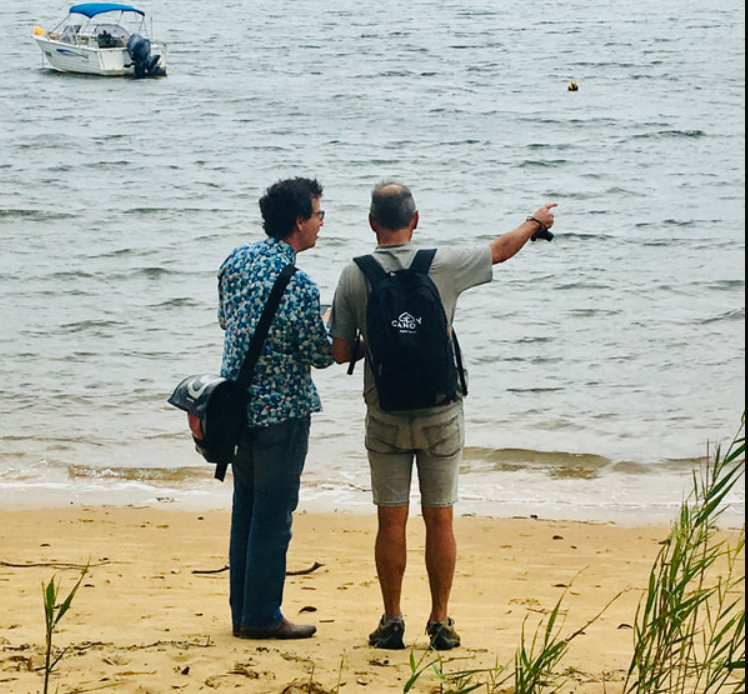
Walking around the island (all 29 hectares of it) we passed communal vegetable gardens, chatted with the locals, walked along the beach and passed various art installations. Terry has had an idea of buying a place on the Island and so we rocked up to a property for sale – nobody there which of course was an open invitation to go and take a look. It was awesome, right in the bush with views through the trees of the water. The place is on several levels – bedroom wing with its own deck, main living area plus another two decks. And then last but not least a separate studio at the very top. Beautifully simple, cosy and unpretentious at a price you would never see in Sydney. I can’t think of a better place for a weekender to escape Sydney’s bustle, join an alternative community of people and luxuriate in the stillness of nature . . .
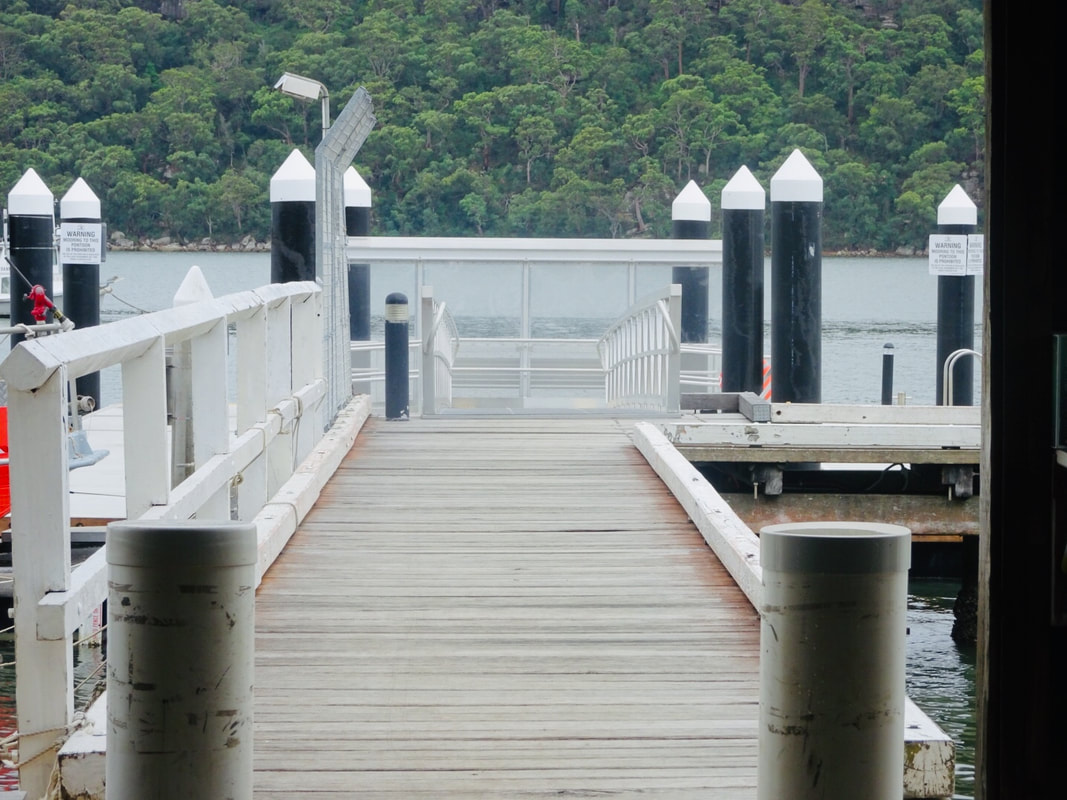
The house was built and first owned by Alexander McLeay, who held the position of New South Wales Colonial Secretary. As could only happen in early colonial days, in 1826 McLeay was granted 22 hectares (almost as big as Danga Island) in Elizabeth Bay. If you still owned that and wanted to sell it today, you would be probably be a multi trillionaire. The house he built was probably impressive for the time, but to be honest I felt it was sort of ho-hum. Terry wanted to paint it purple.
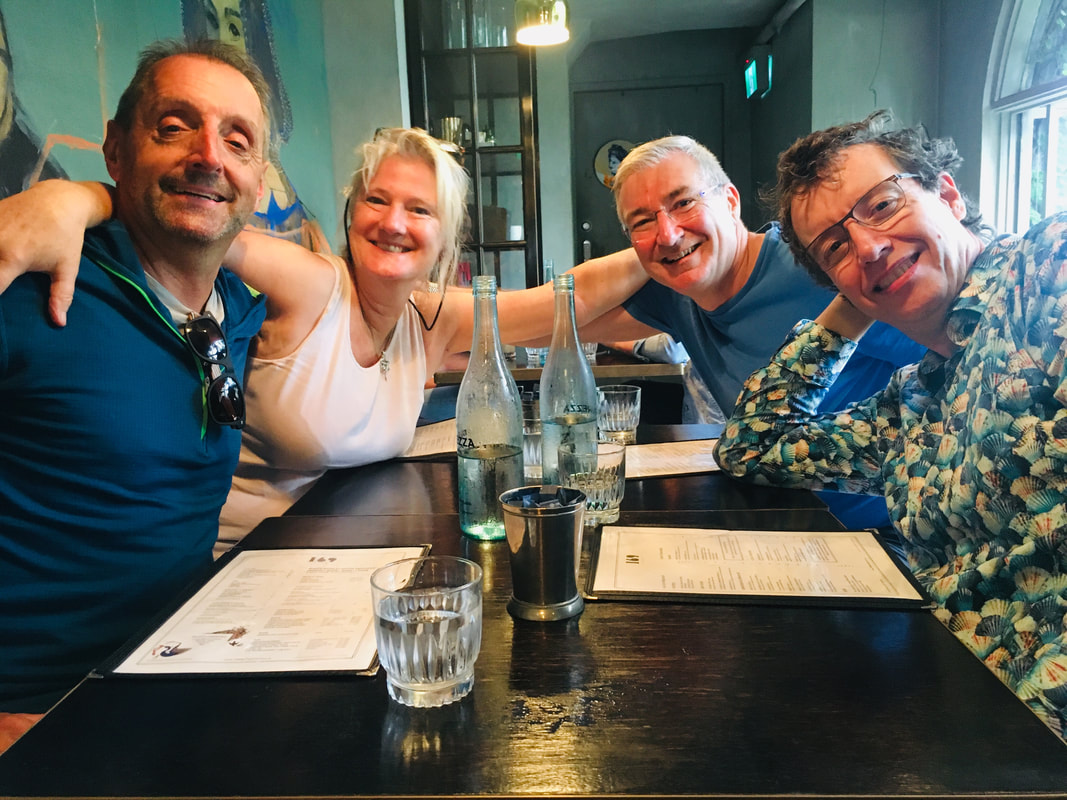
And so that was Sydney. A sobering start in terms of the horrors in Christchurch but awesome on a personal level to connect with such great friends – talk, drink, laugh, plot Dangar Island Presidential campaigns (you don’t want to know . . .)
Leaving Whakatane and Tūhoe . . .
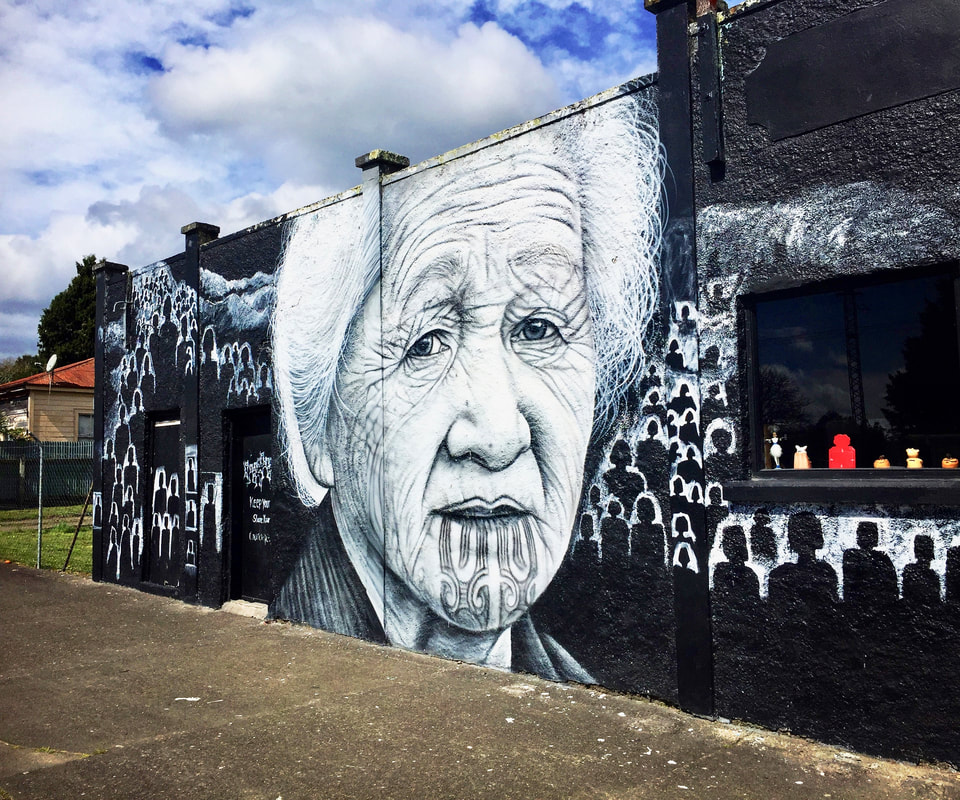
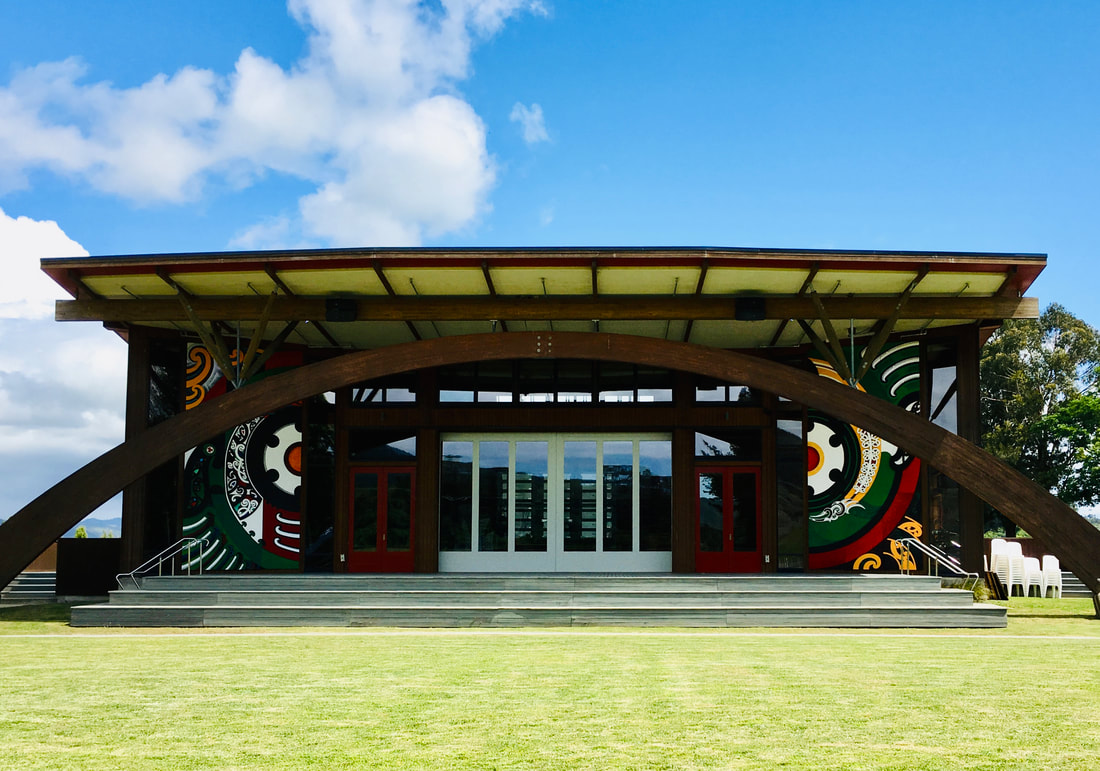
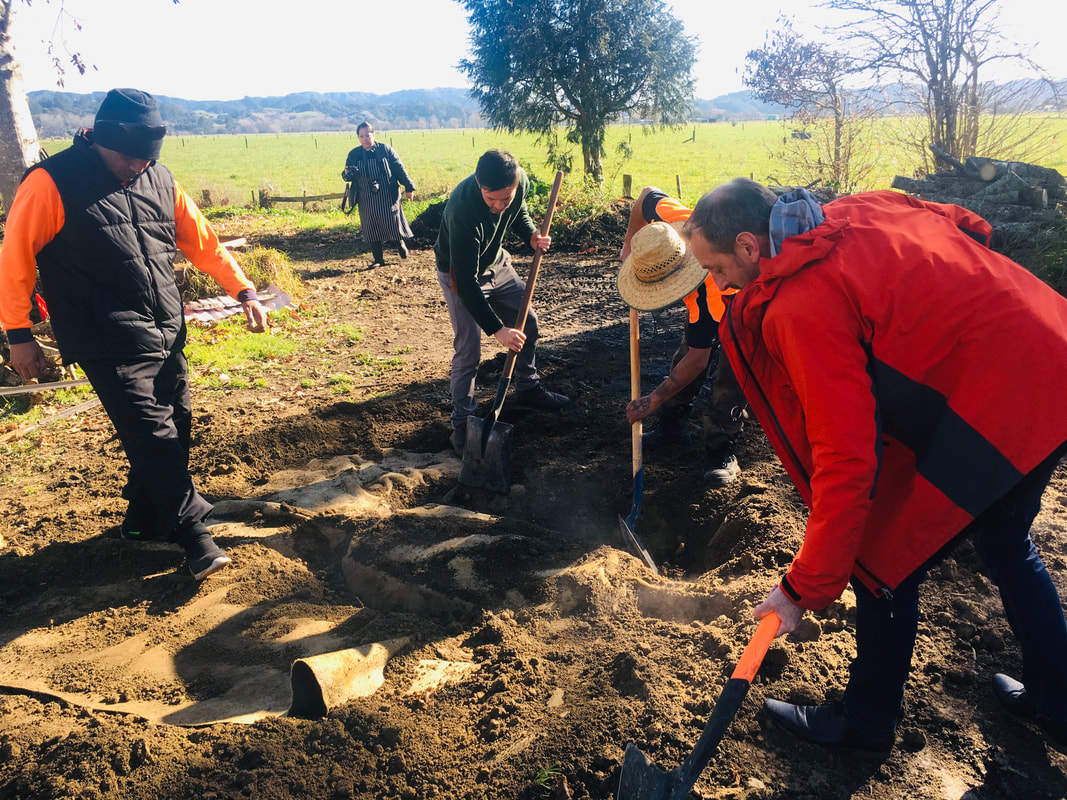
I was being transferred temporarily for my job at the Department of Conservation. My new temporary role was to work with one of New Zealand’s largest Iwis, Tūhoe, whose people had felt disconnected from their homeland for around 150 years, but who now had the opportunity to pursue a responsibility-based re-connection on the back of a settlement agreement with the Crown.
At the start of my temporary secondment I felt completely out of my comfort zone. I knew almost nothing about Tūhoe people and what they had experienced. My understanding of Maori issues in general was virtually non-existent. I scratched my head at the time and thought to myself – how the hell did I land up here? I grew up in the heart of Remuera – son of a Doctor – private school education . . . I think there might have been someone Maori at my school? I honestly can’t remember. I went to University at Otago and surrounded myself with well-off pakehas . . . it was what I knew and in my comfort zone.
At the end of my short time with Tūhoe I now feel incredibly connected to the people and the place – more than I think I have ever felt connected to any work previously. Te Kawa (Tūhoe’s long term management plan for a massive chunk of central North island land – Te Urewera) for me was like a light bulb turning on . . . Recognising that we are born with responsibility – not powers and rights and false superiority over nature. Nature is speaking to us all the time – telling us about the world we live in and what’s important. Most of the time we are simply not patient, humble or egoless enough to pay attention to the story.
I have learned a lot about responsibility and caring – what that really means in the context of a post settlement world for Maori people – this stuff means something.
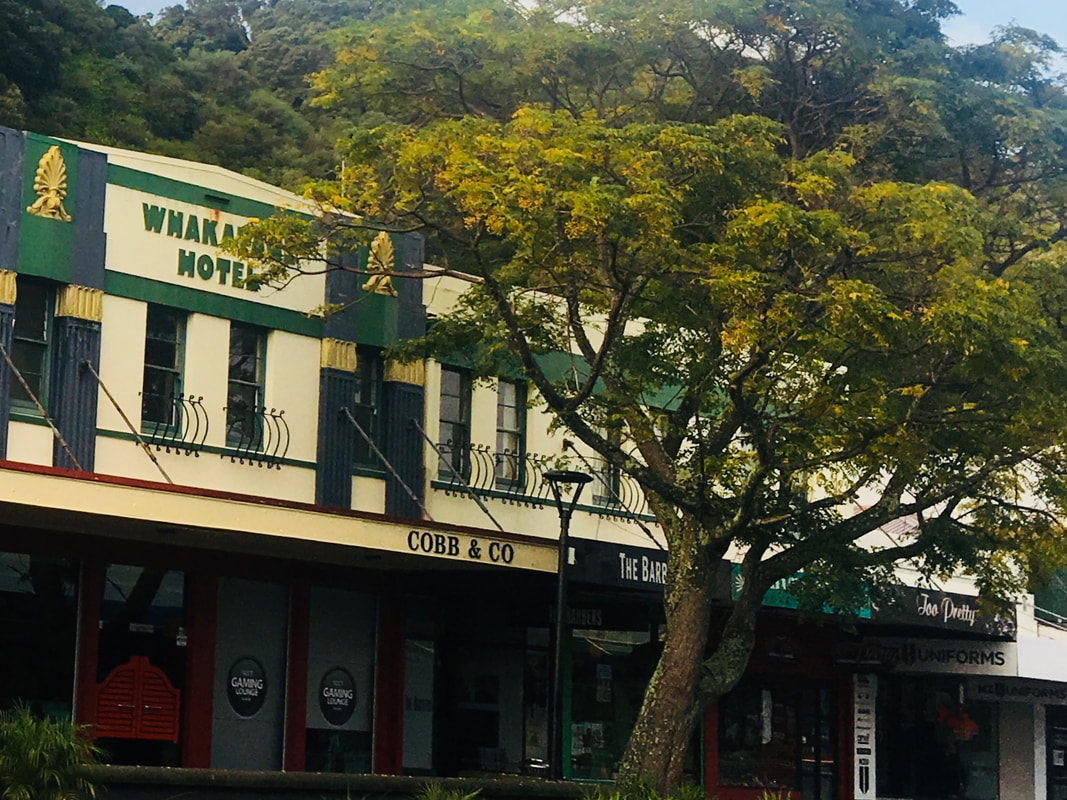
This morning, on one of my last days before departing, I drove into the town centre from our rented place on Ohope Beach to do a few errands. First the bike shop where the lady remembered my wife’s name from her call the previous day and we had a general chat about how hot it has been lately and about the bike business in general. Then I drove to my favourite café for a coffee and eggs. Crossing the road to the cafe from where I parked the car involved negotiating almost every driver desperate to stop, let me cross and give me a thumbs up. A chat at the café with the owner and then a walk back to my car encountering a “good morning” from lady putting out tables outside the Sri Lankan restaurant. My last stop was a quick visit to the supermarket, exchanging a “kia ora” with a heavily tattooed and beaming Maori gentlemen getting out of his car.
And that is pretty much a typical day in Whakatane. It’s one friendly and laid-back place – that’s for sure . . .
Stay tuned for more on our 2019 Big Adventure. First stop Sydney on March 15th.